
Signs You Have a Slab Leak Under Your Foundation in Oak Cliff
Water pooling under your home’s concrete slab can destroy flooring, promote mold growth, and compromise your foundation. In Oak Cliff, where the Blackland Prairie’s expansive clay soil shifts with moisture changes, slab leaks happen more often than homeowners realize. You might notice a sudden spike in your water bill, warm spots on tile floors, or the sound of running water when all taps are off. These are not minor inconveniences. They are emergency signals that water is actively damaging your home’s structure right now. Emergency Water Removal Services for Dallas Homeowners Available Right Now.
Ignoring these signs allows water to wick into drywall, warp hardwood, and create perfect conditions for black mold within 24 to 48 hours. The longer you wait, the more expensive the restoration becomes. This guide shows you exactly what to look for, why Oak Cliff homes are vulnerable, and when to call a professional before the damage spreads beyond repair. EPA WaterSense Fix a Leak Week.
Why Oak Cliff Homes Face Higher Slab Leak Risk
The Blackland Prairie soil beneath Oak Cliff contains high clay content that expands when wet and contracts when dry. This constant movement puts tremendous pressure on copper and PEX pipes embedded in your home’s foundation. During Dallas’s wet springs and dry summers, soil volume can change by several inches, causing pipes to rub against concrete, develop pinhole leaks, or even break completely.
Many Oak Cliff homes built between the 1950s and 1980s used copper piping that corrodes faster in Dallas’s alkaline soil. The combination of age, soil chemistry, and foundation movement creates a perfect storm for under-slab plumbing failure. Unlike newer homes with flexible PEX lines, older copper pipes have no room to expand, making them brittle and prone to cracking under pressure.
Foundation movement also affects water pressure inside pipes. When soil shifts, it can create pressure spikes that weaken joints and fittings. A pipe that works fine during dry weather might burst during the first heavy rain when the soil swells. This is why slab leaks often seem to appear suddenly, even in homes that have never had plumbing issues before. Trustworthy Water Damage Restoration Services in Preston Hollow.
8 Warning Signs You Have a Slab Leak
Slab leaks create distinct patterns of damage that homeowners can learn to recognize. These signs appear gradually, but once you know what to look for, you can catch problems before they destroy your home’s structure. Water Damage Restoration Addison.
Unexplained Water Bill Increases often signal the first problem. A typical family of four uses about 12,000 gallons monthly. If your bill jumps 30 percent or more without changing your usage habits, you likely have a hidden leak. The EPA estimates household leaks waste nearly one trillion gallons annually nationwide, and slab leaks account for a significant portion of that waste.
Warm Spots on Floors indicate hot water line leaks. If you feel unexpected warmth when walking barefoot on tile or laminate, especially in areas away from bathrooms or kitchens, hot water may be escaping under your slab. These spots often feel like mild heating pads and stay warm even when your HVAC system is off.
Sound of Running Water when all fixtures are off points to active leaks. Place your ear against walls or floors near bathrooms and listen for hissing, whooshing, or dripping sounds. This water movement creates enough noise to hear through concrete and flooring materials.
Damp Carpets or Warped Flooring appear when water reaches the surface. Moisture from slab leaks travels upward through concrete, saturating carpet padding and causing wood floors to cup or buckle. You might notice dark spots, musty odors, or areas that feel cool and damp to touch.
New Foundation Cracks develop when water erodes soil beneath your home. As moisture washes away supporting soil, your foundation loses stability and settles unevenly. This creates stair-step cracks in brick, diagonal cracks in sheetrock, and separation around doors and windows.
Low Water Pressure throughout your home suggests a major leak somewhere in your system. When water escapes under the slab, less reaches your fixtures. You might notice weak shower flow, slow-filling toilets, or appliances that take longer to complete cycles.
Musty Odors and Mold Growth signal advanced moisture problems. Water trapped under flooring creates perfect conditions for mold within 24 to 48 hours in Dallas’s humid climate. You might smell earthy, damp odors near baseboards or see black spots appearing on walls and flooring.
Pools of Water Near Foundation without obvious sources indicate severe leaks. Water escaping under your slab can surface through expansion joints, creating puddles that appear and disappear with changing soil moisture levels.
The Professional Detection Process
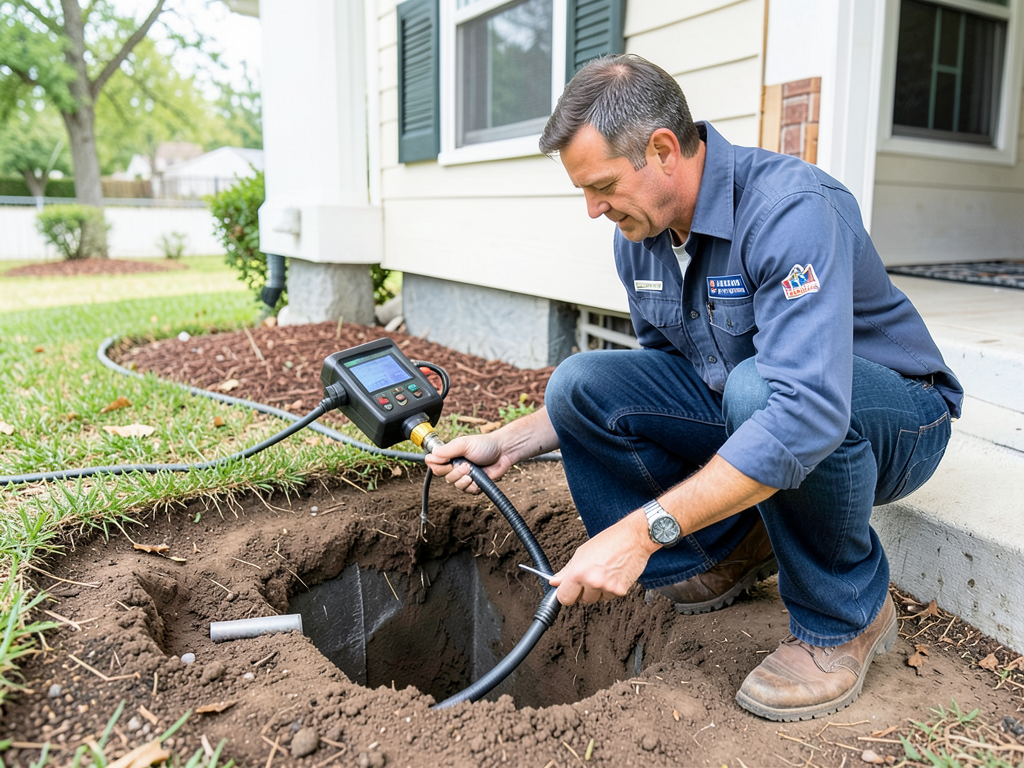
Finding a slab leak requires specialized equipment and trained technicians who understand Dallas’s unique soil conditions. The process goes far beyond simple visual inspection and involves multiple diagnostic tools to pinpoint the exact leak location without destroying your home.
Electronic leak detection uses sensitive listening devices to hear water movement through concrete. Technicians place ground microphones at strategic points around your home, then amplify and analyze the sounds to locate leaks with accuracy down to a few inches. This non-invasive method works best for active leaks that produce audible water movement. Quick Water Damage Cleanup for Uptown Dallas Condos and Apartments.
Thermal imaging cameras detect temperature differences caused by hot or cold water escaping under your slab. These devices show heat signatures that reveal leak locations even when no sound is present. In Dallas’s variable climate, thermal imaging helps distinguish between normal temperature variations and actual plumbing problems.. Read more about How a Broken Sprinkler Line Can Cause Foundation Flooding in Flower Mound.
Pressure testing isolates sections of your plumbing system to identify which lines contain leaks. Technicians seal off different pipe runs and monitor pressure changes over time. A pressure drop indicates a leak in that section, allowing them to narrow their search area before using more invasive detection methods.
Video pipe inspection uses small cameras to examine the interior of accessible plumbing lines. While this method cannot see through concrete, it helps verify leak locations once detected and assess pipe condition for future repairs. In older Oak Cliff homes, video inspection often reveals corrosion patterns that explain why leaks occur.
The detection process typically takes two to four hours, depending on your home’s size and the complexity of your plumbing system. Professional technicians document their findings with photos, videos, and detailed reports that help with insurance claims and repair planning.
Repair vs. Restoration: The Full Recovery Path
Many homeowners confuse slab leak repair with complete restoration, but these are fundamentally different services. A plumber fixes the broken pipe, while a restoration company addresses the water damage that affects your home’s structure and indoor air quality.. Read more about The Ultimate Homeowner Checklist for Preventing Floods in Kessler Park.
Plumbers typically use one of three repair methods: tunneling under the slab to access pipes from below, breaking through the concrete to reach pipes from above, or rerouting plumbing through walls and attics to bypass damaged sections. Each approach has different costs, timelines, and impact on your home’s structure.. Read more about Water Damage Risks for Modern New Builds in the Trinity Groves Area.
Restoration work begins after the leak stops and focuses on drying, cleaning, and repairing water-damaged materials. This includes removing wet carpet and padding, extracting water from hardwood floors, drying wall cavities with specialized equipment, and treating affected areas with antimicrobial solutions to prevent mold growth. Saving Your Hardwood Floors After Water Damage in Dallas.
The restoration process follows IICRC S500 standards for professional water damage recovery. This industry standard requires specific drying times, temperature controls, and documentation to ensure your home returns to pre-loss condition. Skipping proper restoration can leave moisture trapped in walls and floors, leading to mold problems months later. IICRC S500 Water Damage Restoration Standard.
Insurance coverage often separates plumbing repair from restoration work. Most Texas homeowners policies cover sudden and accidental water damage but may exclude long-term leaks or foundation problems. Understanding your coverage helps you make informed decisions about repair methods and restoration scope.
Complete recovery typically takes three to seven days, depending on damage extent and drying conditions. During this time, technicians monitor moisture levels daily using specialized meters to ensure all affected materials reach safe dryness levels before reconstruction begins.
Preventing Future Slab Leaks in Oak Cliff
While you cannot eliminate slab leak risk entirely, several strategies reduce your chances of experiencing another plumbing failure. These preventive measures address the root causes of slab leaks rather than just treating symptoms.
Water pressure regulation protects your entire plumbing system from pressure spikes that weaken pipes over time. Installing a pressure-reducing valve maintains consistent water pressure between 40 and 60 psi, reducing stress on pipe joints and fittings. This simple upgrade can extend the life of your plumbing system by years.
Water quality treatment addresses Dallas’s hard water problems that accelerate pipe corrosion. Installing a whole-house water softener removes minerals that build up inside pipes, reducing scale formation and extending pipe life. Softened water also improves appliance efficiency and reduces soap scum buildup throughout your home.
Foundation maintenance helps minimize soil movement that stresses your plumbing. Proper drainage around your home’s perimeter prevents water from pooling near your foundation during heavy rains. Grading soil away from your house, cleaning gutters regularly, and extending downspouts at least five feet from your foundation all reduce soil moisture fluctuations.. Read more about How Poor Drainage is Impacting the Foundations of Homes in Garland.
Regular plumbing inspections catch small problems before they become major leaks. Annual inspections by licensed professionals can identify corrosion patterns, pressure issues, and early signs of foundation movement that might affect your plumbing. Early detection often means simpler, less expensive repairs.
Upgrading old plumbing materials provides long-term protection against slab leaks. Replacing copper pipes with modern PEX tubing in homes over 30 years old eliminates many common failure points. PEX resists corrosion, handles foundation movement better than rigid copper, and costs less to install than traditional repiping methods.
Frequently Asked Questions
How much does slab leak detection cost in Dallas?
Professional slab leak detection typically costs between $250 and $500 in the Dallas area. This price includes electronic listening devices, thermal imaging, and pressure testing to locate the exact leak source. Some companies offer free detection with repair services, but standalone detection provides unbiased assessment of your plumbing condition.
Will my homeowners insurance cover slab leak damage?
Most Texas homeowners policies cover sudden and accidental water damage from plumbing failures, including slab leaks. However, coverage varies significantly between policies. Some exclude foundation damage, while others limit coverage for older plumbing systems. Review your policy details or contact your insurance agent to understand your specific coverage before scheduling repairs.
How long can I wait before fixing a slab leak?
You should address slab leaks immediately upon discovery. Water damage accelerates quickly in Dallas’s humid climate, with mold growth beginning within 24 to 48 hours. Each day you wait allows water to spread further, increasing repair costs and potentially creating health hazards from mold and mildew growth under your flooring.
Can I fix a slab leak myself?
DIY slab leak repair is not recommended for most homeowners. Professional detection requires specialized equipment that most people do not own. Incorrect repairs can cause more damage, void insurance coverage, or create code violations. Licensed plumbers have the training and tools to fix leaks properly while maintaining your home’s structural integrity.
What’s the difference between a slab leak and foundation leak?
A slab leak refers to plumbing failures within or under your home’s concrete foundation, while foundation leaks involve water entering your basement or crawl space through foundation walls. Both cause water damage but require different repair approaches. Slab leaks need plumbing repair, while foundation leaks often require waterproofing and exterior drainage improvements.
Emergency Steps to Take Now
If you suspect a slab leak, take these immediate actions to minimize damage while waiting for professional help. Quick response can save thousands in repair costs and prevent secondary damage to your home’s structure.
Turn off your main water supply if you notice significant water damage or hear active leaks. This stops additional water from entering your home and prevents further damage. The main shut-off valve is typically located near your water meter or where the main line enters your home.
Document all visible damage with photos and videos before cleanup begins. This documentation helps with insurance claims and provides evidence of damage extent for restoration companies. Capture wide shots showing the affected area, then close-ups of specific damage like warped flooring or water stains.
Move furniture and valuables away from affected areas to prevent additional damage. Water can wick up furniture legs and cause staining or warping. Place aluminum foil under furniture legs to prevent rust stains on wet carpet or flooring.
Increase air circulation in affected areas to begin the drying process. Open windows, run fans, and use dehumidifiers if available. However, do not attempt major demolition or drying without professional assessment, as improper techniques can spread contamination or create additional damage.
Call (972) 886-5955 today to schedule your inspection. Our licensed technicians understand Dallas’s unique soil conditions and can locate your leak quickly using advanced detection equipment. We provide detailed reports and work directly with your insurance company to streamline the repair process.
Remember that slab leaks do not improve on their own. The water pressure that caused the initial failure continues to erode soil and damage your home’s structure. Early intervention protects your investment and prevents the cascade of problems that follow untreated water damage.
You may also find this helpful. Is That Musty Smell in Your Bishop Arts District Home Actually Mold?.
{
“@context”: “https://schema.org”,
“@type”: “BlogPosting”,
“headline”: “Signs You Have a Slab Leak Under Your Foundation in Oak Cliff”,
“description”: “Discover the hidden warning signs of slab leaks in Oak Cliff homes. Learn how Dallas’s expansive clay soil causes foundation plumbing damage and what to do next.”,
“wordCount”: 2225,
“datePublished”: “2026-03-12T15:14:00.000Z”,
“dateModified”: “2026-03-12T15:14:00.000Z”,
“inLanguage”: “en-US”,
“mainEntityOfPage”: {
“@type”: “WebPage”,
“@id”: “https://peakwaterdamagerestorationdallas.com”
},
“publisher”: {
“@type”: “LocalBusiness”,
“name”: “Peak Water Damage Restoration Dallas”,
“url”: “https://peakwaterdamagerestorationdallas.com”
},
“author”: {
“@type”: “Organization”,
“name”: “Peak Water Damage Restoration Dallas”,
“url”: “https://peakwaterdamagerestorationdallas.com”
},
“image”: {
“@type”: “ImageObject”,
“url”: “https://peakwaterdamagerestorationdallas.com/wp-content/uploads/2026/03/signs-you-have-a-slab-leak-under-your-foundation-i-1.png”
}
}
{
“@context”: “https://schema.org”,
“@type”: “LocalBusiness”,
“name”: “Peak Water Damage Restoration Dallas”,
“url”: “https://peakwaterdamagerestorationdallas.com”,
“address”: {
“@type”: “PostalAddress”,
“addressLocality”: “Dallas”
},
“areaServed”: {
“@type”: “City”,
“name”: “Dallas”
}
}
{
“@context”: “https://schema.org”,
“@type”: “FAQPage”,
“mainEntity”: [
{
“@type”: “Question”,
“name”: “How much does slab leak detection cost in Dallas?”,
“acceptedAnswer”: {
“@type”: “Answer”,
“text”: “Professional slab leak detection typically costs between $250 and $500 in the Dallas area. This price includes electronic listening devices, thermal imaging, and pressure testing to locate the exact leak source. Some companies offer free detection with repair services, but standalone detection provides unbiased assessment of your plumbing condition.”
}
},
{
“@type”: “Question”,
“name”: “Will my homeowners insurance cover slab leak damage?”,
“acceptedAnswer”: {
“@type”: “Answer”,
“text”: “Most Texas homeowners policies cover sudden and accidental water damage from plumbing failures, including slab leaks. However, coverage varies significantly between policies. Some exclude foundation damage, while others limit coverage for older plumbing systems. Review your policy details or contact your insurance agent to understand your specific coverage before scheduling repairs.”
}
},
{
“@type”: “Question”,
“name”: “How long can I wait before fixing a slab leak?”,
“acceptedAnswer”: {
“@type”: “Answer”,
“text”: “You should address slab leaks immediately upon discovery. Water damage accelerates quickly in Dallas’s humid climate, with mold growth beginning within 24 to 48 hours. Each day you wait allows water to spread further, increasing repair costs and potentially creating health hazards from mold and mildew growth under your flooring.”
}
},
{
“@type”: “Question”,
“name”: “Can I fix a slab leak myself?”,
“acceptedAnswer”: {
“@type”: “Answer”,
“text”: “DIY slab leak repair is not recommended for most homeowners. Professional detection requires specialized equipment that most people do not own. Incorrect repairs can cause more damage, void insurance coverage, or create code violations. Licensed plumbers have the training and tools to fix leaks properly while maintaining your home’s structural integrity.”
}
},
{
“@type”: “Question”,
“name”: “What’s the difference between a slab leak and foundation leak?”,
“acceptedAnswer”: {
“@type”: “Answer”,
“text”: “A slab leak refers to plumbing failures within or under your home’s concrete foundation, while foundation leaks involve water entering your basement or crawl space through foundation walls. Both cause water damage but require different repair approaches. Slab leaks need plumbing repair, while foundation leaks often require waterproofing and exterior drainage improvements.”
}
}
]
}
{
“@context”: “https://schema.org”,
“@type”: “BreadcrumbList”,
“itemListElement”: [
{
“@type”: “ListItem”,
“position”: 1,
“name”: “Home”,
“item”: “https://peakwaterdamagerestorationdallas.com”
},
{
“@type”: “ListItem”,
“position”: 2,
“name”: “Blog”,
“item”: “https://peakwaterdamagerestorationdallas.com/blog”
},
{
“@type”: “ListItem”,
“position”: 3,
“name”: “Signs You Have a Slab Leak Under Your Foundation in Oak Cliff”
}
]
}
{
“@context”: “https://schema.org”,
“@type”: “Service”,
“serviceType”: “Water Damage Restoration”,
“provider”: {
“@type”: “LocalBusiness”,
“name”: “Peak Water Damage Restoration Dallas”,
“url”: “https://peakwaterdamagerestorationdallas.com”
},
“areaServed”: {
“@type”: “City”,
“name”: “Dallas”
},
“description”: “Discover the hidden warning signs of slab leaks in Oak Cliff homes. Learn how Dallas’s expansive clay soil causes foundation plumbing damage and what to do next.”
}