


Plano sits on expansive clay soil that swells when wet and shrinks when dry. This constant movement stresses foundation slabs and creates entry points for water during North Texas thunderstorms. The city averages 40 inches of rain annually, with intense spring storms dumping several inches in hours. Flash flooding overwhelms storm drains in older neighborhoods near Rowlett Creek and Bluebonnet Trail, sending water into garages and crawl spaces.
Your HVAC system works overtime in Texas heat, creating condensation that drips into ductwork and ceiling cavities. When drain pans rust through or condensate lines clog, water pools unnoticed for weeks. Plano's mix of 1970s ranch homes and new construction means aging supply lines and water heaters exist alongside modern building materials that trap moisture. The city requires permits for major plumbing work, but homeowners often skip inspections on water heater replacements, leading to improper installations that fail prematurely.
Winter freezes hit hard every few years. When temperatures drop below 20 degrees, exposed pipes in attics and exterior walls burst. The 2021 freeze caused thousands of insurance claims across Collin County. Properties in West Plano and near Parker Road saw extensive damage from burst supply lines feeding second-story bathrooms. Water damage restoration requires fast response because mold colonizes damp materials within 48 hours in Texas humidity.
Peak Water Damage Restoration Dallas operates from our North Texas facility with trucks staged for rapid deployment across Collin County. When you call our emergency line, you reach a dispatcher who assigns the nearest crew immediately. No franchises, no callbacks, no delays. We arrive with truck-mounted extraction units that pull thousands of gallons per hour from carpets and padding. Our technicians hold IICRC certifications in water damage restoration and applied structural drying, which means we follow science-based protocols for moisture removal, not guesswork.
We document everything with thermal imaging cameras and moisture meters because insurance adjusters require proof of affected areas. Our project managers photograph damage progression, track equipment placement, and log daily moisture readings. This documentation speeds your claim and prevents disputes over scope. We coordinate directly with adjusters from State Farm, Allstate, Farmers, and USAA, who know our reports meet their standards.
Plano properties range from older homes with pier and beam foundations to modern construction with post-tension slabs. We adapt our drying strategy to your building type. Pier and beam foundations need focused airflow beneath the structure. Slab foundations require floor mat systems that create negative pressure to extract moisture from concrete. We place commercial dehumidifiers that remove 150 pints daily and air movers positioned to create cyclonic drying patterns. Equipment runs continuously until moisture content returns to normal ranges, verified by daily testing. You get transparency through every phase, not a crew that vanishes for days between visits.

Water spreads through building materials every hour you wait. Our crews respond to Plano emergencies around the clock, including holidays and weekends. We arrive within 60 minutes of your call with extraction equipment ready to deploy. Fast response stops secondary damage and reduces total restoration costs by preventing mold growth and structural deterioration.

We handle claim documentation and adjuster communication so you focus on your family. Our detailed moisture maps, thermal images, and daily logs meet carrier standards for proof of loss. We attend adjuster inspections, explain our drying plan, and defend our scope. Most claims close within 10 days because our paperwork is complete and accurate from the start.
Every crew member holds current certification from the Institute of Inspection, Cleaning and Restoration Certification. This training covers water classification, structural drying principles, and microbial remediation protocols. Certified technicians follow proven methods for moisture removal based on material type, humidity levels, and airflow patterns. You get science-based restoration, not trial and error approaches.
We work exclusively in North Texas and understand local construction methods, soil conditions, and weather patterns that affect water damage. Our experience with Plano's mix of older ranch homes and new construction means we adapt techniques to your specific building type. We know which neighborhoods face recurring drainage issues and how clay soil movement creates foundation vulnerabilities.
Water damage restoration requires specialized equipment and expertise that changes based on the source of water, affected materials, and contamination level. Peak Water Damage Restoration Dallas provides emergency water extraction, structural drying, content restoration, and microbial remediation for residential and commercial properties. We handle Category 1 clean water from supply line failures, Category 2 gray water from appliance overflows, and Category 3 black water from sewage backups.
Our services extend beyond water removal to complete property restoration. We extract standing water, remove damaged materials, dry structural components, treat for microbial growth, and coordinate reconstruction. Each project gets a customized drying plan based on moisture readings, material types, and building configuration. Commercial properties need different approaches than residential homes because of HVAC systems, business interruption concerns, and code requirements for public buildings. We categorize our services into emergency response, complete mitigation, and specialty restoration to address the full spectrum of water damage scenarios Plano property owners face.
When water floods your property, immediate extraction prevents secondary damage to flooring, walls, and contents. Our emergency crews arrive with truck-mounted pumps that remove thousands of gallons from basements, crawl spaces, and living areas. We extract water from carpets, padding, and subflooring using weighted wands that apply pressure for maximum moisture removal. Standing water creates hydrostatic pressure that damages drywall and baseboards. Fast extraction protects structural materials and personal belongings. We provide emergency board-up services if water entry resulted from storm damage or broken windows.
After extraction, moisture remains trapped in walls, flooring, and structural cavities. We deploy commercial dehumidifiers and air movers to create optimal drying conditions based on psychrometric principles. Thermal imaging identifies hidden moisture in wall cavities and beneath flooring. We monitor moisture content daily using penetrating and non-invasive meters until materials return to normal ranges. Hardwood floors need specialized mat systems that create negative pressure to extract moisture without causing cupping. Drywall requires controlled airflow to prevent bowing. Our drying plans address your specific materials and building configuration for complete moisture removal.
Mold colonizes damp materials within 48 hours in Texas humidity. When water damage goes untreated or drying is incomplete, microbial growth spreads through walls and HVAC systems. We provide containment, removal, and treatment following IICRC S520 standards for mold remediation. Containment barriers prevent spore migration during removal. HEPA filtration captures airborne particles. We remove contaminated materials that cannot be salvaged and treat affected surfaces with antimicrobial solutions. Air quality testing verifies successful remediation. Prevention requires addressing moisture sources and ensuring complete drying after water damage events.
Plano's combination of severe weather, aging infrastructure, and expansive soil creates multiple pathways for water intrusion. Spring thunderstorms overwhelm drainage systems in minutes. Flash flooding near Rowlett Creek and Bluebonnet Trail sends water into ground-level rooms. Foundation movement from clay soil expansion creates cracks that allow groundwater seepage. Supply line failures and water heater ruptures dump hundreds of gallons into living spaces before anyone notices. HVAC condensate problems cause hidden damage in attics and ceiling cavities.
Each water source requires different treatment protocols. Clean water from supply lines needs fast extraction and drying. Gray water from appliance overflows requires antimicrobial treatment. Black water from sewage backups demands specialized cleaning and disinfection. Property owners who delay restoration face compounding problems as moisture spreads through porous materials. Drywall wicks water vertically. Carpet padding becomes a microbial reservoir. Wood framing absorbs moisture and loses structural integrity. Insurance companies reduce coverage when policyholders fail to mitigate damage promptly.
Aging copper supply lines corrode and fail without warning. Flexible connectors behind toilets and under sinks develop pinhole leaks that spray walls and floors for hours. Winter freezes burst exposed pipes in attics and exterior walls. A single supply line failure dumps 10 to 15 gallons per minute into your home. Water spreads through multiple rooms before you discover the source, saturating flooring, baseboards, and wall cavities.
North Texas thunderstorms produce several inches of rain in hours during spring and early summer. Storm drains in older Plano neighborhoods cannot handle this volume. Water pools in yards and driveways, then finds entry through foundation cracks, garage doors, and window wells. Properties near Rowlett Creek face recurring flooding when the waterway overtops its banks. Wind-driven rain penetrates roof penetrations and damaged shingles.
Water heaters last 8 to 12 years before tanks rust through or pressure relief valves fail. Most Plano homes install units in garages or utility closets where ruptures flood adjacent rooms. A 50-gallon tank releases its entire contents in minutes, plus ongoing supply line flow if the shutoff valve fails. Hot water damages flooring materials faster than cold water and creates higher humidity levels that accelerate mold growth.
Air conditioning systems produce gallons of condensate daily in Texas heat. When drain pans rust or condensate lines clog, water drips into attic insulation and ceiling cavities for weeks before you see stains. This hidden moisture creates ideal conditions for mold growth in dark, warm spaces. Attic leaks often damage multiple rooms below because water follows joists and wall cavities. Discovery happens when ceilings sag or musty odors develop.
Water damage restoration moves through distinct phases from emergency response to final verification. When you call our 24/7 emergency line, a dispatcher assigns the nearest crew immediately. We ask about the water source, affected areas, and any safety concerns like electrical hazards or structural compromise. Our technicians arrive within 60 minutes with extraction equipment and moisture detection tools. The initial assessment identifies water classification, affected materials, and the extent of saturation.
We explain our findings in clear terms and outline the restoration plan before starting work. You receive a detailed scope that covers extraction methods, equipment placement, expected drying time, and what materials need removal. Most residential projects take three to five days for complete drying, though this extends for severe flooding or when water saturates wall cavities. We provide daily updates on moisture readings and equipment performance. Our project managers remain accessible throughout restoration for questions or concerns. Final verification uses moisture meters to confirm all materials have returned to normal ranges before we remove equipment.
Our emergency crews arrive within 60 minutes of your call with truck-mounted extraction equipment and moisture detection tools. The initial assessment identifies the water source, classification category, and extent of damage. We use thermal imaging to locate hidden moisture in walls and beneath flooring. You receive an explanation of findings and restoration plan before work begins. We document everything with photographs and moisture readings for your insurance claim. Safety is our first priority. We identify electrical hazards, structural concerns, and contamination risks before deploying equipment.
After extraction, we place commercial dehumidifiers and air movers in strategic positions to create optimal drying conditions. Equipment runs continuously, monitored by daily site visits where technicians record moisture readings in affected materials. We adjust equipment placement based on drying progress and moisture migration patterns. You receive daily updates on moisture levels and projected completion timelines. Most properties reach normal moisture content within three to five days. Our technicians document each visit with written logs that track equipment performance and environmental conditions.
We verify complete drying using moisture meters that penetrate materials to measure internal moisture content. All readings must return to normal ranges before we remove equipment. Final documentation includes comparison photos, moisture logs, and certification that affected areas are dry. We coordinate with reconstruction contractors if restoration damaged materials beyond repair. You receive a complete project file with all documentation, equipment logs, and final verification for your insurance company. Our work includes a satisfaction guarantee backed by documentation that proves complete moisture removal.
Every water damage event is different, but the restoration process follows proven phases that ensure complete moisture removal and prevent secondary damage.
Call our 24/7 emergency line at (972) 886-5955. Our dispatcher asks about the water source, affected areas, and immediate safety concerns. We assign the nearest crew and provide an estimated arrival time, typically within 60 minutes. While crews travel, the dispatcher guides you through emergency steps like shutting off water sources, moving contents to dry areas, and documenting damage with photos for insurance. This immediate response limits damage spread and begins your claim documentation.
Our crew extracts standing water using truck-mounted pumps and weighted extraction wands that remove moisture from carpets and padding. We remove unsalvageable materials like soaked drywall and insulation that trap moisture. Thermal imaging identifies hidden saturation in wall cavities and beneath flooring. We place commercial dehumidifiers and air movers in strategic positions based on psychrometric calculations for your space. Equipment runs continuously with daily monitoring visits to track moisture reduction and adjust airflow patterns for optimal drying.
Daily moisture readings track drying progress in all affected materials. When readings return to normal ranges, we verify complete drying using penetrating moisture meters that measure internal moisture content. Final documentation includes moisture logs, comparison photos, and certification of dryness for your insurance carrier. We remove all equipment and coordinate with reconstruction contractors if needed. You receive a complete project file with all documentation proving thorough moisture removal and proper restoration protocols.
Professional water damage restoration follows protocols established by the Institute of Inspection, Cleaning and Restoration Certification, the industry's governing body for standards and training. The IICRC S500 Standard for Professional Water Damage Restoration defines water classification categories and restoration procedures based on contamination level and material porosity. Category 1 water originates from sanitary sources like supply lines and poses no contamination threat. Category 2 gray water contains contaminants from appliance overflows or washing machine discharge. Category 3 black water is grossly contaminated from sewage backups or flood water that contacted soil.
Restoration procedures vary dramatically between categories. Category 1 water requires extraction and drying. Category 2 water needs antimicrobial treatment after drying. Category 3 water demands removal of porous materials, disinfection of structural components, and specialized cleaning protocols. Water classification can escalate over time. Clean water becomes Category 2 after 48 hours as bacterial growth begins. Material porosity affects restoration approaches. Non-porous materials like metal and glass can be cleaned and dried. Semi-porous materials like wood and concrete require extended drying time. Porous materials like drywall and insulation absorb water rapidly and often require removal.
Structural drying relies on psychrometric principles that control temperature, humidity, and airflow. Dehumidifiers remove moisture from air. Air movers create evaporation at material surfaces. The relationship between these elements determines drying speed. Psychrometric charts help technicians calculate equipment needs based on room volume, moisture load, and target humidity levels. Proper drying prevents secondary damage like mold growth, wood rot, and metal corrosion. Texas humidity complicates drying because ambient moisture levels are already high. Commercial dehumidifiers that remove 150 pints daily are often needed to overcome environmental moisture. Thermal imaging cameras detect temperature differentials that indicate hidden moisture in wall cavities, beneath flooring, and in ceiling spaces.
The drying timeline depends on multiple factors including water volume, affected materials, building configuration, and environmental conditions. Most residential properties reach normal moisture content within three to five days with proper equipment placement and continuous operation. Complete drying is verified using moisture meters calibrated for specific materials. Wood flooring requires readings below 12 percent. Drywall should measure under 1 percent. Concrete depends on intended use but typically must reach below 4 percent for flooring installation. Documentation throughout the process proves proper protocols were followed and complete drying was achieved.
The IICRC S500 Standard defines three water categories based on contamination level. Category 1 clean water comes from sanitary sources. Category 2 gray water contains contaminants. Category 3 black water is grossly contaminated. Classification determines restoration procedures, protective equipment requirements, and material disposal protocols. Water category can escalate over time as bacterial growth occurs. Proper classification ensures appropriate treatment methods and worker safety during restoration.
Professional restoration requires multiple detection tools. Thermal imaging cameras identify temperature differentials that indicate moisture location. Non-invasive meters measure moisture content without damaging materials. Penetrating pin meters provide precise readings of internal moisture levels. Hygrometers measure relative humidity and temperature to calculate vapor pressure and drying conditions. Daily measurements track moisture reduction and verify when materials return to normal ranges. Documentation with calibrated equipment provides proof of complete drying for insurance claims.
Most residential water damage reaches normal moisture content within three to five days with proper equipment and continuous operation. Commercial properties or severe flooding may require seven to ten days. Factors affecting timeline include water volume, material types, building configuration, and environmental humidity. Equipment must run continuously, not on timers or intermittently. Daily monitoring ensures drying progresses properly and allows equipment adjustment if moisture levels plateau. Complete drying prevents mold growth and structural damage from retained moisture.
Insurance carriers require specific documentation to process water damage claims. Initial assessment photos establish the extent of damage. Moisture maps show affected areas and saturation levels. Daily logs track equipment placement and environmental readings. Thermal images prove hidden moisture in wall cavities and structural components. Final verification documents when materials returned to normal moisture content. Complete documentation prevents claim disputes and speeds settlement. Industry-standard reporting formats meet adjuster expectations and support scope negotiations.
Complete guide to water damage restoration in Plano covering emergency water extraction, structural drying methods, and professional restoration standards. Peak Water Damage Restoration Dallas explains the restoration process from initial response through final verification, including moisture detection techniques, equipment requirements, and insurance documentation. Video addresses common Plano water damage causes including supply line failures, storm flooding, and HVAC leaks, plus how clay soil and severe weather create unique restoration challenges for local properties.
Peak Water Damage Restoration Dallas provides emergency water removal and structural drying throughout Plano and surrounding Collin County areas. Our central location allows rapid response to properties from East Plano near Jupiter Road to West Plano around the Dallas North Tollway. We serve established neighborhoods in Central Plano along Park Boulevard and Spring Creek Parkway where homes date to the 1970s and 1980s. These properties face common issues with aging supply lines, water heater failures, and foundation movement from expansive clay soil.
The Willow Bend area and developments around Legacy Drive feature newer construction with modern plumbing systems, but HVAC condensate problems and appliance failures still cause significant water damage. Properties near Rowlett Creek and Bluebonnet Trail face recurring flash flood risks during severe weather. We respond to commercial water damage throughout the Legacy business district and retail corridors along Preston Road. Our service area extends to Parker, Murphy, and Wylie where similar construction methods and soil conditions create water damage vulnerabilities. The neighborhoods around Haggard Park and Oak Point Park include both historic homes and recent development, each requiring different restoration approaches based on construction type and foundation systems.
We maintain relationships with property managers serving apartment communities throughout Plano, from older complexes near Coit Road to newer developments in West Plano. Multi-family properties face unique challenges when water damage affects multiple units from a single source like roof leaks or plumbing failures. Our experience with Collin County building codes and inspection requirements ensures restoration work meets standards for permit compliance when reconstruction is needed. Properties throughout the greater Plano area benefit from our knowledge of local soil conditions, common construction methods, and recurring weather patterns that affect water intrusion risks. Whether you own a 1970s ranch home in Central Plano or a recently built property near the tollway, we understand your building's specific vulnerabilities and restoration requirements.
Most water damage restoration companies in Plano offer 24/7 emergency response and arrive within 60 to 90 minutes of your call. Speed matters because water spreads quickly and causes more destruction each hour. When you contact a restoration company, they dispatch technicians immediately to assess damage and begin water extraction. Local Plano companies maintain crews ready to respond at all times, including nights, weekends, and holidays. Fast response helps prevent secondary damage like mold growth and structural problems. Call as soon as you notice water damage to minimize repair needs.
Water damage restoration expenses vary based on damage extent, affected area size, and water category. Minor repairs for small areas start lower, while extensive flooding requiring structural repairs runs higher. Most homeowner insurance policies cover sudden and accidental water damage, like burst pipes or appliance failures. However, gradual damage from neglected maintenance often faces denial. Contact your insurance provider immediately after water damage occurs. Many Plano restoration companies provide free inspections and help document damage for your claim. Get detailed estimates and review your policy coverage before work begins.
Water damage restoration in Plano homes typically takes three to five days for minor damage and two to three weeks for severe flooding. The timeline depends on water volume, affected materials, and structural damage extent. Initial water extraction happens within hours. Drying and dehumidification require two to four days for complete moisture removal. Repairs and reconstruction add extra time. High humidity in Plano slows drying, extending timelines. Companies monitor moisture levels daily to ensure proper drying. Restoration cannot proceed until all areas reach acceptable moisture readings to prevent future mold growth.
Most water damage restoration companies in Plano offer 24/7 emergency response and arrive within 60 to 90 minutes of your call. Speed matters because water spreads quickly and causes more destruction each hour. When you contact a restoration company, they dispatch technicians immediately to assess damage and begin water extraction. Local Plano companies maintain crews ready to respond at all times, including nights, weekends, and holidays. Fast response helps prevent secondary damage like mold growth and structural problems. Call as soon as you notice water damage to minimize repair needs.
Water damage restoration expenses vary based on damage extent, affected area size, and water category. Minor repairs for small areas start lower, while extensive flooding requiring structural repairs runs higher. Most homeowner insurance policies cover sudden and accidental water damage, like burst pipes or appliance failures. However, gradual damage from neglected maintenance often faces denial. Contact your insurance provider immediately after water damage occurs. Many Plano restoration companies provide free inspections and help document damage for your claim. Get detailed estimates and review your policy coverage before work begins.
Water damage restoration in Plano homes typically takes three to five days for minor damage and two to three weeks for severe flooding. The timeline depends on water volume, affected materials, and structural damage extent. Initial water extraction happens within hours. Drying and dehumidification require two to four days for complete moisture removal. Repairs and reconstruction add extra time. High humidity in Plano slows drying, extending timelines. Companies monitor moisture levels daily to ensure proper drying. Restoration cannot proceed until all areas reach acceptable moisture readings to prevent future mold growth.
Your ability to stay home during restoration depends on damage severity and affected areas. Minor water damage in one room usually allows you to remain in other parts of your home. Extensive flooding affecting multiple rooms, electrical systems, or creating safety hazards requires temporary relocation. Restoration equipment runs constantly and creates loud noise. Your restoration company assesses safety concerns including mold spores, structural stability, and electrical hazards. They provide recommendations based on your specific situation. Insurance often covers temporary housing if your home becomes uninhabitable during repairs.
Hidden water damage shows through musty odors, discolored patches on walls or ceilings, and warped flooring. You might notice peeling paint, bubbling wallpaper, or soft spots in drywall. Water stains often appear yellow or brown. Higher water bills without increased usage indicate hidden leaks. Listen for dripping sounds behind walls. Check for mold growth in corners and around windows. Plano homes with pier and beam foundations face crawl space water issues. Condensation on windows and walls suggests excess moisture. Address these signs immediately to prevent extensive damage and costly repairs.
Yes, most water damage restoration companies in Plano provide mold remediation services. Water damage and mold grow together because mold develops within 24 to 48 hours in wet conditions. Restoration companies assess mold presence during initial inspections and include removal in their scope of work. They contain affected areas, remove contaminated materials, treat surfaces with antimicrobial solutions, and dry everything thoroughly. Proper water damage restoration prevents mold from returning. Companies test air quality after remediation to confirm successful removal. Address both water damage and mold together for complete restoration.
Plano restoration companies use industrial water extractors, air movers, and commercial dehumidifiers to remove moisture. Water extractors pull standing water from floors and carpets. Air movers create airflow to speed evaporation from surfaces and materials. Dehumidifiers remove moisture from the air, preventing it from reabsorbing into walls and furniture. Moisture meters detect hidden water in walls and floors. Infrared cameras identify wet areas behind surfaces. Companies place multiple units throughout affected areas and run them continuously. This equipment combination ensures complete drying and prevents mold growth and structural damage.
Choose a Plano water damage restoration company with proper credentials and local experience. Verify they hold IICRC certification, showing they follow industry standards. Check online reviews and ask for local references. Confirm they offer 24/7 emergency response and arrive quickly. Ask about their equipment and drying methods. Get written estimates detailing all work. Find companies with experience handling insurance claims who document damage thoroughly. Local companies understand Plano building codes and climate challenges. Avoid companies demanding full payment upfront. Select a company communicating clearly and answering all your questions before starting work.
Waiting to address water damage leads to severe consequences and higher repair bills. Mold grows within 24 to 48 hours in wet conditions and spreads throughout your home. Standing water weakens structural components like floor joists and wall studs. Soaked drywall crumbles and requires replacement. Flooring warps and buckles beyond repair. Electrical systems corrode, creating fire hazards. Water stains become permanent. Wet insulation loses effectiveness and needs removal. Insurance companies may deny claims if you delay mitigation efforts. Each hour increases damage severity. Call a restoration company immediately when you discover water damage.
Most Plano water damage restoration companies work directly with insurance adjusters to streamline your claim process. They document damage with photos and detailed reports. Companies provide itemized estimates matching insurance requirements. They communicate with adjusters about necessary repairs and answer technical questions. Many schedule site visits when adjusters inspect your property. Companies familiar with insurance procedures help maximize your coverage. They explain what your policy covers and advocate for appropriate repairs. This direct communication speeds claim approval and gets restoration started faster. Ask companies about their insurance experience before hiring.
Your ability to stay home during restoration depends on damage severity and affected areas. Minor water damage in one room usually allows you to remain in other parts of your home. Extensive flooding affecting multiple rooms, electrical systems, or creating safety hazards requires temporary relocation. Restoration equipment runs constantly and creates loud noise. Your restoration company assesses safety concerns including mold spores, structural stability, and electrical hazards. They provide recommendations based on your specific situation. Insurance often covers temporary housing if your home becomes uninhabitable during repairs.
Hidden water damage shows through musty odors, discolored patches on walls or ceilings, and warped flooring. You might notice peeling paint, bubbling wallpaper, or soft spots in drywall. Water stains often appear yellow or brown. Higher water bills without increased usage indicate hidden leaks. Listen for dripping sounds behind walls. Check for mold growth in corners and around windows. Plano homes with pier and beam foundations face crawl space water issues. Condensation on windows and walls suggests excess moisture. Address these signs immediately to prevent extensive damage and costly repairs.
Yes, most water damage restoration companies in Plano provide mold remediation services. Water damage and mold grow together because mold develops within 24 to 48 hours in wet conditions. Restoration companies assess mold presence during initial inspections and include removal in their scope of work. They contain affected areas, remove contaminated materials, treat surfaces with antimicrobial solutions, and dry everything thoroughly. Proper water damage restoration prevents mold from returning. Companies test air quality after remediation to confirm successful removal. Address both water damage and mold together for complete restoration.
Plano restoration companies use industrial water extractors, air movers, and commercial dehumidifiers to remove moisture. Water extractors pull standing water from floors and carpets. Air movers create airflow to speed evaporation from surfaces and materials. Dehumidifiers remove moisture from the air, preventing it from reabsorbing into walls and furniture. Moisture meters detect hidden water in walls and floors. Infrared cameras identify wet areas behind surfaces. Companies place multiple units throughout affected areas and run them continuously. This equipment combination ensures complete drying and prevents mold growth and structural damage.
Choose a Plano water damage restoration company with proper credentials and local experience. Verify they hold IICRC certification, showing they follow industry standards. Check online reviews and ask for local references. Confirm they offer 24/7 emergency response and arrive quickly. Ask about their equipment and drying methods. Get written estimates detailing all work. Find companies with experience handling insurance claims who document damage thoroughly. Local companies understand Plano building codes and climate challenges. Avoid companies demanding full payment upfront. Select a company communicating clearly and answering all your questions before starting work.
Waiting to address water damage leads to severe consequences and higher repair bills. Mold grows within 24 to 48 hours in wet conditions and spreads throughout your home. Standing water weakens structural components like floor joists and wall studs. Soaked drywall crumbles and requires replacement. Flooring warps and buckles beyond repair. Electrical systems corrode, creating fire hazards. Water stains become permanent. Wet insulation loses effectiveness and needs removal. Insurance companies may deny claims if you delay mitigation efforts. Each hour increases damage severity. Call a restoration company immediately when you discover water damage.
Most Plano water damage restoration companies work directly with insurance adjusters to streamline your claim process. They document damage with photos and detailed reports. Companies provide itemized estimates matching insurance requirements. They communicate with adjusters about necessary repairs and answer technical questions. Many schedule site visits when adjusters inspect your property. Companies familiar with insurance procedures help maximize your coverage. They explain what your policy covers and advocate for appropriate repairs. This direct communication speeds claim approval and gets restoration started faster. Ask companies about their insurance experience before hiring.
We are proud to serve the entire Dallas area and surrounding communities. Our strategically located office allows for quick and efficient dispatch of our teams to your location, ensuring a rapid response to your water damage emergency. View our service area on the map to see how we can assist you, and don't hesitate to contact us for immediate help no matter where you are.
Address:
Plano, TX, 75074
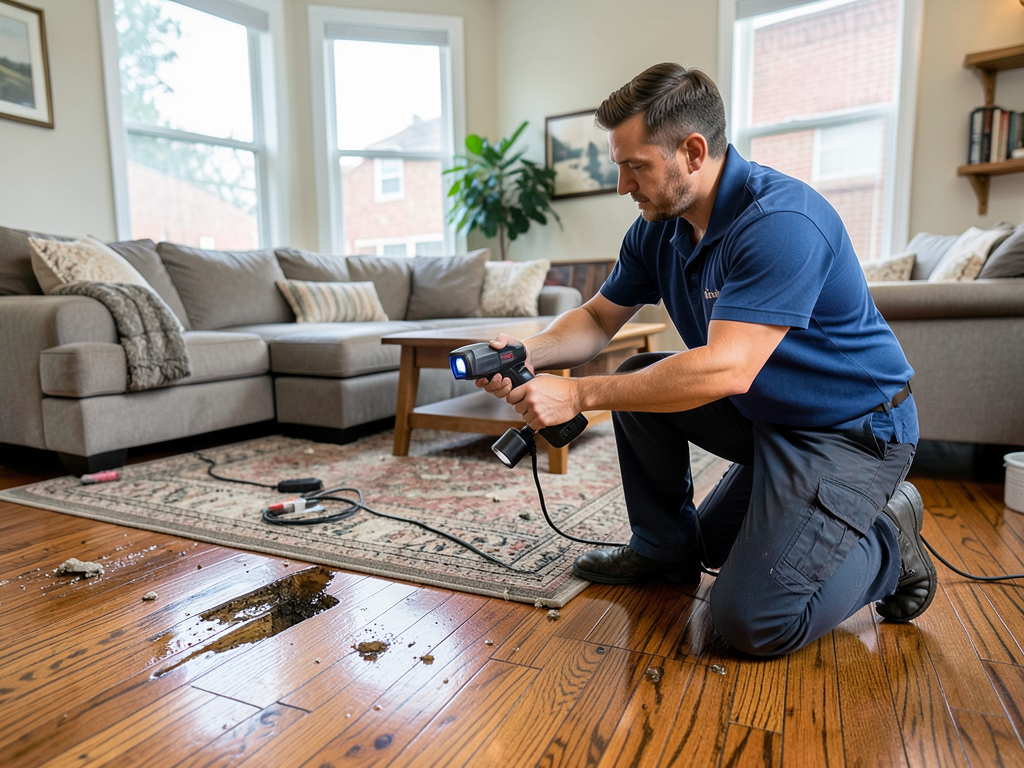
What to Do When Your Aquarium Seals Fail and Flood Your Living Room Floor When aquarium seals fail, Dallas homeowners face a unique water damage emergency. A standard 100-gallon glass tank holds over 800 pounds…
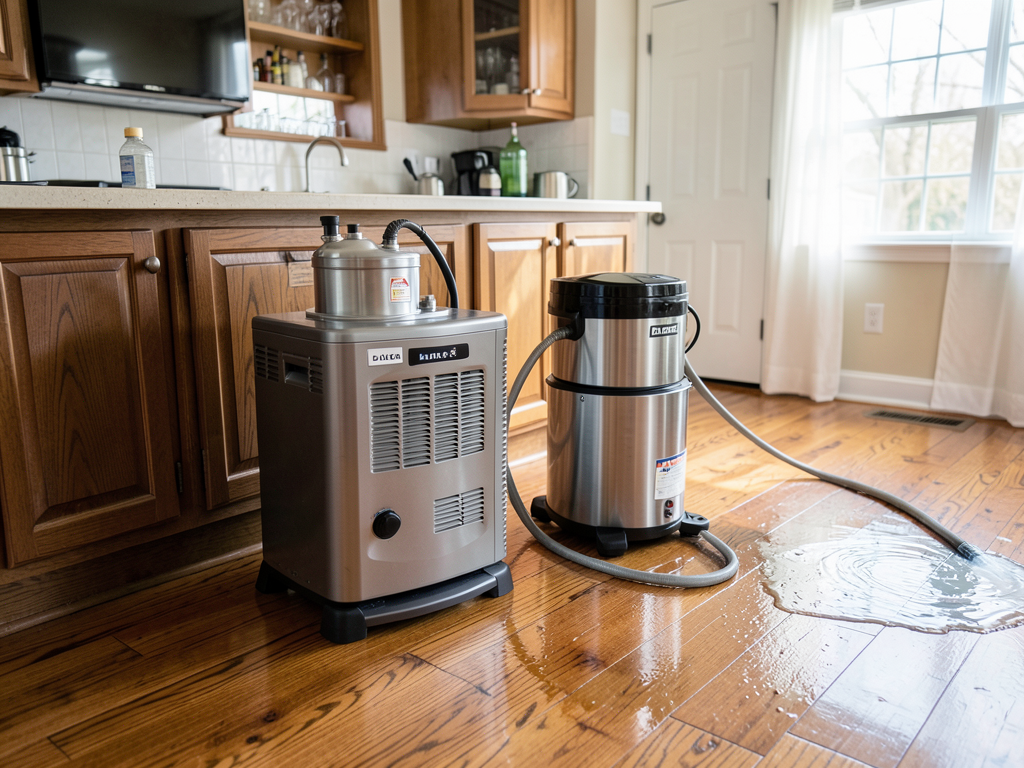
Fixing a Leaky Beer Tap or Kegerator Before it Destroys Your Dallas Man Cave A…
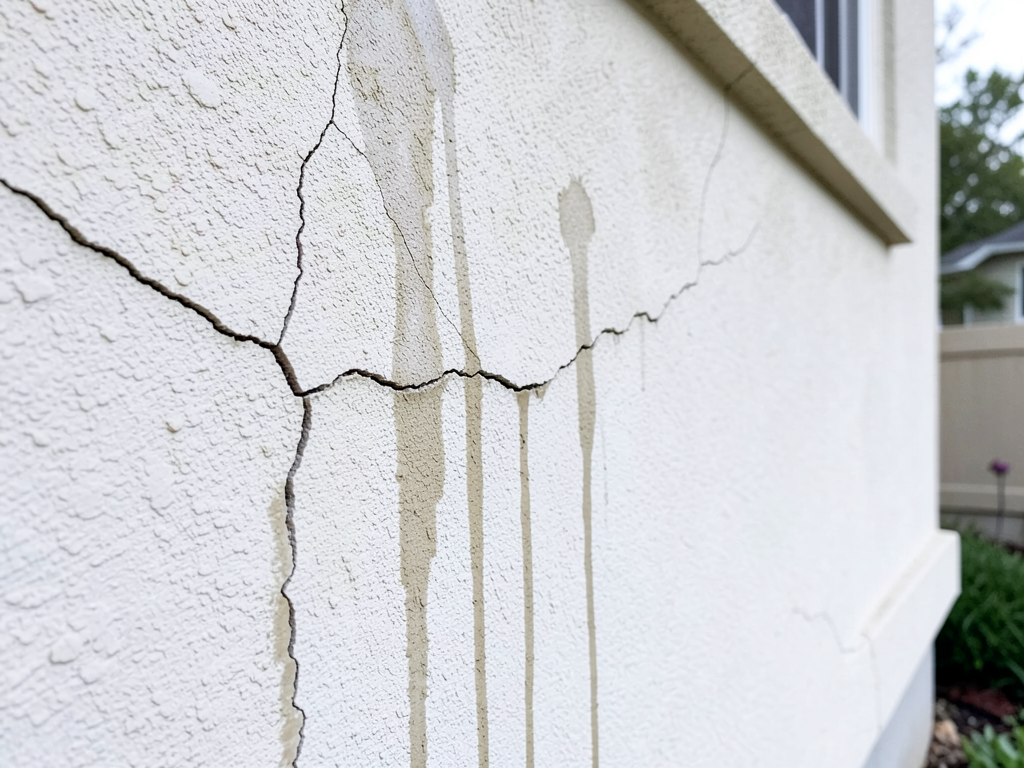
How Hairline Cracks in Your Stucco Exterior are Letting Water Into Your Preston Hollow Home…
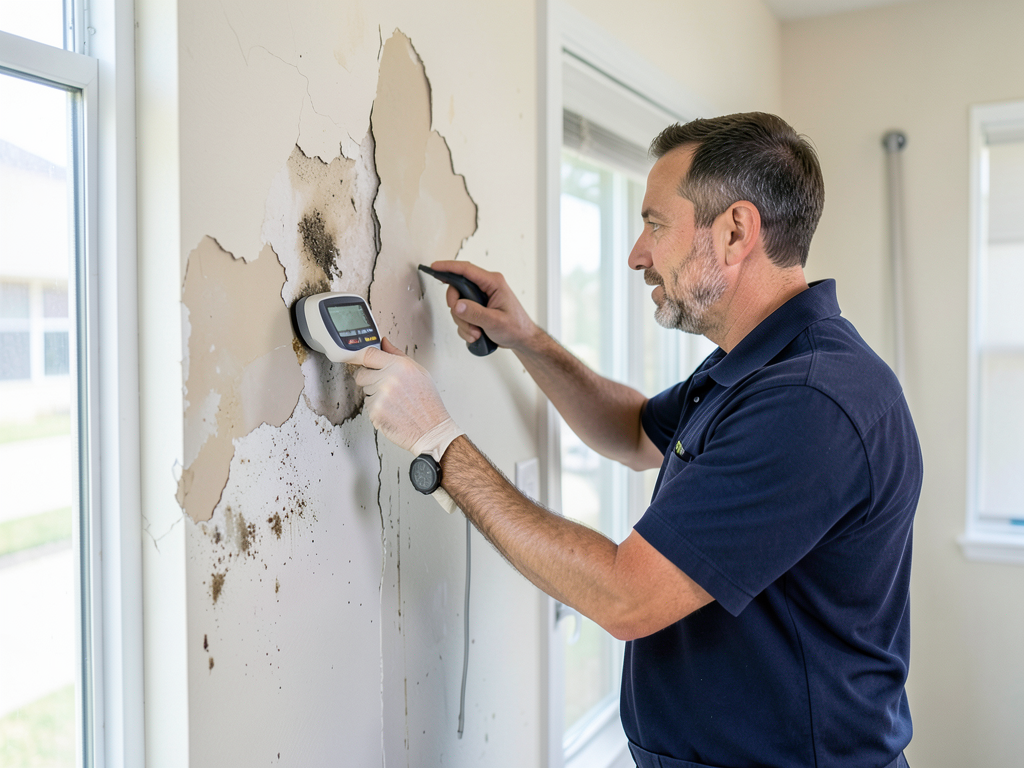
How the Dallas Heat Accelerates Mold Growth Within Just Hours of a Pipe Burst The…
Water damage spreads every minute you wait. Call Peak Water Damage Restoration Dallas now at (972) 886-5955 for 24/7 emergency response. Our crews arrive within 60 minutes with industrial extraction equipment and start stopping the damage immediately.