Menu

Swollen Baseboards & Trim in Dallas – Expert Diagnosis and Proper Repair Before Mold Takes Hold

When moisture swollen baseboards and warped baseboard molding appear in your Dallas home, you need a restoration team that understands the hidden water damage underneath and how to fix it permanently.

Slider Image 1
Slider Image 2
Slider Image 3
Slider Image 4
Slider Image 5
Slider Image 7
Slider Image 8
Slider Image 9
Slider Image 10
Slider Image 11

Why Dallas Homes Are Prone to Water Damaged Baseboards

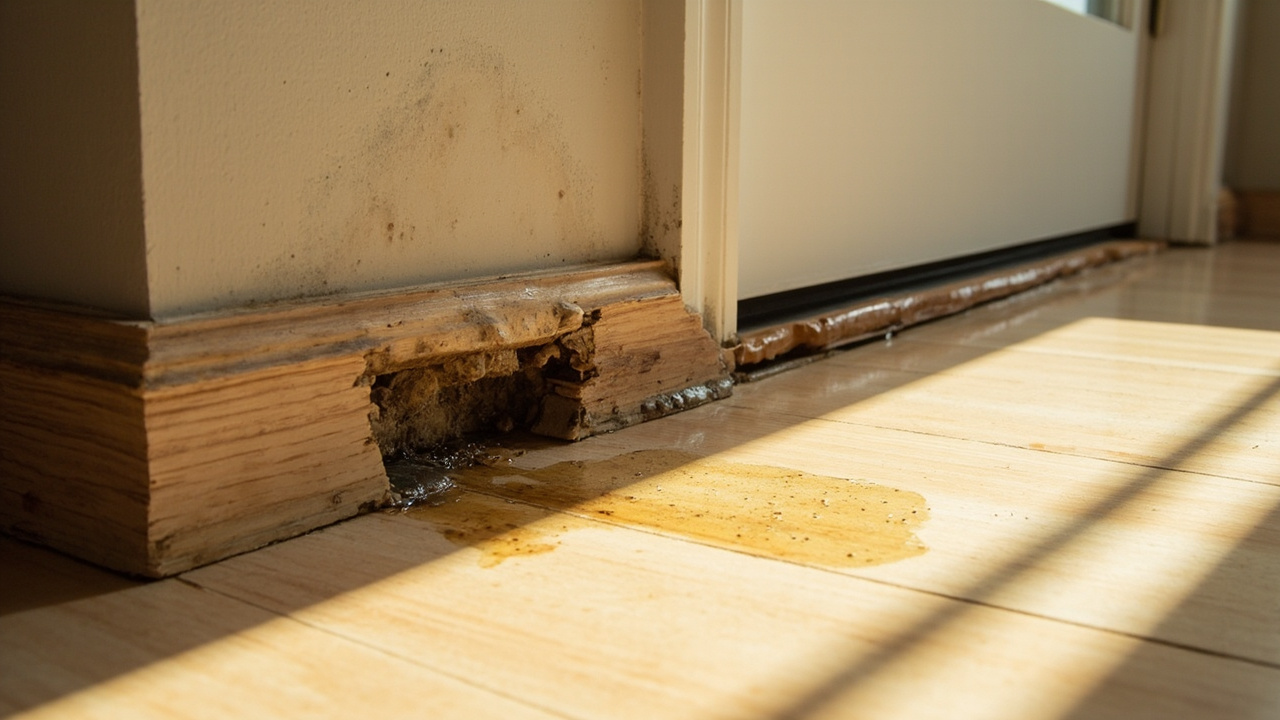
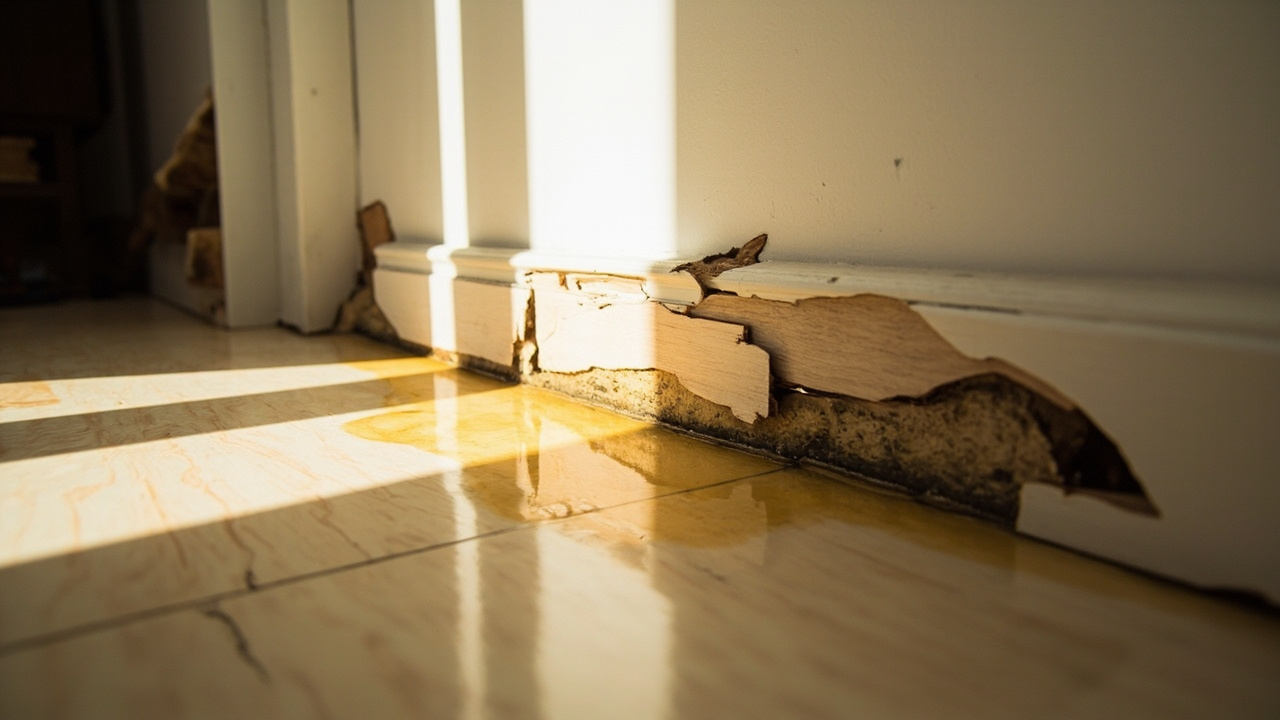
You notice it first along the bottom of your walls. The paint is bubbling. The trim feels soft when you press it. The baseboard has pulled away from the wall, leaving a gap. This is not a cosmetic issue. Swollen baseboards and trim are warning signs of active water intrusion.

Dallas sits on expansive clay soil that shifts dramatically between wet and dry cycles. When heavy rains saturate the ground, hydrostatic pressure forces water through foundation cracks and into your walls. When that moisture contacts MDF trim or wood baseboards, the damage is immediate. MDF absorbs water like a sponge. It expands, crumbles, and loses all structural integrity. Even solid wood trim will warp, buckle, and delaminate when exposed to persistent moisture.

Most homeowners assume the problem is the baseboard. The real problem is what caused the baseboard to swell. A hidden plumbing leak behind the wall. A failed vapor barrier in the crawl space. Condensation from poor attic ventilation dripping down through wall cavities. A cracked slab foundation that allows groundwater to wick up through concrete.

By the time you see bloated wood trim, water has been present for days or weeks. That timeline matters. After 48 hours of moisture exposure, mold begins colonizing porous materials like drywall, insulation, and wood framing. The swollen baseboard is the symptom. The hidden water source is the disease. Fixing one without addressing the other guarantees the problem returns.

You need a diagnostic approach, not a cosmetic repair.

Why Dallas Homes Are Prone to Water Damaged Baseboards
How We Locate the Water Source and Restore Your Trim

How We Locate the Water Source and Restore Your Trim

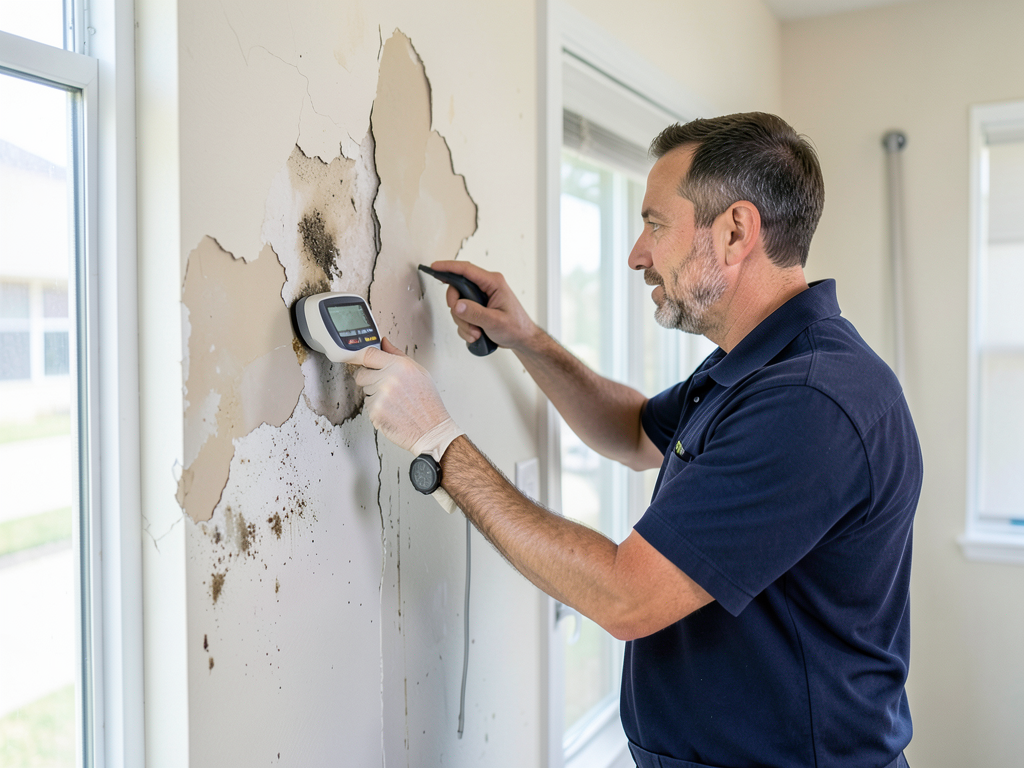
We do not just replace warped baseboard molding and call it done. That approach ignores the root cause and wastes your money. Our process starts with moisture mapping using thermal imaging cameras and non-invasive moisture meters. We scan the wall cavity behind the damaged trim to identify wet zones, trace the moisture path, and locate the entry point.

Once we find the source, we categorize the water. Clean water from a supply line requires different protocols than gray water from an appliance drain or black water from a sewage backup. We extract standing water using truck-mounted pumps, then remove all compromised building materials. Expanded MDF trim cannot be saved. It must be discarded. Wet drywall is cut back to dry framing. Soaked insulation is pulled and bagged.

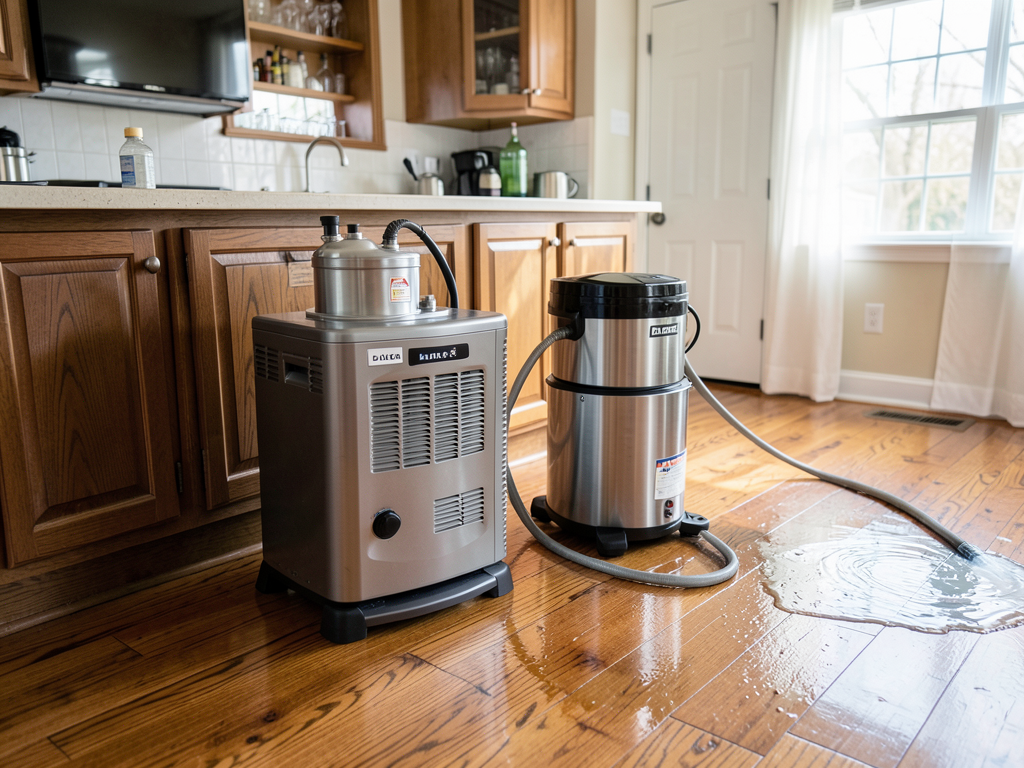
We deploy commercial-grade air movers and dehumidifiers to dry the structure to below 15 percent moisture content. This is the industry threshold for preventing microbial growth. We verify dryness with direct measurement, not guesswork. If mold is present, we contain the area with negative air pressure and remediate according to IICRC S520 standards.

After drying and remediation, we rebuild. We install moisture-resistant materials where appropriate. We use primed finger-joint pine or PVC trim in high-risk areas instead of MDF. We caulk seams, prime raw wood, and apply finish coats that resist future water contact. We address the drainage issue, the foundation crack, or the plumbing failure that caused the initial damage.

This is restorative repair, not patchwork.

What Happens When You Call Us About Swollen Trim

Swollen Baseboards & Trim in Dallas – Expert Diagnosis and Proper Repair Before Mold Takes Hold
01

Diagnostic Moisture Assessment

We arrive with thermal imaging and moisture detection equipment to scan your walls and floors. We map the extent of water intrusion, identify hidden wet zones, and trace the moisture back to its source. This step determines whether the issue is localized or systemic and guides all subsequent restoration decisions.
02

Controlled Drying and Remediation

We remove all compromised materials, extract standing water, and deploy industrial drying equipment to bring moisture levels below 15 percent. If mold is present, we establish containment barriers and perform remediation using HEPA filtration and antimicrobial treatments. We document moisture readings daily until the structure is verifiably dry.
03

Rebuild and Water Intrusion Repair

We replace damaged trim with moisture-resistant materials, repair the underlying water entry point, and restore your walls to pre-loss condition. We caulk, prime, and paint all new trim. We verify that the original cause, whether foundation crack or plumbing failure, has been corrected so the damage does not recur.

Why Dallas Homeowners Trust Liberty Water Damage Restoration Riverside

Dallas homes face unique structural challenges. The clay soil beneath your foundation expands when wet and contracts when dry. This constant movement creates foundation cracks and gaps around plumbing penetrations. Add in summer humidity, flash flooding from thunderstorms, and aging plumbing in older neighborhoods like Lakewood and Oak Cliff, and you have a perfect environment for water damaged baseboards.

We understand these conditions because we work in them every day. We know that homes built in the 1960s and 1970s often have cast iron drain lines that corrode and leak inside walls. We know that slab foundations in North Dallas frequently develop stress cracks along load-bearing walls. We know that inadequate grading around homes in East Dallas can channel rainwater directly against your foundation.

This local knowledge informs how we assess damage. When we see moisture swollen baseboards in a mid-century ranch home, we immediately check for slab leaks and inspect the condition of the cast iron stack. When we see warped baseboard molding in a two-story home near White Rock Lake, we check for roof leaks and attic condensation. We do not use a one-size-fits-all approach because Dallas homes do not present one-size-fits-all problems.

We also understand the insurance process. Most homeowners do not know that sudden and accidental water damage is typically covered, but long-term seepage is not. We document everything with photos, moisture readings, and detailed scope reports. We communicate directly with your adjuster to ensure your claim is processed correctly. We help you get what you are owed, not what the insurance company hopes you will accept.

You need a restoration company that knows Dallas homes, Dallas weather, and Dallas building codes. That is what we provide.

What You Can Expect When You Hire Us

Rapid Response and Assessment

We respond to calls within two hours. Water damage does not wait, and neither do we. Our technicians arrive with diagnostic equipment and begin moisture mapping immediately. You will know the extent of the damage, the likely cause, and the restoration plan before we leave your home. We provide written estimates and work directly with your insurance company to expedite approval. Speed matters because every hour of delay increases drying time, mold risk, and total repair cost.

Comprehensive Moisture Detection

We use thermal imaging cameras to visualize temperature differentials that indicate trapped moisture. We use pin-type and pinless moisture meters to measure water content in wood, drywall, and concrete. We do not guess. We measure. This diagnostic process identifies all affected areas, including hidden water pockets behind walls and under flooring. You will see exactly where the water is, how much is present, and what materials need removal or drying.

Complete Structural Restoration

We do not just dry your home and leave. We rebuild it. We replace all damaged trim, drywall, insulation, and flooring. We match textures, paint colors, and finish details so the repaired area blends seamlessly with the rest of your home. We use moisture-resistant materials in vulnerable areas to reduce the risk of future damage. The finished result looks and functions exactly as it did before the water event occurred.

Post-Restoration Monitoring

We provide a final walkthrough and moisture verification report after restoration is complete. We explain what caused the damage and what steps you can take to prevent recurrence. We offer maintenance recommendations and are available for follow-up inspections if you have concerns. Our work is backed by detailed documentation and clear communication. If an issue arises, we address it. You are not left guessing whether the problem is truly fixed.

Frequently Asked Questions

You Have Questions,
We Have Answers

How to fix a swollen baseboard? +

Remove the swollen baseboard carefully to avoid cracking the drywall. Locate the water source first, whether it's a leaking pipe, roof intrusion, or foundation seepage common in Dallas clay soil areas. Dry the wall cavity completely using fans and dehumidifiers for 48-72 hours. If the baseboard is MDF or particleboard, replacement is necessary because these materials do not recover once swollen. Solid wood baseboards may shrink back if dried slowly, but warping often remains. Sand any rough edges, prime, and repaint before reinstalling. Address the moisture source or swelling will return quickly.

What is the 7 rule for baseboards? +

The 7 rule states that baseboard height should equal roughly 7 percent of your ceiling height. For standard 8-foot ceilings common in Dallas homes, this means 5 to 7 inches of baseboard trim. Taller ceilings in newer construction or Historic Districts may require proportionally taller baseboards to maintain visual balance. This guideline prevents baseboards from looking too stubby or oversized. The rule applies to total height, including any cap molding. Older Dallas homes often feature taller baseboards, while modern builds lean minimal. Use the 7 rule as a starting point, then adjust based on room proportions.

Why do baseboards swell? +

Baseboards swell when moisture penetrates the material, causing wood fibers or composite particles to expand. Common causes in Dallas include plumbing leaks behind walls, foundation cracks allowing groundwater intrusion, or high indoor humidity during summer months. Clay soil expansion around foundations can crack slabs and allow moisture migration. Bathrooms and kitchens are frequent problem zones. MDF and particleboard baseboards absorb moisture faster than solid wood and swell more dramatically. Poor ventilation traps humidity near floor level. Even minor leaks ignored over time lead to significant swelling. The key is identifying the moisture pathway quickly before structural damage spreads.

How to tell if baseboard has water damage? +

Look for visible swelling where the baseboard appears puffy or distorted, especially at floor level. Check for discoloration, dark stains, or paint bubbling and peeling. Press the baseboard gently. Soft or spongy spots indicate moisture saturation. Warping where the board pulls away from the wall is a red flag. Smell for musty odors behind the trim. Use a moisture meter to confirm elevated readings above 15 percent. In Dallas homes, check baseboards in rooms near exterior walls, bathrooms, and areas with foundation issues. Water damage often starts small but spreads fast along the bottom plate.

Can mice squeeze under baseboards? +

Yes, mice can squeeze under baseboards if gaps exist between the trim and floor. Mice collapse their flexible skeletons to fit through openings as small as a quarter inch. Dallas homes with settling foundations or poorly installed baseboards create entry points. Gaps also form where flooring materials meet walls or around doorways. Mice follow walls while traveling, making baseboards a natural entry path. Check for droppings, gnaw marks, or greasy smudge trails along baseboard edges. Seal gaps with caulk, steel wool, or expanding foam rated for pest exclusion. Address foundation cracks and exterior entry points simultaneously for complete rodent control.

How to shrink swollen wood? +

You cannot reliably shrink swollen wood back to original dimensions. Allow the wood to dry slowly in a controlled environment with low humidity and good airflow. Do not use heat guns or forced hot air, which cause cracking and further warping. Natural air drying over several days works best. Solid hardwoods may recover partially, but MDF and particleboard remain permanently damaged. Even when dry, wood grain often stays raised and surfaces remain rough. Sanding can smooth minor swelling, but dimensional changes persist. In Dallas humidity, dried wood may re-swell seasonally. Replacement is the only guaranteed solution for severely swollen trim.

What are common baseboard installation mistakes? +

Common mistakes include failing to acclimate baseboards to indoor humidity before installation, causing expansion or shrinkage later. Not sealing the back of MDF baseboards leaves them vulnerable to moisture absorption through the wall. Using incorrect nail lengths allows trim to pull loose. Failing to caulk the top seam where baseboard meets drywall lets moisture penetrate. Cutting joints poorly creates visible gaps. Installing over uneven flooring leaves bottom gaps where pests and moisture enter. In Dallas, ignoring foundation movement means baseboards crack as walls shift. Skipping primer before painting reduces moisture resistance and shortens lifespan significantly.

What is the current trend for baseboards? +

Current trends favor taller baseboards in the 5 to 7 inch range with clean, simple profiles. Modern farmhouse and transitional styles dominate Dallas remodels, using flat or slightly detailed trim painted in crisp white or off-white. Minimalist designs skip ornate detailing found in older homes. Thicker baseboards around 3/4 inch create a substantial look. Some homeowners match baseboard color to walls for a seamless appearance. In Historic Districts, preserving original tall baseboards with traditional profiles remains important. Budget-conscious renovations use primed MDF, while high-end projects choose solid poplar or paint-grade hardwoods for durability and moisture resistance.

Should baseboards be flush with the floor? +

Baseboards should sit tight to the floor with minimal gaps, but not necessarily flush. A small expansion gap of 1/8 inch or less is acceptable and often hidden with caulk or quarter-round shoe molding. Perfectly flush installation is difficult on uneven floors common in older Dallas homes with settling foundations. The goal is a clean visual line. Gaps larger than 1/4 inch allow pest entry and look unfinished. If flooring was installed after baseboards, trim may sit slightly above floor level. Use shoe molding to bridge the gap. Seal all openings to block moisture, drafts, and rodents effectively.

Will a swollen wood floor go back to normal? +

A swollen wood floor may recover partially if dried quickly, but full recovery is unlikely. Solid hardwood has better chances than engineered or laminate flooring. Speed matters. Extract standing water immediately and run dehumidifiers for several days. Cupping and crowning may flatten as moisture leaves, but buckled boards often stay warped. In Dallas, high humidity slows drying and increases permanent damage risk. Floors exposed to water for more than 48 hours rarely return to normal. Subfloor damage complicates recovery. Professional water extraction and monitoring improve outcomes. Severe swelling typically requires board replacement or complete floor refinishing to restore appearance and function.

How Dallas Humidity and Clay Soil Drive Baseboard Swelling

Dallas experiences high humidity from May through September, with dew points regularly exceeding 70 degrees. This moisture-laden air condenses on cool surfaces inside your home, particularly in poorly ventilated crawl spaces and along exterior walls. When combined with the expansive clay soil that shifts beneath your foundation, you get chronic foundation movement and hairline cracks that allow groundwater to seep into your walls. That moisture contacts your baseboards, causing MDF trim to expand and solid wood to warp. The problem is structural and environmental, not just cosmetic.

Liberty Water Damage Restoration Riverside has restored hundreds of Dallas homes affected by foundation seepage, plumbing failures, and storm intrusion. We understand the building practices common in neighborhoods like Lakewood, Lake Highlands, and Oak Lawn. We know how older homes were constructed and where their weak points are. We work with local plumbers, foundation repair specialists, and roofing contractors to address the full scope of water intrusion. When you hire us, you are hiring a team that knows Dallas homes inside and out.
Water Damage Services in The Dallas Area

We are proud to serve the entire Dallas area and surrounding communities. Our strategically located office allows for quick and efficient dispatch of our teams to your location, ensuring a rapid response to your water damage emergency. View our service area on the map to see how we can assist you, and don't hesitate to contact us for immediate help no matter where you are.

Address:
Peak Water Damage Restoration Dallas, 3510 Ross Ave, Dallas, TX, 75204

Additional Services We Offer

Our news updates

Latest Articles & News from The Blogs

Fixing a Leaky Beer Tap or Kegerator Before it Destroys Your Dallas Man Cave A slow drip from your beer…

Fixing a Leaky Beer Tap or Kegerator Before it Destroys Your Dallas Man Cave

Fixing a Leaky Beer Tap or Kegerator Before it Destroys Your Dallas Man Cave A slow drip from your beer…

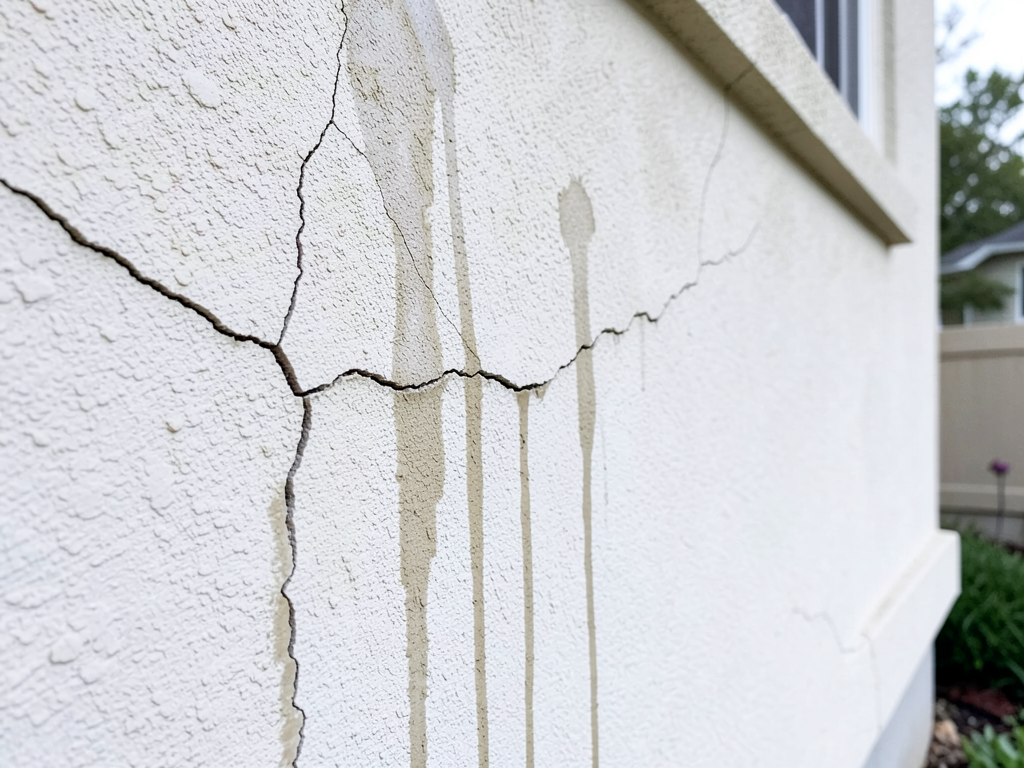
How Hairline Cracks in Your Stucco Exterior are Letting Water Into Your Preston Hollow Home

How Hairline Cracks in Your Stucco Exterior are Letting Water Into Your Preston Hollow Home Stucco cracks wider than a…

How the Dallas Heat Accelerates Mold Growth Within Just Hours of a Pipe Burst

How the Dallas Heat Accelerates Mold Growth Within Just Hours of a Pipe Burst The Dallas heat and humidity create…

Contact Us

Do not let swollen baseboards turn into a mold problem. Call Liberty Water Damage Restoration Riverside at (972) 886-5955 for a fast, no-cost moisture assessment. We will find the source, dry your home, and restore your trim the right way.