


University Park sits in the heart of Dallas County, where expansive clay soil creates constant foundation movement. When heavy rains saturate the ground, foundations shift and create entry points for water intrusion. The area receives an average of 39 inches of rain annually, with intense spring storms dumping multiple inches in hours. These downpours overwhelm aging sewer systems in neighborhoods near Snider Plaza and along Hillcrest Avenue, causing backflow events that flood basements and ground-floor living spaces.
The housing stock in University Park includes homes built between the 1920s and present day, many featuring partial basements uncommon in newer Dallas construction. These below-grade spaces act as collection points for groundwater seepage during wet seasons. Original cast iron plumbing in historic properties near SMU campus corrodes from the inside, leading to sudden pipe failures that release hundreds of gallons before homeowners notice. Air conditioning systems running seven months per year create condensation that saturates insulation and drywall when drain lines clog. University Park's mature tree canopy provides beauty but also drops leaves that pack gutters and redirect roof runoff straight into exterior walls.
We built our reputation in North Texas by showing up fast and finishing the job right. While other companies dispatch technicians from regional offices 30 miles away, our crews stage equipment throughout Dallas County for response times under 60 minutes. We arrive with truck-mounted extraction units, commercial dehumidifiers, and thermal cameras that detect moisture inside walls before it becomes visible mold.
Our restoration process follows IICRC S500 standards for water damage mitigation, not because insurance companies require it, but because cutting corners leads to callbacks and mold lawsuits. We document every step with moisture readings, photos, and detailed scope sheets that adjusters accept without argument. Most water damage companies subcontract the rebuild phase to general contractors who add markup and delays. We handle the entire restoration from water extraction through final paint, which means one crew, one timeline, and one point of contact.
University Park homeowners face unique restoration challenges. Properties near Preston Road and Mockingbird Lane feature custom millwork, hardwood floors, and plaster walls that require specialty drying techniques. We remove baseboards to access wall cavities, inject heated air to dry structural framing, and monitor progress with daily moisture mapping. When sewage backs up from overloaded municipal lines, we follow IICRC S520 protocols for category 3 water contamination, removing affected materials and applying antimicrobial treatments that protect your family.
Insurance companies trust our estimates because we itemize labor, materials, and equipment costs using Xactimate software they recognize. We bill directly to carriers when you assign benefits, eliminating the stress of fronting thousands in restoration costs while waiting for claim approval.

Our crews respond to University Park water emergencies within 60 minutes, 24 hours a day. We bring truck-mounted extraction equipment and commercial drying systems on the first visit, stopping damage progression immediately. Fast response prevents secondary damage that doubles repair costs.

We document water damage with detailed moisture mapping, thermal imaging, and photo evidence that adjusters accept without dispute. Our Xactimate estimates match insurance industry standards, and we bill carriers directly when you assign benefits. No out-of-pocket restoration costs while waiting for claim settlement.
Every technician on our crews holds current IICRC Water Damage Restoration certification. We follow industry protocols for extraction, structural drying, and antimicrobial treatment. Third-party certification means we apply proven science to your restoration, not trial and error methods that leave moisture behind.
We handle every phase from emergency water removal through final reconstruction. One crew completes your entire project without subcontractors who add delays and markup. University Park homes get restored faster with consistent quality and a single point of accountability throughout the process.
Water damage restoration requires different approaches based on contamination level, affected materials, and how long water has been present. Peak Water Damage Restoration Dallas provides the full spectrum of water removal services, from clean water extraction to hazardous sewage cleanup. Our crews assess moisture levels in structural cavities using pin-type and non-invasive meters, then design drying strategies specific to your property's construction and materials.
We deploy different equipment configurations based on water category and class. Clean water from supply line breaks receives basic extraction and dehumidification. Storm flooding that contacts soil requires antimicrobial treatment. Sewage backups demand removal of porous materials and HEPA air filtration during remediation. University Park properties built before 1980 often contain plaster walls and solid hardwood floors that require specialty drying techniques not used on modern construction. We adjust our water damage mitigation methods to match your home's specific materials and contamination level, following restoration protocols that prevent mold growth and structural failure.
Standing water causes exponential damage with each passing hour. Our truck-mounted extraction units remove thousands of gallons quickly, then commercial dehumidifiers and air movers dry structural framing, insulation, and subfloors. We monitor moisture levels daily until materials return to dry standard, preventing mold growth and wood rot. Emergency water extraction stops damage progression and reduces total restoration costs by addressing problems immediately.
Sewage contains bacteria, viruses, and parasites that create serious health hazards. We remove contaminated materials following IICRC S520 standards, apply EPA-registered antimicrobials to remaining surfaces, and run HEPA air scrubbers during remediation. Our crews wear protective equipment and contain work areas to prevent cross-contamination. Sewage cleanup requires specialized training and equipment that standard water damage companies lack.
North Texas storms dump intense rainfall that overwhelms drainage systems and floods homes. We respond to storm flooding with complete water damage remediation from extraction through reconstruction. Our process includes moisture mapping, thermal imaging to detect hidden saturation, controlled demolition of affected materials, structural drying, and rebuild. Storm floodwater contacts soil and carries contaminants that require antimicrobial treatment and careful material evaluation.
University Park's combination of aging infrastructure, clay soil foundation movement, and intense weather creates specific water damage vulnerabilities. Homes near SMU campus and along Hillcrest Avenue experience different problems than newer construction near Preston Road. Understanding these common issues helps homeowners recognize early warning signs before minor leaks become major restoration projects.
The expansive clay soil throughout Dallas County shrinks during dry periods and swells when saturated, creating continuous foundation movement. This shifting cracks slab foundations and separates pier and beam structures from support points, opening gaps where water enters. Original cast iron drain lines corrode from inside, developing pinhole leaks that spray water into wall cavities for weeks before visible damage appears. Air conditioning condensate drain pans overflow when lines clog with algae, dumping gallons daily into ceilings and insulation. These problems compound in University Park's older housing stock where maintenance has been deferred or original plumbing reaches end of service life.
Copper supply lines embedded in concrete slabs corrode over decades from soil chemistry and foundation movement. Pinhole leaks spray water under pressure into the ground beneath your foundation, creating voids that cause additional settling. Slab leaks waste thousands of gallons monthly, increase water bills, and damage flooring from moisture wicking upward through concrete.
Air conditioning systems in University Park run hard from April through October, producing gallons of condensation daily. When drain lines clog with algae or disconnect from vibration, overflow water saturates attic insulation and drywall ceilings. This hidden damage grows mold colonies and rots framing before visible ceiling stains alert homeowners to the problem.
Rubber washing machine hoses deteriorate after five years, developing cracks that spray water at main line pressure. Failures flood laundry rooms and spread through wall cavities into adjacent spaces. Second-floor laundry rooms in University Park homes cause ceiling damage to first-floor living areas when supply lines burst during wash cycles.
North Texas storms produce wind-driven rain that penetrates window seals and frames. Older windows in historic University Park homes lack modern flashing and weather barriers, allowing water to enter wall cavities during severe weather. This hidden moisture saturates insulation and framing, creating mold growth that goes undetected until musty odors develop months later.
Water damage creates stress and confusion. You need clear answers about what happens next, how long restoration takes, and what it costs. Our process eliminates uncertainty with immediate response, transparent communication, and detailed documentation at every phase.
When you call our emergency line, you speak directly with a restoration technician who asks specific questions about your water damage. We need to know the water source, how long it has been present, and which areas are affected. This information determines which equipment we bring and which crew responds. We give you an accurate arrival time and call when we are 10 minutes away. Most University Park water damage calls receive response within 60 minutes.
Our technician arrives with extraction equipment, moisture detection tools, and photo documentation devices. The initial assessment takes 20 to 30 minutes and results in a detailed scope of work with moisture mapping and equipment placement plan. We explain what needs to happen immediately to stop damage progression versus what can wait for insurance approval. You receive written documentation, photos, and moisture readings before we begin work. This transparency helps you make informed decisions and provides evidence for insurance claims.
Our first priority is stopping active water damage. We locate and shut off water sources, extract standing water, and place emergency drying equipment. This initial stabilization happens before discussing costs or insurance because further delay multiplies damage. You receive a detailed written assessment with moisture readings, affected areas, and recommended restoration scope within the first hour of our arrival.
We provide daily updates during active drying phases, including moisture readings that show progress. Our project manager explains each phase before it begins and answers questions about timeline and costs. You receive photos documenting each step for your records and insurance claim. We respond to calls and texts within two hours during business days, faster during active emergencies.
Insurance companies require specific documentation to approve water damage claims. We provide detailed moisture maps, equipment logs, photo evidence, and Xactimate estimates that adjusters recognize and accept. Our documentation includes pre-loss condition assessments, daily progress reports, and final verification that materials have returned to dry standard. This thoroughness prevents claim disputes and speeds approval.
We follow a systematic approach that addresses immediate threats first, then methodically dries and restores your property. This process has been refined through thousands of restoration projects across North Texas.
Our truck-mounted extraction units remove standing water within minutes of arrival. We extract from carpets, tile, and hard surfaces using weighted wands that pull water from backing and padding. Removing bulk water quickly prevents wicking into walls and reduces drying time by days. Our extraction equipment recovers hundreds of gallons per minute, clearing flooded areas fast.
We place commercial dehumidifiers and air movers to create controlled drying conditions inside your home. Dehumidifiers remove moisture from air while air movers accelerate evaporation from wet surfaces and within wall cavities. We monitor moisture levels daily using pin-type and thermal imaging meters, adjusting equipment placement as materials dry. Most structures reach dry standard in three to five days.
After structures return to dry standard, we begin restoration. This includes replacing removed drywall, reinstalling baseboards, retexturing, and painting. We match existing finishes and materials so repaired areas blend seamlessly with original construction. Our crews handle the complete rebuild without subcontractors, giving you faster completion and consistent quality from emergency response through final walkthrough.
Professional water damage restoration follows specific industry standards developed by the Institute of Inspection Cleaning and Restoration Certification. The IICRC S500 standard establishes protocols for water damage mitigation based on water category and class. Category 1 water originates from sanitary sources like supply lines and requires basic extraction and drying. Category 2 water contains contamination from appliance discharge or toilet overflow with urine, requiring antimicrobial treatment. Category 3 water includes sewage, flooding from rivers or ground surface water, and any water that has remained stagnant for more than 72 hours. This contaminated water requires removal of porous materials and thorough disinfection of remaining surfaces.
Water damage class describes the rate of evaporation based on affected materials and room contents. Class 1 affects minimal porous materials with slow evaporation. Class 2 involves significant wetting of carpet, cushions, and walls up to 24 inches. Class 3 indicates water intrusion from overhead affecting walls, ceilings, insulation, and sub-floors. Class 4 involves specialty drying situations for materials with very low porosity like hardwood, plaster, or concrete. University Park properties often present Class 3 and Class 4 situations due to construction methods and materials common in homes built before 1980.
Proper restoration requires calculating the right number and type of dehumidifiers based on cubic footage, affected materials, and outdoor humidity. We follow psychrometric calculations to design drying systems that create vapor pressure differences between wet materials and surrounding air. Texas summers with outdoor humidity above 70 percent require sealed drying environments with dedicated dehumidification to achieve proper drying conditions. Insufficient equipment or premature removal leads to secondary damage and mold growth within wall cavities.
The IICRC S500 standard defines restoration procedures based on water category and damage class. These protocols determine which materials require removal versus drying in place, appropriate antimicrobial treatments, and verification methods to confirm successful restoration. Following these standards protects property values and prevents liability from incomplete drying.
Water damage restoration costs depend on water category, square footage affected, materials involved, and drying complexity. Category 3 sewage cleanup costs more than clean water extraction due to biohazard protocols and material removal requirements. Class 4 specialty drying for hardwood or plaster adds equipment time and labor compared to standard carpet drying.
Most residential water damage reaches dry standard in three to five days with proper equipment placement. Factors that extend drying include outdoor humidity levels, dense materials like plaster walls, and restricted airflow in closed wall cavities. We verify drying with moisture meter readings, not visual inspection, before removing equipment.
Texas Department of Insurance requires water damage restoration contractors to document procedures, maintain equipment calibration records, and provide itemized estimates. Insurance companies expect moisture mapping, photo documentation, and daily logs showing drying progress. Proper documentation speeds claim approval and reduces disputes over scope and cost.
This video covers professional water damage restoration services in University Park TX, explaining emergency water removal procedures, structural drying protocols, and restoration timelines. Peak Water Damage Restoration Dallas discusses common water damage causes in University Park homes, including foundation slab leaks, AC condensate failures, and storm flooding. The video explains IICRC restoration standards, water damage categories, and why rapid response prevents secondary damage and mold growth in North Texas properties.
Peak Water Damage Restoration Dallas serves the entire University Park area with rapid response times and intimate knowledge of local construction characteristics. Properties in the Caruth Terrace neighborhood near SMU campus feature pier and beam foundations common to homes built in the 1920s and 1930s, requiring different moisture mitigation approaches than slab-on-grade construction found in newer sections near Preston Road. The Old University Park Historic District contains homes with original plaster walls and hardwood floors that demand specialty drying techniques to prevent irreversible damage to these period materials.
We respond quickly to water damage emergencies throughout the Preston Hollow area, where recent construction includes modern materials but faces the same foundation movement challenges from expansive Dallas clay soil. Homes along Lovers Lane and in the Bradfield neighborhood experience water intrusion during severe thunderstorms when intense rainfall overwhelms municipal drainage systems, creating temporary flooding that enters through foundation penetrations and garage entries. Our crews understand these recurring problem areas and respond with appropriate extraction equipment and drying strategies.
The Town of Highland Park sits adjacent to University Park and shares similar water damage vulnerabilities. We serve both communities from our Dallas County location, providing consistent response times under 60 minutes. Properties near Mockingbird Lane and along Hillcrest Avenue contact us for sewage backup cleanup when aging municipal sewer lines reach capacity during heavy rain events. These category 3 water contamination situations require immediate response and specialized remediation that prevents health hazards and permanent damage.
North Dallas properties in the Lake Highlands area and throughout Richardson also receive our complete water damage restoration services. This expanded service area includes homes built across eight decades, from historic properties requiring delicate restoration to modern construction with complex HVAC systems prone to condensate drain failures. We maintain equipment staging throughout Dallas County to ensure rapid response regardless of location. Whether water damage strikes at 2 AM on a weekend or during a weekday afternoon, University Park residents get the same fast dispatch and professional restoration that has built our reputation across North Texas.
Most restoration crews in University Park aim to reach your property within 60 to 90 minutes of your call. Many companies offer 24/7 emergency response because water damage worsens quickly. Response time depends on current demand, weather conditions, and your exact location within University Park. Companies prioritize emergency calls based on severity. Standing water and active flooding typically get faster response than slow leaks. When you call, ask for an estimated arrival time and get the technician's direct contact information for updates.
Coverage depends on your specific policy and the water source. Most homeowners insurance in University Park covers sudden, accidental damage like burst pipes or appliance failures. Policies typically exclude gradual damage from neglect, flooding from outside sources, and sewer backups unless you have specific riders. Review your policy declarations page to understand your coverage limits and deductibles. Contact your insurance agent before restoration work begins to confirm what your policy covers. Document all damage with photos and keep receipts for temporary repairs.
Minor water damage takes 3 to 5 days for drying and basic repairs. Moderate damage affecting multiple rooms needs 1 to 2 weeks. Extensive damage requiring structural repairs and reconstruction takes 4 to 8 weeks. Your timeline depends on water category, affected materials, humidity levels, and repair complexity. Drying alone takes 3 to 5 days with professional equipment. Add time for demolition, repairs, and final restoration. Insurance approval processes sometimes extend timelines. Weather conditions in University Park affect drying times, especially during humid summer months.
Most restoration crews in University Park aim to reach your property within 60 to 90 minutes of your call. Many companies offer 24/7 emergency response because water damage worsens quickly. Response time depends on current demand, weather conditions, and your exact location within University Park. Companies prioritize emergency calls based on severity. Standing water and active flooding typically get faster response than slow leaks. When you call, ask for an estimated arrival time and get the technician's direct contact information for updates.
Coverage depends on your specific policy and the water source. Most homeowners insurance in University Park covers sudden, accidental damage like burst pipes or appliance failures. Policies typically exclude gradual damage from neglect, flooding from outside sources, and sewer backups unless you have specific riders. Review your policy declarations page to understand your coverage limits and deductibles. Contact your insurance agent before restoration work begins to confirm what your policy covers. Document all damage with photos and keep receipts for temporary repairs.
Minor water damage takes 3 to 5 days for drying and basic repairs. Moderate damage affecting multiple rooms needs 1 to 2 weeks. Extensive damage requiring structural repairs and reconstruction takes 4 to 8 weeks. Your timeline depends on water category, affected materials, humidity levels, and repair complexity. Drying alone takes 3 to 5 days with professional equipment. Add time for demolition, repairs, and final restoration. Insurance approval processes sometimes extend timelines. Weather conditions in University Park affect drying times, especially during humid summer months.
Professionals use thermal imaging cameras to spot temperature differences indicating moisture behind walls and ceilings. Moisture meters with pins or sensors measure exact moisture levels in drywall, wood, and insulation. These tools detect wet areas invisible to the naked eye. Technicians create moisture maps showing affected zones throughout your home. They check readings daily during drying to track progress. Some companies use acoustic sensors to detect water movement inside walls. This technology prevents unnecessary demolition by pinpointing exact problem areas before cutting into structures.
You can often stay home during water damage restoration if the affected area is small and isolated. Large projects affecting multiple rooms or requiring extensive demolition make staying uncomfortable or unsafe. Air quality concerns from mold or contaminated water may require temporary relocation. Noise from industrial fans and dehumidifiers runs continuously, making sleep difficult. If electricity or water gets shut off for repairs, staying becomes impractical. Your restoration company will assess safety and recommend whether you should stay or leave based on your specific situation.
Look for IICRC certification, the industry standard for water damage restoration. Institute of Inspection, Cleaning and Restoration Certification shows technicians completed proper training. WRT (Water Damage Restoration Technician) and AMRT (Applied Microbial Remediation Technician) certifications demonstrate expertise. Companies should hold proper business credentials for operating in University Park. Ask about lead-safe certifications if your home was built before 1978. Experience matters as much as certifications. Request references from recent University Park projects similar to yours. Verify the company maintains proper equipment and follows current industry standards.
Restoration companies address existing mold through containment, removal, and prevention. Technicians isolate affected areas with plastic sheeting to prevent spore spread. They remove contaminated materials like drywall and insulation following proper protocols. HEPA air scrubbers filter airborne spores during removal. Companies treat surfaces with antimicrobial solutions. Prevention focuses on thorough drying within 24 to 48 hours to stop new mold growth. Dehumidifiers and air movers eliminate moisture supporting mold. Technicians monitor humidity levels and moisture readings throughout restoration. Separate mold remediation specialists handle extensive growth beyond surface contamination.
Water mitigation stops damage from spreading and includes emergency response, water extraction, and initial drying. Mitigation happens within the first 24 to 48 hours after water damage occurs. Full restoration includes all mitigation steps plus repairs, reconstruction, and returning your home to pre-damage condition. Restoration involves replacing drywall, flooring, painting, and rebuilding damaged structures. You need both services for complete recovery. Some companies handle mitigation and restoration, while others specialize in one. Mitigation prevents further loss. Restoration makes your home livable again. Insurance often covers both phases separately.
Yes, most restoration companies in University Park communicate directly with insurance adjusters to streamline claims. They provide detailed documentation, photos, moisture readings, and scope of work to support your claim. Companies submit estimates using insurance industry software like Xactimate. Direct billing arrangements mean the company receives payment directly from your insurer after you pay your deductible. This coordination reduces your paperwork and speeds up approval. The company explains coverage gaps and what your policy includes. You remain responsible for your claim, but professional documentation strengthens your case with the insurance company.
Emergency water extraction pricing varies by water volume, affected area size, and damage severity. Your specific situation determines the final amount. Factors include square footage, water category, accessibility, and time of day. Weekend and after-hours emergencies sometimes carry different rates. Most companies provide free inspections and quotes before starting work. Get written estimates from multiple University Park providers. Insurance often covers emergency extraction under your policy. Ask about payment plans if paying out of pocket. Focus on response speed and reputation rather than finding the lowest quote for emergency services.
Professionals use thermal imaging cameras to spot temperature differences indicating moisture behind walls and ceilings. Moisture meters with pins or sensors measure exact moisture levels in drywall, wood, and insulation. These tools detect wet areas invisible to the naked eye. Technicians create moisture maps showing affected zones throughout your home. They check readings daily during drying to track progress. Some companies use acoustic sensors to detect water movement inside walls. This technology prevents unnecessary demolition by pinpointing exact problem areas before cutting into structures.
You can often stay home during water damage restoration if the affected area is small and isolated. Large projects affecting multiple rooms or requiring extensive demolition make staying uncomfortable or unsafe. Air quality concerns from mold or contaminated water may require temporary relocation. Noise from industrial fans and dehumidifiers runs continuously, making sleep difficult. If electricity or water gets shut off for repairs, staying becomes impractical. Your restoration company will assess safety and recommend whether you should stay or leave based on your specific situation.
Look for IICRC certification, the industry standard for water damage restoration. Institute of Inspection, Cleaning and Restoration Certification shows technicians completed proper training. WRT (Water Damage Restoration Technician) and AMRT (Applied Microbial Remediation Technician) certifications demonstrate expertise. Companies should hold proper business credentials for operating in University Park. Ask about lead-safe certifications if your home was built before 1978. Experience matters as much as certifications. Request references from recent University Park projects similar to yours. Verify the company maintains proper equipment and follows current industry standards.
Restoration companies address existing mold through containment, removal, and prevention. Technicians isolate affected areas with plastic sheeting to prevent spore spread. They remove contaminated materials like drywall and insulation following proper protocols. HEPA air scrubbers filter airborne spores during removal. Companies treat surfaces with antimicrobial solutions. Prevention focuses on thorough drying within 24 to 48 hours to stop new mold growth. Dehumidifiers and air movers eliminate moisture supporting mold. Technicians monitor humidity levels and moisture readings throughout restoration. Separate mold remediation specialists handle extensive growth beyond surface contamination.
Water mitigation stops damage from spreading and includes emergency response, water extraction, and initial drying. Mitigation happens within the first 24 to 48 hours after water damage occurs. Full restoration includes all mitigation steps plus repairs, reconstruction, and returning your home to pre-damage condition. Restoration involves replacing drywall, flooring, painting, and rebuilding damaged structures. You need both services for complete recovery. Some companies handle mitigation and restoration, while others specialize in one. Mitigation prevents further loss. Restoration makes your home livable again. Insurance often covers both phases separately.
Yes, most restoration companies in University Park communicate directly with insurance adjusters to streamline claims. They provide detailed documentation, photos, moisture readings, and scope of work to support your claim. Companies submit estimates using insurance industry software like Xactimate. Direct billing arrangements mean the company receives payment directly from your insurer after you pay your deductible. This coordination reduces your paperwork and speeds up approval. The company explains coverage gaps and what your policy includes. You remain responsible for your claim, but professional documentation strengthens your case with the insurance company.
Emergency water extraction pricing varies by water volume, affected area size, and damage severity. Your specific situation determines the final amount. Factors include square footage, water category, accessibility, and time of day. Weekend and after-hours emergencies sometimes carry different rates. Most companies provide free inspections and quotes before starting work. Get written estimates from multiple University Park providers. Insurance often covers emergency extraction under your policy. Ask about payment plans if paying out of pocket. Focus on response speed and reputation rather than finding the lowest quote for emergency services.
We are proud to serve the entire Dallas area and surrounding communities. Our strategically located office allows for quick and efficient dispatch of our teams to your location, ensuring a rapid response to your water damage emergency. View our service area on the map to see how we can assist you, and don't hesitate to contact us for immediate help no matter where you are.
Address:
University Park, TX, 75225
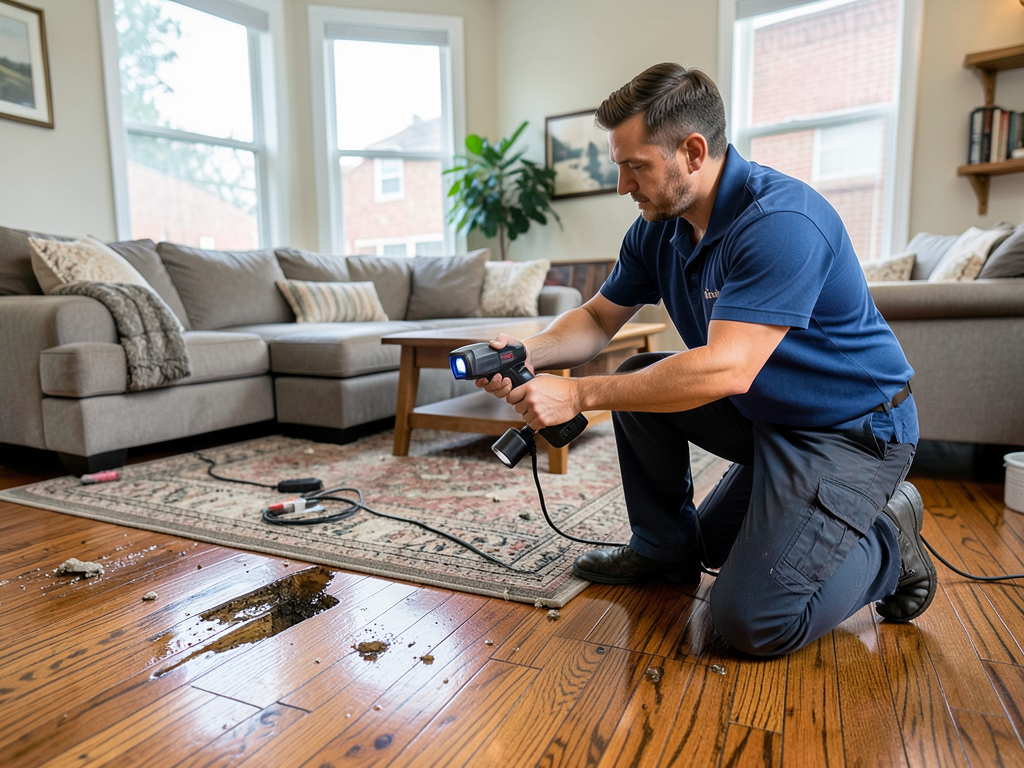
What to Do When Your Aquarium Seals Fail and Flood Your Living Room Floor When aquarium seals fail, Dallas homeowners face a unique water damage emergency. A standard 100-gallon glass tank holds over 800 pounds…
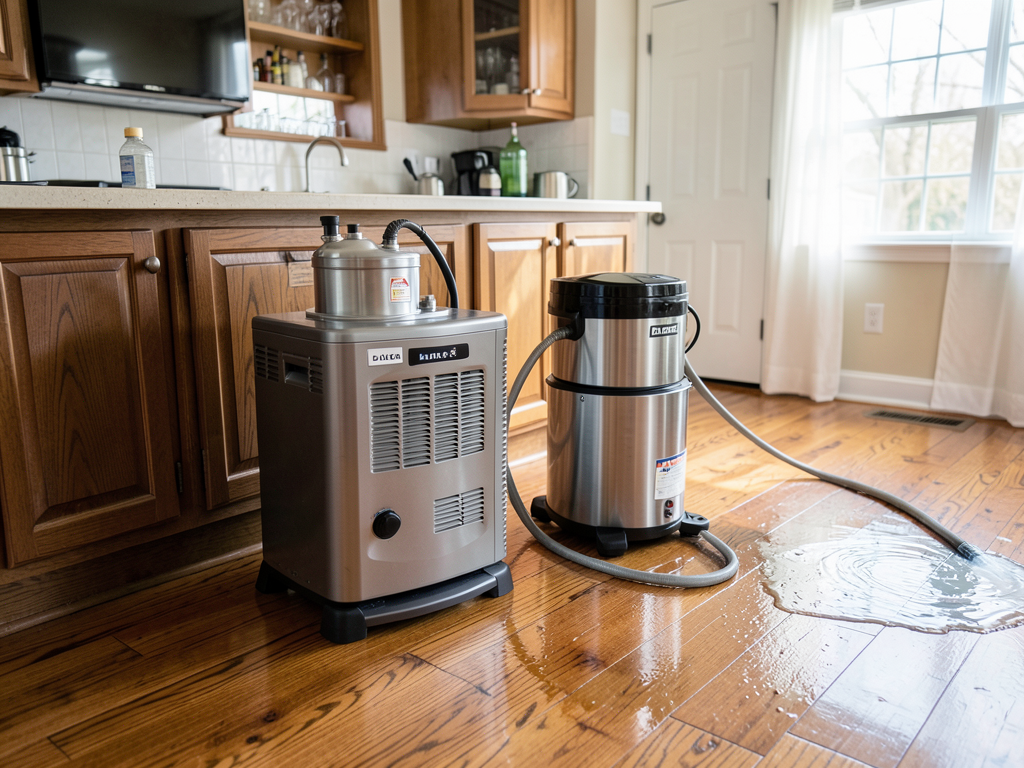
Fixing a Leaky Beer Tap or Kegerator Before it Destroys Your Dallas Man Cave A…
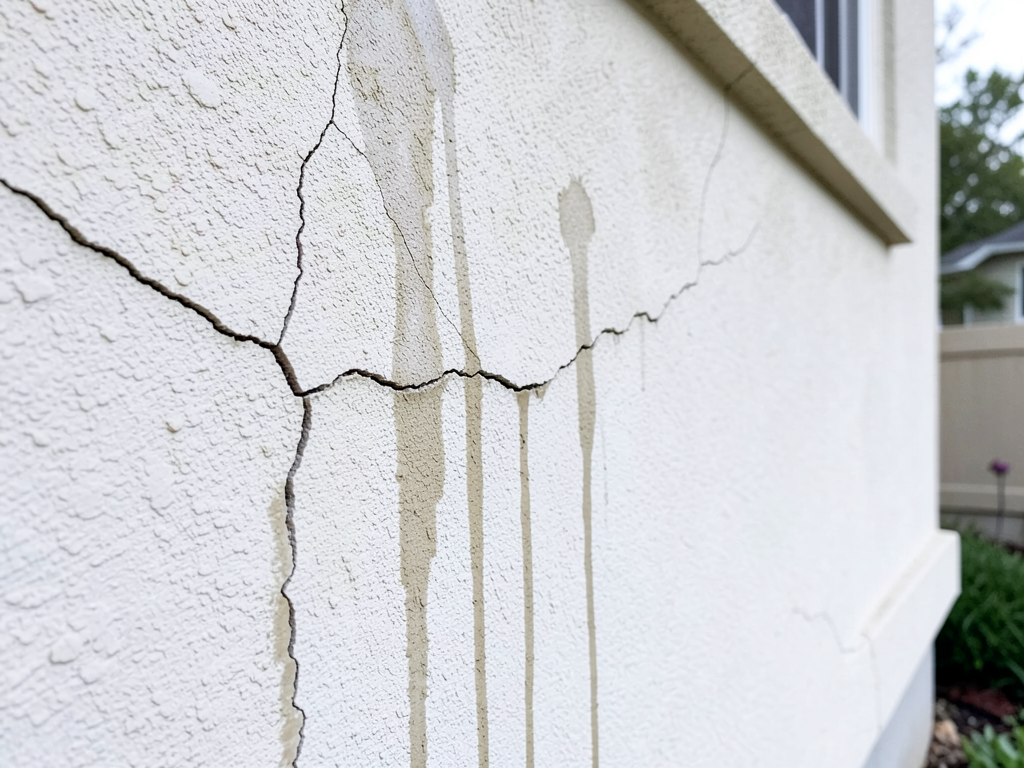
How Hairline Cracks in Your Stucco Exterior are Letting Water Into Your Preston Hollow Home…
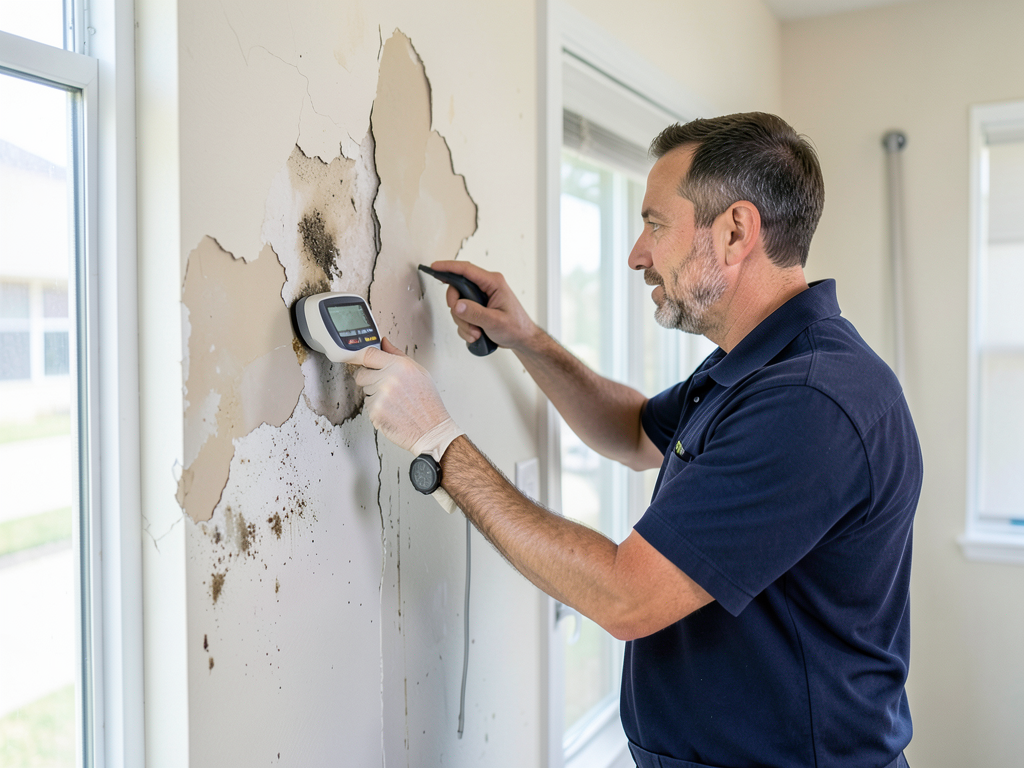
How the Dallas Heat Accelerates Mold Growth Within Just Hours of a Pipe Burst The…
Every hour increases damage and restoration costs. Our crews respond to University Park water emergencies 24 hours a day with extraction equipment and commercial drying systems. Call Peak Water Damage Restoration Dallas now at (972) 886-5955 for immediate dispatch and stop the damage before it spreads.