Menu

Fire Damage Safety Checklist in Dallas – Expert Guide to Post-Fire Hazard Assessment and Recovery Protocols

Navigate the critical 24 to 72 hours after fire damage with our comprehensive fire damage safety checklist, specifically designed for Dallas properties facing smoke residue, structural compromise, and hidden water damage from firefighting efforts.

Slider Image 1
Slider Image 2
Slider Image 3
Slider Image 4
Slider Image 5
Slider Image 7
Slider Image 8
Slider Image 9
Slider Image 10
Slider Image 11

Why Post-Fire Safety Protocols Matter More in Dallas

You survived the fire. Now comes the dangerous part most Dallas property owners miss.

The aftermath of a fire creates hazards that linger for days or weeks. Soot contains toxic compounds that off-gas in Dallas's humid summer air. Structural damage from flames weakens load-bearing walls, especially in older Dallas homes built with lumber susceptible to rapid charring. Firefighting water seeps into wall cavities and beneath flooring, creating secondary water damage that breeds mold within 48 hours in our subtropical climate.

Dallas Fire-Rescue extinguishes the flames, but they cannot identify compromised electrical systems, hidden hot spots in attic spaces, or water-saturated insulation inside your walls. These threats require a methodical post-fire safety protocol before you step back inside.

After fire safety precautions are not optional in Dallas. Our clay soil creates foundation movement that fire damage can exacerbate. Heat compromises rebar and concrete in ways invisible to the untrained eye. The combination of fire, water, and structural stress creates a uniquely hazardous environment.

A fire recovery safety guide tailored to Dallas properties accounts for these local factors. You need to know what to check, what to avoid, and when to call professionals. Standing water from fire hoses mixed with ash creates caustic runoff that damages HVAC systems and corrodes metal fixtures. Smoke residue etches glass and penetrates porous surfaces like drywall and insulation.

The post-fire hazard checklist starts the moment the fire department clears the scene. What you do in the next 24 hours determines whether you face minor restoration or complete reconstruction.

Why Post-Fire Safety Protocols Matter More in Dallas
The Science Behind Effective Post-Fire Safety Assessment

The Science Behind Effective Post-Fire Safety Assessment

Post-fire safety steps follow a hierarchy based on threat level and time sensitivity.

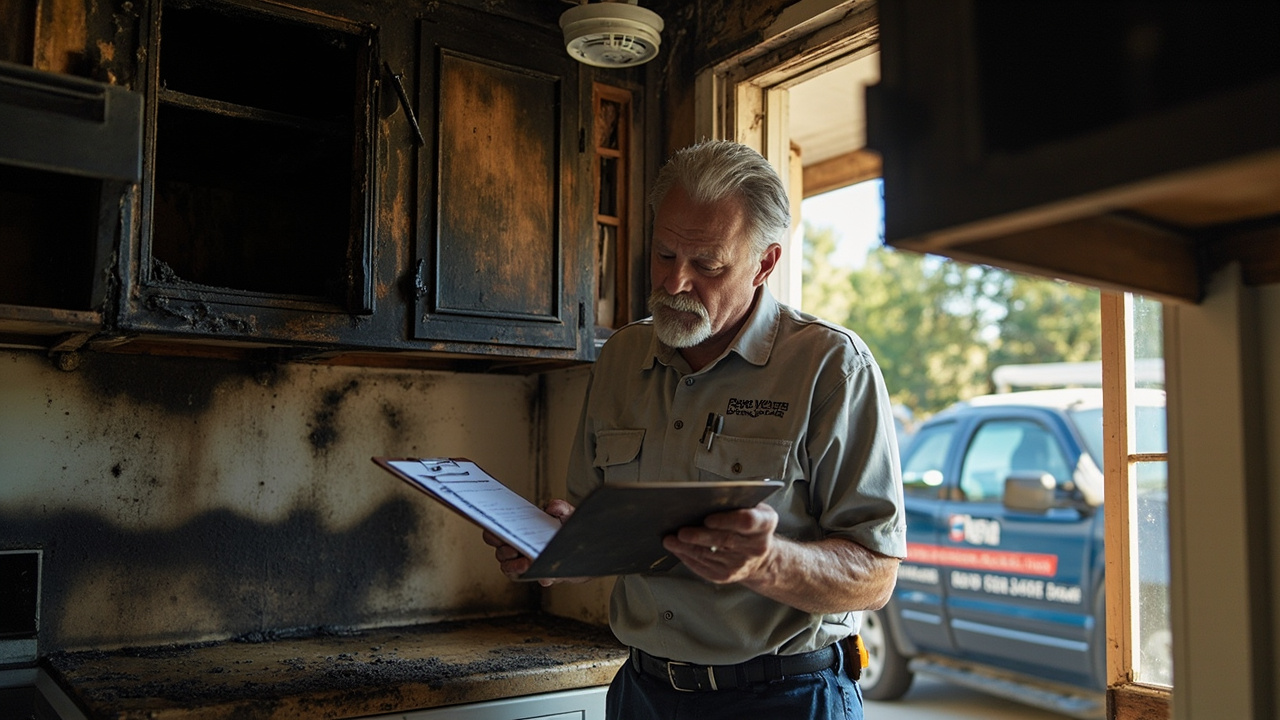
Structural integrity comes first. We assess load-bearing walls, roof trusses, and floor joists for char depth and deflection. Fire weakens wood by reducing cross-sectional density. A 2x6 joist that lost one inch to charring no longer supports design loads. Dallas's building codes require specific load ratings, and fire compromises these ratings in ways that require engineering analysis.

Electrical systems rank second. Heat melts wire insulation and creates short circuits invisible behind drywall. We use thermal imaging to identify hot spots and check breaker panels for arcing damage. Power must stay off until a licensed electrician verifies system integrity.

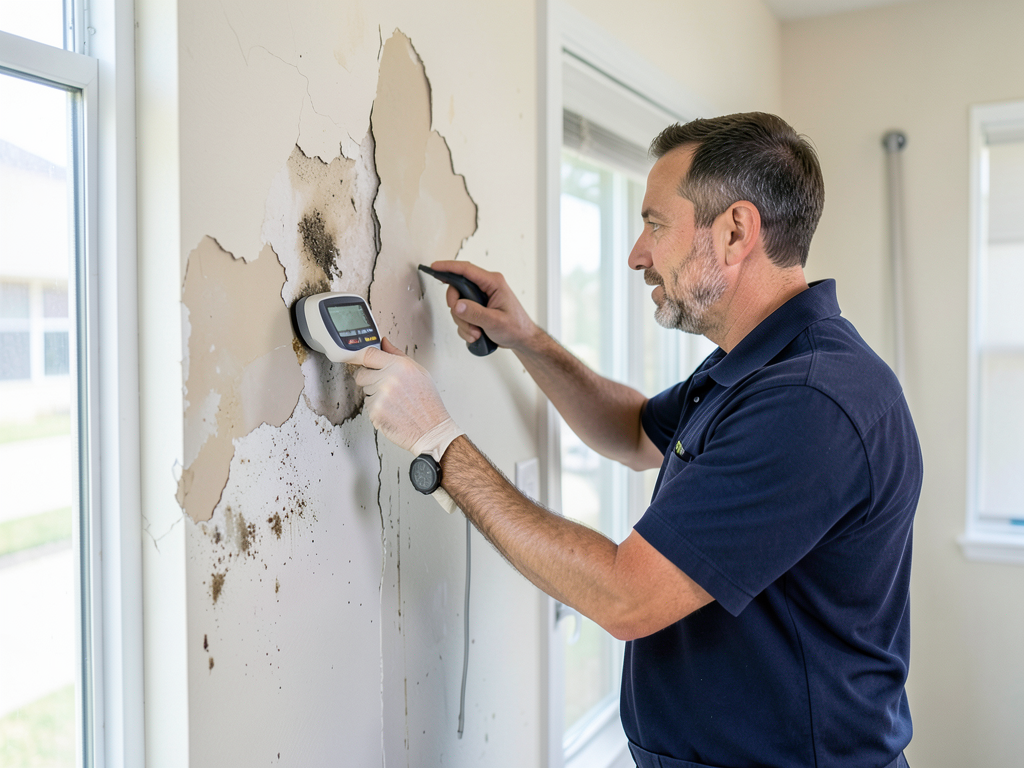
Water damage assessment overlaps with fire damage evaluation. Firefighting efforts dump thousands of gallons into your property. This water carries ash, creating an acidic solution that corrodes metal and stains concrete. We measure moisture levels in structural materials using penetrating meters, not surface readers. Dallas's humidity means materials stay wet longer than in arid climates.

Air quality testing identifies volatile organic compounds from burned synthetics, asbestos from older insulation, and carbon monoxide trapped in enclosed spaces. We establish baseline readings before demolition begins, protecting both occupants and restoration workers.

The fire damage safety protocol we follow addresses these layers systematically. You cannot skip steps. Cleaning soot before extracting water spreads contamination. Removing water before assessing structure creates collapse risk.

Liberty Water Damage Restoration Riverside uses this methodical approach because shortcuts create liability and safety failures. We document every finding with photos, moisture readings, and written reports that satisfy insurance adjusters and building inspectors.

Your First 72 Hours After Fire Damage

Fire Damage Safety Checklist in Dallas – Expert Guide to Post-Fire Hazard Assessment and Recovery Protocols
01

Secure and Document

Do not enter the property until the fire marshal clears it for access. Once cleared, we photograph and video all damage before touching anything. This documentation protects your insurance claim. We secure openings with board-up services to prevent weather intrusion and theft. Dallas's afternoon thunderstorms can dump rain through compromised roofs within hours, multiplying water damage exponentially. We verify utilities are disconnected at the meter, not just the breaker, preventing electrical fires from damaged wiring.
02

Extract Water and Test Air

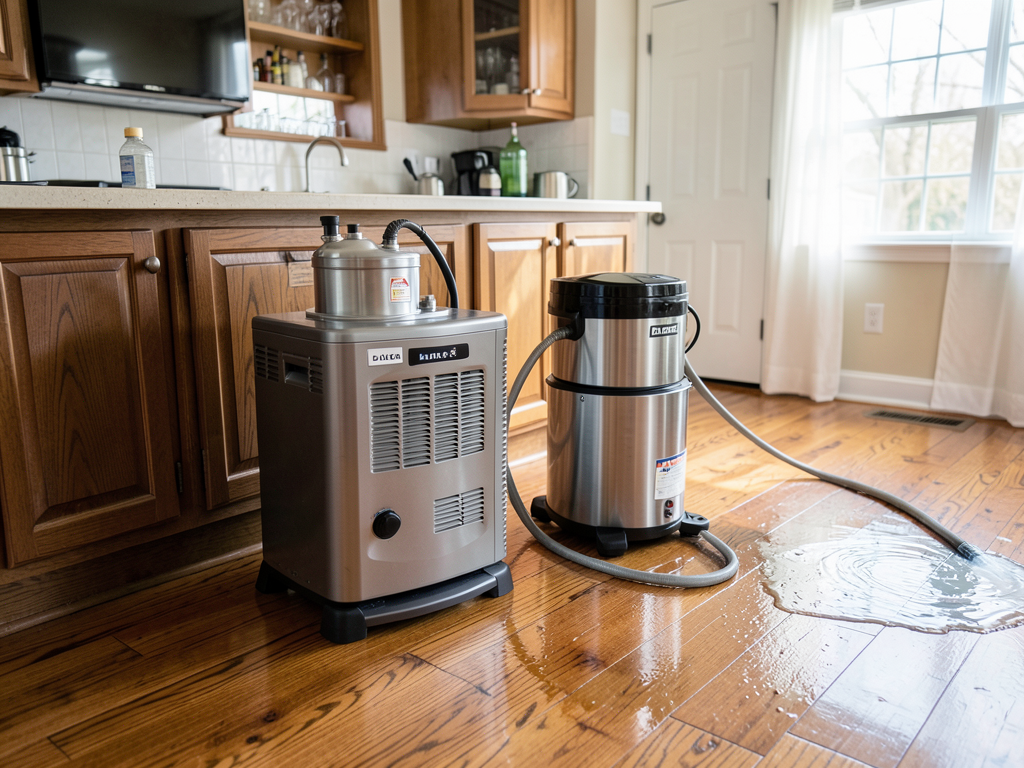
Firefighting water becomes a health hazard when mixed with ash and burnt materials. We extract standing water using truck-mounted equipment, then place commercial dehumidifiers to drop relative humidity below 50 percent. Air quality testing identifies particulates and gases that require respirator use during cleanup. We establish negative air pressure with air scrubbers equipped with HEPA filters, preventing contaminated air from spreading to unaffected areas. This containment strategy is critical in multi-unit Dallas properties where shared HVAC systems can distribute smoke damage.
03

Stabilize and Plan Restoration

After immediate hazards are controlled, we create a scope of work that separates salvageable materials from total losses. Structural engineers assess framing if fire burned for more than 30 minutes. We test electronics and appliances for operability. Contents are inventoried, photographed, and moved to climate-controlled storage if smoke damage is present. You receive a detailed restoration plan with timelines and phase breakdowns. This roadmap guides insurance claims and sets realistic expectations for returning to occupancy. Dallas building permits are pulled before reconstruction begins.

Why Dallas Property Owners Choose Local Fire Damage Expertise

Fire damage restoration requires knowledge of local building construction and environmental factors that out-of-town contractors miss.

Dallas homes built before 1980 often contain asbestos in popcorn ceilings, floor tiles, and pipe insulation. Fire disturbs these materials, creating airborne fibers that require certified abatement. We identify asbestos-containing materials before demolition begins, preventing costly EPA violations and health exposure.

Our clay soil creates foundation movement that fire damage can worsen. Heat differential between burned and unburned sections of a slab causes cracking and displacement. We coordinate with structural engineers familiar with Dallas soil conditions to assess whether foundation repair is necessary before rebuilding.

Insurance claims in Dallas follow Texas Department of Insurance regulations that differ from other states. We document damage using Xactimate software, the same estimating platform your adjuster uses. This eliminates disputes over scope and pricing, accelerating claim approval. Our line-item estimates reference local labor rates and material costs specific to the Dallas-Fort Worth metro.

Post-fire safety protocols must account for Dallas's summer heat. Burned structures without HVAC or roof covering experience interior temperatures exceeding 120 degrees. This heat accelerates mold growth and makes restoration work dangerous. We establish temporary climate control before beginning demolition, protecting both workers and remaining materials.

Liberty Water Damage Restoration Riverside maintains relationships with Dallas building inspectors, fire marshals, and code officials. We know which permits are required for electrical, plumbing, and structural work. This local knowledge prevents project delays caused by failed inspections or missing documentation.

You need a restoration partner who understands Dallas-specific challenges and has established credibility with local authorities. National franchise operators lack this depth of local integration.

What to Expect During Fire Damage Restoration

Emergency Response Timeline

We dispatch to Dallas properties within 90 minutes of your call. Initial assessment takes two to four hours depending on fire extent. Water extraction begins immediately if standing water is present. Structural stabilization, board-up, and temporary fencing are completed within 24 hours. Air quality testing results return within 48 hours. You receive a preliminary damage assessment and scope of work within 72 hours. This timeline assumes property access is granted by fire officials. Delays in utility disconnection or hazardous material identification can extend initial phases.

Comprehensive Damage Assessment Process

We inspect every system and material in your property. Structural framing is probed for char depth and checked for deflection. Electrical panels are photographed and tested for heat damage. Plumbing is pressure-tested if exposed to fire. HVAC ductwork is inspected for smoke residue and water intrusion. Insulation is evaluated for contamination and moisture retention. Flooring is removed in affected areas to check subfloor and joist condition. We use moisture meters, thermal cameras, and borescopes to identify hidden damage. This thorough evaluation prevents surprises during reconstruction.

Restoration Quality Standards

Reconstruction returns your property to pre-loss condition using materials that match or exceed original quality. We source matching flooring, cabinetry, and fixtures when possible. Paint is matched using spectrophotometry for seamless blending with undamaged areas. All work complies with current Dallas building codes, which may require upgrades from original construction. Electrical and plumbing systems are tested and certified before final inspection. Air quality testing confirms particulate levels are safe for occupancy. We conduct a final walkthrough with you to address any concerns before project closeout.

Post-Restoration Support and Monitoring

We provide documentation of all work completed, including permits, inspections, and material specifications. Air quality reports and moisture readings are included in your final package. We return for a 30-day follow-up inspection to verify no moisture or odor issues have developed. Your project manager remains your point of contact for any questions after completion. If we coordinate directly with your insurance company, we ensure all claim documentation is submitted and approved before final payment. This continuity of care separates professional restoration from basic contractors.

Frequently Asked Questions

You Have Questions,
We Have Answers

What are the 5 E's of fire safety? +

The 5 E's of fire safety are Education, Enforcement, Engineering, Emergency Response, and Evaluation. Education teaches people fire risks and prevention. Enforcement ensures compliance with fire codes and regulations. Engineering designs buildings with fire-resistant materials and suppression systems. Emergency Response prepares rapid action when fires occur. Evaluation reviews incidents to improve future safety measures. In Dallas, where older structures mix with new construction, these principles guide building inspections and fire department protocols. Property owners should understand these E's to maintain compliance and protect occupants from fire hazards.

What are the 5 basic fire safety practices? +

The 5 basic fire safety practices include installing working smoke detectors, creating and practicing escape plans, keeping exits clear, storing flammables properly, and maintaining fire extinguishers. Test smoke alarms monthly and replace batteries twice yearly. Map two exits from every room and designate an outside meeting spot. Never block doors or hallways with furniture or storage. Store gasoline, paint thinners, and cleaning chemicals in ventilated areas away from heat sources. Keep a rated fire extinguisher accessible and check the pressure gauge annually. Dallas residents should adapt plans for single-story ranch homes or multi-level properties common throughout the metro.

What are the 4 P's of fire safety? +

The 4 P's of fire safety are Prevention, Planning, Practice, and Protection. Prevention stops fires before they start through proper storage and electrical maintenance. Planning creates escape routes and communication strategies for emergencies. Practice involves regular fire drills so everyone knows their role. Protection uses equipment like smoke detectors, extinguishers, and sprinkler systems. Dallas homeowners should consider Texas heat when preventing outdoor fires near dry vegetation. Commercial properties in the Dallas metro must follow stricter planning requirements due to higher occupancy loads. These four principles work together to reduce fire risk and improve survival outcomes.

What are the 7 layers of fire safety? +

The 7 layers of fire safety form a defense-in-depth approach: prevention, detection, containment, suppression, evacuation, communication, and investigation. Prevention eliminates ignition sources. Detection uses alarms and monitoring systems. Containment employs fire-rated walls and doors to slow spread. Suppression activates sprinklers or manual extinguishing. Evacuation removes people from danger zones. Communication alerts emergency services and building occupants. Investigation determines cause to prevent future incidents. In Dallas, where commercial buildings range from historic districts to modern high-rises, all seven layers must function properly. Each layer provides backup if another fails during an emergency.

What are the 4 golden rules of fire safety? +

The 4 golden rules of fire safety are: sound the alarm, evacuate immediately, close doors behind you, and never go back inside. When you discover fire, activate the nearest alarm to warn others. Leave the building using your planned escape route without gathering belongings. Close doors as you exit to contain smoke and flames. Once outside, stay out and wait for firefighters. Dallas residents should establish a family meeting point away from the structure. Never re-enter for pets or valuables. Firefighters have protective equipment and training you lack. These rules save lives when seconds count during fire emergencies.

What does 5 5 5 mean to a firefighter? +

The 5-5-5 rule means firefighters have 5 minutes to don gear, 5 minutes to reach the scene, and 5 minutes to begin interior attack before conditions become unsurvivable. This 15-minute window is critical for rescue operations. For Dallas residents, this timeline highlights why early detection matters. Smoke detectors provide precious minutes for evacuation before firefighters arrive. Dallas Fire-Rescue responds quickly, but traffic on Central Expressway or North Dallas Tollway can delay arrival. Your survival depends on immediate evacuation, not waiting for help. Install multiple smoke detectors and practice escape plans to maximize your safety window.

What is the 30/30/30 rule for fire? +

The 30/30/30 rule states fires can double in size every 30 seconds, room temperatures reach 1,000 degrees in 30 seconds, and you have roughly 30 seconds to escape once smoke detectors sound. This rapid progression explains why hesitation kills. When alarms activate in your Dallas home, you cannot waste time investigating or grabbing items. Smoke inhalation incapacitates victims before flames reach them. The rule underscores why practiced escape plans matter more than firefighting attempts. In Dallas summer heat, attic fires spread faster through super-heated spaces. Treat every alarm as real and evacuate immediately.

What are the 10 fire safety rules? +

The 10 fire safety rules include: install smoke detectors on every level, test alarms monthly, create two exit routes per room, practice escape drills twice yearly, keep exits unobstructed, store matches and lighters securely, never leave cooking unattended, maintain electrical systems, use space heaters safely, and sleep with bedroom doors closed. Dallas homeowners should inspect attic wiring in older homes where insulation may contact hot electrical boxes. Keep grills 10 feet from structures during Texas barbecue season. Commercial properties need posted evacuation maps and lit exit signs. Following these rules reduces fire deaths and property damage significantly.

What are the 8 most important things in fire safety? +

The 8 most important fire safety elements are working smoke detectors, clear escape routes, practiced drills, accessible extinguishers, closed doors at night, proper storage of flammables, maintained electrical systems, and emergency contact information. Smoke detectors provide early warning while you sleep. Clear routes prevent blocked exits during panic. Drills create muscle memory for fast evacuation. Extinguishers stop small fires from spreading. Closed doors contain smoke and heat. Proper storage prevents ignition. Updated wiring prevents electrical fires common in Dallas older neighborhoods. Posted emergency numbers speed response times when calling Dallas Fire-Rescue from outside the burning structure.

What is the 4 triangle of fire? +

The fire triangle consists of three elements: heat, fuel, and oxygen. Remove any one element and fire cannot exist. The fourth component, creating a fire tetrahedron, is the chemical chain reaction that sustains combustion. Understanding this principle guides suppression tactics. Water removes heat. Smothering removes oxygen. Clearing brush removes fuel. Fire extinguishers interrupt the chemical reaction. In Dallas, where summer temperatures exceed 100 degrees, heat is already present. Focus on controlling fuel sources like dry vegetation near structures and limiting oxygen through closed doors and windows. Breaking the triangle stops fire growth.

How Dallas's Climate and Construction Affect Fire Recovery Safety

Dallas's subtropical humidity creates accelerated secondary damage after fires. Firefighting water does not evaporate quickly in our climate. Materials remain wet for days, allowing mold colonization to begin within 48 hours. This is compounded by Dallas's construction trends. Many properties built between 1970 and 2000 use particle board subflooring and oriented strand board sheathing. These engineered wood products absorb water rapidly and lose structural integrity when saturated. Fire damage combined with water intrusion in these materials often requires complete replacement rather than drying. Post-fire safety protocols must account for this local construction reality.

Liberty Water Damage Restoration Riverside has worked with Dallas Fire-Rescue, building inspectors in multiple suburbs, and insurance adjusters serving the metro for years. We understand local permitting timelines and know which jurisdictions require third-party inspections for structural repairs. Our relationships with Dallas-area structural engineers, environmental testing labs, and specialty contractors mean faster project completion. When you hire a restoration company with deep Dallas roots, you get someone who knows the local building official by name and understands how to navigate city-specific requirements. This local expertise translates directly into faster insurance approval and shorter displacement periods for you.
Water Damage Services in The Dallas Area

We are proud to serve the entire Dallas area and surrounding communities. Our strategically located office allows for quick and efficient dispatch of our teams to your location, ensuring a rapid response to your water damage emergency. View our service area on the map to see how we can assist you, and don't hesitate to contact us for immediate help no matter where you are.

Address:
Peak Water Damage Restoration Dallas, 3510 Ross Ave, Dallas, TX, 75204

Additional Services We Offer

Our news updates

Latest Articles & News from The Blogs

Fixing a Leaky Beer Tap or Kegerator Before it Destroys Your Dallas Man Cave A slow drip from your beer…

Fixing a Leaky Beer Tap or Kegerator Before it Destroys Your Dallas Man Cave

Fixing a Leaky Beer Tap or Kegerator Before it Destroys Your Dallas Man Cave A slow drip from your beer…

How Hairline Cracks in Your Stucco Exterior are Letting Water Into Your Preston Hollow Home

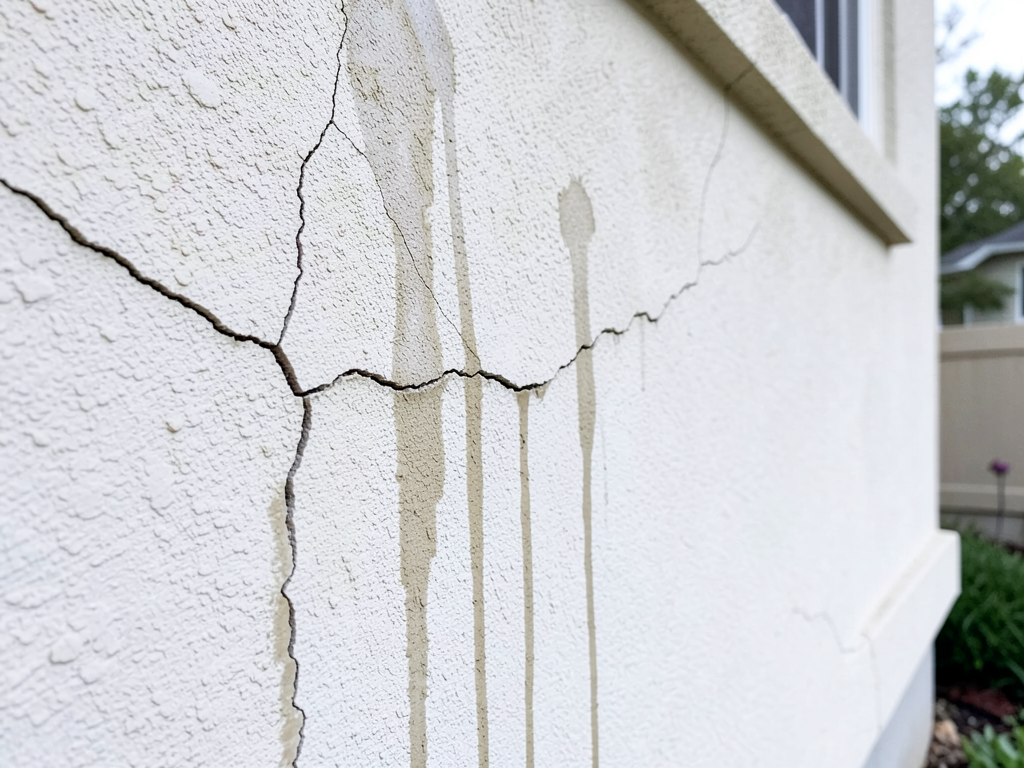
How Hairline Cracks in Your Stucco Exterior are Letting Water Into Your Preston Hollow Home Stucco cracks wider than a…

How the Dallas Heat Accelerates Mold Growth Within Just Hours of a Pipe Burst

How the Dallas Heat Accelerates Mold Growth Within Just Hours of a Pipe Burst The Dallas heat and humidity create…

Contact Us

Do not wait for hidden damage to worsen. Call Liberty Water Damage Restoration Riverside at (972) 886-5955 for immediate post-fire safety evaluation. We are available 24 hours a day to protect your Dallas property and guide you through every step of recovery.