Menu

Understanding Water Contamination Levels in Dallas – Expert Classification for Safer Restoration Decisions

Learn the IICRC water categories and contamination levels that determine how professionals assess water quality classifications, protect your health, and execute the right remediation protocol for your Dallas property.

Slider Image 1
Slider Image 2
Slider Image 3
Slider Image 4
Slider Image 5
Slider Image 7
Slider Image 8
Slider Image 9
Slider Image 10
Slider Image 11

Why Water Contamination Levels Matter in North Texas

Not all water is the same. When you discover a flooded basement in Lake Highlands or a burst pipe in Uptown, the type of water contamination dictates the entire restoration approach. Dallas's aging infrastructure and seasonal storm surges create complex water intrusion scenarios where contamination levels can escalate quickly.

The Institute of Inspection Cleaning and Restoration Certification defines three water damage categories based on the level of contamination present. These water quality classifications determine health risks, required safety protocols, and demolition scope. A clean supply line break requires different treatment than sewage backup from an overwhelmed storm drain on Mockingbird Lane.

Texas humidity amplifies the problem. Water sits in wall cavities and under vinyl flooring longer than in drier climates. What starts as Category 1 clean water can degrade into Category 2 gray water within 48 hours as it absorbs building materials and particulates. Time matters.

Understanding these types of water contamination helps you ask the right questions when contractors arrive. You need to know if structural drying alone will suffice or if antimicrobial treatment and selective demolition become necessary. The IICRC water categories are not academic labels. They are field classifications that protect occupants from pathogens, chemical exposure, and chronic illness caused by improper cleanup.

Dallas property owners face unique challenges. Clay soil shifts cause foundation movement and slab leaks. Summer thunderstorms overwhelm French drains in older neighborhoods like Lakewood. Winter freeze events rupture PEX lines in attics. Each scenario introduces different contamination levels requiring precise identification before work begins.

Why Water Contamination Levels Matter in North Texas
How Professionals Classify Water Contamination

How Professionals Classify Water Contamination

Restoration technicians evaluate water contamination using the IICRC S500 standard, which establishes three distinct water damage categories. This is not guesswork. It is structured assessment based on the source, pathogen load, and chemical composition of the water.

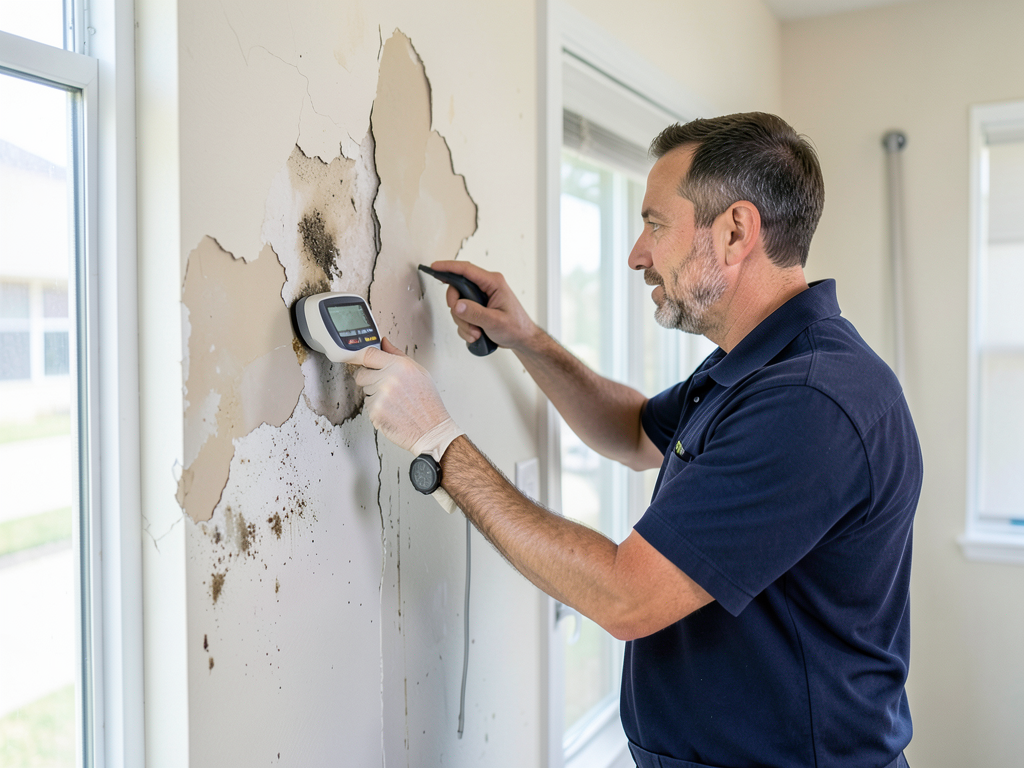
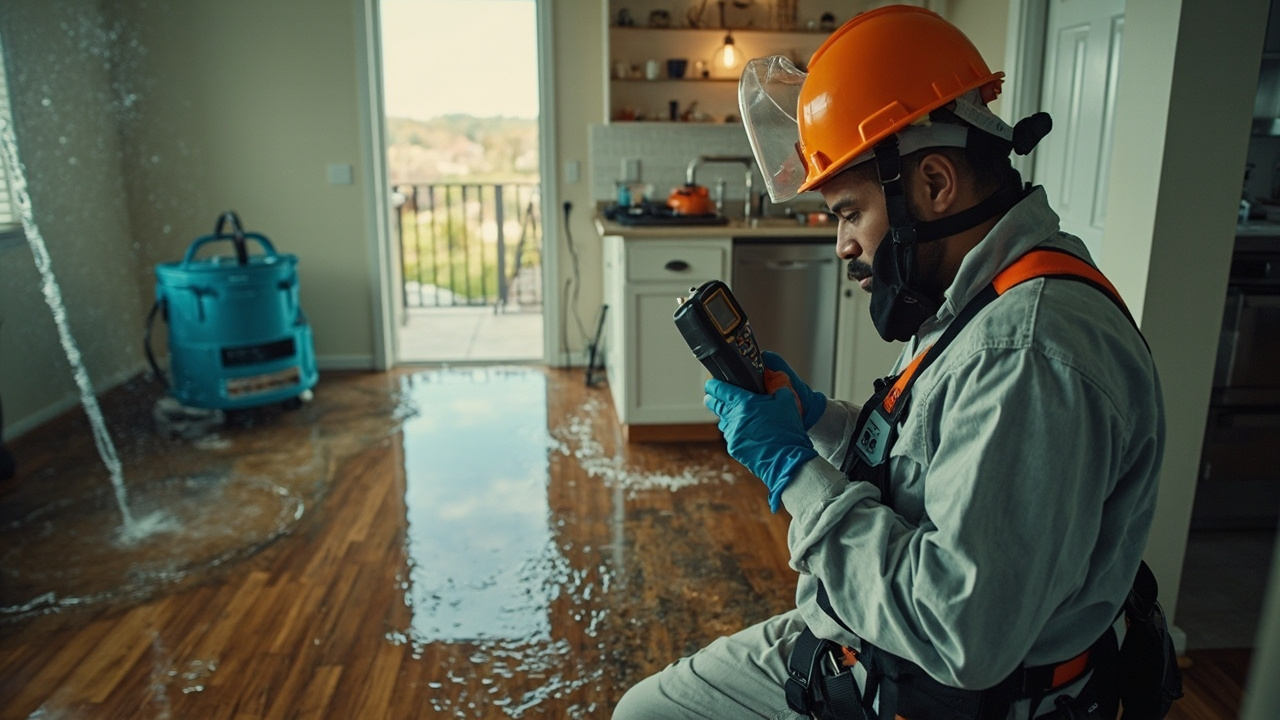
Category 1 is clean water from sanitary sources. A broken supply line, toilet tank overflow (not bowl), or rainwater intrusion through an intact roof falls here. This water poses no immediate health threat, but it must be extracted within 48 hours to prevent degradation into Category 2. We use moisture meters and thermal imaging to map affected zones and verify drying progress. The goal is containment and rapid extraction before microbial amplification begins.

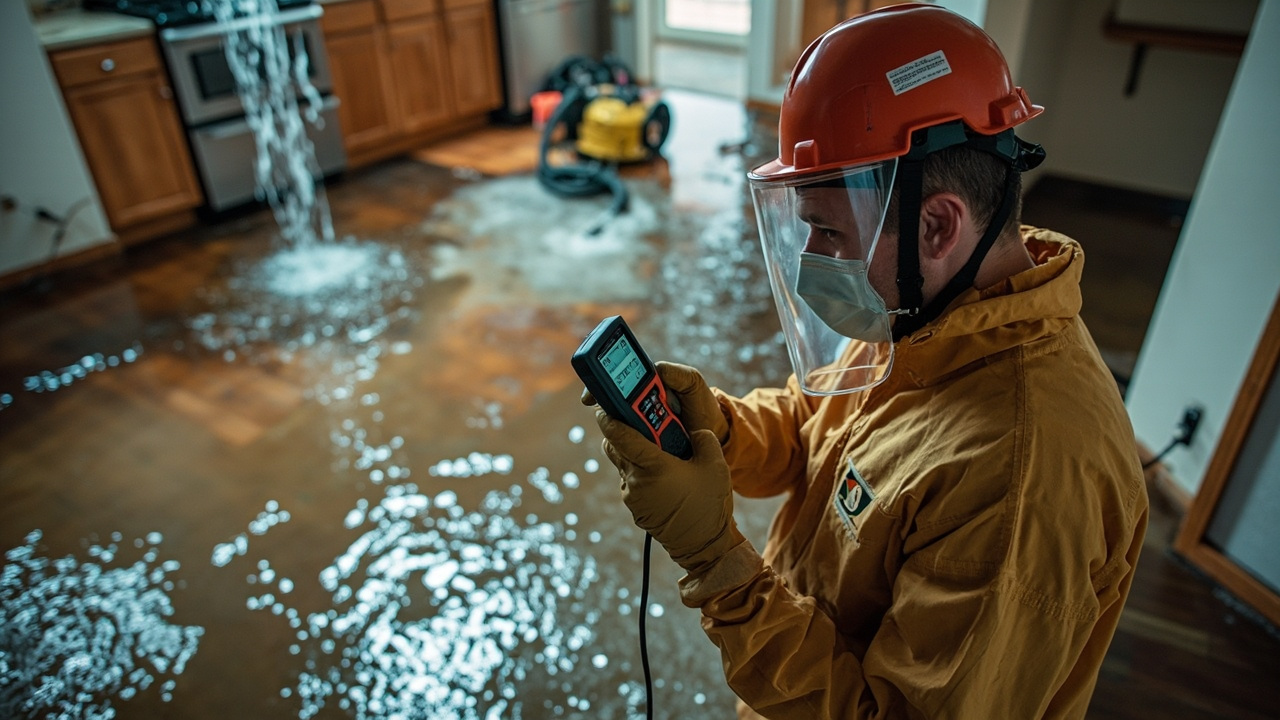
Category 2 is gray water with moderate contamination. Dishwasher discharge, washing machine overflows, and toilet bowl overflows without feces qualify. This water contains bacteria, detergents, or urine that can cause discomfort or illness if ingested. Restoration requires controlled demolition of porous materials like drywall and padding that absorbed the gray water. Non-porous surfaces receive antimicrobial treatment. We wear PPE during extraction and apply EPA-registered disinfectants during the drying phase.

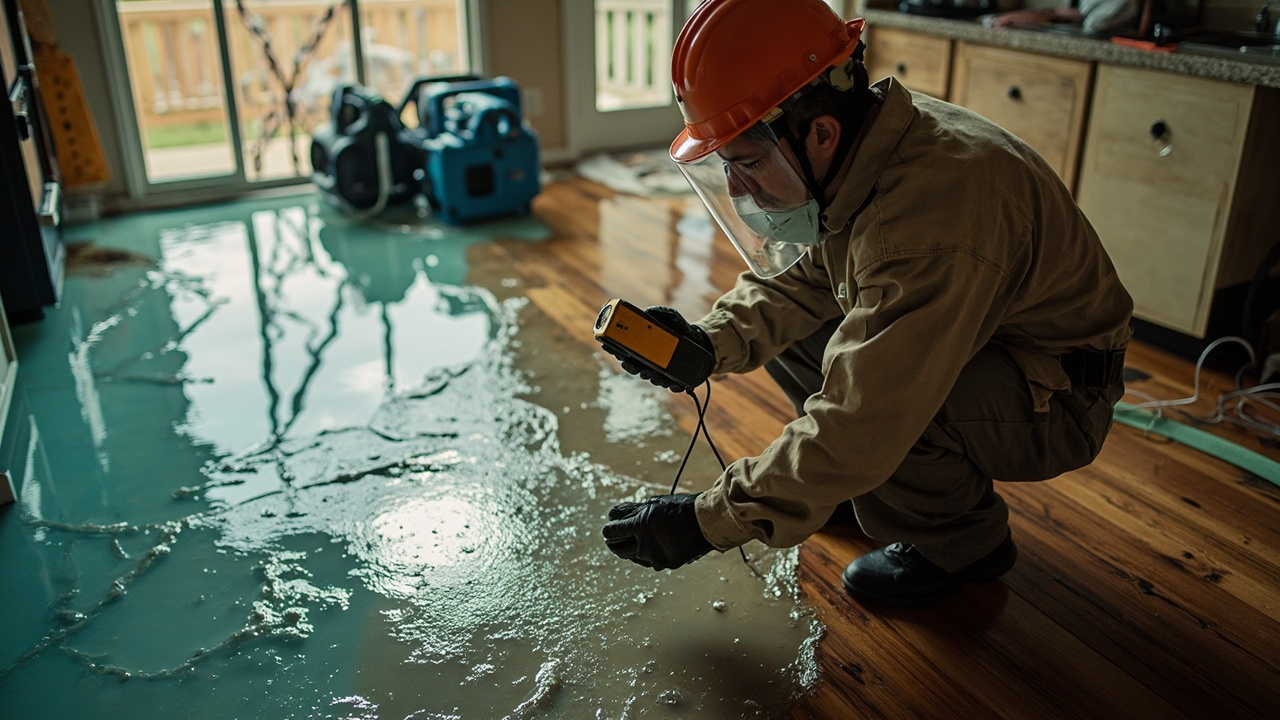
Category 3 is black water, which is grossly contaminated and toxic. Sewage backups, rising floodwater from creeks, and toilet overflows with feces fall into this category. Black water contains pathogens like E. coli, parasites, and heavy metals. All porous materials in contact with Category 3 water must be removed and disposed of as contaminated waste. We establish negative air pressure containment, use HEPA filtration, and follow biohazard protocols. This is not a DIY scenario.

Liberty Water Damage Restoration Riverside technicians carry IICRC certifications in Water Damage Restoration and Applied Microbial Remediation, ensuring accurate classification and compliant execution on every Dallas project.

How We Assess and Respond to Water Categories

Understanding Water Contamination Levels in Dallas – Expert Classification for Safer Restoration Decisions
01

Source Identification and Classification

We trace the water to its origin point, whether it is a supply line, drain line, or exterior intrusion. Visual inspection, moisture mapping, and occupant interviews help us determine the correct IICRC water category. This initial classification drives every decision that follows, from PPE requirements to demolition scope. Misclassifying the water contamination level creates health liability and incomplete remediation.
02

Containment and Controlled Extraction

Once classified, we isolate affected zones using plastic sheeting and negative air machines for Category 2 and 3 events. Extraction begins with truck-mount units and weighted wands to remove standing water. We measure moisture content in structural materials using pin and pinless meters, documenting readings for insurance and compliance. Our goal is to prevent cross-contamination and secondary damage to unaffected areas.
03

Disinfection and Drying Documentation

After extraction, we apply antimicrobial agents appropriate to the water contamination level. Category 1 may only require enzyme cleaners, while Category 3 demands hospital-grade disinfectants. Air movers and dehumidifiers run for 3 to 5 days, with daily moisture readings logged. We provide a detailed drying report showing the property returned to pre-loss moisture levels, closing out the claim and restoring safe occupancy.

Why Dallas Properties Demand Expert Water Classification

Dallas sits on expansive clay soil that swells and contracts with moisture fluctuations, creating chronic foundation stress and plumbing failure points. The city experiences both flash flooding from thunderstorms and prolonged dry spells that shift soil away from slab edges. These conditions create water intrusion events with variable contamination depending on the source.

Many older neighborhoods in Dallas, including Lakewood, Old East Dallas, and parts of North Oak Cliff, were built with cast iron sewer lines that corrode over time. When these lines fail, they introduce Category 3 sewage into crawl spaces and slab voids. Homeowners often discover the problem only after odors or visible mold appear. Proper classification at that stage is critical to avoid exposing occupants to fecal coliforms and hydrogen sulfide gas.

Commercial properties face different risks. Retail spaces in Legacy West or office buildings in the Arts District rely on complex HVAC condensate systems and roof drain networks. When these systems clog or overflow, the water often mixes with dust, biological growth, and chemical residues from mechanical rooms, elevating contamination levels beyond what the building manager anticipated.

We work directly with Dallas adjusters, property managers, and industrial clients who need documentation that meets Texas Department of Insurance standards. Our water category assessments include photographic evidence, moisture maps, and detailed narratives that support claim approvals and legal compliance. This level of specificity separates professional restoration from surface-level cleanup that leaves contamination in place.

Liberty Water Damage Restoration Riverside maintains vendor relationships with major carriers in the Dallas market, which streamlines authorization and speeds up project starts. We understand local expectations and deliver the documentation required for smooth claims processing.

What to Expect During Water Category Assessment

Immediate Response and Triage

We dispatch technicians to Dallas properties within 90 minutes of your call. The first priority is stopping the water source and preventing further migration. During the initial walkthrough, we classify the water damage category, photograph affected areas, and provide a verbal summary of the contamination level and required scope of work. You receive a written estimate within 24 hours, often faster for emergency scenarios. Speed prevents Category 1 water from degrading into gray or black water, reducing demolition and cost.

Detailed Contamination Assessment

Our technicians use thermal cameras to identify hidden moisture in wall cavities, under cabinets, and behind baseboards. Pin-type moisture meters measure material saturation levels in wood framing, drywall, and subfloor. We document the IICRC water category based on the source and visible indicators like discoloration, odor, and particulate matter. For Category 3 events, we may recommend third-party microbial testing to establish baseline contamination levels before remediation begins. This data protects you during insurance negotiations and provides a clear benchmark for post-remediation clearance.

Controlled Remediation Execution

Once the water contamination level is confirmed, we execute the appropriate protocol. Category 1 jobs focus on rapid drying with minimal demolition. Category 2 requires selective removal of affected padding, drywall, and insulation, followed by antimicrobial application. Category 3 demands full containment, biohazard disposal, and thorough disinfection of all hard surfaces. You see daily progress with updated moisture readings and photos. Final clearance includes air quality testing for Category 3 projects, ensuring no residual contamination remains before reconstruction starts.

Post-Remediation Documentation and Support

We provide a comprehensive drying log showing moisture content dropping to acceptable levels over the course of the project. For insurance purposes, you receive a detailed scope of work, material inventory, and labor breakdown that aligns with Xactimate pricing standards used by Dallas adjusters. If additional issues like mold growth or structural damage are discovered during drying, we document and communicate those findings immediately so supplemental claims can be filed. Our goal is complete transparency and seamless handoff to reconstruction partners when structural work is required.

Frequently Asked Questions

You Have Questions,
We Have Answers

What are the 5 types of water? +

Water damage professionals do not classify water into five types. The industry standard uses three categories. Category 1 is clean water from broken pipes or supply lines. Category 2 is gray water with contaminants from appliances like dishwashers or washing machines. Category 3 is black water containing sewage, chemicals, or floodwater. In Dallas, heavy storms and flash flooding near White Rock Lake often introduce Category 3 water into homes. Understanding these categories helps you assess health risks and determine proper cleanup methods. Always treat floodwater as Category 3 until tested.

What are the three categories of water? +

The three water damage categories are clean, gray, and black water. Category 1 is clean water from supply lines or rain before it contacts surfaces. Category 2 is gray water with mild contamination from appliances or sump pumps. Category 3 is black water containing sewage, chemicals, or outdoor floodwater. Dallas homes near the Trinity River flood zones face higher black water risks during storm events. Each category requires different safety protocols and extraction methods. Gray water can degrade to black water within 48 hours if left untreated, increasing health hazards.

What is category 1, 2, and 3 water? +

Category 1 water is clean and comes from broken supply lines, sink overflows, or rainwater that has not contacted contaminated surfaces. Category 2 is gray water with chemical or biological contamination from washing machines, dishwashers, or aquarium spills. Category 3 is black water containing sewage, rising floodwater, or stagnant water that sat for days. In Dallas, Category 3 water often enters basements during heavy Trinity River flooding or after prolonged rainfall saturates clay soil. Each category determines the safety equipment and remediation approach your restoration team uses.

What are the different water categories? +

Water damage falls into three categories based on contamination level. Clean water (Category 1) comes from supply lines or rainwater. Gray water (Category 2) contains mild contaminants from appliances like dishwashers or washing machines. Black water (Category 3) is heavily contaminated with sewage, chemicals, or floodwater. Dallas properties near creek beds or drainage areas face frequent gray and black water intrusion during storms. The category determines extraction methods, safety gear, and disposal requirements. Water can migrate from Category 1 to Category 3 within 72 hours if not addressed.

What are the 7 types of water? +

There are no seven types of water in restoration standards. The industry uses three contamination categories. Category 1 is clean water from supply lines. Category 2 is gray water with contaminants from appliances or sump pumps. Category 3 is black water containing sewage or floodwater. You might see references to seven water types in chemistry or environmental science, but those do not apply to water damage restoration. Dallas homeowners should focus on these three categories to understand health risks and remediation needs after pipe bursts, appliance leaks, or flooding events.

What are category 5 waters? +

Category 5 water does not exist in professional water damage classification systems. The industry standard uses only three categories: clean water (Category 1), gray water (Category 2), and black water (Category 3). Some confusion arises from hurricane classifications, which use Categories 1 through 5, but those measure wind speed. For water damage in Dallas, you only need to understand the three contamination categories. Black water (Category 3) is the most dangerous and requires professional extraction with specialized equipment and disposal protocols. Always consult certified technicians for contaminated water.

What are the four classes of water? +

Water damage has four classes based on evaporation rate and affected materials, separate from the three contamination categories. Class 1 affects only part of a room with minimal absorption. Class 2 affects an entire room with significant absorption into walls or carpet. Class 3 involves ceiling saturation, walls, insulation, and subflooring. Class 4 requires specialty drying for hardwood, plaster, or concrete. Dallas homes with pier and beam foundations often experience Class 3 damage when clay soil shifts and pipes burst. The class determines equipment needs and drying time.

What are all the types of waters? +

In water damage restoration, all water types fall into three contamination categories. Category 1 is clean water from supply lines or rain. Category 2 is gray water from appliances or sump pumps. Category 3 is black water containing sewage, chemicals, or floodwater. Dallas properties face all three types depending on the source. Supply line breaks create Category 1 situations. Washing machine overflows produce Category 2. Trinity River flooding or sewer backups introduce Category 3. Each type requires different safety measures and extraction techniques to protect occupants and restore the property.

What are the classification of waters? +

Water classification in restoration uses three contamination categories. Clean water (Category 1) originates from sanitary sources like supply lines or rainwater before surface contact. Gray water (Category 2) contains chemical or biological contaminants from appliances, condensate lines, or hydrostatic pressure. Black water (Category 3) is grossly contaminated with sewage, floodwater, or stagnant water. Dallas homes built on expansive clay soil often experience Category 2 intrusion from foundation movement and pipe stress. Classification determines personal protective equipment needs, disposal methods, and whether materials get restored or removed.

What are the 4 categories of water use? +

The four categories of water use refer to municipal water management, not restoration. These include residential use, commercial use, industrial use, and agricultural use. This classification does not apply to water damage restoration, which uses three contamination categories: clean, gray, and black water. Dallas residents concerned about water damage should focus on contamination categories to understand health risks after leaks or floods. Clean water from a broken pipe poses minimal risk. Black water from sewage backups or Trinity River flooding requires immediate professional extraction and disinfection.

Why Dallas's Infrastructure Age Elevates Water Contamination Risks

Dallas's building boom in the 1950s and 1970s left thousands of homes with aging cast iron drain lines and galvanized supply pipes. These materials corrode internally, narrowing flow paths and creating pinhole leaks that allow sewer gas and contaminated water to seep into wall cavities. When a main sewer line collapses under a concrete slab, the resulting backup introduces Category 3 black water into living spaces without warning. Understanding water contamination levels becomes urgent when older Dallas neighborhoods face these hidden infrastructure failures that escalate cleanup complexity and health exposure.

Local Dallas restoration companies must navigate the same humidity, clay soil movement, and storm intensity that homeowners face. We train technicians on the IICRC S500 standard and update them on changes to Texas insurance claim procedures. This local expertise ensures accurate water quality classifications, compliant documentation, and efficient coordination with adjusters who serve the North Texas market. Choosing a team that understands both the technical standards and the regional building challenges gives you faster approvals, safer outcomes, and lower total restoration costs on complex water contamination events.
Water Damage Services in The Dallas Area

We are proud to serve the entire Dallas area and surrounding communities. Our strategically located office allows for quick and efficient dispatch of our teams to your location, ensuring a rapid response to your water damage emergency. View our service area on the map to see how we can assist you, and don't hesitate to contact us for immediate help no matter where you are.

Address:
Peak Water Damage Restoration Dallas, 3510 Ross Ave, Dallas, TX, 75204

Additional Services We Offer

Our news updates

Latest Articles & News from The Blogs

Fixing a Leaky Beer Tap or Kegerator Before it Destroys Your Dallas Man Cave A slow drip from your beer…

Fixing a Leaky Beer Tap or Kegerator Before it Destroys Your Dallas Man Cave

Fixing a Leaky Beer Tap or Kegerator Before it Destroys Your Dallas Man Cave A slow drip from your beer…

How Hairline Cracks in Your Stucco Exterior are Letting Water Into Your Preston Hollow Home

How Hairline Cracks in Your Stucco Exterior are Letting Water Into Your Preston Hollow Home Stucco cracks wider than a…

How the Dallas Heat Accelerates Mold Growth Within Just Hours of a Pipe Burst

How the Dallas Heat Accelerates Mold Growth Within Just Hours of a Pipe Burst The Dallas heat and humidity create…

Contact Us

Do not guess about water contamination. Call Liberty Water Damage Restoration Riverside at (972) 886-5955 for immediate assessment and IICRC-compliant water damage restoration. We respond to Dallas properties fast, classify the contamination accurately, and execute the right protocol to protect your health and your investment.