


Addison sits in the Blackland Prairie region where expansive clay soils create constant pressure on foundations and plumbing systems. When North Texas storms dump several inches of rain in hours, these dense soils don't absorb water quickly. Instead, runoff overwhelms drainage systems in neighborhoods like Les Lacs and along the Midway Road corridor. The result is flooded basements, backed-up sewage lines, and water intrusion through foundation cracks.
The city's dense mix of commercial towers and residential properties along the Dallas North Tollway creates additional challenges. High-rise buildings experience unique water damage patterns from roof leaks, HVAC condensation failures, and burst pipes on upper floors that cascade downward. Addison's aging residential areas near Belt Line Road face corroded galvanized pipes installed decades ago, prone to sudden failure.
Spring and fall bring severe thunderstorms with hail that damages roofing materials, allowing water penetration into attics and wall cavities. Winter freezes, though infrequent, cause devastating pipe bursts when temperatures drop below 32 degrees for extended periods. These climate patterns combined with clay soil movement create a perfect environment for water damage events across Addison properties.
When water damage strikes your Addison property, you need more than just fans and shop vacuums. Peak Water Damage Restoration Dallas brings IICRC-certified technicians with specialized training in structural drying, moisture detection, and microbial remediation. We've restored hundreds of properties across the Dallas metro, from small residential water heater failures to major commercial flooding events.
Our dispatch center monitors calls 24 hours a day, 365 days a year. When you call (972) 886-5955, you reach a trained restoration coordinator who can have a crew on-site within 60 minutes. We maintain response vehicles staged throughout the Dallas area, stocked with truck-mounted extraction units, commercial dehumidifiers, air movers, and moisture meters. This rapid deployment stops water from spreading into subfloors, wall cavities, and structural materials where hidden damage occurs.
We understand Addison's building stock. Whether you own a mid-century home near Arapaho Road or manage a commercial property in Addison Circle, we've worked with similar structures. Our technicians know how water behaves in pier and beam foundations common to older Addison homes. We know the challenges of drying multi-story commercial spaces with complex HVAC systems.
Insurance coordination sets us apart. We document everything with detailed photos, moisture readings, and written reports that adjusters need for claim approval. Our estimators use Xactimate software, the same platform most insurance companies use, which eliminates disputes over pricing and speeds up the claims process. We can bill your insurance directly, reducing your out-of-pocket costs to just your deductible in most cases.

Our crews deploy to Addison properties within one hour of your call. We arrive with truck-mounted extraction equipment and industrial drying systems ready to stop water damage from spreading. Fast response prevents secondary damage that drives up restoration costs and extends your displacement time. We operate 24/7 including weekends and holidays.

Every technician who enters your property holds current IICRC certification in water damage restoration. This means they've completed rigorous training in drying science, moisture detection, and microbial remediation. They know how to dry structural materials without causing warping, cracking, or mold growth. Certification matters when insurance adjusters review your claim.
We work directly with your insurance carrier to streamline the claims process. Our estimators use Xactimate software to create detailed scope documents that adjusters approve without dispute. We handle all communication with your insurance company, provide required documentation, and can bill them directly. You pay only your deductible in most cases.
We've restored properties throughout Addison for years. Our technicians understand how clay soil affects foundations, how local construction methods respond to water intrusion, and how drainage patterns work across different neighborhoods. This local knowledge means faster diagnosis, more accurate restoration plans, and better outcomes for your property.
Water damage takes many forms, and each situation requires specific equipment, techniques, and expertise. Peak Water Damage Restoration Dallas provides complete water damage remediation services for Addison residential and commercial properties. Our service range covers everything from minor plumbing leaks to major flood events.
We categorize our services into three main areas based on water source, contamination level, and urgency. Emergency water extraction addresses active flooding and stops water from spreading. Structural drying removes moisture from building materials to prevent mold growth and structural damage. Specialized services handle contaminated water, sewage backups, and situations requiring reconstruction after materials are removed.
Each service category follows strict IICRC S500 standards for water damage restoration. We use thermal imaging to find hidden moisture, place equipment strategically based on psychrometric calculations, and monitor drying progress daily with moisture meters. This scientific approach ensures complete drying without over-drying, which can damage materials. Whether you need simple water removal or complete reconstruction, we provide the right service level for your situation.
Active flooding requires immediate extraction before water spreads to unaffected areas. Our truck-mounted pumps remove thousands of gallons per hour from basements, crawl spaces, and commercial buildings. We extract standing water from carpets, pad, and flooring, then apply antimicrobial treatments to prevent bacterial growth. Submersible pumps handle deep water in basements and below-grade spaces. Emergency extraction includes moving salvageable contents to dry areas, protecting unaffected spaces with containment barriers, and stabilizing the property to prevent further damage until structural drying begins.
After extraction, moisture remains in drywall, framing, subflooring, and insulation. Structural drying uses commercial dehumidifiers and air movers positioned based on moisture readings and airflow calculations. We monitor drying progress daily, adjusting equipment placement as needed. Thermal imaging reveals hidden moisture in wall cavities and ceiling spaces. This controlled drying process typically takes three to five days but varies based on materials affected, humidity levels, and outdoor temperature. Complete drying prevents mold growth, wood rot, and structural damage that appears weeks or months after the water event.
Sewage backups and floodwater contain harmful bacteria, viruses, and chemical contaminants requiring specialized handling. Our technicians wear personal protective equipment and follow strict containment protocols. We remove all contaminated porous materials like drywall, insulation, and carpeting that cannot be safely cleaned. Hard surfaces receive antimicrobial treatment and thorough disinfection. Air scrubbers with HEPA filters capture airborne contaminants during the remediation process. This service protects your health and ensures the property is safe for occupancy after restoration is complete.
Addison properties face distinct water damage risks due to local climate patterns, soil conditions, and building characteristics. Spring storms bring intense rainfall that overwhelms drainage systems, particularly in lower-lying areas near Vitruvian Park and along White Rock Creek tributaries. Summer heat stresses HVAC systems, causing condensate line failures and drip pan overflows in attics.
Clay soil movement creates ongoing foundation stress. As soil expands during wet periods and contracts during drought, it shifts foundations and breaks plumbing connections. This cycle causes slow leaks that go undetected for months, allowing extensive hidden damage. Older residential areas feature galvanized steel pipes installed before 1970 that corrode from the inside, failing without warning.
Commercial buildings face unique challenges. Roof-mounted HVAC units common on Addison office buildings develop drain line clogs that send gallons of water through ceiling spaces. High-rise properties experience stack effect pressure differentials that pull water into building envelopes during storms. Understanding these local patterns allows property owners to take preventive measures and respond quickly when problems occur.
Expansive clay soils beneath Addison shift constantly with moisture changes. This movement stresses plumbing connections under slab foundations, causing pinhole leaks and pipe separations. Water seeps into foundation cracks, appearing as floor dampness or baseboard damage. These slow leaks waste water and create perfect conditions for mold growth in wall cavities before you notice visible damage.
North Texas thunderstorms can drop three to five inches of rain in an hour. When this happens, storm drains back up and water flows toward low points. Properties near Addison Circle and along Belt Line Road experience street flooding that enters garages, ground-floor retail spaces, and basements. Water intrusion through foundation walls and floor drains brings contamination requiring professional remediation.
Many Addison homes have water heaters in interior closets or attic spaces. When tanks fail, 40 to 80 gallons flood surrounding areas rapidly. Attic installations send water through ceiling drywall into living spaces below, damaging insulation, framing, and finishes on multiple levels. Interior closet failures flood carpeting, pad, and subflooring, requiring extensive drying and often replacement of flooring materials.
Air conditioning systems remove humidity from indoor air, creating condensate that drains through small PVC lines. These lines clog with algae, dust, and biological growth, causing water to back up into drip pans. When pans overflow or develop rust holes, water drips into attic insulation and ceiling drywall. Summer heat and humidity accelerate mold growth in these hidden spaces.
Water damage creates stress and uncertainty. You're dealing with property damage, potential displacement, insurance questions, and concerns about costs. Peak Water Damage Restoration Dallas removes this uncertainty with clear communication, defined processes, and transparent expectations from your first call through project completion.
When you reach our dispatch center at (972) 886-5955, a trained coordinator takes detailed information about your situation. They'll ask about the water source, how long water has been present, what areas are affected, and whether you have active flooding. This helps us dispatch the right equipment and technicians for your specific situation.
You'll receive a confirmed arrival time, usually within 60 minutes for emergency calls. Our crew chief will call when they're 15 minutes away, so you know exactly when to expect them. Upon arrival, they'll assess the damage, explain what needs to happen, and begin emergency services immediately if you approve. Every step includes clear explanation of what we're doing, why it's necessary, and how long it will take.
Your emergency call triggers immediate crew dispatch. We provide estimated arrival time and update you if anything changes. The responding crew chief has your property information, damage details, and special concerns before arriving. They'll introduce themselves, show credentials, and walk you through the assessment process. You'll receive a written scope of emergency services before work begins, with clear pricing and timeline expectations. We answer questions in plain language, not technical jargon.
Restoration takes time, and we keep you informed every day. Technicians visit daily to monitor moisture levels, adjust equipment, and document drying progress. You receive photos showing moisture readings and affected areas. If we discover additional damage during the process, we document it immediately and discuss options with you before proceeding. Your project coordinator remains available by phone to answer questions or address concerns. We don't disappear after placing equipment and return days later hoping things dried.
Insurance claims require thorough documentation. We provide detailed photo documentation, moisture mapping, equipment logs, and written reports explaining all services performed. Our estimates use Xactimate software that adjusters recognize and accept. We participate in adjuster inspections, explain technical aspects of the restoration, and advocate for complete and proper repairs. When restoration is complete, you receive final documentation showing all work performed and confirming the property meets drying standards.
Water damage restoration follows proven steps based on IICRC standards. Our process eliminates confusion and ensures complete, proper restoration every time.
Our crew chief inspects all affected areas, identifies the water source, and determines contamination level. They use moisture meters to map the extent of damage, including hidden moisture in walls and subfloors. Thermal imaging reveals wet insulation and saturated framing behind finished surfaces. This assessment determines which materials can be dried and which require removal. You receive a written scope explaining emergency services needed, equipment required, and estimated timeline before work begins.
Technicians extract standing water using truck-mounted pumps or portable extractors depending on the situation. They remove wet contents to prevent further damage and improve drying conditions. Commercial dehumidifiers and air movers are positioned based on moisture readings and airflow requirements. Anti-microbial treatments prevent bacterial and mold growth during the drying process. Equipment runs continuously, monitored daily with moisture readings documented on written logs. Drying continues until moisture meters show materials have returned to normal levels.
When moisture readings confirm complete drying, we remove equipment and clean the work area. Final moisture documentation shows all affected materials have reached acceptable levels. If reconstruction is needed, we coordinate with qualified contractors or provide those services directly. You receive complete project documentation including all moisture logs, photos, and service records for your insurance claim. We follow up after project completion to ensure your satisfaction and address any questions.
Professional water damage restoration relies on building science, psychrometrics, and industry standards developed over decades of research. The IICRC S500 Standard and Reference Guide for Professional Water Damage Restoration provides the framework all certified technicians follow. This standard defines water categories, structural material classes, and required procedures based on contamination level and materials affected.
Water damage falls into three categories. Category 1 is clean water from supply lines or rain that hasn't contacted contaminated surfaces. Category 2 is gray water containing some contamination like washing machine discharge or toilet overflow without feces. Category 3 is black water heavily contaminated with sewage, chemicals, or floodwater. Each category requires specific handling protocols and personal protective equipment.
Material classification determines drying strategy. Class 1 affects only part of one room with minimal absorption. Class 2 affects an entire room with significant absorption into materials. Class 3 involves water coming from overhead affecting walls, ceilings, insulation, and subfloors. Class 4 requires specialty drying for materials like hardwood, plaster, and concrete that absorb water slowly but hold it tenaciously.
Psychrometrics is the science of air and moisture interaction. Dehumidifiers work by manipulating temperature and humidity to force moisture from materials into the air, then removing that moisture. Effective drying requires calculating grain depression, understanding vapor pressure, and maintaining proper temperature throughout the drying process. This is why professional restoration differs from simply placing fans and hoping materials dry.
Texas law doesn't require licensing for water damage restoration companies, making certification and training critical for quality outcomes. IICRC certification requires classroom training, testing, and continuing education. Technicians learn moisture detection, equipment placement strategies, antimicrobial applications, and documentation requirements. This training protects property owners from incomplete drying that leads to mold growth weeks after the restoration company leaves.
Insurance companies recognize IICRC standards as the benchmark for proper restoration. When disputes arise over scope or pricing, adjusters refer to these standards. Restoration companies that follow IICRC protocols document their work thoroughly, creating clear records that support insurance claims and demonstrate professional standards were met.
The IICRC S500 Standard defines proper procedures for water damage restoration based on water category and material class. Following these standards ensures complete drying, prevents mold growth, and creates documentation insurance adjusters accept. Certified technicians understand moisture meter usage, equipment placement calculations, and antimicrobial application protocols. This scientific approach produces better outcomes than simply placing fans and waiting.
Restoration costs depend on water category, affected square footage, material classes, and contamination level. Category 3 water requires protective equipment, antimicrobial treatment, and disposal of porous materials, increasing costs significantly. Multi-story commercial buildings need more equipment and technicians than single-story homes. Insurance typically covers sudden and accidental water damage after your deductible. Gradual damage from slow leaks often faces coverage disputes.
Most water damage situations require three to five days for complete structural drying under normal conditions. Hardwood floors, plaster, and concrete take longer due to low permeability. Cold weather extends drying time because dehumidifiers operate less efficiently below 60 degrees. Large commercial losses may require two weeks or more depending on building size and materials affected. Rushing the drying process risks leaving hidden moisture that causes problems months later.
Mold growth begins within 24 to 48 hours in wet environments. Professional restoration prevents mold by removing water quickly, applying antimicrobial treatments, and drying materials completely before this window closes. Air scrubbers with HEPA filters capture airborne mold spores during the process. Final moisture verification ensures materials reach levels that won't support mold growth. This proactive approach protects indoor air quality and prevents expensive mold remediation later.
This video explains professional water damage restoration services available to Addison TX property owners. Topics covered include emergency water extraction procedures, structural drying science, insurance claim coordination, and common water damage risks specific to Addison's climate and soil conditions. Peak Water Damage Restoration Dallas demonstrates proper water damage remediation techniques following IICRC S500 standards and explains why rapid professional response prevents mold growth and structural damage. The video provides practical information for residential and commercial property owners facing water emergencies.
Peak Water Damage Restoration Dallas serves the entire Addison area including established neighborhoods, commercial districts, and high-rise developments. Our response vehicles reach properties throughout the city within our 60-minute commitment window.
The residential areas north of Belt Line Road feature homes built from the 1960s through 1990s with pier and beam or slab foundations. These neighborhoods experience water damage from aging plumbing systems, foundation movement in clay soils, and roof leaks from storm damage. We've restored dozens of homes in these areas, understanding their construction methods and common failure points.
Addison Circle represents the city's modern urban core with high-rise residential towers, street-level retail, and structured parking. These properties face unique water damage challenges from HVAC systems, rooftop equipment failures, and complex building envelopes. Water events on upper floors can cascade downward through multiple units. We've handled major losses in these buildings, coordinating with property management and HOAs to minimize disruption to residents.
The commercial corridor along the Dallas North Tollway and Midway Road includes office towers, hotels, and retail centers. These properties house valuable equipment, inventory, and business operations that can't tolerate extended downtime. Our commercial response teams understand business interruption concerns and work efficiently to restore operations quickly. We've served businesses throughout this corridor, from small retail shops to multi-floor office tenants.
Vitruvian Park's mixed-use development near the northeast side combines residential towers, corporate offices, and public spaces around constructed waterways. While aesthetically pleasing, these water features create flood risks during severe storms. The underground parking and ground-floor retail spaces face particular vulnerability. We've responded to storm-related flooding in this area and understand the drainage challenges these properties face.
Properties near Arapaho Road and Quorum Drive represent Addison's western edge where residential areas transition to commercial development. This area includes medical offices, financial services, and professional practices that require quick restoration to maintain business continuity. We've worked with numerous professional practices in this area to restore their spaces with minimal interruption to patient and client services.
The Les Lacs neighborhood along Addison's eastern boundary features mid-century homes on larger lots near White Rock Creek tributaries. These properties face elevated flood risk during heavy rainfall events. The mature landscaping and established trees are beautiful but can stress plumbing with root intrusion. We've served this neighborhood extensively, helping homeowners protect and restore properties with sentimental and financial value.
Whether you're in a vintage home near Surveyor Boulevard, a condo in Addison Circle, or a commercial space along the tollway, Peak Water Damage Restoration Dallas brings the same rapid response, professional standards, and quality outcomes. We know Addison's geography, building types, and common water damage patterns. This local expertise translates to faster diagnosis, more accurate restoration plans, and better results for your property.
Water damage restoration in Addison TX typically takes 3-7 days for most residential projects. Minor water damage from a small leak takes 2-3 days to dry and restore. Extensive flooding from storms or major pipe bursts takes 1-2 weeks. The timeline depends on the water source, affected area size, and material types. Your restoration team will assess the damage and provide a specific timeframe. Drying alone takes 3-5 days using industrial equipment. Structural repairs and reconstruction add time to the process.
Water damage restoration pricing in Addison varies based on damage severity and scope. Small incidents affecting one room differ from whole-home flooding. Key factors include water category, affected square footage, and required repairs. Clean water damage from supply lines costs less than sewage contamination. Your restoration company will provide a detailed estimate after inspection. Most professionals offer free assessments to evaluate your situation. Homeowners insurance often covers restoration expenses depending on your policy and damage cause.
Homeowners insurance in Addison TX typically covers sudden and accidental water damage. Burst pipes, appliance malfunctions, and storm damage usually qualify for coverage. Insurance excludes gradual damage from neglect or poor maintenance. Flood damage requires separate flood insurance through FEMA. Review your policy to understand coverage limits and deductibles. Document all damage with photos before cleanup begins. Contact your insurance company immediately to file a claim. Your restoration company works directly with adjusters to streamline the process.
Water damage restoration in Addison TX typically takes 3-7 days for most residential projects. Minor water damage from a small leak takes 2-3 days to dry and restore. Extensive flooding from storms or major pipe bursts takes 1-2 weeks. The timeline depends on the water source, affected area size, and material types. Your restoration team will assess the damage and provide a specific timeframe. Drying alone takes 3-5 days using industrial equipment. Structural repairs and reconstruction add time to the process.
Water damage restoration pricing in Addison varies based on damage severity and scope. Small incidents affecting one room differ from whole-home flooding. Key factors include water category, affected square footage, and required repairs. Clean water damage from supply lines costs less than sewage contamination. Your restoration company will provide a detailed estimate after inspection. Most professionals offer free assessments to evaluate your situation. Homeowners insurance often covers restoration expenses depending on your policy and damage cause.
Homeowners insurance in Addison TX typically covers sudden and accidental water damage. Burst pipes, appliance malfunctions, and storm damage usually qualify for coverage. Insurance excludes gradual damage from neglect or poor maintenance. Flood damage requires separate flood insurance through FEMA. Review your policy to understand coverage limits and deductibles. Document all damage with photos before cleanup begins. Contact your insurance company immediately to file a claim. Your restoration company works directly with adjusters to streamline the process.
You need professional water damage restoration in Addison when water affects multiple rooms or soaks into walls and floors. Standing water deeper than one inch requires professional equipment. Call experts if you see ceiling stains, warped flooring, or soggy drywall. Contaminated water from sewage or flooding needs specialized treatment. Mold growth or musty odors indicate hidden moisture problems. Professional restoration prevents structural damage and health hazards. If water damage exceeds what towels and fans handle, contact restoration specialists immediately.
Water damage mitigation in Addison TX means stopping ongoing damage and preventing it from worsening. Mitigation includes water extraction, emergency board-up, and initial drying. Restoration rebuilds and repairs damaged structures to pre-loss condition. Mitigation happens first within 24-48 hours of water intrusion. Restoration follows after complete drying and includes replacing drywall, flooring, and paint. Most Addison companies handle both phases. Mitigation focuses on immediate emergency response. Restoration involves reconstruction and finishing work. Both processes work together for complete recovery.
You might stay in your Addison home during minor water damage restoration affecting one room. Extensive damage requiring whole-home drying often needs temporary relocation. Safety concerns like contaminated water or structural instability require evacuation. Loud equipment running 24/7 makes staying uncomfortable. If restoration affects bedrooms, bathrooms, or kitchens, temporary housing works better. Your restoration team assesses habitability based on damage severity. Some insurance policies cover hotel expenses during major restoration. Ask your technician about safety and comfort during the drying process.
Call a water damage restoration company in Addison TX within the first hour after discovering water damage. Waiting 24-48 hours increases mold growth risk and structural damage. Water spreads quickly through porous materials and into walls. Immediate response prevents secondary damage and reduces restoration time. Most Addison restoration companies offer 24/7 emergency services. Fast action saves belongings and lowers repair expenses. Every minute counts when water invades your home. Quick professional intervention protects your property investment and family health.
Water damage restoration companies in Addison use industrial-grade moisture meters and thermal imaging cameras to detect hidden water. Commercial air movers create airflow to speed drying. Dehumidifiers remove moisture from air and materials. Truck-mounted or portable water extractors remove standing water. Air scrubbers filter contaminants and odors from the air. Professionals use hygrometers to measure humidity levels. Specialized drying equipment includes floor mat systems and wall cavity drying tools. Moisture monitoring technology tracks drying progress daily. This equipment works faster than household fans and dehumidifiers.
Choose a water damage restoration company in Addison TX with 24/7 emergency response and local presence. Verify they have IICRC certification for water damage restoration training. Check online reviews and ask neighbors for recommendations. Select companies with experience handling your damage type. Confirm they work directly with insurance companies and assist with claims. Ask about response time and equipment availability. Look for companies offering free inspections and detailed estimates. Request references from recent Addison customers. Choose professionals who explain their process clearly and answer your questions thoroughly.
Hidden water damage in Addison homes shows through musty odors in specific rooms. Look for discolored patches on ceilings and walls. Peeling or bubbling paint indicates moisture behind surfaces. Warped or buckling hardwood floors signal water underneath. Higher than normal water bills suggest hidden leaks. Soft spots in floors or walls mean prolonged water exposure. Persistent condensation on windows points to excess humidity. Mold or mildew growth appears in corners and closets. These signs need immediate professional inspection to prevent extensive damage.
You need professional water damage restoration in Addison when water affects multiple rooms or soaks into walls and floors. Standing water deeper than one inch requires professional equipment. Call experts if you see ceiling stains, warped flooring, or soggy drywall. Contaminated water from sewage or flooding needs specialized treatment. Mold growth or musty odors indicate hidden moisture problems. Professional restoration prevents structural damage and health hazards. If water damage exceeds what towels and fans handle, contact restoration specialists immediately.
Water damage mitigation in Addison TX means stopping ongoing damage and preventing it from worsening. Mitigation includes water extraction, emergency board-up, and initial drying. Restoration rebuilds and repairs damaged structures to pre-loss condition. Mitigation happens first within 24-48 hours of water intrusion. Restoration follows after complete drying and includes replacing drywall, flooring, and paint. Most Addison companies handle both phases. Mitigation focuses on immediate emergency response. Restoration involves reconstruction and finishing work. Both processes work together for complete recovery.
You might stay in your Addison home during minor water damage restoration affecting one room. Extensive damage requiring whole-home drying often needs temporary relocation. Safety concerns like contaminated water or structural instability require evacuation. Loud equipment running 24/7 makes staying uncomfortable. If restoration affects bedrooms, bathrooms, or kitchens, temporary housing works better. Your restoration team assesses habitability based on damage severity. Some insurance policies cover hotel expenses during major restoration. Ask your technician about safety and comfort during the drying process.
Call a water damage restoration company in Addison TX within the first hour after discovering water damage. Waiting 24-48 hours increases mold growth risk and structural damage. Water spreads quickly through porous materials and into walls. Immediate response prevents secondary damage and reduces restoration time. Most Addison restoration companies offer 24/7 emergency services. Fast action saves belongings and lowers repair expenses. Every minute counts when water invades your home. Quick professional intervention protects your property investment and family health.
Water damage restoration companies in Addison use industrial-grade moisture meters and thermal imaging cameras to detect hidden water. Commercial air movers create airflow to speed drying. Dehumidifiers remove moisture from air and materials. Truck-mounted or portable water extractors remove standing water. Air scrubbers filter contaminants and odors from the air. Professionals use hygrometers to measure humidity levels. Specialized drying equipment includes floor mat systems and wall cavity drying tools. Moisture monitoring technology tracks drying progress daily. This equipment works faster than household fans and dehumidifiers.
Choose a water damage restoration company in Addison TX with 24/7 emergency response and local presence. Verify they have IICRC certification for water damage restoration training. Check online reviews and ask neighbors for recommendations. Select companies with experience handling your damage type. Confirm they work directly with insurance companies and assist with claims. Ask about response time and equipment availability. Look for companies offering free inspections and detailed estimates. Request references from recent Addison customers. Choose professionals who explain their process clearly and answer your questions thoroughly.
Hidden water damage in Addison homes shows through musty odors in specific rooms. Look for discolored patches on ceilings and walls. Peeling or bubbling paint indicates moisture behind surfaces. Warped or buckling hardwood floors signal water underneath. Higher than normal water bills suggest hidden leaks. Soft spots in floors or walls mean prolonged water exposure. Persistent condensation on windows points to excess humidity. Mold or mildew growth appears in corners and closets. These signs need immediate professional inspection to prevent extensive damage.
We are proud to serve the entire Dallas area and surrounding communities. Our strategically located office allows for quick and efficient dispatch of our teams to your location, ensuring a rapid response to your water damage emergency. View our service area on the map to see how we can assist you, and don't hesitate to contact us for immediate help no matter where you are.
Address:
Addison, TX, 75001
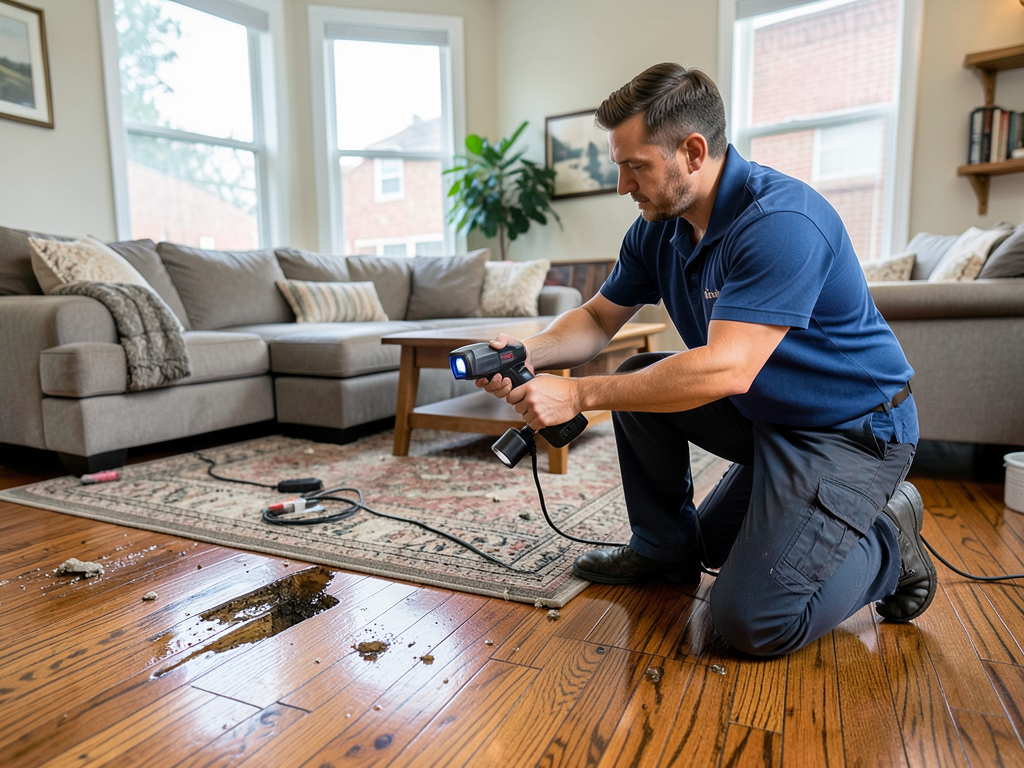
What to Do When Your Aquarium Seals Fail and Flood Your Living Room Floor When aquarium seals fail, Dallas homeowners face a unique water damage emergency. A standard 100-gallon glass tank holds over 800 pounds…
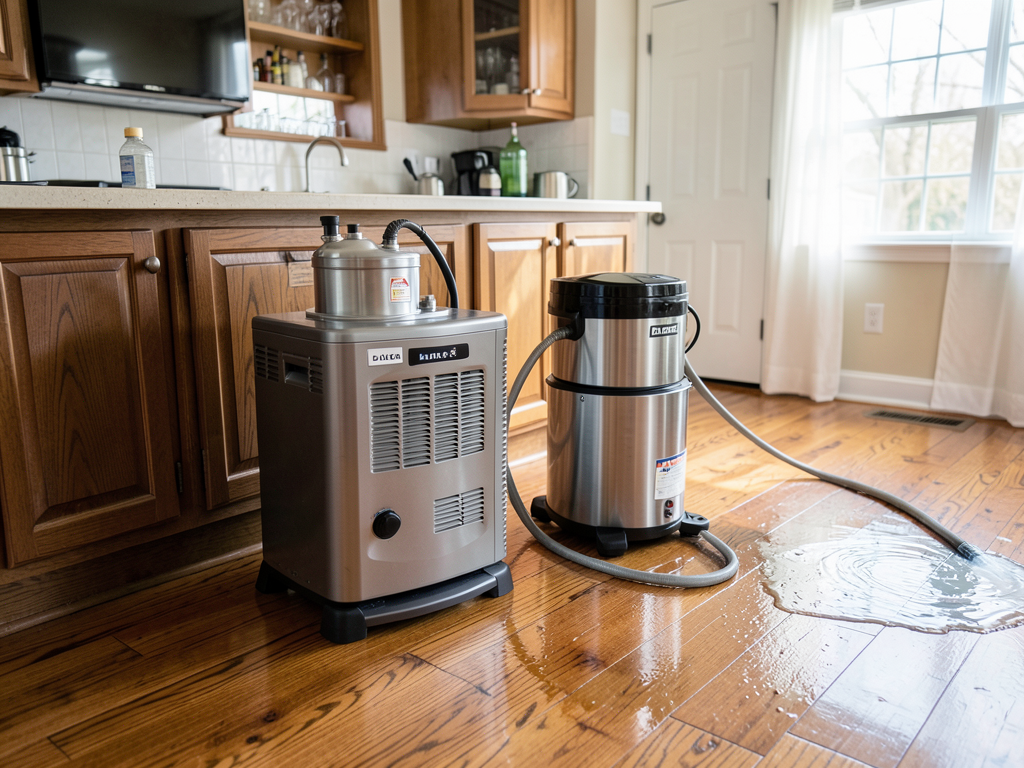
Fixing a Leaky Beer Tap or Kegerator Before it Destroys Your Dallas Man Cave A…
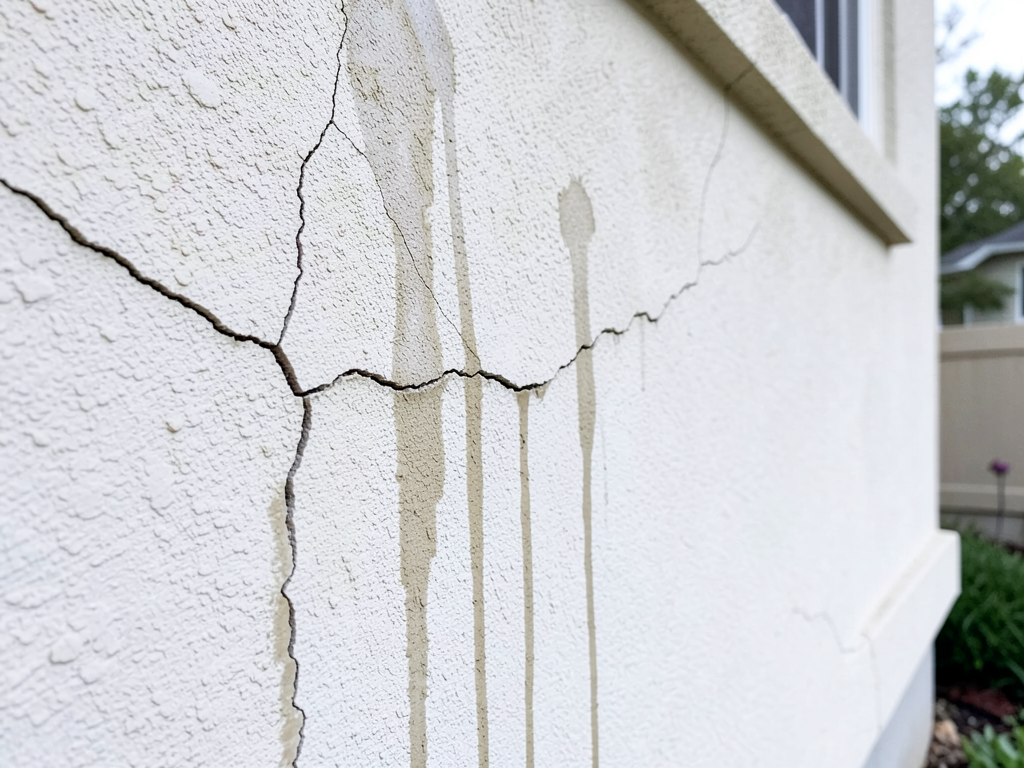
How Hairline Cracks in Your Stucco Exterior are Letting Water Into Your Preston Hollow Home…
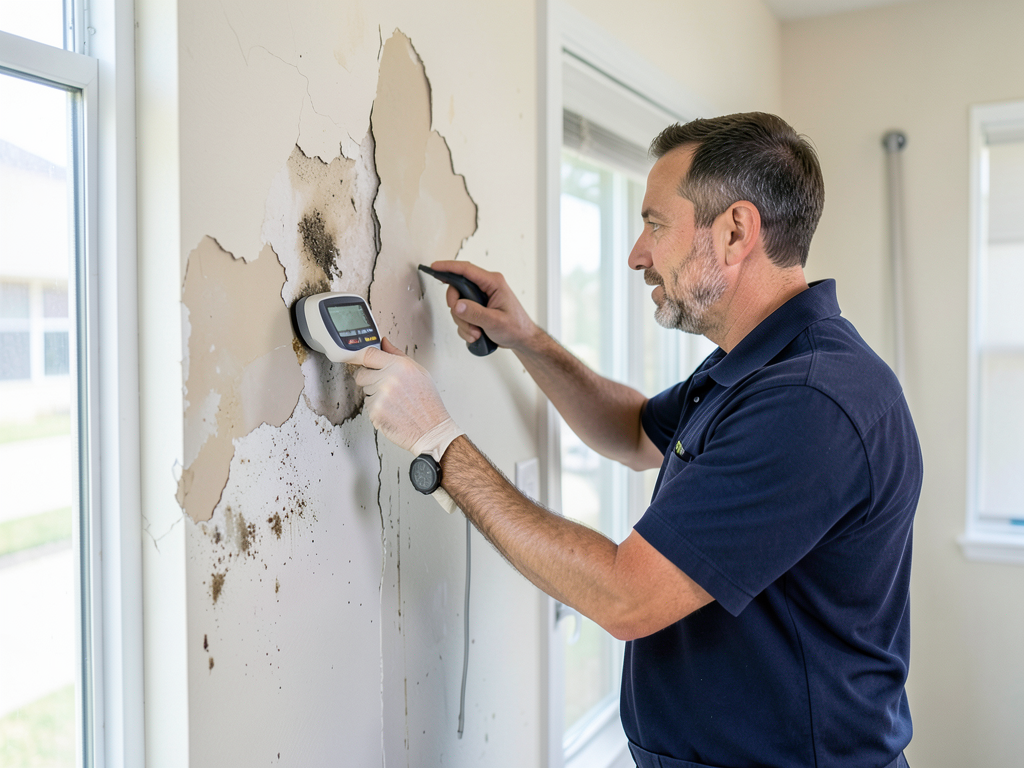
How the Dallas Heat Accelerates Mold Growth Within Just Hours of a Pipe Burst The…
Every hour of delay allows water to spread deeper into your property's structure. Call (972) 886-5955 right now for 60-minute emergency response to your Addison property. Our certified technicians are standing by 24/7 with equipment ready to stop the damage and start your restoration.