Menu

Basement Waterproofing Guide – Dallas's Most Comprehensive Resource for Protecting Your Foundation

Learn proven basement sealing techniques, foundation waterproofing methods, and wet basement solutions designed specifically for Dallas's expansive clay soil and seasonal flooding challenges.

Slider Image 1
Slider Image 2
Slider Image 3
Slider Image 4
Slider Image 5
Slider Image 7
Slider Image 8
Slider Image 9
Slider Image 10
Slider Image 11

Why Dallas Basements Face Unique Water Intrusion Challenges

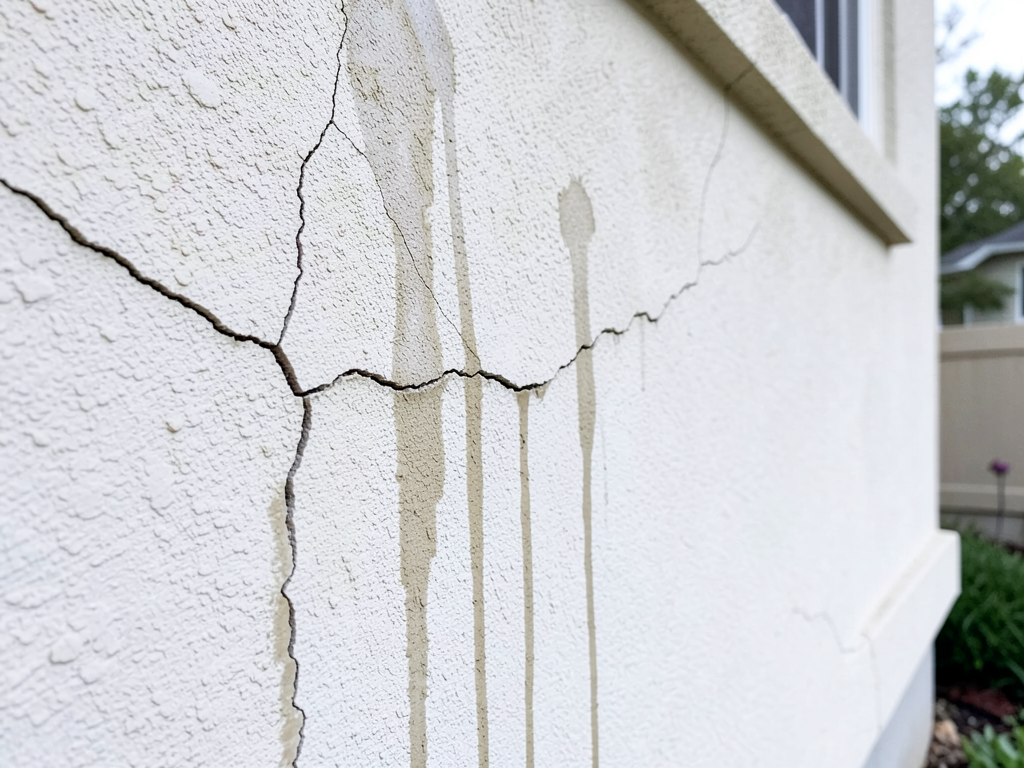
Dallas sits on expansive clay soil that shifts dramatically with moisture changes. When rain saturates the ground, clay expands and pushes against foundation walls. During dry spells, the soil contracts and pulls away, creating gaps where water pools during the next storm. This cycle repeats year after year, cracking foundation walls and allowing water to seep into basements.

The city receives approximately 38 inches of rain annually, with intense spring storms dumping several inches in hours. Flash flooding overwhelms drainage systems in neighborhoods like Oak Cliff, Lakewood, and East Dallas. Water finds the path of least resistance, which often means straight through vulnerable basement walls or floor joints.

Many Dallas homes built before 1990 lack modern waterproofing membranes. The original construction relied on basic tar coatings that deteriorate over time. Add in poor grading around foundations, clogged gutters, and inadequate sump pump systems, and you have a recipe for chronic basement moisture problems.

Understanding how to waterproof a basement starts with recognizing these local factors. Foundation waterproofing methods that work in other regions may fail here because they do not account for clay soil movement. You need basement sealing techniques specifically designed for Dallas's geological and climatic conditions. Generic wet basement solutions will not address the root cause of intrusion, which means you will face the same problems again next season.

The good news is that proper leaky basement repair stops water permanently when you use the right approach for local conditions.

Why Dallas Basements Face Unique Water Intrusion Challenges
The Science Behind Effective Basement Waterproofing

The Science Behind Effective Basement Waterproofing

Effective basement waterproofing requires a multi-layer defense system, not a single product or quick fix. The approach begins with exterior excavation to expose foundation walls from grade level down to the footer. This allows proper inspection of cracks, honeycombing, and joint failures that create entry points for water.

We apply a rubberized asphalt membrane or polymer-modified coating directly to cleaned foundation walls. This creates a flexible barrier that moves with clay soil expansion without cracking. The membrane extends from the footer up past grade level to prevent water from wicking down from surface runoff.

Next comes drainage plane installation. We position dimpled drainage board against the waterproof membrane to create an air gap. Water that reaches the foundation wall flows down the board instead of pressing against the barrier. This reduces hydrostatic pressure, which is the force that drives water through even small foundation defects.

At the footer level, we install or upgrade the perimeter drain system. A four-inch perforated drain pipe surrounded by washed gravel collects water before it reaches foundation walls. The pipe slopes toward a collection point or daylight outlet, removing water from the building envelope entirely.

Interior solutions complement exterior work. We install or repair sump pump systems with battery backup to handle water that enters through floor slabs. Vapor barriers on walls prevent moisture transmission through concrete. Dehumidification systems control ambient humidity to stop condensation and mold growth.

This layered approach addresses both active water intrusion and passive moisture migration. It accounts for Dallas's soil conditions and weather patterns. Liberty Water Damage Restoration Riverside uses these proven foundation waterproofing methods because they deliver permanent results, not temporary fixes that fail after the next heavy rain.

What Happens During a Professional Basement Waterproofing Project

Basement Waterproofing Guide – Dallas's Most Comprehensive Resource for Protecting Your Foundation
01

Foundation Assessment and Diagnosis

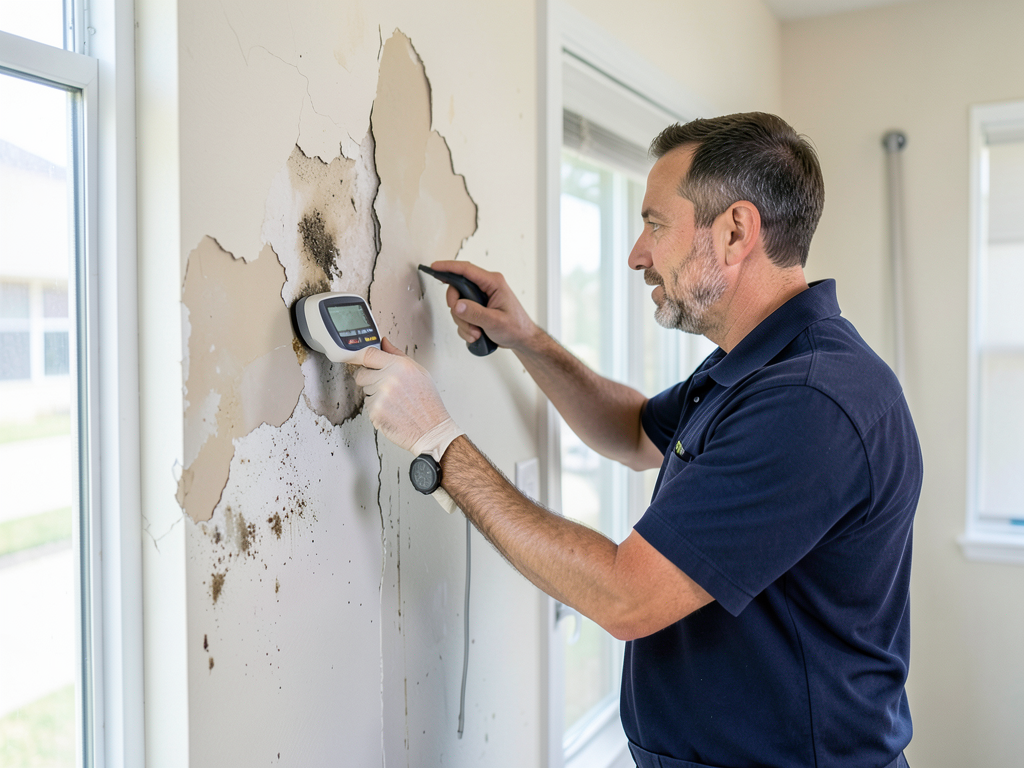
We conduct interior and exterior foundation inspection using moisture meters, thermal imaging, and visual examination to identify all water entry points and structural issues. This diagnostic phase maps crack patterns, checks footer condition, evaluates existing drainage systems, and measures moisture levels in walls and floors. We test soil drainage capacity and document grading problems that contribute to water pooling near your foundation.
02

System Design and Installation

Based on assessment findings, we design a customized waterproofing system that addresses your specific failure points. Installation includes excavation, membrane application, drainage board placement, footer drain installation or repair, and interior sump pump systems. We coordinate all phases to minimize disruption and protect landscaping. Each component integrates with the others to create a complete moisture management system tailored to your property's unique challenges and Dallas's clay soil conditions.
03

Testing and Long-Term Monitoring

After installation, we conduct water testing to verify the system performs correctly under simulated storm conditions. We check all drainage paths, test sump pump operation and backup systems, and verify moisture barriers seal properly. You receive documentation of all work completed, maintenance schedules for pumps and drains, and guidance on monitoring your basement for any future issues. We remain available for follow-up inspections to ensure continued protection.

Why Local Expertise Matters for Dallas Foundation Protection

Companies that operate nationally or regionally often apply standardized waterproofing approaches that do not account for Dallas's specific soil and climate challenges. They use the same methods in Dallas that they use in Houston, Austin, or Fort Worth, even though each city has different geological conditions. This one-size-fits-all mentality leads to system failures because the waterproofing strategy does not match local ground conditions.

Dallas's expansive clay soil requires specialized knowledge about soil mechanics and foundation movement. We understand how the Eagle Ford Formation clay behaves during wet and dry cycles. We know which neighborhoods have particularly challenging soil conditions based on years of working throughout the metro area. This knowledge informs every decision we make about waterproofing method selection, drainage system design, and long-term maintenance recommendations.

Local building codes also play a role. Dallas has specific requirements for foundation repair and drainage modifications. We maintain current knowledge of these regulations and obtain proper permits for excavation and drainage work. This protects you from code violations that could complicate future property sales or insurance claims.

Liberty Water Damage Restoration Riverside has worked in Dallas neighborhoods from Uptown to South Dallas, from Lakewood to Oak Cliff. We have seen how different soil conditions affect foundations in various parts of the city. We know which basement waterproofing methods hold up over multiple storm seasons and which fail prematurely. This experience allows us to recommend solutions that actually work long-term instead of requiring repeated repairs.

We also understand local weather patterns. Spring storm systems that stall over North Texas can dump rainfall faster than soil can absorb it. We design drainage systems with capacity to handle these intense precipitation events, not just average rainfall. This forward-thinking approach prevents system overload during the storms that cause the most damage.

What to Expect from Professional Basement Waterproofing

Project Timeline and Scheduling

Complete basement waterproofing typically requires five to ten days depending on the scope of work and your foundation's condition. Exterior excavation takes two to three days, membrane and drainage installation takes two to three days, and backfilling plus grading requires one to two days. Interior work like sump pump installation can happen simultaneously with exterior work to minimize total project duration. We schedule projects during dry weather whenever possible to ensure proper material curing and optimal working conditions. Emergency situations like active flooding receive priority scheduling, often starting within 24 hours of your call to stop immediate damage while we plan comprehensive repairs.

Initial Inspection and Proposal Development

We begin with a thorough foundation assessment that examines all potential water entry points and structural concerns. This inspection includes moisture testing, crack mapping, drainage evaluation, and soil analysis around your foundation perimeter. We check existing waterproofing systems to determine if they can be upgraded or require complete replacement. You receive a detailed written proposal explaining exactly what work we recommend, why each component is necessary for your specific situation, and what results you can expect. We explain technical aspects in clear language and answer all questions before you commit to moving forward. This transparency ensures you understand exactly what you are getting and why it matters for protecting your Dallas home.

Quality Standards and Performance

We use commercial-grade waterproofing membranes, properly graded drainage stone, and high-capacity sump pumps designed for Texas soil conditions. All materials meet or exceed manufacturer specifications for our climate zone. Our installation follows best practices for waterproofing in expansive clay soil, including proper membrane overlap, secure drainage board fastening, and correctly sloped drain pipes. After completion, your basement remains dry during heavy rains because water cannot penetrate the multiple defense layers we install. The system requires minimal maintenance beyond periodic sump pump checks and gutter cleaning. You gain peace of mind knowing your foundation is protected against Dallas's challenging weather and soil conditions for years to come.

Ongoing Support and Maintenance

After installation, we provide detailed maintenance guidelines for keeping your waterproofing system functioning optimally. This includes sump pump testing schedules, drain cleaning recommendations, and signs to watch for that might indicate emerging issues. We offer annual inspection services to verify all components continue working correctly and catch minor problems before they become major failures. If you experience any concerns after installation, we respond quickly to assess the situation and make any necessary adjustments. Our goal is not just to install a system and disappear, but to ensure your basement stays dry permanently through proper ongoing care and support.

Frequently Asked Questions

You Have Questions,
We Have Answers

What is the best waterproofing method for basements? +

Interior drain tile systems paired with a sump pump offer the most reliable waterproofing method for Dallas basements. This approach captures groundwater before it enters your foundation and redirects it away from the structure. Dallas sits on expansive clay soil that swells when wet and shrinks when dry, creating foundation movement and cracks. An interior perimeter drain system handles this constant pressure better than exterior methods. The system installs along basement footings, channels water to a sump basin, and pumps it out. This method works year-round and addresses hydrostatic pressure from Dallas's unpredictable rainfall patterns.

How much does it cost to waterproof a 1000 sq ft basement? +

Waterproofing a 1000 square foot basement typically involves multiple cost factors rather than a flat price. The scope depends on whether you need interior drainage, sump pump installation, wall sealing, or exterior excavation. Dallas clay soil often requires more robust solutions than sandy regions. Your specific costs vary based on foundation age, existing damage severity, and water table depth. Most Dallas homeowners focus on interior perimeter systems because they handle soil movement better and cost less than exterior excavation. Request multiple assessments to understand what your specific foundation needs based on soil conditions and damage patterns.

What are common waterproofing mistakes? +

The biggest mistake is applying surface sealers without addressing hydrostatic pressure. Paint-on waterproofing products fail when groundwater pushes against basement walls from outside. Dallas homeowners often ignore grading issues that direct rainwater toward foundations. Another common error is installing interior drainage without proper sump pump capacity for North Texas storm volumes. Failing to extend downspouts at least six feet from the foundation compounds water intrusion. Many skip footer inspection before waterproofing, missing the root cause of leaks. DIY attempts without understanding soil mechanics and foundation movement patterns typically create bigger problems than they solve.

Why not use Drylok on basement walls? +

Drylok and similar masonry coatings trap moisture inside concrete rather than solving water intrusion. When hydrostatic pressure forces groundwater through basement walls, paint-on sealers create a moisture barrier on the wrong side. Water gets trapped in the concrete, causing spalling, white mineral deposits, and structural deterioration over time. Dallas foundations face constant expansion and contraction from clay soil movement. This creates hairline cracks that breach any surface coating. Drylok might stop minor dampness temporarily, but it fails against active water pressure. You need to address the water source outside or install interior drainage to relieve pressure.

What are the three types of basement waterproofing? +

The three main basement waterproofing types are interior, exterior, and drainage management. Interior waterproofing includes drain tile systems installed along footings, sump pumps, and vapor barriers on walls. This method is most common in Dallas because it handles clay soil movement effectively. Exterior waterproofing involves excavating around the foundation, applying waterproof membranes, and installing drain tile outside. Drainage management focuses on gutters, downspout extensions, grading improvements, and yard drainage to keep water away from foundations. Most Dallas properties need a combination approach. Interior systems provide the primary defense while proper drainage reduces pressure on the foundation.

Does Drylok ruin concrete? +

Drylok does not ruin concrete initially, but it causes long-term damage by trapping moisture inside. The product seals the surface while water continues entering from outside under pressure. Trapped moisture has nowhere to go, so it saturates the concrete from within. This leads to efflorescence (white mineral staining), spalling (surface flaking), and freeze-thaw damage in winter. Dallas clay soil creates constant hydrostatic pressure against foundations. When you seal only the interior surface, you force moisture to travel through the concrete, weakening it over years. The coating itself performs as designed, but the application strategy creates the damage.

Will insurance pay for basement waterproofing? +

Standard homeowners insurance rarely covers basement waterproofing because insurers classify it as maintenance and foundation issues as pre-existing conditions. Most policies exclude damage from groundwater, foundation movement, or long-term seepage. Dallas clay soil causes foundation problems that develop over years, not sudden accidents insurance covers. If a pipe burst floods your basement, insurance may cover water removal and contents. Waterproofing to prevent future issues remains your responsibility. Some policies offer limited foundation coverage as riders, but these exclude wear and preventive work. Review your specific policy. Most Dallas homeowners pay for waterproofing out of pocket.

How to 100% waterproof a basement? +

Complete basement waterproofing requires multiple layers addressing both water entry and pressure relief. Install interior perimeter drain tile along footings to capture groundwater before it surfaces. Add a quality sump pump system with battery backup for Dallas power outages during storms. Apply vapor barriers to walls after drainage installation. Outside, extend downspouts at least six feet away, improve yard grading to slope away from foundations, and maintain gutters. Seal visible cracks from inside after drainage handles pressure. No single product creates perfect waterproofing. You need drainage to relieve pressure, barriers to block moisture, and exterior management to reduce volume.

How much is it to finish a 2000 sq ft basement? +

Finishing a 2000 square foot basement involves separate costs from waterproofing. This question addresses renovation rather than water intrusion prevention. Before finishing any Dallas basement, you must waterproof first. Otherwise, you risk ruining new walls, flooring, and electrical work. Finishing costs depend on materials, ceiling height, plumbing additions, and built-in features. Many Dallas homeowners discover water problems only after finishing basements because previous owners skipped waterproofing. Always address foundation integrity and drainage before investing in finishes. Waterproofing protects your finishing investment. Focus on keeping water out before creating living space.

Why can't you DIY waterproofing? +

DIY waterproofing fails because you cannot diagnose hydrostatic pressure patterns, footer conditions, or soil mechanics without training and equipment. Dallas clay soil expands and contracts with moisture, creating forces that change seasonally. You need to identify where water enters, why pressure builds, and how your specific foundation responds to soil movement. Improper drainage installation can direct water toward footings instead of away. Incorrect pump sizing leaves you vulnerable during heavy storms. You might seal the wrong surfaces or miss structural damage. Foundation work affects your home's stability and resale value. Professional assessment protects your investment better than guesswork.

How Dallas's Expansive Clay Soil Demands Specialized Basement Waterproofing

Dallas sits on Eagle Ford Formation clay that expands up to ten percent when saturated and shrinks dramatically during drought. This constant movement stresses foundation walls and creates cracks that allow water intrusion. Standard waterproofing membranes designed for stable soils crack and fail under this stress. Basement waterproofing in Dallas requires flexible materials that accommodate soil movement without compromising the water barrier. Drainage systems must also handle both excess water during rainy periods and prevent soil desiccation during dry spells that causes foundation settlement. Understanding these soil mechanics is critical for selecting foundation waterproofing methods that actually work long-term in our region.

Liberty Water Damage Restoration Riverside has specialized in Dallas foundation protection for years, giving us deep knowledge of local soil behavior and weather patterns. We understand how different neighborhoods experience unique drainage challenges based on their elevation, soil composition, and proximity to water features like White Rock Lake or the Trinity River. This local expertise means we design basement sealing techniques specifically for your property's conditions rather than applying generic solutions. Choosing a local water damage restoration specialist ensures your investment delivers lasting protection instead of temporary fixes that fail during the next severe storm season.
Water Damage Services in The Dallas Area

We are proud to serve the entire Dallas area and surrounding communities. Our strategically located office allows for quick and efficient dispatch of our teams to your location, ensuring a rapid response to your water damage emergency. View our service area on the map to see how we can assist you, and don't hesitate to contact us for immediate help no matter where you are.

Address:
Peak Water Damage Restoration Dallas, 3510 Ross Ave, Dallas, TX, 75204

Additional Services We Offer

Our news updates

Latest Articles & News from The Blogs

Handling an Outdoor Kitchen Leak Before It Ruins Your Sachse Home’s Foundation \n\n Your outdoor kitchen in Sachse is more…

Handling an Outdoor Kitchen Leak Before It Ruins Your Sachse Home’s Foundation

Handling an Outdoor Kitchen Leak Before It Ruins Your Sachse Home’s Foundation \n\n Your outdoor kitchen in Sachse is more…

How to Manage Unexpected Water Damage While You’re Away from Your Sunnyvale Home

How to Manage Unexpected Water Damage While You’re Away from Your Sunnyvale Home Coming home to water damage after a…

Deciding Between Sump Pumps and Gravity Drains for Better Drainage in Rowlett

Deciding Between Sump Pumps and Gravity Drains for Better Drainage in Rowlett Water pooling around your Rowlett foundation signals a…

Contact Us

Do not wait for the next storm to flood your basement. Call Liberty Water Damage Restoration Riverside at (972) 886-5955 today for a comprehensive foundation assessment. We will explain exactly what your home needs and provide a detailed proposal for permanent water protection.