


Garland sits in the transition zone between blackland prairie clay and sandy loam, creating foundation movement that cracks slab foundations and ruptures supply lines. Spring thunderstorms dump 3 to 5 inches in hours, overwhelming aging drainage systems in neighborhoods like Meadowcreek and Firewheel. The Trinity River basin floods low-lying areas near Lake Ray Hubbard during heavy rain events, pushing water into crawlspaces and basements.
North Texas heat cycles between 100-degree summers and hard freezes create pipe expansion stress. Older homes in Downtown Garland and near Audubon Park have galvanized pipes that corrode from mineral-heavy groundwater, leading to sudden ruptures. Clay soil shrinks during drought and swells during rain, shifting foundations and breaking underground plumbing connections.
HVAC condensate lines clog in Garland's humid climate, causing overflow into attics and walls. Homes built before 2000 near Firewheel Town Center often have insufficient attic ventilation, trapping moisture that rots decking and promotes mold growth. Water heaters in garages fail without warning, flooding finished spaces before homeowners notice. These regional factors make rapid response and complete moisture removal essential to prevent secondary damage.
Peak Water Damage Restoration Dallas maintains a Garland response team equipped with truck-mounted extraction units, commercial dehumidifiers, and FLIR thermal cameras that detect moisture inside walls and under flooring. Our technicians hold IICRC Water Damage Restoration certification and complete annual training on the latest drying protocols and antimicrobial treatments.
We respond to Garland properties within 60 minutes because water damage compounds exponentially. In the first 24 hours, drywall wicks moisture 3 feet vertically, wood flooring cups, and mold spores activate. Our extraction equipment removes 99% of standing water in the first visit, then we deploy air movers and dehumidifiers in a scientifically calculated grid pattern to dry structural materials to industry standards.
Peak works directly with every major insurance carrier serving Garland. We document damage with detailed photo reports, moisture readings, and thermal imaging that supports your claim. Most customers never pay out of pocket beyond their deductible. We handle the entire insurance process while you focus on getting back to normal.
Our Garland team understands how North Texas construction methods affect water damage. We know that pier and beam foundations in older neighborhoods require different drying strategies than slab homes near Lake Ray Hubbard. We inspect HVAC ductwork for water intrusion and test crawlspaces for elevated humidity that leads to mold growth. This regional expertise prevents recurring problems and protects your property value.

Our Garland response team is on call 24/7 with fully equipped trucks stationed for rapid deployment. We arrive within one hour of your call with industrial extraction equipment, moisture meters, and thermal imaging cameras. Fast response stops water from spreading into unaffected areas and prevents mold activation. We immediately begin water removal and damage assessment while coordinating with your insurance carrier.

Every technician on our Garland team holds current IICRC Water Damage Restoration certification and completes ongoing training in advanced drying techniques. We follow industry-standard protocols for water classification, material drying, and antimicrobial treatment. Our certifications mean insurance companies trust our documentation and homeowners get restoration work that meets national standards for quality and safety.
Peak handles every aspect of your insurance claim from initial documentation through final approval. We photograph damage, measure moisture levels, create detailed loss reports, and communicate directly with adjusters. Our documentation includes thermal imaging and moisture mapping that proves the extent of damage. Most Garland customers pay only their deductible while we manage the entire claims process and restoration timeline.
We understand how Garland's clay soil, foundation types, and construction methods affect water damage patterns. Our team knows which neighborhoods have pier and beam foundations requiring crawlspace drying versus slab homes needing sub-floor extraction. We inspect for regional issues like HVAC condensate problems and foundation movement that cause recurring leaks. This local knowledge prevents future damage and protects your investment.
Peak Water Damage Restoration Dallas provides comprehensive water damage solutions for every type of loss affecting Garland homes and businesses. Our services range from emergency water extraction and structural drying to complete reconstruction and mold remediation. We handle burst pipes, roof leaks, appliance failures, sewage backups, and storm flooding with the same rapid response and professional expertise.
Our restoration process follows IICRC S500 standards for water damage mitigation. We classify water by contamination level and use appropriate extraction methods, antimicrobial treatments, and drying protocols for each situation. Every project includes moisture mapping with commercial-grade meters and thermal imaging to locate hidden water in walls, ceilings, and subfloors.
We coordinate all trades needed for complete restoration. Our team includes licensed plumbers who repair broken pipes, roofers who fix leak sources, and carpenters who rebuild damaged structures. This complete service approach means Garland property owners work with one trusted company from emergency response through final repairs. You get faster completion, better coordination, and a single point of contact for insurance communication.
When water invades your Garland property, immediate extraction prevents catastrophic damage. Our emergency team responds within 60 minutes with truck-mounted extractors that remove thousands of gallons per hour. We extract standing water from floors, carpets, and furnishings, then deploy commercial air movers and dehumidifiers to dry structural materials. Thermal imaging locates hidden moisture in walls and ceilings. We protect undamaged areas with containment barriers and document everything for insurance claims.
Proper drying prevents mold growth and structural failure. Peak uses a scientific approach with moisture meters and psychrometric calculations to design drying systems for your specific loss. We monitor drying progress daily with readings logged in multiple locations. Dehumidifiers pull moisture from the air while air movers create evaporation at material surfaces. Most structures reach dry standards in 3 to 5 days. We dry hardwood floors without removal when possible and use specialty equipment for unique materials.
After drying, Peak rebuilds your Garland property to pre-loss condition. Our licensed contractors replace drywall, install new flooring, repaint affected areas, and repair plumbing or roof leaks that caused damage. We match existing materials and finishes so repairs blend seamlessly. Our team coordinates all inspections and permits required by Garland building codes. You work with one company from water extraction through final walkthrough, eliminating the hassle of managing multiple contractors and ensuring quality throughout.
Garland's climate and construction patterns create predictable water damage scenarios. North Texas experiences severe thunderstorms from March through May, dropping heavy rain that overwhelms gutters and floods low-lying properties near Duck Creek and Rowlett Creek. Summer heat stresses HVAC systems, causing condensate line failures and frozen evaporator coil overflow. Winter freezes rupture exposed pipes in attics and garages.
Older neighborhoods near Downtown Garland and around Audubon Park contain homes built between 1950 and 1980 with original plumbing. Galvanized pipes corrode from mineral buildup and burst without warning, flooding multiple rooms before shutoff. Slab foundation homes develop leaks in copper lines running through concrete when clay soil shifts during drought and rain cycles.
Water heaters fail after 8 to 12 years, releasing 40 to 80 gallons into garages and adjacent living spaces. Washing machine supply lines crack and spray walls with pressurized water. Roof leaks develop around penetrations and in valleys where debris accumulates. Understanding these common scenarios helps Garland homeowners recognize warning signs and respond quickly to minimize damage.
North Texas experiences hard freezes several times each winter. Pipes in attics, garages, and exterior walls freeze when temperatures drop below 28 degrees for extended periods. Expanding ice cracks copper and PVC pipes, which flood homes when temperatures rise and water flows again. Insulation and heat tape prevent most freeze damage, but older Garland homes often lack proper protection in vulnerable areas.
Spring thunderstorms produce intense rainfall and occasional hail that damages shingles and flashing. Water enters through compromised roofs and accumulates in attics, saturating insulation and dripping into living spaces. Clogged gutters overflow and dump water against foundations, flooding crawlspaces and basements. Properties near Lake Ray Hubbard face additional risk from rising water levels during heavy rain events across the Trinity River watershed.
Most Garland homes built after 1970 have slab foundations with supply lines running through concrete. Shifting clay soil stresses copper pipes until they crack or separate at fittings. These leaks often go undetected for weeks, saturating soil under the slab and causing foundation settlement. High water bills and warm spots on floors indicate possible slab leaks requiring immediate investigation and repair.
Air conditioning systems in Garland run heavily from May through September, producing gallons of condensate daily. Drain lines clog with algae and debris, causing overflow from drip pans into attics and walls. Frozen evaporator coils from dirty filters create ice dams that melt and flood air handlers. Regular HVAC maintenance prevents most condensate problems, but failures still occur and require immediate water extraction to prevent ceiling damage.
Water damage creates panic. You need help now, not tomorrow. When you call Peak Water Damage Restoration Dallas, you reach a live person who dispatches a certified technician to your Garland property within 60 minutes. Our emergency response team arrives with extraction equipment, moisture detection tools, and protective gear ready to stop damage immediately.
We treat your property with respect. Technicians wear boot covers, use floor protection, and contain work areas to minimize disruption. You receive clear communication about what we find, what needs to happen, and how long restoration will take. We photograph damage, measure moisture levels, and create detailed documentation for your insurance claim before beginning work.
Peak coordinates directly with your insurance carrier. Most Garland homeowners pay only their deductible while we handle claims paperwork, adjuster communication, and approval processes. You get daily updates on drying progress and rebuild timelines. Our goal is complete restoration to pre-loss condition with minimal stress on your family or business operations.
Water spreads rapidly through porous materials. Drywall wicks moisture vertically at several inches per hour. Wood flooring absorbs water and cups within 24 hours. Our 60-minute response time stops this progression before damage becomes irreversible. We extract standing water first, then set up drying equipment in a calculated pattern based on material types and moisture levels. Faster response means less demolition, lower costs, and quicker return to normal.
You never wonder what is happening with your property. Our project manager explains findings from the initial assessment, outlines the restoration plan, and provides realistic timelines. You receive daily moisture readings showing drying progress and photos documenting equipment placement. We answer questions immediately and adjust plans if new damage appears during demolition. Insurance updates happen in real-time so you know exactly where your claim stands.
Peak does not consider the job complete until your Garland property looks and functions exactly as it did before water damage occurred. We match paint colors, replace flooring with identical materials, and ensure all repairs meet building codes. Our final walkthrough confirms every item on the scope of work is finished to your satisfaction. We guarantee our workmanship and remain available if any issues develop after project completion.
Every water damage project follows a proven sequence designed to stop damage, remove moisture, and restore your property. This systematic approach ensures nothing gets missed and restoration happens as quickly as possible.
Our Garland team arrives within 60 minutes to assess damage and begin water extraction. Technicians inspect all affected areas with moisture meters and thermal imaging cameras to locate visible and hidden water. We photograph damage, document moisture readings, and create a detailed loss report for insurance claims. Emergency services include stopping the water source if possible, extracting standing water, and protecting undamaged areas with containment barriers. You receive a clear explanation of findings and the restoration plan.
After extraction, we deploy commercial dehumidifiers and air movers in a scientifically calculated pattern. Equipment placement depends on room size, material types, and moisture levels. Technicians monitor drying progress daily with moisture readings logged at multiple locations. Most structures reach dry standards within 3 to 5 days. We adjust equipment as needed and provide daily updates on progress. Antimicrobial treatments prevent mold growth on affected surfaces. Drying continues until all materials meet industry-standard moisture levels.
Once drying is complete, our licensed contractors rebuild damaged areas. We replace drywall, install new flooring, repaint affected rooms, and repair any plumbing or roof leaks that caused the damage. All work meets Garland building codes and matches existing finishes. We coordinate required inspections and handle all permit paperwork. The final walkthrough confirms every repair meets your expectations and our quality standards. Your property is restored to pre-loss condition.
Professional water damage restoration follows IICRC S500 standards, which define proper protocols for water classification, material drying, and contamination control. Peak Water Damage Restoration Dallas technicians complete IICRC Water Damage Restoration certification and apply these standards on every Garland project.
Water is classified by contamination level. Category 1 is clean water from supply lines or rain. Category 2 is gray water from appliances or HVAC condensate containing some contamination. Category 3 is black water from sewage or flooding that requires specialized cleaning and antimicrobial treatment. Different categories demand different handling procedures and protective equipment.
We also classify materials by porosity. Class 1 affects materials with low porosity like concrete or plywood. Class 2 involves fast-drying materials in one room. Class 3 means water from overhead affecting walls, ceilings, insulation, and contents. Class 4 includes specialty materials like hardwood floors or plaster requiring extended drying times. This classification system determines equipment needs and drying duration.
Moisture mapping documents water migration patterns. We measure moisture at floor level, mid-wall, and ceiling height in multiple rooms. Thermal imaging reveals moisture inside wall cavities and under flooring without demolition. These readings guide equipment placement and prove when materials reach acceptable dryness levels.
Garland's climate affects drying calculations. High summer humidity slows evaporation rates and requires more dehumidification capacity. Winter heating systems create dry indoor air that accelerates drying. Our technicians adjust equipment based on psychrometric readings that account for temperature and humidity. This scientific approach prevents over-drying that damages materials or under-drying that allows mold growth.
All demolished materials are disposed of according to environmental regulations. We separate recyclable materials when possible and ensure proper handling of contaminated waste. Reconstruction work meets current building codes even when repairing older homes built to earlier standards.
The IICRC S500 Standard defines acceptable moisture levels for different building materials and establishes protocols for water damage restoration. Technicians must monitor moisture daily and adjust drying equipment based on psychrometric calculations. Materials must reach specific moisture content levels before reconstruction begins. Following these standards ensures complete drying that prevents mold growth and structural problems. Insurance companies require IICRC documentation for claim approval.
Restoration costs depend on water category, affected area size, material types, and drying duration. Emergency extraction and initial drying typically cost less than reconstruction. Category 3 sewage losses require specialized cleaning and cost more than clean water damage. Insurance covers most restoration costs after your deductible. Peak provides detailed estimates before beginning work and works within approved insurance amounts. Most Garland homeowners pay only their deductible.
Emergency extraction happens immediately upon arrival. Structural drying takes 3 to 5 days for most projects, though large losses or specialty materials may require longer. Reconstruction timelines depend on damage extent and material availability. A single-room project typically completes within 2 weeks from initial call to final walkthrough. Larger projects involving multiple rooms or structural repairs may take 4 to 6 weeks. We provide realistic timelines during initial assessment.
Professional water damage restoration companies maintain IICRC certification, general liability insurance, and workers compensation coverage. Technicians should hold current Water Damage Restoration Technician certification at minimum. Companies performing reconstruction must hold appropriate contractor licenses for plumbing, electrical, and general contracting work. Peak maintains all required certifications, insurance, and licenses. This protects Garland homeowners from liability and ensures quality work that meets industry standards.
This video explains water damage restoration processes for Garland, Texas properties. Peak Water Damage Restoration Dallas covers emergency water extraction, structural drying protocols, and complete restoration procedures. Learn about IICRC standards, moisture detection methods, and insurance coordination. The video addresses North Texas-specific challenges including clay soil foundation issues, freeze damage, and storm flooding. Viewers discover what to expect during professional water damage restoration from emergency response through final reconstruction.
Peak Water Damage Restoration Dallas serves every neighborhood across Garland and the greater North Texas region. Our response team knows the distinct characteristics of communities from downtown Garland near the historic square to growing residential areas around Firewheel Town Center. We respond to properties in established neighborhoods like Meadowcreek, where homes built in the 1970s often have original plumbing requiring specialized leak detection and repair approaches.
Properties near Lake Ray Hubbard face unique flooding risks during heavy rain events. Our team understands drainage patterns along Duck Creek and Rowlett Creek that affect low-lying areas. We have extensive experience with pier and beam foundations common in older sections near Audubon Park and Central Park, where crawlspace flooding requires different extraction methods than slab foundation homes.
The Firewheel area includes newer construction with modern plumbing systems but faces risks from rapid development that sometimes overwhelms stormwater infrastructure. We serve commercial properties along George Bush Turnpike and residential communities spreading north toward Lake Lavon. Our technicians know which neighborhoods have municipal water with high mineral content that accelerates pipe corrosion versus areas on well systems.
We maintain response capabilities throughout Dallas County and extend service to Rowlett, Sachse, and Wylie. Properties along Highway 78 and Interstate 30 receive the same rapid response as central Garland locations. Our dispatch system routes the closest available technician to minimize response time regardless of where you are located.
Understanding these geographic differences allows us to anticipate problems specific to your area. We know that homes east of Jupiter Road often have different construction methods than properties west of Shiloh Road. This local knowledge means faster diagnosis and more effective restoration strategies tailored to your neighborhood's specific characteristics.
Water damage restoration in Garland involves removing water, drying affected areas, and repairing damage to your property. Professionals assess the extent of damage, extract standing water using pumps and vacuums, then deploy industrial dehumidifiers and air movers. They monitor moisture levels in walls, floors, and ceilings to prevent mold growth. The process includes sanitizing affected areas, removing damaged materials, and restoring your home to pre-loss condition. Quick action is critical because water spreads rapidly and causes structural damage within hours. Most restoration companies in Garland offer 24/7 emergency response to minimize damage and protect your investment.
Response time makes the difference between minor repairs and major reconstruction. Water begins damaging building materials within minutes. Drywall absorbs moisture and weakens. Wood flooring swells and warps. Within 24 hours, mold spores start colonizing damp surfaces. Professional restoration teams in Garland arrive quickly to extract water and begin drying. They use moisture meters to identify hidden water pockets behind walls and under flooring. Faster response means lower restoration needs and reduced risk of permanent damage. Call a restoration company immediately after discovering water damage. Waiting even a few hours increases costs and extends recovery time significantly.
Your homeowners insurance typically covers sudden and accidental water damage. Burst pipes, appliance malfunctions, and storm damage usually qualify for coverage. Gradual leaks or maintenance-related issues often get denied. Document everything with photos and videos before cleanup begins. Contact your insurance company immediately to start a claim. Garland restoration companies work directly with insurance adjusters and understand claim requirements. They provide detailed documentation and moisture readings that support your claim. Keep receipts for all emergency expenses. Review your policy to understand deductibles and coverage limits. Some policies exclude certain water damage types, so read the fine print.
Water damage restoration in Garland involves removing water, drying affected areas, and repairing damage to your property. Professionals assess the extent of damage, extract standing water using pumps and vacuums, then deploy industrial dehumidifiers and air movers. They monitor moisture levels in walls, floors, and ceilings to prevent mold growth. The process includes sanitizing affected areas, removing damaged materials, and restoring your home to pre-loss condition. Quick action is critical because water spreads rapidly and causes structural damage within hours. Most restoration companies in Garland offer 24/7 emergency response to minimize damage and protect your investment.
Response time makes the difference between minor repairs and major reconstruction. Water begins damaging building materials within minutes. Drywall absorbs moisture and weakens. Wood flooring swells and warps. Within 24 hours, mold spores start colonizing damp surfaces. Professional restoration teams in Garland arrive quickly to extract water and begin drying. They use moisture meters to identify hidden water pockets behind walls and under flooring. Faster response means lower restoration needs and reduced risk of permanent damage. Call a restoration company immediately after discovering water damage. Waiting even a few hours increases costs and extends recovery time significantly.
Your homeowners insurance typically covers sudden and accidental water damage. Burst pipes, appliance malfunctions, and storm damage usually qualify for coverage. Gradual leaks or maintenance-related issues often get denied. Document everything with photos and videos before cleanup begins. Contact your insurance company immediately to start a claim. Garland restoration companies work directly with insurance adjusters and understand claim requirements. They provide detailed documentation and moisture readings that support your claim. Keep receipts for all emergency expenses. Review your policy to understand deductibles and coverage limits. Some policies exclude certain water damage types, so read the fine print.
Mold begins growing within 24 to 48 hours in damp environments. Garland's humid climate accelerates mold development after water damage. Mold spores exist everywhere but need moisture to multiply. Once established, mold spreads quickly through HVAC systems and porous materials. It causes health problems including respiratory issues and allergic reactions. Proper drying prevents mold growth. Restoration professionals measure humidity levels and use specialized equipment to dry your home thoroughly. They monitor progress daily and adjust equipment placement. If mold appears, trained technicians follow strict protocols to remove it safely. Prevention through fast water removal protects your family and property.
Restoration professionals use industrial-grade equipment far more effective than household fans. Truck-mounted pumps extract thousands of gallons quickly. Commercial dehumidifiers remove moisture from air and materials at rates impossible for consumer models. Infrared cameras detect hidden water behind walls and under floors. Moisture meters provide precise readings throughout the drying process. Air movers create optimal airflow patterns for faster evaporation. These tools work together systematically. Technicians position equipment strategically based on damage patterns and airflow science. They adjust settings as conditions change. This professional approach dries your home in days instead of weeks and prevents secondary damage.
Clean water comes from supply lines, rain, or condensation. Grey water contains some contamination from appliances like washing machines or dishwashers. Black water is highly contaminated from sewage backups or flooding. Each category requires different safety protocols and cleaning methods. Clean water needs extraction and drying. Grey water requires antimicrobial treatment and thorough sanitization. Black water demands protective equipment, complete removal of porous materials, and extensive disinfection. Garland restoration companies assess water category before beginning work. They follow health and safety standards specific to each contamination level. Never attempt to clean black water yourself.
Most restoration projects in Garland take three to seven days for water removal and structural drying. Simple scenarios with quick response finish faster. Extensive damage or delayed response extends timelines. Drying time depends on water amount, affected materials, and humidity levels. Technicians monitor moisture readings daily and continue until all materials reach acceptable dryness. Reconstruction adds weeks or months depending on damage severity. Replacing drywall, flooring, and cabinets takes time. Your restoration company provides a detailed timeline after initial assessment. Weather and material availability affect scheduling. Stay in communication with your project manager for updates.
Turn off water sources if safe. Shut off electricity to affected areas at the breaker box. Move valuables and furniture to dry areas. Remove standing water with mops or towels if limited. Open windows if weather permits to increase ventilation. Place aluminum foil under furniture legs to prevent stains. Take photos and videos of all damage for insurance documentation. Remove wet area rugs and lift drapes off floors. Do not use regular vacuums on standing water. Call a professional restoration company immediately. Avoid entering rooms with significant water if electrical hazards exist.
Technicians inspect your property and identify all affected areas. They measure moisture levels in floors, walls, and contents. Equipment gets placed strategically for optimal drying. Large dehumidifiers and air movers run continuously. The team monitors progress daily and adjusts equipment as needed. They document moisture readings and take photos throughout the process. Antimicrobial treatments prevent mold growth. Once materials reach proper dryness levels, reconstruction begins if needed. Professionals communicate regularly about progress and next steps. The goal is returning your home to pre-damage condition as quickly as possible while ensuring thorough drying.
Inspect plumbing regularly for leaks or corrosion. Replace worn hoses on washing machines and dishwashers every five years. Clean gutters and downspouts seasonally to prevent water pooling near foundations. Grade soil away from your home to direct water elsewhere. Install water detection devices near appliances and water heaters. Know where your main water shutoff valve is located. Check your roof annually for damaged shingles or flashing. Insulate pipes in cold weather to prevent freezing and bursting. Monitor water bills for unexplained increases indicating hidden leaks. Service your HVAC system regularly to prevent condensation issues.
Mold begins growing within 24 to 48 hours in damp environments. Garland's humid climate accelerates mold development after water damage. Mold spores exist everywhere but need moisture to multiply. Once established, mold spreads quickly through HVAC systems and porous materials. It causes health problems including respiratory issues and allergic reactions. Proper drying prevents mold growth. Restoration professionals measure humidity levels and use specialized equipment to dry your home thoroughly. They monitor progress daily and adjust equipment placement. If mold appears, trained technicians follow strict protocols to remove it safely. Prevention through fast water removal protects your family and property.
Restoration professionals use industrial-grade equipment far more effective than household fans. Truck-mounted pumps extract thousands of gallons quickly. Commercial dehumidifiers remove moisture from air and materials at rates impossible for consumer models. Infrared cameras detect hidden water behind walls and under floors. Moisture meters provide precise readings throughout the drying process. Air movers create optimal airflow patterns for faster evaporation. These tools work together systematically. Technicians position equipment strategically based on damage patterns and airflow science. They adjust settings as conditions change. This professional approach dries your home in days instead of weeks and prevents secondary damage.
Clean water comes from supply lines, rain, or condensation. Grey water contains some contamination from appliances like washing machines or dishwashers. Black water is highly contaminated from sewage backups or flooding. Each category requires different safety protocols and cleaning methods. Clean water needs extraction and drying. Grey water requires antimicrobial treatment and thorough sanitization. Black water demands protective equipment, complete removal of porous materials, and extensive disinfection. Garland restoration companies assess water category before beginning work. They follow health and safety standards specific to each contamination level. Never attempt to clean black water yourself.
Most restoration projects in Garland take three to seven days for water removal and structural drying. Simple scenarios with quick response finish faster. Extensive damage or delayed response extends timelines. Drying time depends on water amount, affected materials, and humidity levels. Technicians monitor moisture readings daily and continue until all materials reach acceptable dryness. Reconstruction adds weeks or months depending on damage severity. Replacing drywall, flooring, and cabinets takes time. Your restoration company provides a detailed timeline after initial assessment. Weather and material availability affect scheduling. Stay in communication with your project manager for updates.
Turn off water sources if safe. Shut off electricity to affected areas at the breaker box. Move valuables and furniture to dry areas. Remove standing water with mops or towels if limited. Open windows if weather permits to increase ventilation. Place aluminum foil under furniture legs to prevent stains. Take photos and videos of all damage for insurance documentation. Remove wet area rugs and lift drapes off floors. Do not use regular vacuums on standing water. Call a professional restoration company immediately. Avoid entering rooms with significant water if electrical hazards exist.
Technicians inspect your property and identify all affected areas. They measure moisture levels in floors, walls, and contents. Equipment gets placed strategically for optimal drying. Large dehumidifiers and air movers run continuously. The team monitors progress daily and adjusts equipment as needed. They document moisture readings and take photos throughout the process. Antimicrobial treatments prevent mold growth. Once materials reach proper dryness levels, reconstruction begins if needed. Professionals communicate regularly about progress and next steps. The goal is returning your home to pre-damage condition as quickly as possible while ensuring thorough drying.
Inspect plumbing regularly for leaks or corrosion. Replace worn hoses on washing machines and dishwashers every five years. Clean gutters and downspouts seasonally to prevent water pooling near foundations. Grade soil away from your home to direct water elsewhere. Install water detection devices near appliances and water heaters. Know where your main water shutoff valve is located. Check your roof annually for damaged shingles or flashing. Insulate pipes in cold weather to prevent freezing and bursting. Monitor water bills for unexplained increases indicating hidden leaks. Service your HVAC system regularly to prevent condensation issues.
We are proud to serve the entire Dallas area and surrounding communities. Our strategically located office allows for quick and efficient dispatch of our teams to your location, ensuring a rapid response to your water damage emergency. View our service area on the map to see how we can assist you, and don't hesitate to contact us for immediate help no matter where you are.
Address:
Garland, TX, 75040
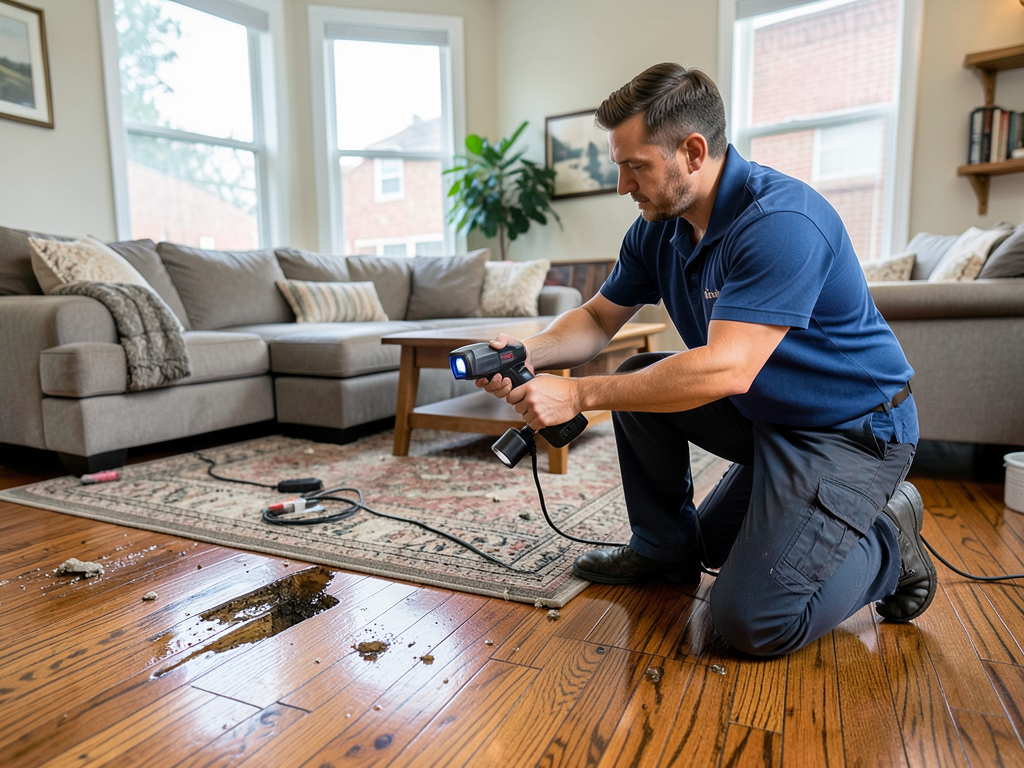
What to Do When Your Aquarium Seals Fail and Flood Your Living Room Floor When aquarium seals fail, Dallas homeowners face a unique water damage emergency. A standard 100-gallon glass tank holds over 800 pounds…
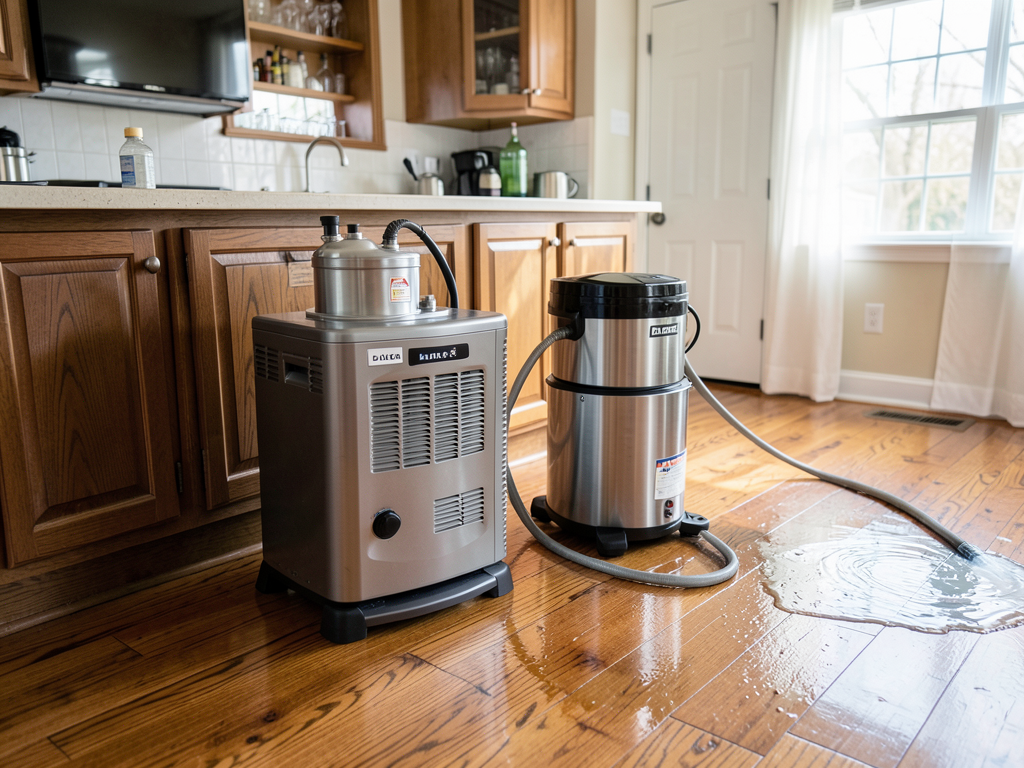
Fixing a Leaky Beer Tap or Kegerator Before it Destroys Your Dallas Man Cave A…
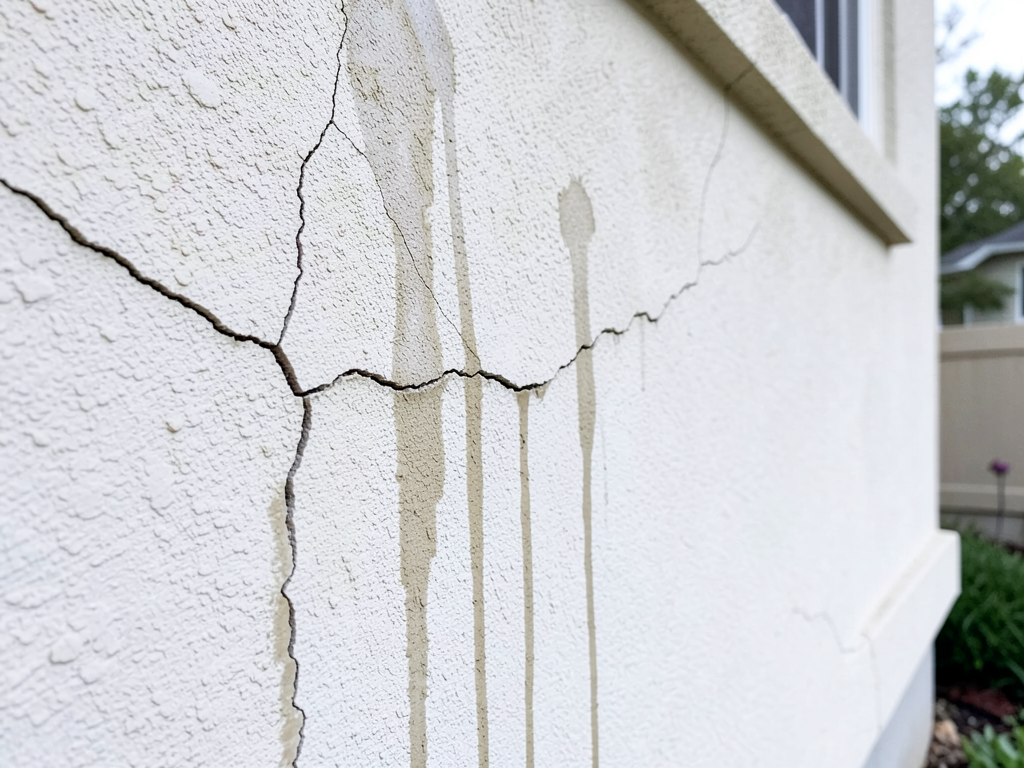
How Hairline Cracks in Your Stucco Exterior are Letting Water Into Your Preston Hollow Home…
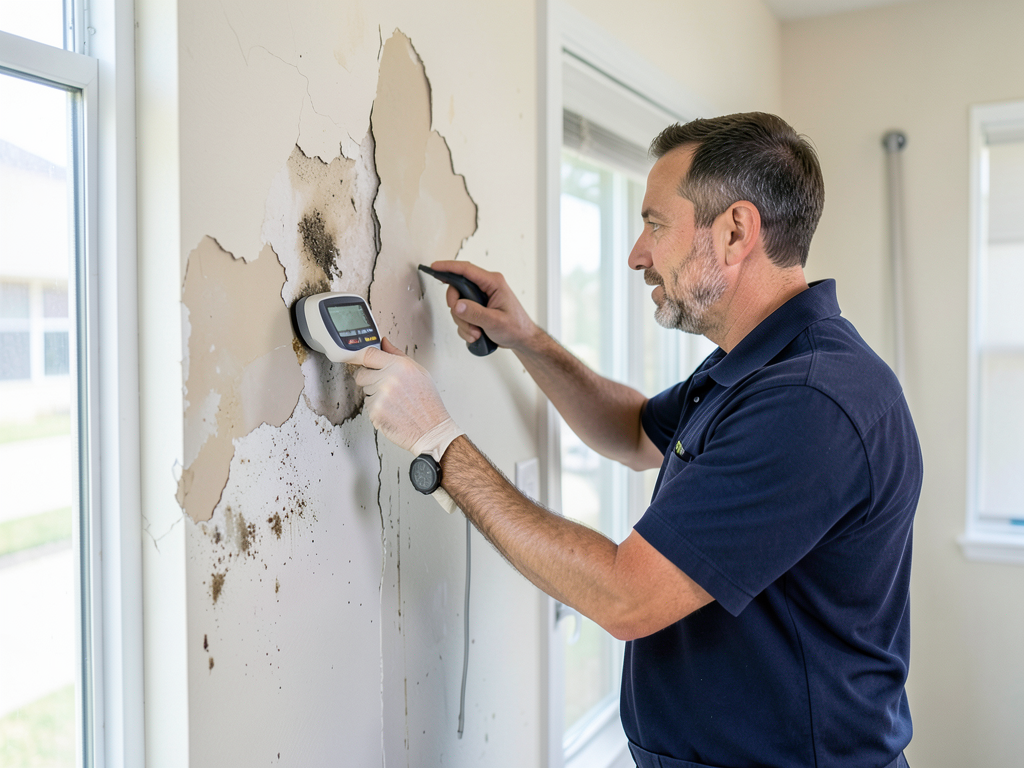
How the Dallas Heat Accelerates Mold Growth Within Just Hours of a Pipe Burst The…
Water damage spreads fast. Every minute counts. Call Peak Water Damage Restoration Dallas now at (972) 886-5955 for 60-minute emergency response anywhere in Garland. Our certified technicians are standing by 24/7 with equipment ready to stop damage and begin restoration immediately.