Menu

Risks of DIY Water Cleanup in Dallas – Why Amateur Extraction Creates Hidden Mold and Structural Damage

Understanding the dangers of DIY water damage restoration helps Dallas property owners avoid costly secondary damage, electrical hazards, and toxic mold growth that develops within 24-48 hours after improper water removal.

Slider Image 1
Slider Image 2
Slider Image 3
Slider Image 4
Slider Image 5
Slider Image 7
Slider Image 8
Slider Image 9
Slider Image 10
Slider Image 11

Why DIY Water Cleanup Fails in Dallas Homes and Buildings

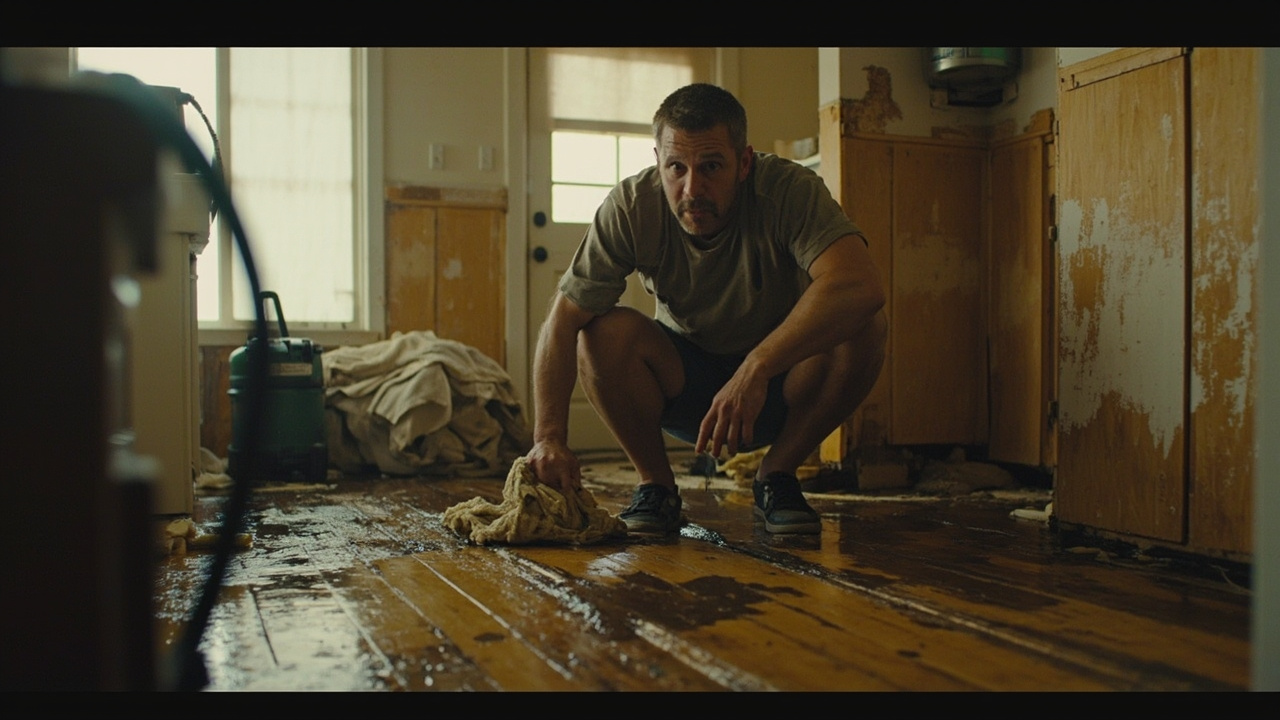
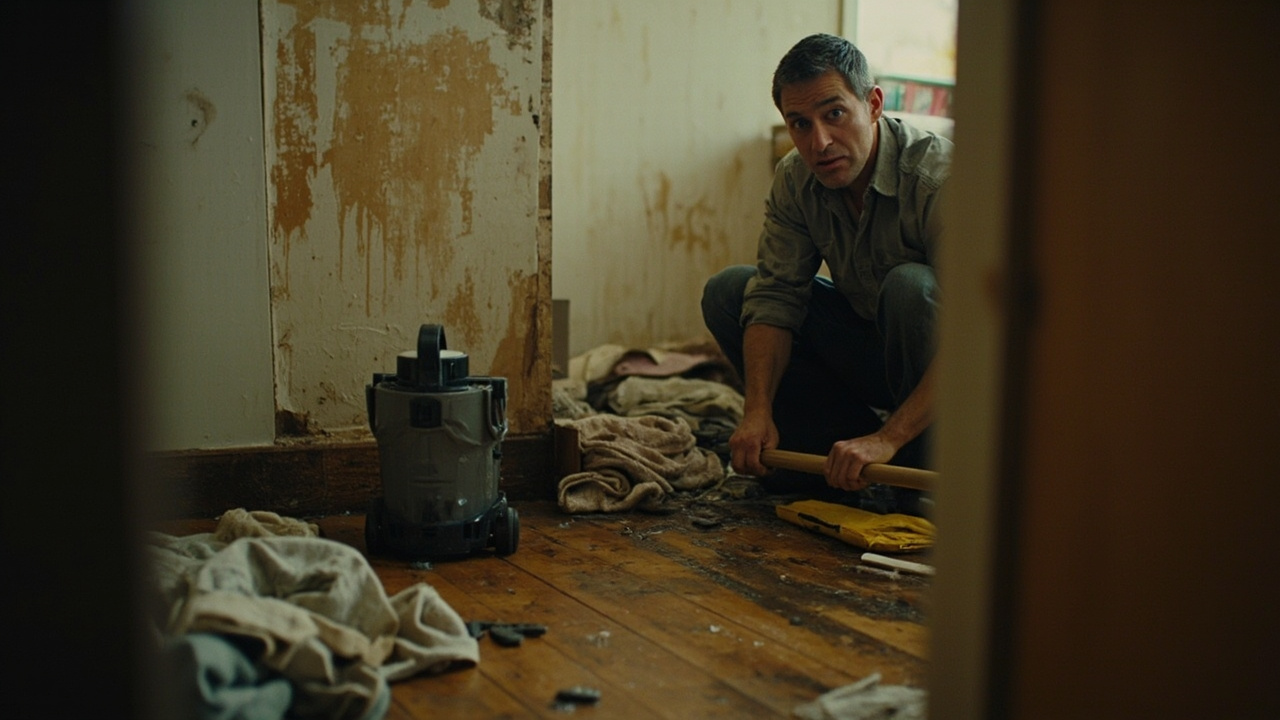
You mop up standing water, aim box fans at wet carpet, and think the problem is solved. Three weeks later, black mold climbs your drywall and your floors buckle.

The hazards of do-it-yourself water removal are amplified in Dallas because of our specific climate conditions. Dallas sits in USDA Hardiness Zone 8a, where average humidity ranges from 60-75 percent during spring and summer months. When you extract water without industrial dehumidification equipment, moisture wicks into wall cavities, under subflooring, and behind baseboards. That trapped moisture meets our warm ambient temperatures and creates the perfect incubator for mold colonies.

Dallas homes built on expansive clay soil face another challenge. When water saturates this soil, it swells. When you remove only surface water and ignore subsurface moisture migration, the clay beneath your foundation stays saturated longer than it should. This leads to differential settling, foundation cracks, and structural movement that would not occur with proper commercial-grade extraction and drying protocols.

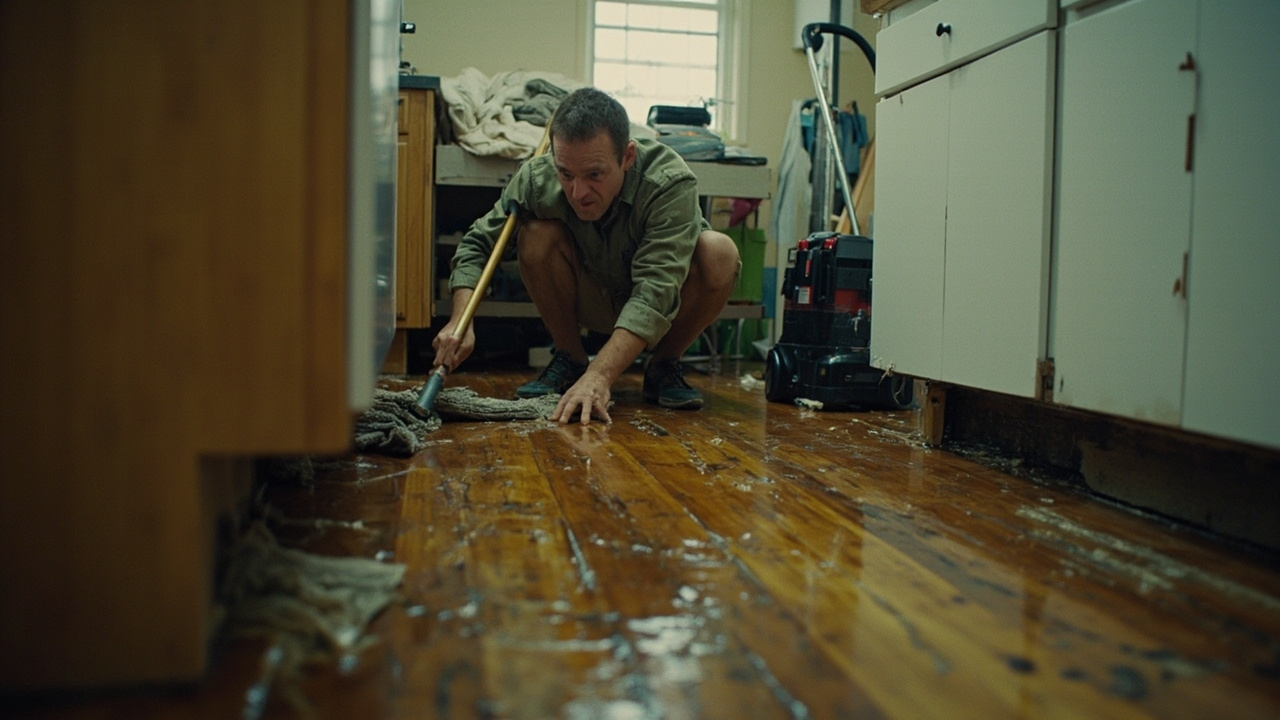
The consequences of amateur water cleanup extend beyond mold. Residential carpet padding retains 80-90 percent of its absorbed water even after surface extraction. Standard shop vacuums lack the lift power to pull water from padding backing and the subfloor beneath. Within 48 hours, that padding becomes a bacterial breeding ground. The carpet looks dry on top while the underlayment rots.

Dallas homeowners also underestimate electrical hazards. Water travels through wall cavities to outlets and junction boxes. Amateur cleanup rarely includes thermal imaging to trace moisture pathways or amperage testing to verify circuits are safe. You plug in fans and dehumidifiers without knowing if waterlogged wiring creates a shock or fire risk.

The hidden risks of self-managed water mitigation are not just financial. They are health risks, safety risks, and long-term property value risks.

Why DIY Water Cleanup Fails in Dallas Homes and Buildings
How Professional Water Extraction Prevents Secondary Damage

How Professional Water Extraction Prevents Secondary Damage

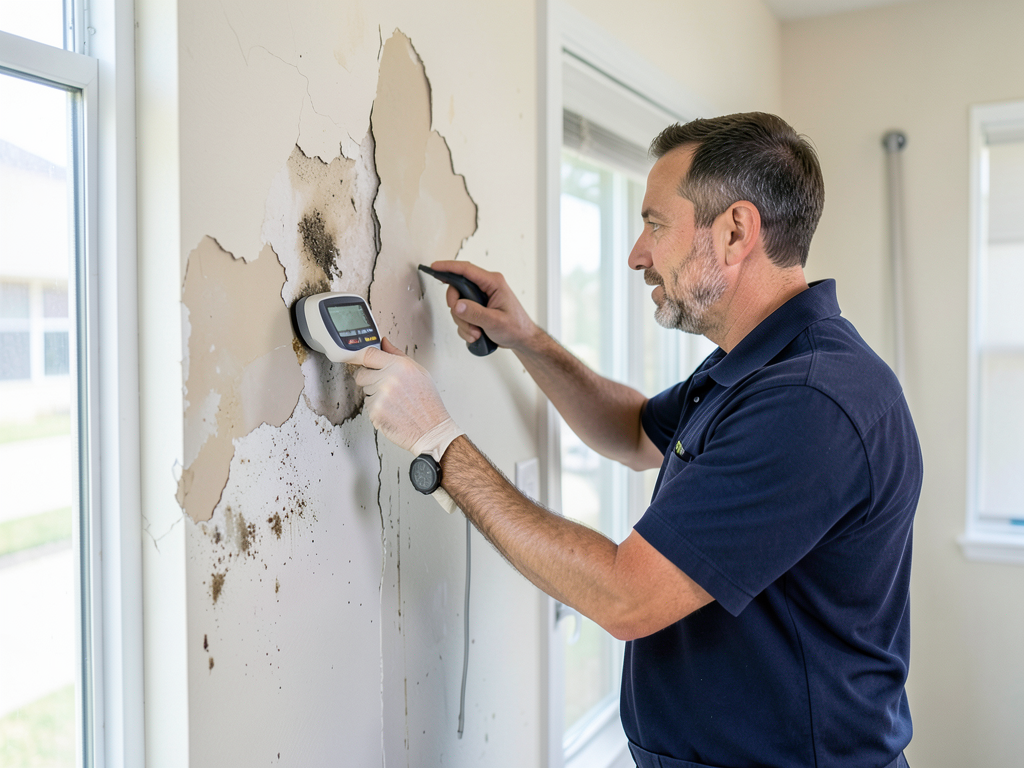
Professional water damage restoration starts with moisture mapping using thermal imaging cameras and pin-type moisture meters. These tools identify saturation levels in materials you cannot see. Drywall may read 12 percent moisture content on the surface but 40 percent moisture content at the stud cavity. That difference determines whether the wall dries in place or requires demolition.

We use truck-mounted extraction units that generate 200-400 CFM of airflow and 10-12 inches of water lift. This is not the same as a household wet-dry vacuum rated at 5-6 horsepower and 2 inches of lift. The difference is complete water removal versus surface removal. Complete removal stops bacterial growth, prevents delamination of flooring materials, and eliminates the conditions mold requires to colonize.

After extraction, we deploy commercial dehumidifiers rated for specific grain depression and calculate air changes per hour based on the cubic footage of affected spaces. A 2,000 square foot home with 8-foot ceilings requires approximately 16,000 cubic feet of air exchange every 60 minutes to achieve proper drying in 3-5 days. Consumer-grade dehumidifiers rated at 50 pints per day cannot achieve this. They extend drying time to 10-14 days, which guarantees mold growth in Dallas humidity.

We also inject desiccant packs into wall cavities and use injectidry systems to force heated air behind baseboards and under flooring. This targets the hidden moisture reservoirs that cause rot, odor, and structural damage months after you think the problem is resolved.

Antimicrobial treatment follows drying. We apply EPA-registered biocides to all affected surfaces to kill bacteria, neutralize odors, and prevent future microbial growth. This step is absent in DIY cleanup and explains why amateur jobs develop musty smells and visible mold within weeks.

Professional mitigation also includes documentation for insurance claims. We photograph moisture readings, log equipment runtime, and provide detailed scope-of-loss reports that support your claim and prevent underpayment.

What Happens When You Choose Professional Water Cleanup

Risks of DIY Water Cleanup in Dallas – Why Amateur Extraction Creates Hidden Mold and Structural Damage
01

Immediate Assessment and Containment

Within 60 minutes of your call, our technicians arrive with moisture detection equipment and begin mapping the extent of water migration. We photograph all affected areas, establish containment barriers to prevent cross-contamination, and document pre-loss conditions for insurance purposes. This step includes electrical safety checks using non-contact voltage testers to identify energized circuits in contact with water. We also classify the water source as clean, gray, or black water, which determines the required safety protocols and demolition scope.
02

Extraction and Structural Drying

We deploy truck-mounted extraction units to remove standing water, followed by weighted extraction on carpets and upholstery to pull subsurface moisture. Air movers position at angles to create laminar airflow across all wet surfaces, while commercial dehumidifiers run on closed-loop cycles to drop humidity below 40 percent. We monitor drying progress every 24 hours using moisture meters and thermal cameras, adjusting equipment placement based on real-time readings. Structural cavities receive direct injection drying to prevent hidden mold growth behind walls and under flooring.
03

Verification and Final Clearance

Before removing equipment, we verify all materials have returned to normal moisture content levels using calibrated hygrometers and moisture meters. We conduct a final thermal scan to confirm no residual moisture pockets remain in structural cavities. All affected areas receive antimicrobial treatment, and we document final moisture readings with timestamped photos. You receive a certificate of drying completion that confirms your property meets IICRC S500 standards for water damage restoration. This documentation protects you from future mold liability and supports insurance claim closure.

Why Dallas Property Owners Trust Liberty Water Damage Restoration Riverside

We have restored properties across Oak Lawn, Lakewood, and Bishop Arts District for over a decade. Our technicians know Dallas building construction, from post-war pier and beam foundations common in East Dallas to modern concrete slab construction in Uptown high-rises. This local knowledge matters because mitigation protocols vary based on structural design, soil conditions, and the age of building materials.

Dallas enforces specific building codes through the Department of Building Inspection. When water damage requires drywall removal or structural repairs, our work complies with 2021 International Residential Code (IRC) standards and local amendments. We pull permits when required, coordinate inspections, and ensure repairs meet code for resale and insurance purposes. Amateur repairs that violate code create liability during home sales and can void insurance coverage.

We also understand how Dallas insurance adjusters work. Most local adjusters use Xactimate estimating software and reference pricing specific to the Dallas-Fort Worth metro. Our estimates align with these databases, which prevents disputes over scope and pricing. We communicate directly with adjusters, provide required documentation within 24-48 hours, and attend on-site inspections to ensure accurate claim evaluation. This advocacy reduces your out-of-pocket costs and accelerates claim settlement.

Our response time averages 45-60 minutes citywide because we stage equipment at strategic locations near high-density residential areas. We serve Preston Hollow, Lakewood, Lower Greenville, and surrounding neighborhoods 24 hours a day, 365 days a year. When a water heater fails at 2:00 AM or a storm floods your basement during a Saturday night thunderstorm, we answer the phone and dispatch immediately.

The pitfalls of DIY water extraction compound over time. By the time you realize the job exceeded your capability, secondary damage has set in. Choosing professional mitigation from the start protects your property value, your health, and your insurance coverage.

What to Expect When You Call Liberty Water Damage Restoration Riverside

Rapid Response Time

We answer emergency calls 24 hours a day and dispatch crews within 45-60 minutes citywide. Our technicians carry moisture detection equipment, extraction units, and containment supplies on every truck, so work begins immediately upon arrival. We understand that water damage worsens by the hour. Every minute of delay increases restoration costs and the likelihood of permanent damage. When you call, you speak to a live technician who assesses the situation by phone and provides immediate guidance on safety concerns and damage mitigation steps you can take before we arrive. This combination of fast response and expert phone support minimizes loss severity and reduces overall claim costs.

Comprehensive Damage Assessment

Our initial evaluation includes thermal imaging, moisture mapping, and source identification. We trace water migration through wall cavities, flooring systems, and structural components to determine the full extent of damage. This assessment also classifies water contamination level according to IICRC S500 standards, which determines safety protocols and demolition requirements. You receive a written scope of work that details affected materials, required equipment, estimated drying time, and projected costs. This transparency allows you to make informed decisions and provides documentation your insurance carrier requires for claim approval. We also test for electrical hazards, structural compromise, and immediate safety concerns before beginning water removal.

Certified Drying Process

We use IICRC-certified drying protocols that meet national standards for water damage restoration. Our technicians monitor moisture levels daily using calibrated hygrometers and moisture meters, adjusting equipment placement based on real-time data. You receive daily updates on drying progress, equipment runtime logs, and moisture reading reports. Final clearance occurs only after all materials return to normal moisture content levels, verified by thermal imaging and moisture testing. This methodical approach prevents the hidden mold growth and structural rot that result from premature equipment removal. Your property is not considered dry until independent testing confirms it meets industry standards for moisture content in all affected materials.

Post-Restoration Documentation

You receive a certificate of completion that documents final moisture readings, antimicrobial treatments applied, and confirmation that all work meets IICRC S500 standards. This certificate protects you from future mold liability claims and provides proof of professional mitigation for insurance purposes and property sales. We also provide a detailed invoice with line-item pricing, equipment logs, and photo documentation of all work performed. This transparency supports insurance claim settlement and creates a permanent record of restoration work for future property transactions. Many homebuyers and insurance underwriters require proof of professional water damage mitigation. Our documentation satisfies these requirements and protects your property value.

Frequently Asked Questions

You Have Questions,
We Have Answers

How Dallas Clay Soil and Humidity Make DIY Water Cleanup Dangerous

Dallas sits on expansive clay soil that swells when saturated and shrinks when dry. This soil type, classified as Houston Black Clay in most residential areas, exerts tremendous pressure on foundation slabs and basement walls. When water damage occurs, amateur cleanup often removes surface water without addressing moisture that has migrated into the soil beneath your foundation. This saturation causes the clay to swell unevenly, creating differential pressure that cracks slabs and shifts pier and beam foundations. Professional mitigation includes subsurface moisture monitoring and foundation protection protocols that prevent this damage. Amateur cleanup ignores this critical factor because most homeowners lack the equipment and knowledge to detect subsurface moisture migration.

Our technicians have restored properties throughout Dallas County, from historic homes in Munger Place to modern developments in Victory Park. We work with local insurance adjusters daily and understand the claim documentation standards specific to this market. Dallas experiences severe thunderstorms from March through May, which cause the majority of residential water damage claims in our service area. We maintain relationships with local building inspectors, insurance claim managers, and restoration suppliers to ensure fast equipment access and smooth permit processing. When you choose a local restoration company, you benefit from established relationships that accelerate claim approval, reduce bureaucratic delays, and ensure repairs meet local code requirements. National franchise operations lack this community integration and local market knowledge.
Water Damage Services in The Dallas Area

We are proud to serve the entire Dallas area and surrounding communities. Our strategically located office allows for quick and efficient dispatch of our teams to your location, ensuring a rapid response to your water damage emergency. View our service area on the map to see how we can assist you, and don't hesitate to contact us for immediate help no matter where you are.

Address:
Peak Water Damage Restoration Dallas, 3510 Ross Ave, Dallas, TX, 75204

Additional Services We Offer

Our news updates

Latest Articles & News from The Blogs

Fixing a Leaky Beer Tap or Kegerator Before it Destroys Your Dallas Man Cave A slow drip from your beer…

Fixing a Leaky Beer Tap or Kegerator Before it Destroys Your Dallas Man Cave

Fixing a Leaky Beer Tap or Kegerator Before it Destroys Your Dallas Man Cave A slow drip from your beer…

How Hairline Cracks in Your Stucco Exterior are Letting Water Into Your Preston Hollow Home

How Hairline Cracks in Your Stucco Exterior are Letting Water Into Your Preston Hollow Home Stucco cracks wider than a…

How the Dallas Heat Accelerates Mold Growth Within Just Hours of a Pipe Burst

How the Dallas Heat Accelerates Mold Growth Within Just Hours of a Pipe Burst The Dallas heat and humidity create…

Contact Us

Water damage worsens every hour you wait. Call (972) 886-5955 now for immediate dispatch and professional moisture assessment. Our technicians are standing by 24 hours a day to protect your Dallas property from permanent damage.