


Irving sits in the Dallas Fort Worth metroplex where summer humidity peaks above 70 percent and severe thunderstorms dump inches of rain in hours. The clay soil underneath foundations holds moisture against your home's slab, creating pressure that forces water through cracks during heavy rain events. Once water enters your property, Irving's heat and humidity create the perfect environment for mold growth within 24 to 48 hours.
Properties near the Elm Fork of the Trinity River face additional flood risk during spring storms. Older homes in Las Colinas and Valley Ranch often have aging plumbing systems that fail without warning. Modern construction in developments near DFW Airport use building materials that absorb water quickly, spreading damage through walls and subfloors faster than traditional materials.
The combination of extreme weather, clay soil movement, and high humidity means water damage in Irving escalates rapidly. What starts as a small leak under a bathroom sink can become a major restoration project if moisture reaches wall cavities or the HVAC system. Fast response and proper drying equipment make the difference between a minor repair and extensive structural work. Irving homeowners need restoration teams that understand these local conditions and respond accordingly.
Peak Water Damage Restoration Dallas built our reputation responding to water emergencies across the Irving area with speed and complete transparency. We maintain fully stocked trucks positioned to reach any Irving neighborhood within an hour, carrying industrial water extractors, thermal imaging cameras, and commercial dehumidifiers that handle jobs from small leaks to major floods.
Our technicians hold IICRC certifications in water damage restoration and applied structural drying. We follow strict protocols that insurance companies recognize and approve, which speeds up your claim and gets you paid faster. Every job starts with moisture mapping using thermal imaging to find hidden water in walls and ceilings that standard meters miss. We document everything with photos and detailed reports that satisfy insurance adjusters and give you proof the work was done right.
What sets us apart is our approach to the restoration process. We explain what we find, why specific equipment is needed, and how long drying will take based on materials and moisture levels. No surprise charges or scope creep. You get a clear estimate before work begins, with direct billing to your insurance company if you choose. We coordinate with plumbers, electricians, and contractors when repairs extend beyond water extraction and drying.
Irving families call us because we treat water damage as the emergency it is. Burst pipes at 2 AM get the same response as storm flooding on Sunday afternoon. We answer our phones 24/7 and dispatch immediately because we know every hour of delay means more damage and higher costs. Our crews have restored properties throughout Irving for years, from historic homes in South Irving to new construction near Las Colinas Urban Center.

We dispatch certified technicians to any Irving location within one hour of your call. Our trucks carry professional extraction equipment, thermal imaging cameras, and commercial drying systems ready to stop water damage immediately. Fast response prevents mold growth and reduces total restoration costs significantly.

We work directly with your insurance company, handling all documentation and communication throughout the claim process. Our detailed moisture reports and photo documentation meet adjuster requirements, speeding approval and payment. You focus on your family while we handle the paperwork and negotiations.
Every crew member holds current certification from the Institute of Inspection Cleaning and Restoration Certification. We follow industry standards for water extraction, structural drying, and antimicrobial treatment. Our training ensures proper protocols that insurance companies trust and that protect your property from secondary damage.
Years of service across Irving neighborhoods taught us how local construction, soil conditions, and weather patterns affect water damage. We understand clay soil foundation movement, aging plumbing in established areas, and modern building materials in new developments. This local knowledge guides our restoration approach for better outcomes.
Peak Water Damage Restoration Dallas handles every type of water emergency Irving homeowners and businesses face. Our services cover the full spectrum from emergency water removal to complete structural drying and restoration. We categorize water damage by source and contamination level, which determines equipment, safety protocols, and drying methods.
Clean water from supply lines requires different handling than contaminated water from sewage backups. Storm flooding brings external contaminants that demand antimicrobial treatment. Each scenario follows specific protocols outlined by the IICRC and required by insurance companies for claim approval.
Our service range includes emergency water extraction using truck-mounted and portable systems, structural drying with commercial dehumidifiers and air movers, moisture detection through thermal imaging and invasive meters, content cleaning and pack-out services, antimicrobial treatment for contaminated water, and complete reconstruction after materials are removed. We handle residential and commercial properties throughout Irving, scaling our response to match the size and severity of damage. Small bathroom leaks get the same professional attention as multi-room flood restoration.
Our emergency extraction service removes standing water immediately using truck-mounted vacuums and portable extractors that handle thousands of gallons per hour. We respond to burst pipes, water heater failures, appliance leaks, and storm flooding across Irving 24 hours a day. Fast extraction prevents water from spreading to unaffected areas and reduces drying time significantly. Our crews move furniture, pull wet carpet padding, and extract water from subfloors before structural damage occurs. Every minute counts when water is actively damaging your property.
After water extraction, proper structural drying prevents mold growth and secondary damage to building materials. We position commercial dehumidifiers and high-velocity air movers based on moisture readings from thermal cameras and penetrating meters. Our technicians monitor drying progress daily, adjusting equipment placement and recording moisture levels until all materials reach dry standard. This process typically takes three to five days depending on materials affected and humidity levels. We provide daily updates and detailed logs that document the complete drying process for your insurance claim.
When water damage requires removing drywall, flooring, or other building materials, our restoration service handles complete reconstruction. We remove damaged materials, treat framing for mold prevention, and rebuild to match existing finishes. This includes drywall installation and finishing, flooring replacement, cabinet reinstallation, paint and texture matching, and trim carpentry. Our goal is returning your property to pre-loss condition with quality workmanship that meets or exceeds building codes. We coordinate all trades needed for complete restoration under one contract.
Irving's climate and construction patterns create specific water damage risks throughout the year. Summer thunderstorms drop heavy rain that overwhelms drainage systems and floods properties near the Trinity River floodplain. Winter freezes burst exposed pipes in attics and crawl spaces when temperatures drop below 32 degrees, which happens several times each winter despite our generally mild climate.
Aging plumbing systems in established neighborhoods like South Irving and northwest areas experience supply line failures and slab leaks as galvanized pipes corrode after decades of service. Newer developments face different challenges when builder-grade plumbing connections fail or HVAC condensate drains clog and overflow. The clay soil under Irving foundations shifts with moisture changes, cracking slabs and stressing plumbing connections until they leak.
Understanding these common scenarios helps homeowners recognize problems early, before small leaks become major restoration projects. Fast response to any water intrusion limits damage and keeps costs manageable. These are the most frequent water damage calls we handle across Irving properties.
Supply lines burst without warning when corrosion weakens pipes or freezing temperatures cause expansion. A single failed connection can release hundreds of gallons before you discover the problem. Water spreads through walls and ceilings, damaging multiple rooms quickly. We extract water, dry structural cavities, and coordinate with plumbers for permanent repairs.
Heavy thunderstorms overwhelm drainage systems and push water into homes through foundation cracks, window wells, and door thresholds. Properties near creeks and the Trinity River face additional flood risk during spring storms. Storm water contains external contaminants requiring antimicrobial treatment and careful material handling. We extract flood water and sanitize affected areas properly.
Water heaters fail when tanks corrode through or relief valves malfunction. A 40 gallon heater releases enough water to flood multiple rooms within minutes. Water heater failures often happen overnight when pressure builds as the unit heats water. We respond immediately to extract water and dry surrounding areas before moisture reaches wall cavities or creates mold conditions.
Pipes embedded in concrete slabs leak when clay soil movement stresses connections or corrosion creates pinhole openings. These leaks often go undetected until you notice wet carpet, high water bills, or foundation cracks. We use thermal imaging to locate hidden moisture and coordinate with foundation specialists when structural repairs are needed beyond water damage restoration.
From your first call to final inspection, we maintain clear communication about timeline, costs, and what happens next. Our process starts with an emergency response phone call where we gather basic information about the water source, affected areas, and immediate safety concerns. We dispatch a crew immediately while walking you through urgent steps to minimize damage before we arrive.
Our technician arrives with professional equipment and performs a complete assessment using moisture meters and thermal imaging. You receive a detailed explanation of damage severity, required equipment, estimated timeline, and costs before any work begins. We photograph everything for insurance documentation and create a moisture map showing exactly where water traveled through your property.
Throughout the restoration process, you receive daily updates on drying progress, equipment placement, and timeline adjustments. We answer questions about insurance claims, coordinate with adjusters, and handle communication with your insurance company if requested. Our goal is removing stress from an already difficult situation by taking charge of the technical work while keeping you informed at every step.
We explain what we find during assessment, why specific equipment is necessary, and how long drying will take based on materials and moisture levels. You receive a clear estimate before work begins with no hidden charges or surprise add-ons. Our technicians answer questions in plain language without technical jargon. Daily progress updates keep you informed as moisture levels drop and drying proceeds. This transparency builds trust and reduces the anxiety that comes with property damage emergencies.
We use commercial-grade water extractors, dehumidifiers, and air movers designed for structural drying. Thermal imaging cameras locate hidden moisture in walls and ceilings that standard meters miss. Our equipment operates continuously during the drying process with technicians adjusting placement based on daily moisture readings. This professional approach ensures complete drying that prevents mold growth and secondary damage. All equipment meets IICRC standards and insurance company requirements for proper restoration.
Every job includes detailed photo documentation, moisture logs, and equipment records that insurance adjusters require for claim approval. We create reports showing moisture levels at start, during drying, and at completion. This documentation proves work was performed correctly and materials reached dry standard. If you choose, we bill your insurance company directly and handle all communication with adjusters. Our thorough records speed the claim process and help you receive fair payment for covered damages.
We follow proven protocols that meet IICRC standards and insurance company requirements. This systematic approach ensures complete restoration while keeping you informed throughout the process.
Our technician arrives within 60 minutes to assess damage severity and water source. We use thermal imaging cameras and moisture meters to map affected areas including hidden moisture in walls and ceilings. You receive immediate explanation of what happened, what requires drying, and estimated timeline. We photograph all damage for insurance documentation. Safety hazards like electrical issues or structural concerns are identified and addressed. This assessment guides our restoration plan and provides the information needed for accurate estimates.
We extract standing water using truck-mounted and portable systems that remove thousands of gallons quickly. Furniture is moved and wet materials like carpet padding are removed to expose all affected surfaces. Commercial dehumidifiers and air movers are positioned based on moisture readings to dry structural materials efficiently. Our technicians monitor progress daily, recording moisture levels and adjusting equipment placement as needed. This phase typically runs three to five days until all materials reach dry standard and pass final inspection.
After structural drying is complete and verified, we begin restoration work. This includes replacing drywall, installing new flooring, repainting, and reinstalling trim or fixtures removed during water extraction. Our goal is returning your property to pre-loss condition with quality workmanship and materials that match existing finishes. Final walk-through ensures you are satisfied with all completed work. We provide documentation showing moisture readings at completion and warranty information for materials and labor performed.
Professional water damage restoration follows specific standards established by the Institute of Inspection Cleaning and Restoration Certification. These standards categorize water by contamination level and define protocols for safe handling, required equipment, and acceptable drying endpoints. Understanding these categories explains why restoration approaches differ based on water source.
Category 1 water comes from clean sources like supply lines and does not pose health risks. Category 2 water contains contaminants from sources like washing machine discharge or toilet overflow with urine only. Category 3 water is grossly contaminated from sewage backups, flooding, or any water that contacted contaminated surfaces. Each category requires different safety equipment, disposal methods, and treatment protocols.
The ANSI IICRC S500 Standard and Reference Guide for Professional Water Damage Restoration defines acceptable moisture levels for various building materials. Wood framing must reach 15 percent moisture content or less. Concrete slabs require readings below 4.5 percent on a calcium chloride test. Drywall needs to match moisture levels of unaffected areas in the same structure. These benchmarks are not arbitrary. They represent the moisture levels where mold growth and structural deterioration stop.
We verify these standards using calibrated moisture meters including penetrating pin meters that measure wood moisture directly and non-invasive meters that detect moisture presence without damaging surfaces. Thermal imaging cameras show temperature differentials that indicate moisture in wall cavities and ceiling spaces. This combination of tools ensures complete drying verification that satisfies insurance requirements and protects your property from future problems. Every job is documented with moisture logs showing readings at start, during drying, and at completion when materials pass final inspection at or below acceptable moisture levels.
Water damage is classified by contamination level from clean to grossly contaminated. Category 1 comes from sanitary sources and can be restored with standard equipment. Category 2 contains contaminants requiring antimicrobial treatment. Category 3 includes sewage or flood water demanding specialized handling, protective equipment, and controlled material disposal. These categories determine restoration protocols and insurance coverage.
Restoration costs depend on water category, affected area size, materials damaged, and accessibility. Clean water affecting only flooring costs less than sewage backup requiring wall removal. Drying equipment rental, labor hours, and material replacement drive total costs. Insurance typically covers sudden pipe failures but excludes gradual leaks from deferred maintenance. Fast response reduces costs by limiting damage spread and shortening drying time.
Most water damage drying takes three to five days depending on materials affected and environmental conditions. Concrete and hardwood require longer than drywall and framing. High humidity extends drying time while low humidity and good airflow accelerate it. We monitor moisture daily and adjust equipment until readings reach dry standard. Rushing this process leaves hidden moisture that causes mold growth weeks later.
Texas homeowner policies typically cover sudden water damage from burst pipes, appliance failures, and roof leaks during storms. Flood damage requires separate flood insurance through FEMA. Proper documentation including photos, moisture logs, and detailed estimates helps claims process smoothly. We provide all documentation required by adjusters and work directly with insurance companies when authorized.
This video explains the complete water damage restoration process for Irving Texas properties including emergency response procedures, water extraction techniques, structural drying methods, and insurance coordination. Peak Water Damage Restoration Dallas demonstrates professional equipment used for water removal and moisture detection, discusses common water damage scenarios in Irving, and explains IICRC standards for proper restoration. Viewers learn what to expect when calling for emergency water damage service including assessment, drying timelines, and restoration completion.
Peak Water Damage Restoration Dallas maintains service coverage across all Irving neighborhoods from Las Colinas to Valley Ranch and everywhere in between. Our central location allows rapid response to water emergencies throughout the city including established areas near downtown Irving, growing developments around DFW Airport, and residential communities along the northern border with Coppell.
We respond to calls from historic properties in South Irving where older plumbing systems require careful handling during restoration. The mid-century homes near MacArthur Boulevard face water damage from aging galvanized pipes and clay sewer lines that crack as foundations shift on expansive soil. These neighborhoods need technicians who understand traditional construction methods and can match period finishes during restoration work.
Las Colinas properties present different challenges with modern construction, HOA requirements, and luxury finishes that demand precise restoration techniques. The high-rise buildings and urban developments require coordination with property management and adherence to strict access protocols. We handle these commercial and residential projects with the same attention to detail and fast response times that single-family homes receive.
Valley Ranch and the neighborhoods near North Lake include both established homes and newer construction. Water damage in these areas often involves HVAC system failures, water heater leaks, and supply line issues common to properties built in the 1980s and 1990s. Our familiarity with construction methods from this era helps us locate hidden moisture and predict where water traveled through wall cavities and attic spaces.
Properties near the Trinity River floodplain and Elm Fork face additional water intrusion risk during heavy spring storms. We understand flood insurance requirements, contaminated water handling protocols, and the emotional stress that comes with storm damage. Our crews respond to these emergencies with appropriate safety equipment and the experience needed to restore flood-damaged properties properly.
Whether you need emergency water extraction in downtown Irving, structural drying near DFW Airport, or complete restoration in any Irving neighborhood, Peak Water Damage Restoration Dallas provides the same fast response and professional service. We know the streets, understand local construction patterns, and maintain relationships with plumbers, electricians, and contractors throughout the area for seamless project coordination.
Water damage restoration in Irving requires immediate action to prevent structural damage and mold growth. The process includes water extraction, drying, dehumidification, and sanitizing affected areas. Professional teams use industrial equipment to remove standing water and moisture from walls, floors, and furniture. Time matters because water spreads quickly through porous materials. Most restoration projects take three to seven days depending on the extent of damage. Document everything with photos for your insurance claim. Irving's humid climate makes proper drying essential to avoid secondary damage. Quick response reduces total restoration time and protects your property value.
Water damage falls into three categories in Irving. Category 1 involves clean water from supply lines or rain. Category 2 includes gray water from appliances like dishwashers or washing machines. Category 3 means black water from sewage or flooding, which poses serious health risks. Each category requires different treatment methods and safety protocols. Black water damage needs professional remediation due to contamination. Irving homes face risks from pipe bursts, appliance failures, roof leaks, and flash flooding. Understanding the water source helps restoration teams choose appropriate cleaning methods and protective equipment for safe remediation.
Professional water damage restoration in Irving follows a systematic approach. First, technicians assess the damage extent and identify the water source. They extract standing water using pumps and vacuums. Next comes moisture detection in walls, floors, and ceilings using specialized equipment. Industrial air movers and dehumidifiers dry affected areas. Teams remove damaged materials like insulation, drywall, or flooring when needed. Antimicrobial treatments prevent mold growth. Finally, restoration includes repairs and reconstruction. This process protects your home from long-term structural issues. Each step requires specific tools and expertise to ensure complete moisture removal.
Water damage restoration in Irving requires immediate action to prevent structural damage and mold growth. The process includes water extraction, drying, dehumidification, and sanitizing affected areas. Professional teams use industrial equipment to remove standing water and moisture from walls, floors, and furniture. Time matters because water spreads quickly through porous materials. Most restoration projects take three to seven days depending on the extent of damage. Document everything with photos for your insurance claim. Irving's humid climate makes proper drying essential to avoid secondary damage. Quick response reduces total restoration time and protects your property value.
Water damage falls into three categories in Irving. Category 1 involves clean water from supply lines or rain. Category 2 includes gray water from appliances like dishwashers or washing machines. Category 3 means black water from sewage or flooding, which poses serious health risks. Each category requires different treatment methods and safety protocols. Black water damage needs professional remediation due to contamination. Irving homes face risks from pipe bursts, appliance failures, roof leaks, and flash flooding. Understanding the water source helps restoration teams choose appropriate cleaning methods and protective equipment for safe remediation.
Professional water damage restoration in Irving follows a systematic approach. First, technicians assess the damage extent and identify the water source. They extract standing water using pumps and vacuums. Next comes moisture detection in walls, floors, and ceilings using specialized equipment. Industrial air movers and dehumidifiers dry affected areas. Teams remove damaged materials like insulation, drywall, or flooring when needed. Antimicrobial treatments prevent mold growth. Finally, restoration includes repairs and reconstruction. This process protects your home from long-term structural issues. Each step requires specific tools and expertise to ensure complete moisture removal.
Irving homeowners should act within the first 24 to 48 hours after water damage. Stop the water source if safe to do so. Turn off electricity to affected areas to prevent shock hazards. Remove valuable items and furniture from wet areas. Document all damage with photographs and videos. Contact your insurance company immediately to start your claim. Avoid using household vacuums for water removal, as they pose electrical risks. Open windows for ventilation if weather permits. Place aluminum foil under furniture legs to prevent staining. Quick action limits damage spread and reduces restoration time and expenses.
Mold begins growing within 24 to 48 hours in damp Irving homes. Water damage creates ideal conditions for mold spores to spread through walls, carpets, and air ducts. Visible mold appears as black, green, or white patches. You might notice musty odors before seeing growth. Mold causes respiratory problems, allergies, and property damage. Professional restoration includes moisture removal and antimicrobial treatments to prevent growth. Hidden moisture in walls or under floors creates ongoing mold risks. Proper drying and humidity control stop mold before it starts. Regular inspections after water damage help catch problems early.
Most Irving homeowner policies cover sudden and accidental water damage. This includes burst pipes, appliance malfunctions, and roof leaks from storms. Policies typically exclude gradual damage from poor maintenance or flooding from outside sources. Flood damage requires separate flood insurance through FEMA. Review your policy to understand coverage limits and deductibles. Document all damage immediately with photos and detailed notes. Keep receipts for emergency repairs and temporary housing. Your insurance adjuster will inspect the damage and determine covered expenses. Prompt notification helps process claims faster and ensures full coverage benefits.
Water damages hardwood floors, carpets, drywall, insulation, and electrical systems in Irving homes. Flooring absorbs moisture and warps within hours. Drywall becomes soft and loses structural integrity. Wet insulation loses effectiveness and harbors mold. Electrical systems pose shock and fire hazards when exposed to water. Furniture and personal belongings suffer permanent damage from prolonged exposure. Metal fixtures and appliances rust or corrode. Paint bubbles and peels from wet walls and ceilings. Foundation problems develop from ongoing moisture exposure. Professional assessment identifies all affected materials, including hidden damage behind walls and under floors.
Professional equipment makes water damage restoration effective in Irving homes. Industrial water extractors remove thousands of gallons quickly. Truck-mounted pumps handle major flooding situations. Air movers create airflow to speed drying time. Commercial dehumidifiers pull moisture from the air and materials. Moisture meters detect hidden water in walls and floors. Infrared cameras locate moisture without destructive testing. HEPA air scrubbers remove contaminants and mold spores. Hydroxyl generators eliminate odors at the molecular level. Injection drying systems target moisture in hardwood floors and wall cavities. This specialized equipment works faster than household fans or dehumidifiers.
Irving water damage restoration duration depends on several factors. Minor leaks affecting one room take two to three days. Moderate damage spanning multiple rooms needs four to seven days. Extensive flooding requires one to three weeks for complete restoration. Factors affecting timeline include water category, affected materials, and humidity levels. Hardwood floors need longer drying than tile or concrete. Wall cavities require extra time for proper moisture removal. Construction and repairs add time after drying completes. Your restoration team provides specific timelines after initial assessment. Rushing the process leads to mold growth and structural problems later.
Prevent water damage in your Irving home with regular maintenance. Inspect pipes and hoses for leaks or corrosion twice yearly. Replace washing machine hoses every five years. Clean gutters and downspouts seasonally to direct water away from your foundation. Test your sump pump before rainy season. Know where your main water shutoff valve is located. Install water detection alarms near appliances and water heaters. Insulate pipes in unheated areas to prevent freezing. Check roof shingles for damage after storms. Maintain your HVAC system to prevent condensation issues. These simple steps reduce your water damage risk significantly.
Irving homeowners should act within the first 24 to 48 hours after water damage. Stop the water source if safe to do so. Turn off electricity to affected areas to prevent shock hazards. Remove valuable items and furniture from wet areas. Document all damage with photographs and videos. Contact your insurance company immediately to start your claim. Avoid using household vacuums for water removal, as they pose electrical risks. Open windows for ventilation if weather permits. Place aluminum foil under furniture legs to prevent staining. Quick action limits damage spread and reduces restoration time and expenses.
Mold begins growing within 24 to 48 hours in damp Irving homes. Water damage creates ideal conditions for mold spores to spread through walls, carpets, and air ducts. Visible mold appears as black, green, or white patches. You might notice musty odors before seeing growth. Mold causes respiratory problems, allergies, and property damage. Professional restoration includes moisture removal and antimicrobial treatments to prevent growth. Hidden moisture in walls or under floors creates ongoing mold risks. Proper drying and humidity control stop mold before it starts. Regular inspections after water damage help catch problems early.
Most Irving homeowner policies cover sudden and accidental water damage. This includes burst pipes, appliance malfunctions, and roof leaks from storms. Policies typically exclude gradual damage from poor maintenance or flooding from outside sources. Flood damage requires separate flood insurance through FEMA. Review your policy to understand coverage limits and deductibles. Document all damage immediately with photos and detailed notes. Keep receipts for emergency repairs and temporary housing. Your insurance adjuster will inspect the damage and determine covered expenses. Prompt notification helps process claims faster and ensures full coverage benefits.
Water damages hardwood floors, carpets, drywall, insulation, and electrical systems in Irving homes. Flooring absorbs moisture and warps within hours. Drywall becomes soft and loses structural integrity. Wet insulation loses effectiveness and harbors mold. Electrical systems pose shock and fire hazards when exposed to water. Furniture and personal belongings suffer permanent damage from prolonged exposure. Metal fixtures and appliances rust or corrode. Paint bubbles and peels from wet walls and ceilings. Foundation problems develop from ongoing moisture exposure. Professional assessment identifies all affected materials, including hidden damage behind walls and under floors.
Professional equipment makes water damage restoration effective in Irving homes. Industrial water extractors remove thousands of gallons quickly. Truck-mounted pumps handle major flooding situations. Air movers create airflow to speed drying time. Commercial dehumidifiers pull moisture from the air and materials. Moisture meters detect hidden water in walls and floors. Infrared cameras locate moisture without destructive testing. HEPA air scrubbers remove contaminants and mold spores. Hydroxyl generators eliminate odors at the molecular level. Injection drying systems target moisture in hardwood floors and wall cavities. This specialized equipment works faster than household fans or dehumidifiers.
Irving water damage restoration duration depends on several factors. Minor leaks affecting one room take two to three days. Moderate damage spanning multiple rooms needs four to seven days. Extensive flooding requires one to three weeks for complete restoration. Factors affecting timeline include water category, affected materials, and humidity levels. Hardwood floors need longer drying than tile or concrete. Wall cavities require extra time for proper moisture removal. Construction and repairs add time after drying completes. Your restoration team provides specific timelines after initial assessment. Rushing the process leads to mold growth and structural problems later.
Prevent water damage in your Irving home with regular maintenance. Inspect pipes and hoses for leaks or corrosion twice yearly. Replace washing machine hoses every five years. Clean gutters and downspouts seasonally to direct water away from your foundation. Test your sump pump before rainy season. Know where your main water shutoff valve is located. Install water detection alarms near appliances and water heaters. Insulate pipes in unheated areas to prevent freezing. Check roof shingles for damage after storms. Maintain your HVAC system to prevent condensation issues. These simple steps reduce your water damage risk significantly.
We are proud to serve the entire Dallas area and surrounding communities. Our strategically located office allows for quick and efficient dispatch of our teams to your location, ensuring a rapid response to your water damage emergency. View our service area on the map to see how we can assist you, and don't hesitate to contact us for immediate help no matter where you are.
Address:
Irving, TX, 75060
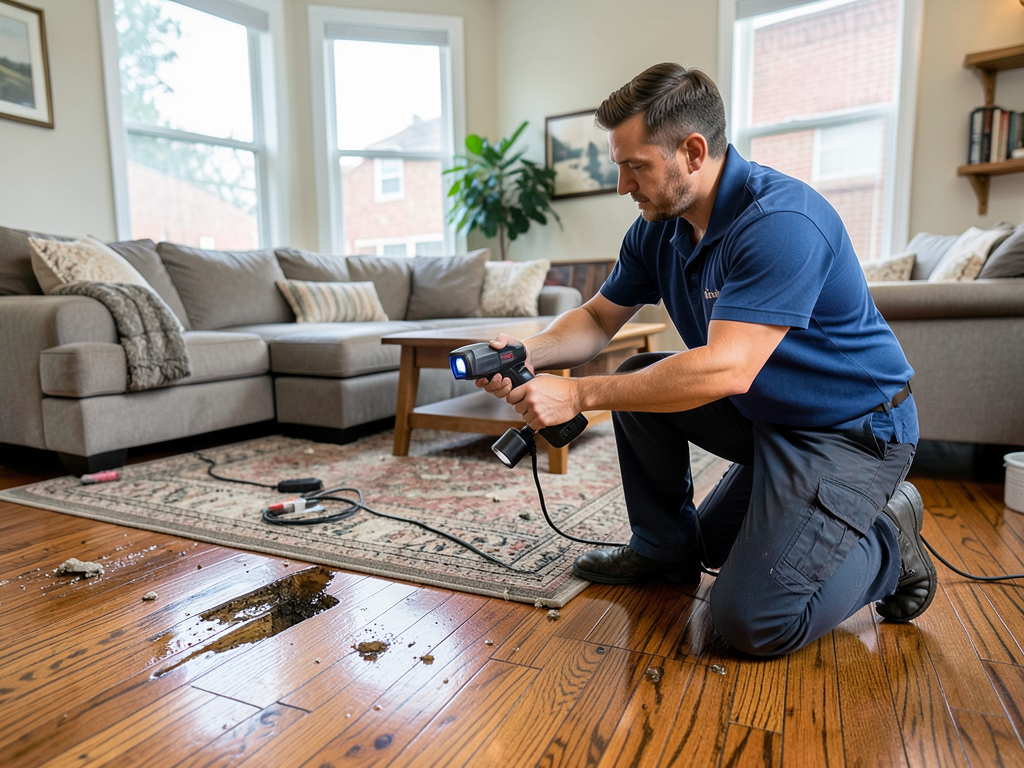
What to Do When Your Aquarium Seals Fail and Flood Your Living Room Floor When aquarium seals fail, Dallas homeowners face a unique water damage emergency. A standard 100-gallon glass tank holds over 800 pounds…
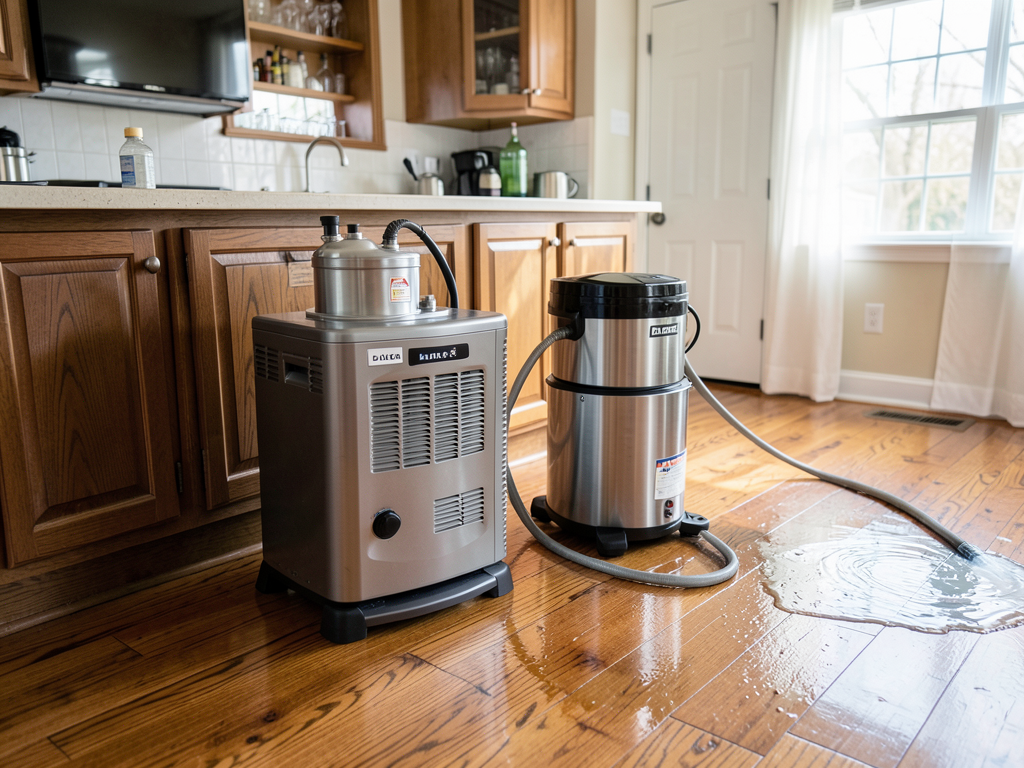
Fixing a Leaky Beer Tap or Kegerator Before it Destroys Your Dallas Man Cave A…
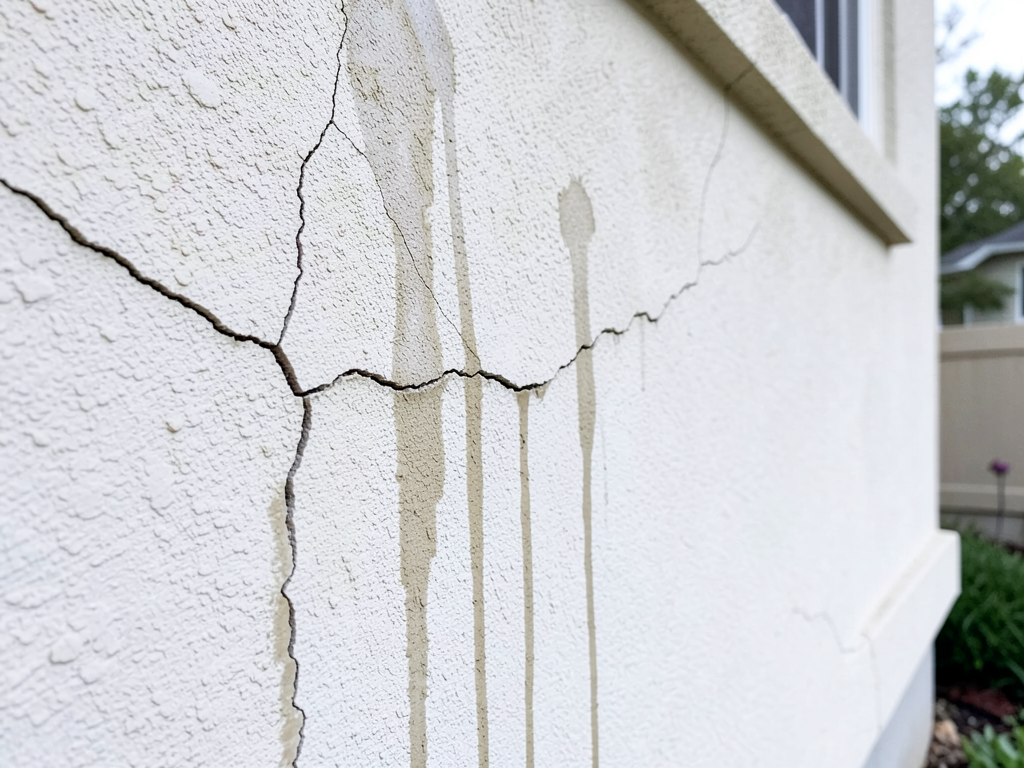
How Hairline Cracks in Your Stucco Exterior are Letting Water Into Your Preston Hollow Home…
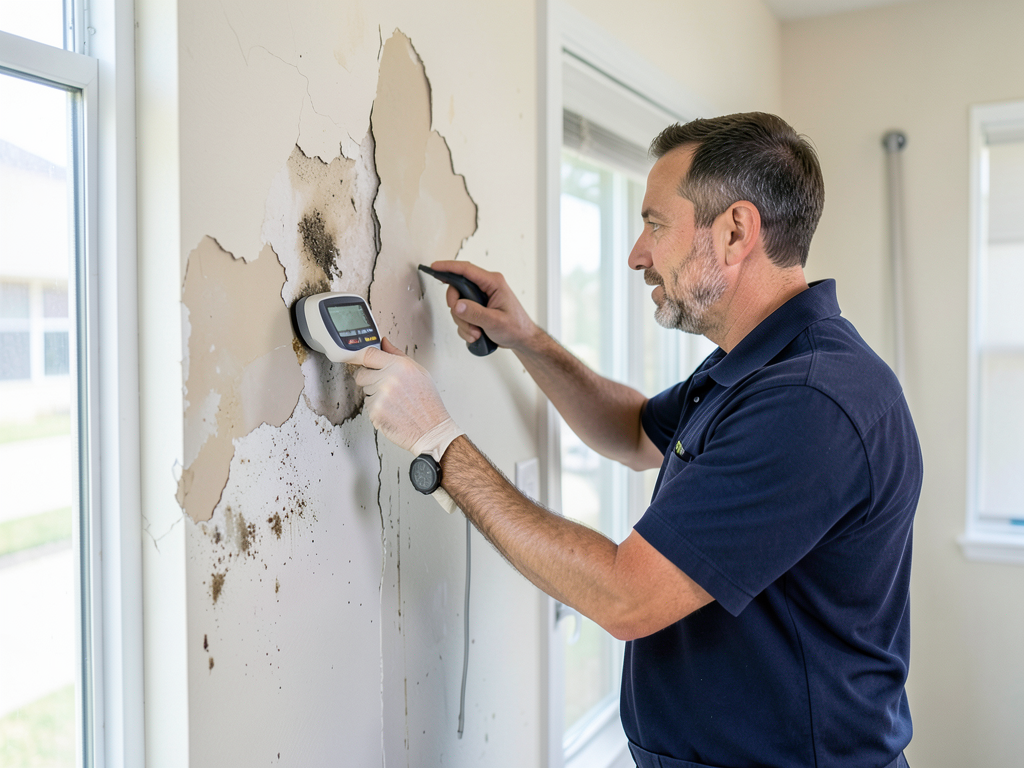
How the Dallas Heat Accelerates Mold Growth Within Just Hours of a Pipe Burst The…
Every hour of delay increases damage severity and restoration costs. Call Peak Water Damage Restoration Dallas now at (972) 886-5955 for 60-minute emergency response anywhere in Irving. Our crews are standing by with professional equipment and the experience to stop water damage fast.