


Duncanville sits on expansive clay soil that swells when wet and shrinks during drought, creating foundation movement that cracks slabs and stresses plumbing. When pipes break or storms flood the area, water enters through these vulnerabilities and spreads beneath flooring and inside walls. The humid North Texas climate accelerates mold growth within 24 to 48 hours after water intrusion, turning a plumbing leak into a health hazard.
Older neighborhoods near Main Street and homes around Harman Park often have cast iron pipes installed in the 1960s and 1970s that corrode from the inside, causing sudden failures. Spring thunderstorms dump several inches of rain in hours, overwhelming drainage systems and sending water into crawl spaces and basements. Air conditioning systems in attics leak condensate when drain lines clog, soaking insulation and ceiling materials before homeowners notice the damage.
Without fast water extraction and structural drying, wood framing absorbs moisture, drywall disintegrates, and mold colonies establish in hidden cavities. Duncanville's combination of soil movement, aging infrastructure, and intense weather creates constant water damage threats that require immediate professional response to prevent permanent loss.
Peak Water Damage Restoration Dallas maintains emergency response vehicles stationed throughout the Dallas metro to reach Duncanville properties within one hour of your call. Our technicians arrive with truck-mounted extraction units that remove thousands of gallons per hour, stopping water migration before it reaches unaffected areas. We deploy commercial dehumidifiers and air movers calibrated to Texas humidity levels, pulling moisture from materials faster than standard equipment.
Every crew member holds IICRC certification in water damage restoration and applied structural drying, meaning they understand moisture dynamics in wood framing, concrete slabs, and composite materials common in Duncanville construction. We use thermal imaging cameras to find hidden water in wall cavities and beneath flooring, then document moisture levels with calibrated meters that insurance adjusters trust. Our project managers communicate directly with your insurance carrier, submitting detailed loss documentation that speeds claim approval and payment.
We handle sewage backups with hazmat protocols, protecting your family from category 3 contamination while restoring affected spaces to sanitary conditions. Our restoration process includes antimicrobial treatment, complete structural drying verification, and final clearance testing before we return your home. Duncanville families choose us because we stop damage immediately, work directly with insurers, and complete full restoration without requiring you to manage multiple contractors. When water strikes, we handle everything from emergency extraction through final repairs.

Our dispatch center operates around the clock with crews positioned across Dallas County. When you call, a certified technician arrives at your Duncanville property within one hour, equipped with extraction pumps, drying equipment, and moisture detection tools. Fast response stops water from spreading through your home and reduces total damage by up to 70 percent compared to delayed service.

We document every aspect of water damage with photos, moisture readings, and detailed loss reports that satisfy insurance requirements. Our estimators use Xactimate software that adjusters recognize, eliminating disputes over scope and pricing. You never negotiate with your carrier alone. We handle all communication, submit documentation, and advocate for full coverage of necessary restoration work.
Every crew member completes Institute of Inspection Cleaning and Restoration Certification training in water damage restoration and applied structural drying. This means they follow industry protocols for moisture detection, extraction techniques, and drying verification. Certified technicians know when materials can be saved and when replacement is necessary, preventing mold growth and structural failure down the road.
Unlike extraction-only companies, we handle the entire restoration from emergency water removal through final reconstruction. One team manages your project from start to finish, rebuilding drywall, replacing flooring, repainting, and restoring your Duncanville home to pre-loss condition. You work with a single point of contact instead of coordinating multiple contractors, saving time and eliminating confusion.
Water enters homes through dozens of pathways, from burst supply lines to storm flooding to sewage backups. Each source requires different extraction methods, drying protocols, and safety procedures. Peak Water Damage Restoration Dallas handles every category of water intrusion with specialized equipment and certified techniques that protect your property and health.
Our service range covers emergency water removal, structural drying, antimicrobial treatment, content restoration, and full reconstruction. We respond to residential and commercial properties across Duncanville, from single-family homes near Harman Park to apartment complexes along Highway 67. Every project begins with moisture assessment using thermal imaging and penetrating meters that locate hidden water. We then deploy extraction and drying equipment matched to your specific damage, monitoring moisture levels daily until materials reach dry standards.
Insurance companies require documentation at every phase. We photograph conditions, log equipment placement, record daily moisture readings, and create detailed estimates that justify the restoration scope. Whether you face a small supply line leak or major storm flooding, our technicians apply the same thorough process that prevents mold growth and structural damage while satisfying insurance requirements for proper water damage remediation.
When water floods your property, immediate extraction prevents secondary damage to flooring, walls, and contents. Our truck-mounted pumps remove standing water from carpets, tile, and concrete slabs while portable extractors reach tight spaces like closets and bathrooms. We pull water from carpet padding, subflooring, and wall cavities before it spreads to unaffected rooms. After extraction, we inventory salvageable contents and move them to dry areas for cleaning. Emergency board-up and roof tarping protect your property from weather and unauthorized entry during restoration.
Removing standing water is just the start. Moisture soaks into drywall, wood framing, insulation, and concrete, creating conditions for mold growth and rot. We position commercial dehumidifiers and high-velocity air movers throughout affected areas, creating airflow patterns that pull moisture from materials. Technicians monitor drying progress with moisture meters, measuring walls, floors, and ceilings twice daily. Drying typically takes three to five days depending on materials and saturation levels. We continue monitoring until readings meet industry dry standards, then provide certification that satisfies insurance requirements.
Mold appears within 48 hours in damp conditions, releasing spores that spread through HVAC systems and create health problems. If water damage goes untreated or drying happens too slowly, mold remediation becomes necessary. Our technicians establish containment barriers to prevent spore migration, then remove contaminated materials using HEPA filtration. We treat affected surfaces with antimicrobial agents and verify clean air quality with post-remediation testing. All work follows IICRC S520 mold remediation standards and Texas Department of State Health Services guidelines for safe mold removal.
Duncanville's housing stock ranges from 1960s ranch homes to new construction, each with specific vulnerabilities to water intrusion. Older properties near Downtown Duncanville often have galvanized or cast iron plumbing that corrodes after decades of use, causing pinhole leaks and sudden pipe failures. Newer homes in developing areas sometimes experience foundation settlement in expansive clay soils, cracking slabs and stressing water lines.
Spring storms bring intense rainfall that overwhelms gutters and drainage systems, sending water into crawl spaces and against foundations. Summer heat pushes air conditioning systems to work constantly, and when condensate drain lines clog, water overflows into attics and ceiling spaces. Water heaters installed in garages or attics eventually fail, releasing 40 to 50 gallons that flood surrounding areas before anyone notices.
Each scenario requires immediate response to limit damage. Delays allow water to migrate through building materials, saturate insulation, and create conditions for microbial growth. Homeowners who wait even 24 hours to start extraction and drying face exponentially higher restoration costs and potential health hazards from mold contamination.
Supply line failures dump clean water at high pressure, flooding rooms in minutes. Older galvanized pipes rust from inside, weakening until small leaks become full breaks. Frozen pipes during rare North Texas freezes expand and crack, then flood when temperatures rise. We shut off water supply, extract standing water, and dry affected structures before mold takes hold.
Heavy rainfall overwhelms drainage systems, sending water through foundation cracks and under doors. Low-lying areas near creeks experience flash flooding that brings contaminated water into homes. We pump out floodwater, remove contaminated materials, treat surfaces with antimicrobials, and dry structural components to prevent lasting damage and health risks from category 3 water.
Main sewer line blockages cause waste to back up through toilets and drains, contaminating floors and walls with dangerous bacteria. Tree roots penetrate aging clay sewer pipes, creating obstructions that lead to overflows. Sewage requires hazmat protocols and complete sanitization. We remove contaminated materials, disinfect all surfaces, and verify safe conditions before restoration begins.
Water heaters, washing machines, and dishwashers eventually fail, releasing water that spreads across flooring and into adjacent rooms. Supply hoses crack and burst under constant pressure. Slow leaks behind appliances go unnoticed until mold odors appear. We locate hidden moisture with thermal imaging, extract water from beneath cabinets and flooring, and dry all affected materials completely.
Water damage creates panic. Seeing your home flood triggers stress about belongings, repair costs, and safety. Our process removes uncertainty by following clear steps that protect your property and get you back to normal fast.
When you call our emergency line, a live dispatcher gathers basic information about your situation and immediately assigns a crew. We ask about water source, affected areas, and any safety concerns like electrical hazards or structural damage. A certified technician calls you within minutes to confirm arrival time and answer immediate questions. Most Duncanville calls receive on-site response in under 60 minutes.
The restoration process follows insurance industry standards and IICRC protocols. We document everything, communicate progress daily, and keep you informed about timeline and costs. You never wonder what happens next or when your home will be restored. Our project managers stay in contact from emergency response through final walkthrough, ensuring you understand each phase and approve work before we proceed.
Technicians arrive with extraction equipment, moisture meters, and thermal imaging cameras. They locate the water source, stop active flooding, and assess damage extent. You receive an explanation of necessary emergency work including water extraction, content protection, and equipment placement. We photograph all damage for insurance documentation and begin extraction immediately. Emergency mitigation happens the same day to prevent further damage. You approve the scope before any work starts.
Drying equipment runs continuously while technicians visit daily to check moisture levels, adjust equipment, and log progress. We send updates showing moisture reduction in affected materials. Our estimator prepares a detailed claim with photos, moisture readings, and repair scope, then submits directly to your insurance carrier. You receive copies of all documentation. Most insurers approve our estimates without revision because we follow Xactimate pricing and industry protocols they recognize.
After materials reach dry standards, our reconstruction crew repairs or replaces damaged components. We match existing finishes, rebuild walls, install new flooring, and repaint affected areas. Final walkthrough happens with you present to inspect all work and confirm satisfaction. We provide documentation of moisture readings, photos of completed restoration, and warranties on work performed. Your home returns to pre-loss condition, fully dried and restored.
Speed and thoroughness both matter in water damage restoration. We move fast to stop damage, then follow detailed protocols to ensure complete drying and proper reconstruction.
A certified crew arrives within 60 minutes to stop active water intrusion and begin extraction. Technicians use truck-mounted pumps to remove standing water from floors, carpets, and building cavities. They move furniture to dry areas, remove unsalvageable materials like soaked padding, and set up drying equipment. You receive a damage assessment and mitigation plan the same day. Emergency work begins immediately to prevent mold growth and secondary damage.
Commercial dehumidifiers and air movers run continuously to pull moisture from walls, floors, and ceilings. Technicians monitor progress twice daily using penetrating moisture meters that measure deep into materials. Thermal imaging locates hidden moisture in cavities and beneath surfaces. Drying continues until materials meet industry dry standards, typically three to five days. We document daily readings and provide updates on drying progress and timeline.
After complete drying verification, our construction team rebuilds damaged areas. We replace drywall, install new flooring, repaint walls, and restore trim and fixtures. All work matches existing finishes and meets building codes. Final inspection happens with you present to review completed restoration. We provide documentation including moisture verification, photos, and warranties. Your insurance claim closes and your home returns to normal.
Water damage restoration follows strict industry standards developed by the Institute of Inspection Cleaning and Restoration Certification. These protocols ensure thorough moisture removal and prevent long-term problems like mold growth and structural decay. Peak Water Damage Restoration Dallas applies IICRC S500 Standard and Reference Guide for Professional Water Damage Restoration on every project, regardless of size.
The S500 standard classifies water into three categories based on contamination level. Category 1 comes from clean sources like supply lines and poses no health threat. Category 2 contains some contamination from sources like washing machine overflows and requires antimicrobial treatment. Category 3 includes sewage and floodwater with dangerous bacteria that demand complete sanitization and often material removal. Each category requires different handling, safety equipment, and treatment protocols.
Water damage also receives a class rating from 1 to 4 based on evaporation rate and affected materials. Class 1 involves minimal absorption into materials and dries quickly. Class 4 includes specialty materials like hardwood, plaster, and concrete that require extended drying times and specialized techniques. Our technicians assess both category and class to determine proper equipment, drying time, and restoration approach.
Moisture measurement happens with penetrating meters that read moisture content deep in materials, not just surface dampness. The IICRC requires specific moisture content levels before materials qualify as dry. Wood framing must reach below 15 percent moisture content, drywall below 1 percent on a scale, and concrete below 4 percent. We verify these levels with calibrated meters and document readings before removing equipment or starting reconstruction.
Texas has specific requirements for mold remediation when water damage goes untreated. If mold exceeds 25 square feet, the Texas Department of State Health Services requires licensed mold remediation. Our technicians hold Texas mold remediation licenses and follow strict containment and removal protocols that protect building occupants from spore exposure during cleanup.
Institute of Inspection Cleaning and Restoration Certification provides the water damage restoration industry's recognized training and standards. Technicians complete courses in water damage restoration, applied structural drying, and specific techniques for different materials. Certification requires passing written exams and maintaining continuing education. Insurance companies trust IICRC-certified firms because work follows proven protocols that prevent claim disputes and ensure proper restoration.
Water damage restoration costs depend on water category, affected square footage, materials involved, and drying time required. Clean water extraction costs less than sewage remediation because contamination requires hazmat protocols and disposal. Hardwood floors and plaster require longer drying than carpet and drywall. Most homeowner policies cover sudden water damage like burst pipes but exclude gradual leaks and flood damage without separate flood insurance.
Standard drywall and carpet dry in three to five days with proper equipment. Hardwood flooring requires seven to ten days because moisture penetrates deep into wood fibers. Concrete slabs can take two weeks or more depending on saturation depth. High humidity extends drying time, which is why commercial dehumidifiers run continuously. We never remove equipment based on time alone, only verified moisture readings that meet dry standards.
Insurance carriers require specific documentation to approve water damage claims. We provide photos of all affected areas before mitigation, daily moisture logs showing drying progress, detailed estimates using Xactimate software, and final verification of dry conditions. Proper documentation speeds approval and prevents disputes over necessary work. Most claims we submit receive approval within 48 to 72 hours because our estimates follow industry standards insurers recognize.
Learn how professional water damage restoration protects Duncanville homes from flooding, burst pipes, and storm damage. This video explains emergency water extraction, structural drying protocols following IICRC standards, and insurance claim processes. Peak Water Damage Restoration Dallas demonstrates moisture detection techniques, proper drying equipment placement, and complete restoration methods that prevent mold growth and structural failure in North Texas properties. Homeowners discover why Duncanville's clay soil and climate create unique water damage risks and how certified technicians mitigate damage fast.
Peak Water Damage Restoration Dallas maintains rapid response coverage throughout Duncanville and the greater Dallas metro area. Our service territory includes established neighborhoods near Downtown Duncanville where older homes face plumbing failures from aging infrastructure. We regularly respond to properties around Harman Park and Armstrong Park where families experience foundation movement and slab leaks common to North Texas clay soils.
The Merrifield area sees frequent calls for storm damage restoration when heavy rains overwhelm drainage systems and send water into crawl spaces. Homes near Main Street and Highway 67 built in the 1960s and 1970s often need emergency extraction when cast iron sewer lines fail or water heaters installed in garages rupture. Newer developments in the eastern sections of Duncanville contact us for appliance leaks and supply line failures that flood kitchens and laundry rooms.
We serve properties along the Cedar Hill border where elevation changes create drainage challenges during storms, and homes near the Lancaster boundary that experience similar soil movement and foundation stress. Our coverage extends throughout Dallas County including neighboring DeSoto, Cedar Hill, Lancaster, and Best Southwest communities that share Duncanville's climate challenges and construction characteristics.
Water damage happens at any hour, which is why our dispatch center operates around the clock and crews remain on standby throughout the metro area. Whether you face a midnight pipe burst in the Merrifield neighborhood or early morning storm flooding near Armstrong Park, a certified technician reaches your property within 60 minutes. We know Duncanville's street layout, common home designs, and typical water damage scenarios because we work here daily.
Our local knowledge extends to understanding which Duncanville properties have pier and beam foundations versus concrete slabs, how drainage patterns affect different neighborhoods, and which areas have older plumbing that requires careful handling during restoration. This familiarity speeds response and improves outcomes because technicians arrive prepared with appropriate equipment for your specific property type and damage scenario.
Water damage restoration costs in Duncanville vary based on the water category, affected square footage, and structural damage. Class 1 losses (minimal absorption) typically cost less than Class 4 (specialty drying). Category 3 water (sewage) requires more intensive cleaning than clean water. Most residential jobs range from small leak repairs to extensive flood mitigation. Your final cost depends on equipment needs, drying time, and material replacement. Request a detailed estimate that breaks down extraction, drying, antimicrobial treatment, and reconstruction. Insurance often covers sudden events like burst pipes, but gradual damage may not qualify.
Stop the water source if safe to do so. Shut off your main water valve for plumbing leaks. Move valuables and furniture to dry areas. Do not use household vacuums on standing water. Contact a restoration company immediately. Duncanville's high humidity accelerates mold growth within 24 to 48 hours. Document all damage with photos for insurance claims. Avoid entering rooms with electrical hazards or ceiling sagging. Open windows only if outdoor humidity is lower than indoor levels. Professional extraction and drying equipment prevent secondary damage that costs more to fix later.
Water damage restoration returns your property to pre-loss condition through extraction, drying, cleaning, and rebuilding. Remediation specifically addresses contamination from Category 2 (gray water) or Category 3 (black water) sources. Remediation includes antimicrobial treatments, sanitization, and sometimes material removal to eliminate pathogens and sewage contaminants. All remediation jobs include restoration steps, but not all restoration requires remediation. In Duncanville, storm flooding often introduces contaminated water requiring full remediation protocols. Clean water from supply line breaks may only need standard restoration without extensive decontamination procedures.
Water damage restoration costs in Duncanville vary based on the water category, affected square footage, and structural damage. Class 1 losses (minimal absorption) typically cost less than Class 4 (specialty drying). Category 3 water (sewage) requires more intensive cleaning than clean water. Most residential jobs range from small leak repairs to extensive flood mitigation. Your final cost depends on equipment needs, drying time, and material replacement. Request a detailed estimate that breaks down extraction, drying, antimicrobial treatment, and reconstruction. Insurance often covers sudden events like burst pipes, but gradual damage may not qualify.
Stop the water source if safe to do so. Shut off your main water valve for plumbing leaks. Move valuables and furniture to dry areas. Do not use household vacuums on standing water. Contact a restoration company immediately. Duncanville's high humidity accelerates mold growth within 24 to 48 hours. Document all damage with photos for insurance claims. Avoid entering rooms with electrical hazards or ceiling sagging. Open windows only if outdoor humidity is lower than indoor levels. Professional extraction and drying equipment prevent secondary damage that costs more to fix later.
Water damage restoration returns your property to pre-loss condition through extraction, drying, cleaning, and rebuilding. Remediation specifically addresses contamination from Category 2 (gray water) or Category 3 (black water) sources. Remediation includes antimicrobial treatments, sanitization, and sometimes material removal to eliminate pathogens and sewage contaminants. All remediation jobs include restoration steps, but not all restoration requires remediation. In Duncanville, storm flooding often introduces contaminated water requiring full remediation protocols. Clean water from supply line breaks may only need standard restoration without extensive decontamination procedures.
Yes, most water damage is repairable when addressed quickly. Duncanville homes with proper drying within 48 hours avoid permanent structural issues. Hardwood floors, drywall, and insulation can often be saved if moisture is extracted before saturation occurs. Category 1 water damage has the highest salvage rate. Category 3 sewage contamination requires removal of porous materials like carpet and drywall. Structural elements like studs and joists are salvageable if dried properly and show no rot. Delayed response leads to mold colonization, wood rot, and foundation issues that require full replacement instead of repair.
Most homeowner policies cover sudden and accidental water damage like burst pipes, appliance malfunctions, or storm-related roof leaks. Insurance excludes gradual damage from long-term leaks or lack of maintenance. Flood damage requires separate flood insurance through NFIP or private carriers. In Duncanville, claims from washing machine hoses or water heater failures typically receive approval. Sewage backups may need specific endorsements. Document everything immediately. Restoration companies work directly with adjusters to validate scope and speed up approvals. Deductibles apply, and coverage limits vary by policy terms and endorsements.
Professional restoration is worth it to prevent long-term structural damage and health hazards. Duncanville's humid climate creates ideal mold conditions within 24 to 48 hours of water intrusion. DIY methods lack industrial dehumidifiers and moisture meters needed to dry hidden cavities in walls and subfloors. Incomplete drying leads to mold remediation costs that exceed initial restoration expenses. Professional documentation supports insurance claims and protects resale value. Certified technicians identify secondary damage like compromised electrical systems or weakened framing. Restoration preserves your investment and prevents health issues from microbial growth in living spaces.
Yes, most water damage is repairable when addressed quickly. Duncanville homes with proper drying within 48 hours avoid permanent structural issues. Hardwood floors, drywall, and insulation can often be saved if moisture is extracted before saturation occurs. Category 1 water damage has the highest salvage rate. Category 3 sewage contamination requires removal of porous materials like carpet and drywall. Structural elements like studs and joists are salvageable if dried properly and show no rot. Delayed response leads to mold colonization, wood rot, and foundation issues that require full replacement instead of repair.
Most homeowner policies cover sudden and accidental water damage like burst pipes, appliance malfunctions, or storm-related roof leaks. Insurance excludes gradual damage from long-term leaks or lack of maintenance. Flood damage requires separate flood insurance through NFIP or private carriers. In Duncanville, claims from washing machine hoses or water heater failures typically receive approval. Sewage backups may need specific endorsements. Document everything immediately. Restoration companies work directly with adjusters to validate scope and speed up approvals. Deductibles apply, and coverage limits vary by policy terms and endorsements.
Professional restoration is worth it to prevent long-term structural damage and health hazards. Duncanville's humid climate creates ideal mold conditions within 24 to 48 hours of water intrusion. DIY methods lack industrial dehumidifiers and moisture meters needed to dry hidden cavities in walls and subfloors. Incomplete drying leads to mold remediation costs that exceed initial restoration expenses. Professional documentation supports insurance claims and protects resale value. Certified technicians identify secondary damage like compromised electrical systems or weakened framing. Restoration preserves your investment and prevents health issues from microbial growth in living spaces.
We are proud to serve the entire Dallas area and surrounding communities. Our strategically located office allows for quick and efficient dispatch of our teams to your location, ensuring a rapid response to your water damage emergency. View our service area on the map to see how we can assist you, and don't hesitate to contact us for immediate help no matter where you are.
Address:
Duncanville, TX, 75116
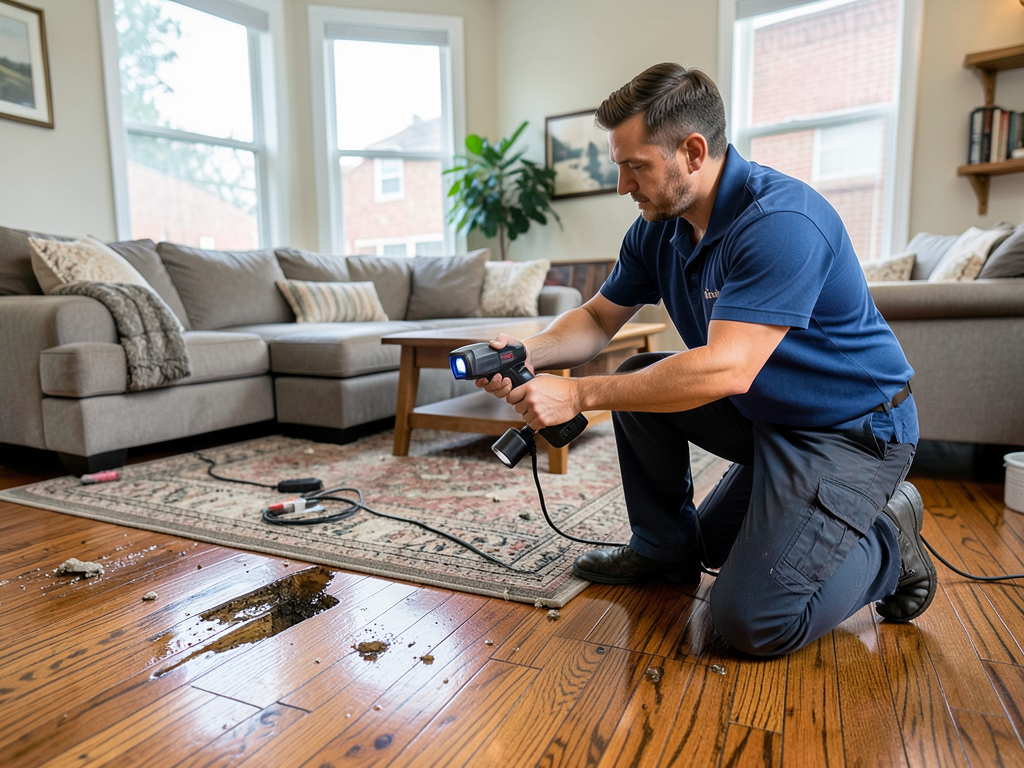
What to Do When Your Aquarium Seals Fail and Flood Your Living Room Floor When aquarium seals fail, Dallas homeowners face a unique water damage emergency. A standard 100-gallon glass tank holds over 800 pounds…
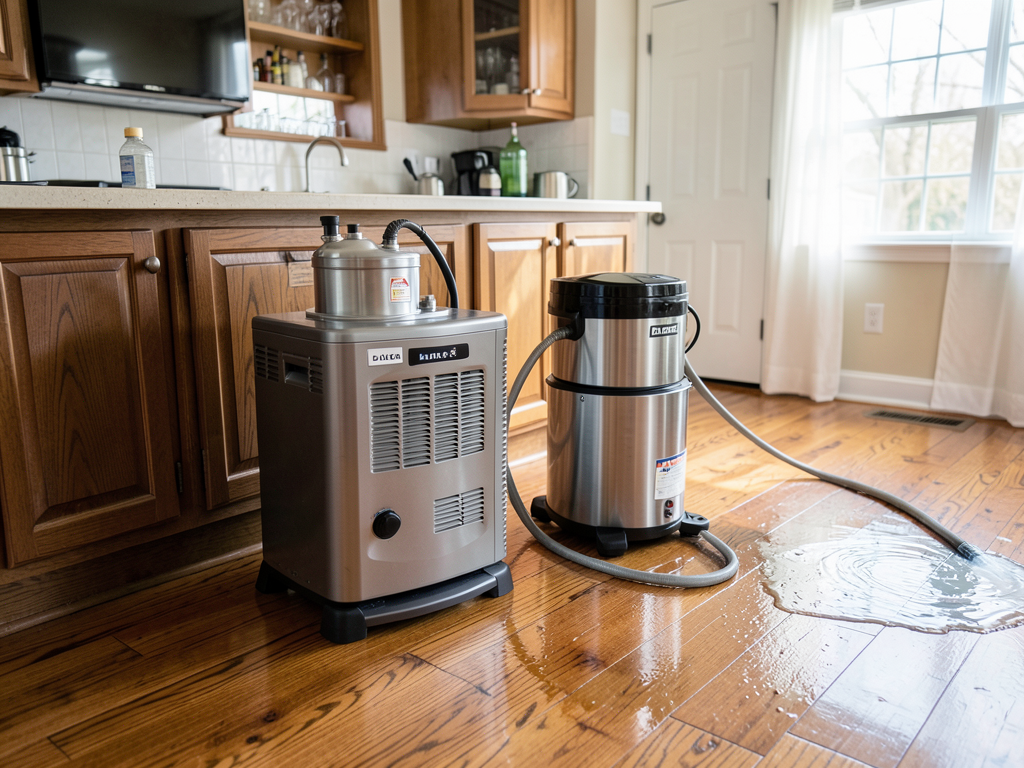
Fixing a Leaky Beer Tap or Kegerator Before it Destroys Your Dallas Man Cave A…
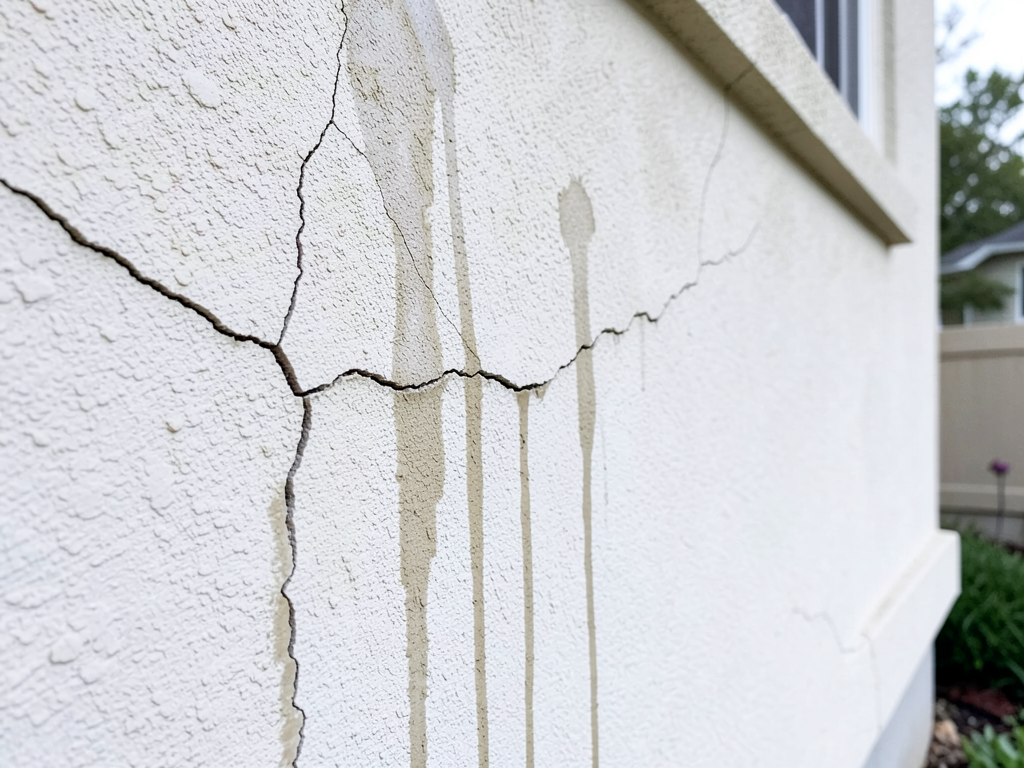
How Hairline Cracks in Your Stucco Exterior are Letting Water Into Your Preston Hollow Home…
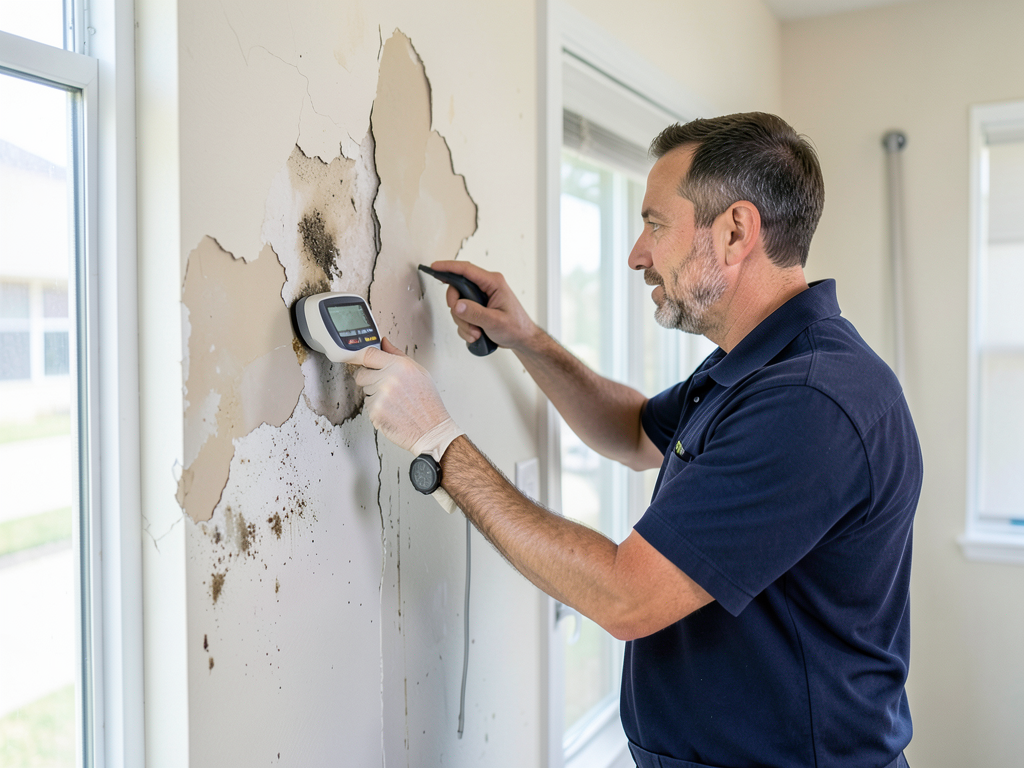
How the Dallas Heat Accelerates Mold Growth Within Just Hours of a Pipe Burst The…
Water damage spreads every minute you wait. Our crews respond 24/7 to stop flooding, extract water, and protect your Duncanville home. Call (972) 886-5955 now for immediate dispatch and experienced restoration that works with your insurance.