Menu

Musty Smells & Odor Removal in Dallas – Stop the Source, Not Just the Smell

Professional mildew odor elimination and damp smell remediation that targets hidden water damage, not surface symptoms, protecting your property and health throughout the Dallas metro.

Slider Image 1
Slider Image 2
Slider Image 3
Slider Image 4
Slider Image 5
Slider Image 7
Slider Image 8
Slider Image 9
Slider Image 10
Slider Image 11

Why That Musty Smell Never Goes Away in Dallas Homes

You spray air freshener. You open windows. You clean everything. The musty smell comes back within hours.

That smell is not a cleaning problem. It is a water damage problem.

Dallas sits in a humid subtropical climate zone. Summer humidity regularly hits 70 percent. Your HVAC system cycles constantly, creating condensation in ductwork and attic spaces. When temperatures drop overnight, that moisture collects in insulation, drywall, and crawl spaces.

The clay soil common throughout Dallas County expands and contracts with moisture changes. This movement creates foundation micro-cracks. Water seeps in through these gaps during heavy rains. The Trinity River flood plain affects drainage patterns across north Dallas neighborhoods, forcing groundwater toward foundations during wet seasons.

Older homes in areas like Lake Highlands and Oak Cliff often have outdated vapor barriers. Moisture migrates through concrete slabs, feeding mold colonies you cannot see. The result is persistent damp smell that no amount of cleaning removes.

That odor signals active microbial growth. Mold spores release volatile organic compounds as they digest organic material. You smell these compounds as mustiness. The problem grows worse in summer when humidity peaks and air conditioning creates temperature differentials that trap moisture in wall cavities.

Neutralizing musty odors requires finding the moisture source. Surface treatments fail because the smell originates from hidden water damage behind walls, under floors, or in ceiling cavities. You need professional assessment to locate the water intrusion point and eliminate the conditions allowing mold growth.

Removing moldy scents without addressing the underlying water damage wastes money and leaves health risks in place.

Why That Musty Smell Never Goes Away in Dallas Homes
How We Find and Eliminate Odor Sources

How We Find and Eliminate Odor Sources

We do not mask smells. We eliminate the conditions creating them.

Our technicians use thermal imaging cameras to identify temperature differentials indicating moisture intrusion. Cooler spots on interior walls signal water-saturated materials. We map these thermal signatures to pinpoint hidden leaks or condensation zones.

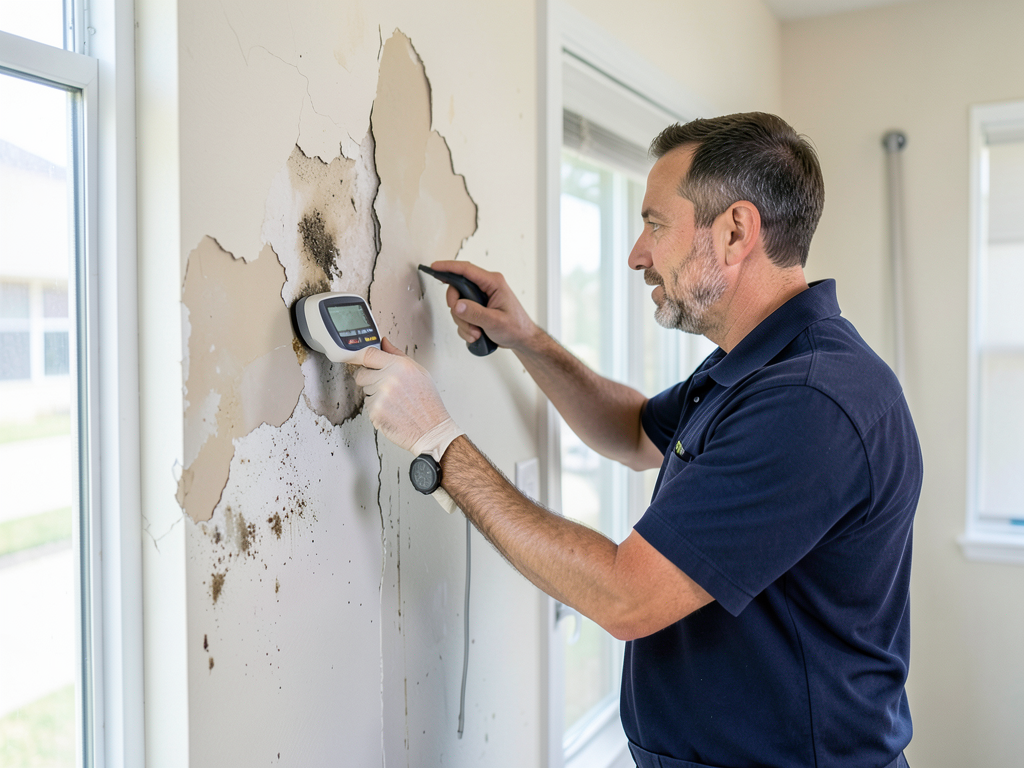
Moisture meters measure water content in building materials. We test drywall, wood framing, insulation, and subflooring. Readings above 16 percent indicate conditions supporting microbial growth. We document moisture levels in multiple locations to identify the water migration path.

Air quality testing captures airborne mold spore concentrations. We compare indoor readings to outdoor baseline levels. Elevated indoor counts confirm active mold colonization requiring remediation, not just cleaning.

Once we locate the moisture source, we address both the water intrusion and the resulting contamination. This involves repairing plumbing leaks, improving drainage, sealing foundation cracks, or upgrading ventilation systems. Simply cleaning visible mold without fixing the water problem guarantees recurrence.

We remove contaminated materials following IICRC S520 standards. Porous materials like drywall and insulation cannot be salvaged once mold penetrates the surface. We extract these materials, treat framing with antimicrobial solutions, and verify moisture levels return to normal before reconstruction.

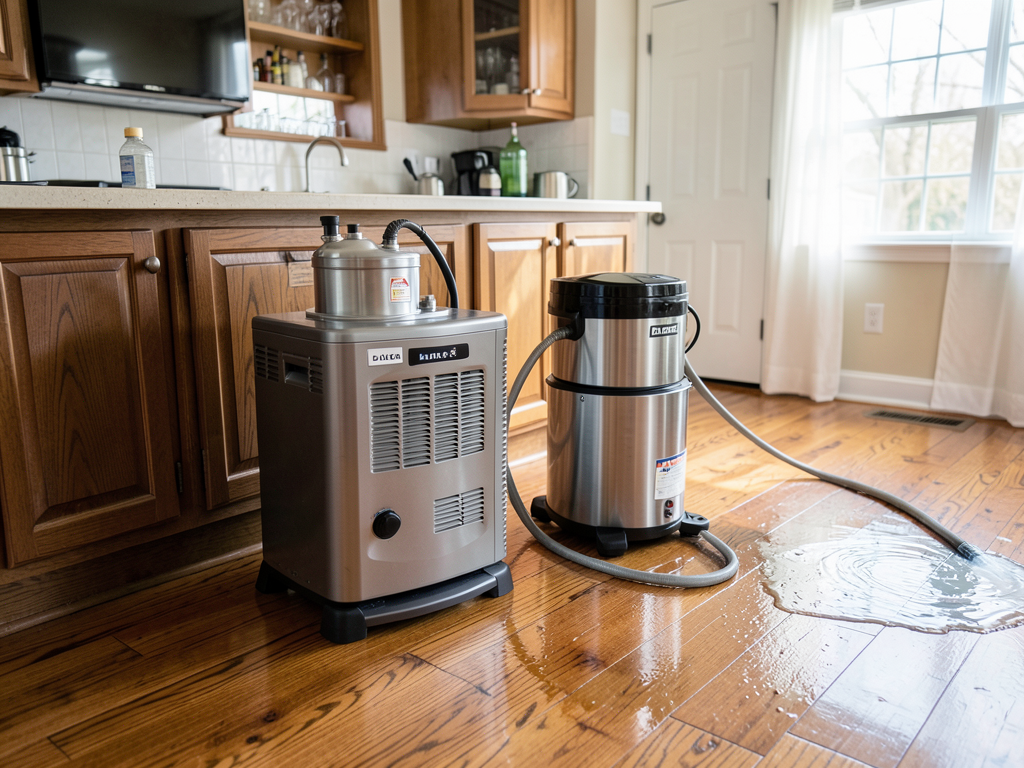
Hydroxyl generators and HEPA air scrubbers run continuously during remediation. Hydroxyls break down odor molecules at the molecular level. HEPA filtration captures airborne spores, preventing cross-contamination to clean areas.

After material removal and treatment, we verify success with post-remediation air quality testing. Spore counts must return to normal outdoor levels before we close walls and restore finishes.

Eradicating water damage smells requires this systematic approach. Shortcuts create recurring problems.

What Happens During Your Odor Assessment

Musty Smells & Odor Removal in Dallas – Stop the Source, Not Just the Smell
01

Initial Inspection and Testing

We start with a room-by-room inspection using thermal imaging and moisture detection equipment. You show us where odors concentrate. We test those areas and surrounding spaces to track moisture migration patterns. This diagnostic phase typically takes 45 to 90 minutes depending on property size. We document all findings with photos and moisture readings to create a remediation roadmap.
02

Source Identification and Planning

After testing, we explain what we found and why odors persist. We identify the water source, whether plumbing failure, condensation, or foundation seepage. You receive a detailed scope outlining required repairs, material removal, and treatment procedures. We discuss timelines and access requirements. This transparency lets you understand the work before it starts and eliminates surprises during remediation.
03

Verification and Prevention

After completing remediation work, we conduct clearance testing to verify air quality returns to acceptable levels. Moisture meters confirm all materials register below 16 percent. We provide documentation showing spore counts and moisture readings. You also receive recommendations for preventing recurrence, such as dehumidification strategies, improved ventilation, or drainage corrections. This ensures long-term results.

Why Dallas Property Owners Choose Liberty Water Damage Restoration Riverside

We know Dallas construction. Homes built before 1980 often lack proper vapor barriers. Slab foundations common throughout the metro area allow moisture wicking through concrete. Attics with insufficient ventilation trap humid air against roof decking. These regional construction characteristics create specific moisture problems requiring local expertise.

Our technicians understand how Dallas weather patterns affect buildings. The transition from humid summer to dry winter creates expansion and contraction cycles in building materials. Flash flooding during spring storms overwhelms drainage systems, pushing water toward foundations. We have seen these patterns repeatedly across neighborhoods from University Park to Garland.

We work with insurance adjusters familiar with Dallas claims. Water damage claims in North Texas often involve foundation issues related to soil movement or storm damage from severe weather events. Our documentation meets insurance requirements, streamlining the claims process and reducing out-of-pocket expenses.

You get straight answers about what needs fixing and what does not. Some companies recommend unnecessary work to increase project size. We focus on solving the actual problem. If your odor issue stems from a simple plumbing fix and limited mold growth, we tell you that. If you need extensive remediation, we explain why.

Our equipment stays current with industry standards. We invest in thermal imaging technology, industrial dehumidifiers, and HEPA filtration systems because they produce better outcomes. Older equipment or inadequate drying capacity extends project timelines and increases secondary damage risk.

Response time matters when you discover active water damage. We maintain service availability seven days per week. Emergency calls receive same-day or next-day response throughout the Dallas metro area.

You work with a local company accountable to the community. We have relationships with Dallas area contractors, insurance agents, and property managers. Our reputation depends on quality work and honest communication.

What to Expect When You Call

Response Time and Availability

We schedule odor assessments within 24 to 48 hours of your call. Emergency situations involving active water damage or severe odors affecting habitability receive same-day response when possible. Most assessments take one to two hours. If we identify urgent water damage requiring immediate mitigation, we can begin extraction and drying services the same day. Non-emergency remediation projects typically begin within three to five business days after you approve the scope of work.

Assessment and Diagnosis Process

Your initial assessment includes thermal imaging, moisture testing, and visual inspection of accessible areas. We provide a written report documenting moisture levels, suspected contamination areas, and probable water sources. Air quality testing costs extra but provides definitive confirmation of mold presence and concentration levels. Many insurance policies cover testing costs when water damage is documented. We explain findings in plain language and answer questions about health risks, repair options, and prevention strategies.

Quality of Results

Successful odor elimination requires resolving moisture problems and removing contaminated materials. Surface cleaning alone fails. We remove affected drywall, insulation, or flooring as needed. Antimicrobial treatments address remaining surface contamination. Industrial air scrubbers run continuously during work to prevent spore spread. Post-remediation testing verifies air quality before reconstruction. You receive documentation showing clearance test results. The goal is eliminating odors permanently, not temporarily masking them.

Follow-Up and Prevention

After remediation, we provide recommendations for preventing recurrence. This may include improving attic ventilation, installing dehumidifiers in crawl spaces, correcting drainage issues, or upgrading HVAC condensate lines. We do not perform all these services in-house, but we refer you to qualified contractors when needed. You receive a final report documenting all work performed, test results, and materials removed. We remain available if questions arise after project completion or if odors unexpectedly return.

Frequently Asked Questions

You Have Questions,
We Have Answers

How to get rid of a strong musty smell? +

A strong musty smell comes from mold, mildew, or trapped moisture. First, identify the source. Check basements, crawl spaces, attics, and HVAC ducts. In Dallas, high humidity and summer heat accelerate microbial growth. Increase ventilation, run dehumidifiers, and clean affected surfaces with vinegar or antimicrobial solutions. If the smell persists or you see visible mold, you need professional remediation. DIY cleaning treats symptoms, not the root cause. Water damage pros locate hidden moisture sources using thermal imaging and moisture meters, then eliminate the problem at its origin.

Will DampRid get rid of musty smell? +

DampRid absorbs moisture in small, enclosed spaces like closets or bathrooms, but it will not eliminate musty smells caused by mold or hidden water damage. It is a temporary fix, not a solution. Dallas homes face persistent humidity, especially during summer months, which overwhelms DampRid's capacity. If you smell mustiness throughout your home, you need a dehumidifier or professional moisture control. DampRid works for minor dampness. It does not address mold colonies, wet insulation, or saturated drywall. Treat the source, not just the symptom.

How to get rid of old lady smell in house? +

Old lady smell, often called naphthalene or musty odor, comes from stale air, aging fabrics, moth balls, and poor ventilation. Start by washing curtains, bedding, and upholstery. Open windows to create airflow. Replace HVAC filters and clean air ducts. In Dallas, older homes in neighborhoods like Lakewood or Oak Cliff trap stale air due to closed windows during hot months. Remove old carpets or padding that hold odor. Use enzyme cleaners on fabrics. If the smell lingers, you may have hidden mold or decaying organic material requiring professional odor remediation.

What is the hardest smell to get rid of in a house? +

Smoke damage is the hardest smell to eliminate. It penetrates porous materials like drywall, insulation, wood framing, and HVAC systems. Fire residue bonds chemically to surfaces. Pet urine and decomposition odors are also stubborn due to protein-based compounds. In Dallas, smoke from wildfires or house fires requires thermal fogging, ozone treatment, or hydroxyl generators to break down odor molecules. Surface cleaning does not work. You need professional equipment to neutralize embedded particles. Smoke smell removal often involves replacing materials like carpet, padding, and drywall to fully eliminate the odor.

What is the most powerful odor eliminator? +

There is no single most powerful odor eliminator. The right method depends on the source. For organic smells like mildew or pet odor, enzyme cleaners break down proteins. For smoke or fire damage, ozone generators or hydroxyl machines neutralize airborne molecules. In Dallas, professionals use thermal fogging to penetrate porous materials and eliminate odor at the molecular level. Baking soda, vinegar, and air fresheners mask smells temporarily. They do not eliminate the cause. For persistent odors, you need professional-grade equipment and treatment protocols tailored to the specific contaminant.

What does a musty smell indicate? +

A musty smell indicates active mold or mildew growth, usually caused by excess moisture. It signals water intrusion, high humidity, or poor ventilation. In Dallas, leaky roofs, plumbing failures, foundation cracks, and HVAC condensation are common culprits. Mold releases microbial volatile organic compounds, which create that damp, earthy odor. If you smell mustiness, you have a moisture problem. Ignoring it leads to structural damage and health risks. Locate the source quickly. Check basements, crawl spaces, attics, and behind appliances. Professional moisture detection prevents long-term damage and costly repairs.

Why does my house smell musty but I can't find mold? +

Your house smells musty because mold grows in hidden areas you cannot see. Common hiding spots include inside wall cavities, under flooring, in HVAC ducts, behind appliances, and within insulation. In Dallas, humidity seeps into crawl spaces and attics, creating ideal conditions for mold. You might not see visible colonies, but spores release odors. Slow leaks, condensation buildup, and poor ventilation feed mold growth. Professionals use thermal imaging and moisture meters to locate hidden moisture sources. Do not ignore the smell. Hidden mold spreads quickly and damages your home's structure.

Is DampRid better than a dehumidifier? +

A dehumidifier is better for whole-home moisture control. DampRid works in small, enclosed spaces like closets or cabinets but cannot handle larger areas. Dallas homes face persistent humidity, especially in summer. A dehumidifier actively removes moisture from the air, preventing mold and musty smells. It runs continuously and covers hundreds of square feet. DampRid requires constant replacement and only treats localized dampness. For basements, crawl spaces, or entire floors, a dehumidifier is the right choice. Pair it with proper ventilation and HVAC maintenance for long-term odor prevention.

How long does it take a dehumidifier to remove musty smell? +

A dehumidifier reduces musty smells in 24 to 48 hours if the moisture source is controlled. The timeline depends on room size, humidity levels, and airflow. In Dallas, basements and crawl spaces may take longer due to saturated materials like insulation or drywall. A dehumidifier removes airborne moisture but does not eliminate mold colonies or wet building materials. If the smell persists beyond a few days, you likely have hidden water damage or active mold requiring professional remediation. Running a dehumidifier alone will not fix structural moisture problems or contaminated materials.

What causes old people to smell in a house? +

Older adults produce different skin oils and sweat compositions due to aging. Homes occupied by elderly residents may develop odors from reduced cleaning frequency, incontinence products, medication odors, and stale air from closed windows. In Dallas, keeping homes sealed during hot months traps these smells. Poor ventilation, aging HVAC systems, and accumulated dust worsen the problem. Wash fabrics regularly, improve airflow, replace filters, and clean carpets. If odors persist, check for hidden mold, water damage, or decaying organic matter. Enzyme cleaners neutralize biological odors effectively without harsh chemicals.

How Dallas Humidity and Clay Soil Create Chronic Odor Problems

Dallas averages 66 percent relative humidity year-round. Summer months exceed 70 percent regularly. This moisture saturates attic insulation, condenses in wall cavities, and creates ideal mold growth conditions. The expansive clay soil throughout Dallas County compounds the problem. Clay absorbs water during rainy periods and shrinks during drought. This cycle creates foundation movement, opening cracks that allow water intrusion. Homes in older neighborhoods like Lakewood and Munger Place show this pattern repeatedly. The combination of humid air and shifting foundations makes mildew odor elimination more complex than in drier climates with stable soil.

Addressing musty smells in Dallas requires understanding local construction methods and environmental challenges. Companies without regional experience miss foundation-related moisture problems or underestimate attic ventilation needs. We have worked throughout Dallas County for years, seeing how different neighborhoods experience different moisture patterns. Properties near White Rock Lake face higher humidity from water proximity. Homes in northwest Dallas near Bachman Lake deal with drainage issues from flat topography. This local knowledge helps us diagnose problems faster and recommend effective long-term solutions rather than temporary fixes.
Water Damage Services in The Dallas Area

We are proud to serve the entire Dallas area and surrounding communities. Our strategically located office allows for quick and efficient dispatch of our teams to your location, ensuring a rapid response to your water damage emergency. View our service area on the map to see how we can assist you, and don't hesitate to contact us for immediate help no matter where you are.

Address:
Peak Water Damage Restoration Dallas, 3510 Ross Ave, Dallas, TX, 75204

Additional Services We Offer

Our news updates

Latest Articles & News from The Blogs

Fixing a Leaky Beer Tap or Kegerator Before it Destroys Your Dallas Man Cave A slow drip from your beer…

Fixing a Leaky Beer Tap or Kegerator Before it Destroys Your Dallas Man Cave

Fixing a Leaky Beer Tap or Kegerator Before it Destroys Your Dallas Man Cave A slow drip from your beer…

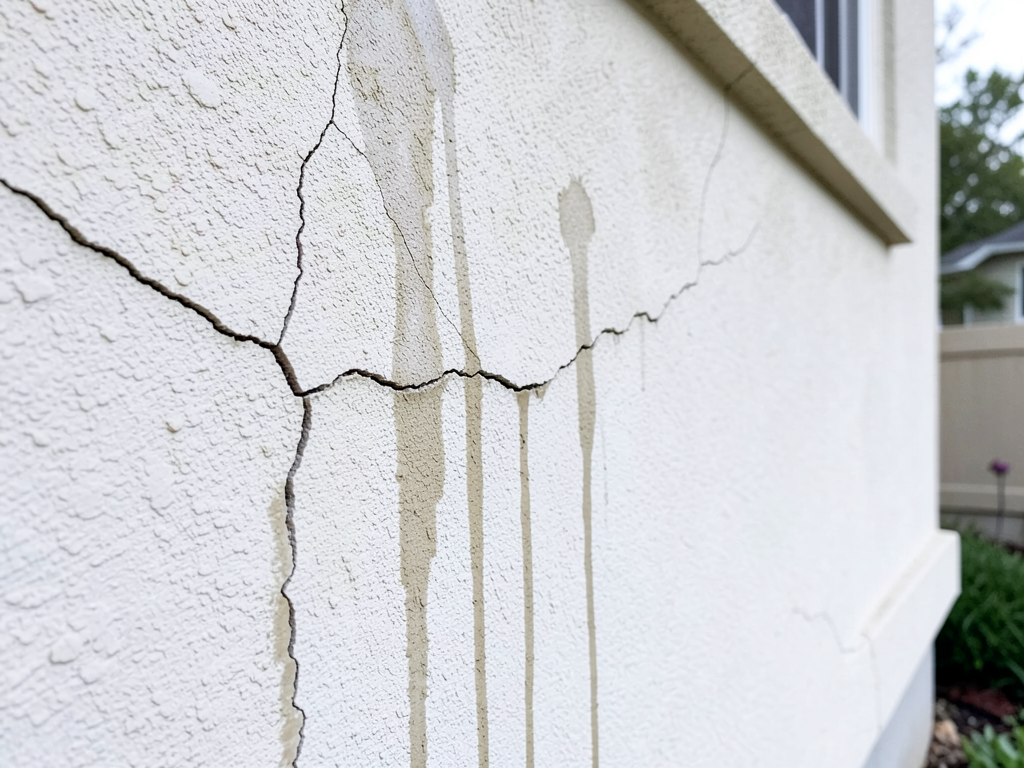
How Hairline Cracks in Your Stucco Exterior are Letting Water Into Your Preston Hollow Home

How Hairline Cracks in Your Stucco Exterior are Letting Water Into Your Preston Hollow Home Stucco cracks wider than a…

How the Dallas Heat Accelerates Mold Growth Within Just Hours of a Pipe Burst

How the Dallas Heat Accelerates Mold Growth Within Just Hours of a Pipe Burst The Dallas heat and humidity create…

Contact Us

That persistent musty smell indicates hidden water damage requiring professional evaluation. Call Liberty Water Damage Restoration Riverside at (972) 886-5955 to schedule your assessment. We provide honest answers and effective solutions for Dallas property owners.