
How the Dallas Heat Accelerates Mold Growth Within Just Hours of a Pipe Burst
The Dallas heat and humidity create the perfect storm for mold growth after a pipe burst. In North Texas conditions mold spores can germinate within 24 hours and colonize in just 48 hours. That means your home could have visible mold growth before you even finish cleaning up the initial water damage. Texas Department of State Health Services Mold Information.
Mold needs three things to grow: moisture organic material and the right temperature. Dallas provides all three. Our summer humidity often exceeds 60% temperatures regularly climb above 90°F and your home’s drywall wood framing and carpet padding offer plenty of organic material. This combination means a burst pipe in July could create a serious mold problem before you finish calling your insurance company.
Understanding this timeline is critical for Dallas homeowners. The faster you act the better your chances of preventing extensive mold damage and protecting your family’s health.
The Scientific Timeline of Mold Growth After Water Damage
Mold growth follows a predictable pattern once moisture becomes available. In Dallas’s climate this timeline accelerates significantly compared to cooler drier regions.
Within the first 24 hours dormant mold spores that exist naturally in all homes begin to absorb moisture from the water damage. These microscopic spores which you cannot see with the naked eye start to swell and prepare for germination. This is the critical window where intervention can stop the process entirely. EPA Mold Information.
Between 24 and 48 hours the spores germinate and begin sending out hyphae – tiny root-like structures that penetrate porous materials. In Dallas’s heat this process happens faster because warm temperatures accelerate biological processes. The hyphae start breaking down organic materials like wood paper and fabric to feed the growing mold colony.
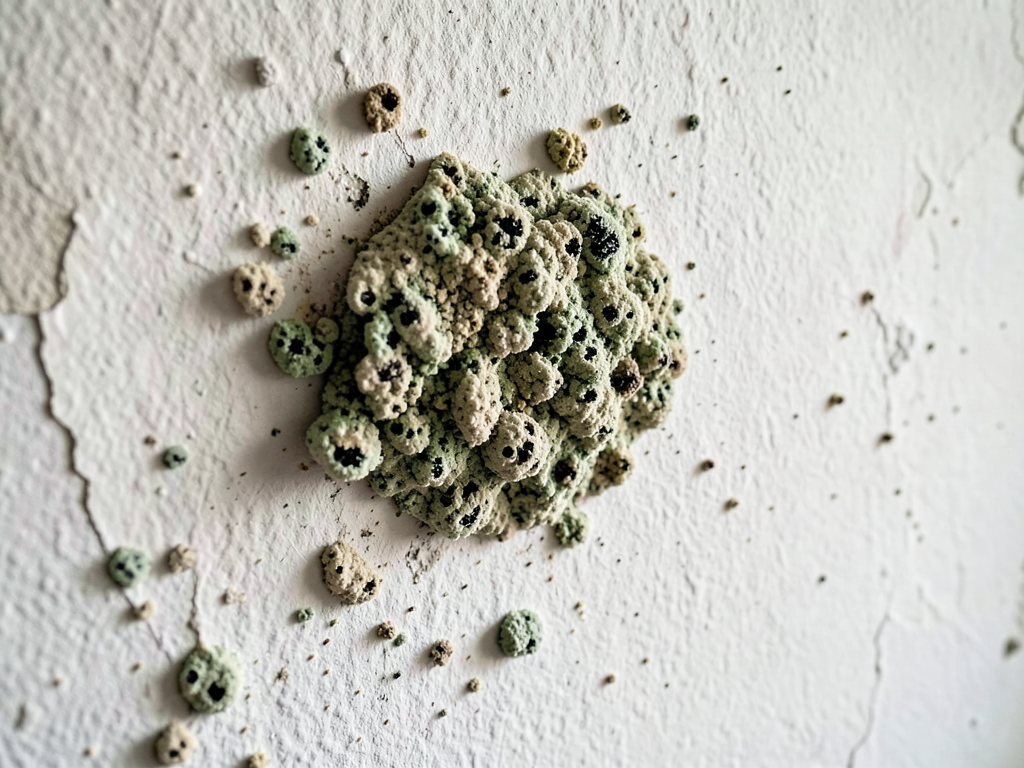
Once established mold colonies can produce visible growth within 72 hours. In Dallas homes you might see dark spots on walls ceilings or floors where the water damage occurred. The mold may appear as black green brown or even white patches depending on the species. Emergency Water Removal Services for Dallas Homeowners Available Right Now.
By day three to five mold produces spores and releases them into the air. This is when the problem spreads beyond the original water damage site. Your HVAC system can distribute these spores throughout your home creating contamination in areas that never experienced direct water exposure. Trustworthy Water Damage Restoration Services in Preston Hollow.
The entire process – from a clean burst pipe to visible spreading mold – can happen in less than a week in Dallas’s climate. That’s why professional intervention within the first 24 hours is critical.
Why Dallas Heat and Humidity Accelerate Mold Growth
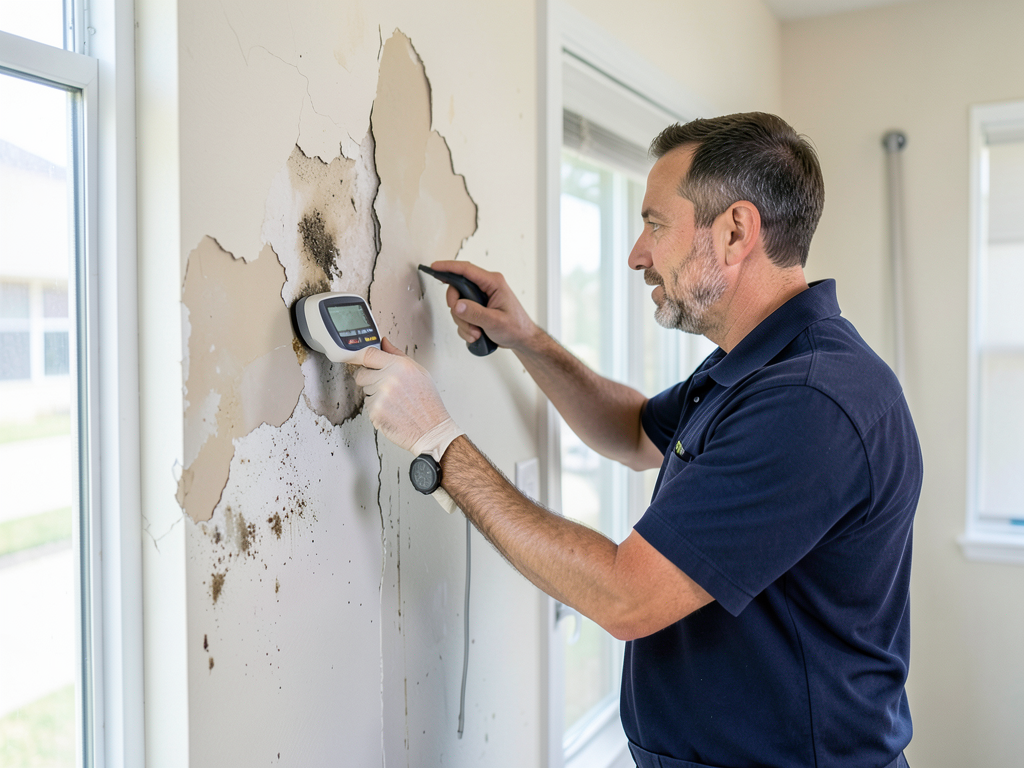
Dallas’s climate creates unique conditions that dramatically speed up mold growth compared to other parts of the country. Understanding these factors helps explain why the standard 24-48 hour timeline becomes even more urgent here.
Our relative humidity often stays above 60% during summer months. Mold thrives in humidity levels above 55% and Dallas routinely provides these conditions. When a pipe bursts the added moisture combines with existing humidity to create an ideal environment for rapid mold colonization. What to Do When a Pipe Bursts in Your North Dallas Kitchen.
Temperature plays a crucial role. Mold grows fastest between 77°F and 86°F and Dallas summer temperatures frequently exceed this range. Heat accelerates the metabolic processes of mold spores causing them to germinate and spread more quickly than they would in cooler climates. Quick Water Damage Cleanup for Uptown Dallas Condos and Apartments.
Dallas’s clay soil presents another challenge. When water from a burst pipe seeps into the ground beneath your home the expansive clay soil can trap moisture against your foundation. This creates a continuous moisture source that feeds mold growth from below while humidity feeds it from above.
The urban heat island effect in Dallas also contributes. Concrete and asphalt absorb heat during the day and release it at night keeping temperatures elevated around homes. This means mold growth doesn’t slow down at night as it might in rural areas allowing the colonization process to continue uninterrupted.
Finally Dallas’s frequent thunderstorms and sudden temperature changes can stress plumbing systems. Pipes expand and contract with temperature fluctuations creating weak points that are more likely to burst. When these bursts occur during humid summer months the combination of immediate water exposure and ideal growing conditions creates maximum risk.
Hidden Mold Hotspots in Dallas Homes
Certain areas in Dallas homes are particularly vulnerable to mold growth after water damage. Understanding these hotspots helps you know where to look and what to monitor.
Behind drywall represents the most common hidden mold location. Dallas homes often use standard gypsum board that absorbs water like a sponge. Once moisture penetrates the paper facing mold can grow on both sides of the wall hidden from view. By the time you see discoloration on the surface the problem behind the wall is usually extensive.
Baseboards and trim in Dallas homes trap moisture along floor edges. When water from a burst pipe spreads across floors it wicks up into wooden trim and creates perfect conditions for mold growth along the bottom edges of walls. This area often stays damp longer than visible surfaces.
Attic spaces in Dallas homes face unique challenges. Our intense summer heat creates temperature differentials that cause condensation in attics especially around HVAC ductwork. When a pipe bursts inside walls that connect to the attic the combination of existing moisture problems and new water damage creates ideal mold conditions.
Crawl spaces under pier-and-beam foundations common in older Dallas neighborhoods trap humidity. When water from a burst pipe enters these spaces the lack of air circulation and constant ground moisture create perfect mold-growing conditions. The mold can then spread through floor joists into the living space above.
Inside HVAC systems mold can spread rapidly after water damage. Dallas homes run air conditioning constantly during summer and if mold spores enter the system through water-damaged areas the blowing air distributes them throughout the house. The cool dark interior of air ducts provides ideal growing conditions.
Under flooring presents another hidden danger. Many Dallas homes have hardwood laminate or tile over wooden subfloors. Water from a burst pipe travels laterally under flooring materials creating damp conditions beneath surfaces that appear dry. Mold grows on the underside of flooring and subfloor materials where you cannot see it. Saving Your Hardwood Floors After Water Damage in Dallas.
Health Risks and Structural Impact of Dallas Mold Growth
Mold growth in Dallas homes creates both immediate health concerns and long-term structural damage. Understanding these risks emphasizes why rapid response is essential.
Health impacts vary by individual sensitivity and mold species. In Dallas common indoor molds include Cladosporium Penicillium and Aspergillus species. While these cause typical allergic reactions in many people Stachybotrys chartarum (black mold) can also grow in water-damaged Dallas homes under the right conditions.
Common symptoms from mold exposure include respiratory issues sinus congestion skin irritation and eye problems. Dallas residents with asthma or allergies often experience worsened symptoms when exposed to indoor mold. Children elderly individuals and those with compromised immune systems face higher risks.
Beyond health concerns mold causes significant structural damage to Dallas homes. Mold breaks down organic materials like wood drywall and insulation. This degradation can compromise the structural integrity of walls floors and ceilings. In severe cases mold-damaged materials require complete replacement rather than simple cleaning.
The Texas climate adds another dimension to mold problems. Our high humidity means that once mold establishes itself it can maintain growth even after the initial water source is removed. This makes complete remediation more challenging and emphasizes the importance of thorough initial cleanup.
Property value impacts represent another consideration. Mold problems can significantly reduce home values and complicate real estate transactions. Dallas’s competitive housing market means that mold issues can make selling your home difficult or force price reductions.
Insurance complications often arise with mold damage in Texas. Many policies have specific mold exclusions or coverage limits. Quick professional response after water damage can help document the situation properly and support insurance claims potentially making the difference between coverage and denial.
Immediate Action Steps: Dallas Mold Prevention Checklist
When a pipe bursts in your Dallas home following these immediate steps can help prevent mold growth. Time is your enemy – every hour counts in our climate.
Step one involves stopping the water source. Locate your main water shutoff valve – typically near the front foundation or in a utility area. In Dallas homes these valves can be in various locations depending on the home’s age and construction. Turn off the water immediately to prevent further flooding.
Step two requires removing standing water as quickly as possible. Use wet vacuums mops or towels to extract water. Dallas’s heat means that even small amounts of standing water begin creating humidity that feeds mold growth. The faster you remove visible water the better your chances of preventing problems.
Step three focuses on drying affected areas. Open windows if humidity outside is lower than inside – this varies throughout the day in Dallas. Use fans to circulate air but avoid using your HVAC system if it might spread mold spores through ductwork. Professional-grade dehumidifiers work best but household units help.
Step four involves removing wet materials that cannot be dried within 24-48 hours. Carpet padding insulation and water-damaged drywall often need removal rather than drying. These porous materials provide ideal mold-growing surfaces and are difficult to dry completely in Dallas’s humidity.
Step five requires monitoring moisture levels. Use a moisture meter if available or watch for signs like water stains spreading musty odors or materials that feel cool to the touch. In Dallas’s climate materials can feel dry on the surface while remaining wet underneath.
Step six involves documenting everything for insurance purposes. Take photos and videos of all damage before beginning cleanup. Dallas insurance companies often require detailed documentation especially for claims involving potential mold damage.
Step seven determines when to call professionals. If water affected large areas penetrated walls or ceilings or if you notice musty odors developing within 24 hours professional help is essential. Dallas’s mold growth timeline means that waiting even an extra day can turn a cleanable situation into a major remediation project.
Texas Legal Requirements for Mold Remediation
Texas maintains specific regulations for mold assessment and remediation that Dallas homeowners should understand. These rules affect how mold problems must be handled and who can perform the work.
The Texas Mold Assessment and Remediation Rules (TMARR) administered by the Texas Department of State Health Services require proper licensing for mold remediation work. Companies must have Texas Mold Remediation Contractor licenses and individual workers need proper certification. This ensures that mold removal follows established safety protocols.
Before remediation begins Texas law requires a mold assessment by a licensed mold assessment consultant. This professional must create a detailed plan that identifies the mold type extent of contamination and specific remediation procedures. The plan must follow IICRC S520 standards for mold remediation. IICRC – Institute of Inspection Cleaning and Restoration Certification.
During remediation specific containment procedures must be followed. This includes sealing off work areas with plastic sheeting using negative air pressure to prevent spore spread and employing HEPA filtration. These requirements protect both workers and occupants from exposure during the removal process.
Post-remediation verification is mandatory in Texas. After cleanup the original assessment consultant must return to verify that mold levels have been reduced to acceptable standards. This clearance testing provides documentation that the remediation was successful and the area is safe for reoccupation.
Documentation requirements are extensive under Texas law. Contractors must maintain detailed records of all work performed materials removed and testing results. This documentation becomes crucial for insurance claims and can be required if disputes arise about the remediation quality.
Homeowners should be aware that DIY mold removal has limitations under Texas law. While you can clean small areas (typically under 25 square feet) larger contamination requires professional remediation. Attempting to handle extensive mold problems yourself can create liability issues and may violate state regulations.
Understanding these requirements helps Dallas homeowners make informed decisions when facing water damage and potential mold growth. Professional companies familiar with Texas regulations can navigate these requirements while ensuring your home is properly restored.
Professional Moisture Mapping and Detection Technology
Professional water damage restoration companies use advanced technology to detect moisture that homeowners cannot see. Understanding these tools helps explain why professional assessment is valuable after a pipe burst in Dallas.
Moisture meters are the primary diagnostic tool. These devices use either pin-type probes that penetrate materials or non-invasive sensors that measure moisture through surfaces. Professional meters can detect moisture content in wood drywall concrete and other building materials with accuracy that visual inspection cannot match.
Thermal imaging cameras reveal temperature differences that indicate moisture presence. Wet materials often appear cooler than dry materials because evaporation creates a cooling effect. These cameras can show moisture patterns behind walls under floors and in ceiling cavities – areas impossible to inspect visually.
Hygrometers measure relative humidity and temperature in affected areas. In Dallas’s climate understanding the relationship between air temperature and moisture content helps predict where condensation might occur and which areas remain at risk for mold growth even after visible water is removed.
Professional restoration companies also use data logging equipment to track drying progress. These devices monitor temperature humidity and moisture levels over time providing objective evidence that affected areas have been dried to industry standards. This documentation is valuable for insurance purposes and ensures thorough restoration.
The combination of these technologies allows professionals to create comprehensive drying plans. Rather than guessing which areas need attention they can target specific materials and locations based on actual moisture readings. This precision approach saves time and ensures complete restoration.
For Dallas homeowners this technology means that what looks dry on the surface may still contain moisture that will cause problems later. Professional assessment using these tools can identify hidden moisture before it becomes visible mold growth.
Secondary Water Damage and Its Impact on Mold Growth
Beyond the initial water damage secondary effects can accelerate mold growth in Dallas homes. Understanding these secondary factors helps explain why professional intervention is often necessary even for seemingly minor water damage.
Humidity migration occurs when water evaporates from wet materials into the air. In Dallas’s already humid climate this added moisture can raise indoor humidity levels throughout the home. Higher humidity creates conditions where mold can grow in areas far from the original water damage site.
Structural wicking happens when water moves through building materials by capillary action. Water can travel up walls across ceilings and through floor systems far beyond where it initially pooled. This hidden moisture movement creates multiple mold growth sites that are difficult to locate without professional equipment.
Foundation effects become significant in Dallas homes with slab foundations. Water from a burst pipe can seep into the ground and cause the expansive clay soil to expand. This expansion can create new stress points in plumbing and foundation walls potentially causing additional pipe failures and creating more moisture sources.
Electrical system impacts represent another secondary concern. Water from a burst pipe can travel through wall cavities and reach electrical outlets switches and junction boxes. This creates both safety hazards and potential moisture sources that feed mold growth in hidden wall spaces.
Insulation damage often goes unnoticed but significantly impacts drying. Water-damaged insulation loses its effectiveness and becomes a moisture reservoir. In Dallas’s climate wet insulation can maintain high humidity levels in wall cavities and attic spaces supporting mold growth long after surface materials appear dry.
Understanding these secondary effects explains why DIY drying often fails to prevent mold growth. What appears to be a small contained water problem can have far-reaching effects that only professional assessment can identify and address properly.
Preventing Future Mold Growth in Dallas Homes
After experiencing water damage and potential mold growth Dallas homeowners should implement preventive measures to protect their homes from future problems. These strategies address the unique challenges of our North Texas climate.
Plumbing system maintenance becomes crucial in Dallas’s temperature-fluctuation environment. Have your plumbing inspected annually for signs of wear corrosion or weak points. Pay special attention to pipes in exterior walls attics and crawl spaces where temperature changes are most extreme.
Foundation monitoring helps prevent the secondary effects that lead to mold growth. Watch for cracks in slab foundations sticking doors or windows or uneven floors – these can indicate soil movement that stresses plumbing systems. Early detection allows for preventive repairs before pipes burst.
Humidity control throughout your home helps prevent mold growth even when minor water incidents occur. Use dehumidifiers during humid months ensure proper ventilation in bathrooms and kitchens and consider whole-house dehumidification systems if you consistently struggle with high indoor humidity.
Proper grading around your home’s foundation prevents water from pooling near the structure. Ensure that soil slopes away from your home at a rate of at least 6 inches over 10 feet. This simple measure helps prevent foundation moisture problems that can lead to mold growth.
Roof and gutter maintenance prevents water intrusion that can create mold-friendly environments. Clean gutters regularly ensure downspouts direct water away from the foundation and inspect your roof annually for damaged shingles or flashing that could allow water entry during Dallas’s frequent thunderstorms.
Emergency preparedness planning helps you respond quickly when water damage does occur. Know the location of your main water shutoff valve keep contact information for professional restoration services readily available and understand the basic steps for initial water damage response.
Regular professional inspections can identify potential problems before they cause damage. Consider having a restoration professional assess your home’s vulnerability to water damage and recommend specific preventive measures based on your home’s construction and Dallas’s climate conditions.
Frequently Asked Questions
How long does it really take for mold to grow after a pipe bursts in Dallas?
In Dallas’s hot humid climate mold can begin growing within 24 hours of water exposure. The germination process starts almost immediately and visible mold growth can appear within 48-72 hours. This accelerated timeline compared to cooler climates is why rapid response is critical in North Texas.
Can I clean up a small pipe burst myself without professional help?
For very small water incidents affecting minimal areas DIY cleanup might be possible. However Dallas’s humidity means that materials can stay wet underneath surfaces even when they appear dry. If water affected more than a few square feet penetrated walls or floors or if you notice musty odors within 24 hours professional assessment is recommended.
What does mold look like in the early stages after water damage?
Early mold growth often appears as small dark spots or patches that may be black green brown or white. In Dallas homes you might first notice a musty odor before seeing visible growth. The mold may look like dirt or soot initially but it will spread and become more pronounced within days.
Will my homeowner’s insurance cover mold damage from a burst pipe?
Coverage varies by policy but many Texas homeowners’ policies have specific mold exclusions or coverage limits. Prompt professional response after water damage can help document the situation properly and may improve your chances of coverage. Check your policy or contact your insurance agent to understand your specific coverage.
How can I tell if mold is growing behind my walls after a pipe burst?
Signs of hidden mold include musty odors unexplained allergic symptoms water stains that grow or change or areas that feel cool and damp to the touch. Professional moisture detection equipment can identify hidden moisture that indicates potential mold growth behind walls under floors or in ceiling cavities.
Don’t Wait – Call for Professional Help Today
Mold growth after a pipe burst in Dallas is a race against time. Our hot humid climate means that what might be a simple water cleanup in other parts of the country becomes a potential mold remediation project here within just 48 hours.
If you’ve experienced water damage in your Dallas home don’t gamble with your family’s health or your property’s value. The cost of professional water damage restoration is minimal compared to the expense and health risks of extensive mold remediation.
Professional restoration companies have the equipment training and experience to properly assess water damage implement effective drying strategies and prevent mold growth. They understand Dallas’s unique climate challenges and know how to address them properly.
Remember that visible mold is often just the tip of the iceberg. What you can see on surfaces may be accompanied by extensive growth in hidden areas that only professional detection equipment can identify. Thorough remediation requires addressing all affected areas not just the obvious ones.
Your home is likely your largest investment. Protecting it from the accelerated mold growth that Dallas’s climate creates should be a top priority after any water damage incident. Don’t wait until you can see mold growing – by then the problem has already become much more expensive to fix.
Pick up the phone and call (972) 886-5955 today to schedule your inspection. Our team is ready to respond 24/7 to help you protect your Dallas home from the mold growth that our unique climate can cause within just hours of a pipe burst.
Call (972) 886-5955 now – because in Dallas every hour counts when it comes to preventing mold after water damage.
{
“@context”: “https://schema.org”,
“@type”: “BlogPosting”,
“headline”: “How the Dallas Heat Accelerates Mold Growth Within Just Hours of a Pipe Burst”,
“description”: “Dallas humidity and heat create perfect mold conditions after pipe bursts. Learn why mold grows within 24 hours and how to prevent expensive damage.”,
“wordCount”: 3585,
“datePublished”: “2026-06-08T06:04:00.000Z”,
“dateModified”: “2026-06-08T06:04:00.000Z”,
“inLanguage”: “en-US”,
“mainEntityOfPage”: {
“@type”: “WebPage”,
“@id”: “https://peakwaterdamagerestorationdallas.com”
},
“publisher”: {
“@type”: “LocalBusiness”,
“name”: “Peak Water Damage Restoration Dallas”,
“url”: “https://peakwaterdamagerestorationdallas.com”
},
“author”: {
“@type”: “Organization”,
“name”: “Peak Water Damage Restoration Dallas”,
“url”: “https://peakwaterdamagerestorationdallas.com”
},
“image”: {
“@type”: “ImageObject”,
“url”: “https://peakwaterdamagerestorationdallas.com/wp-content/uploads/2026/03/how-the-dallas-heat-accelerates-mold-growth-within-1.png”
}
}
{
“@context”: “https://schema.org”,
“@type”: “LocalBusiness”,
“name”: “Peak Water Damage Restoration Dallas”,
“url”: “https://peakwaterdamagerestorationdallas.com”,
“address”: {
“@type”: “PostalAddress”,
“addressLocality”: “Dallas”
},
“areaServed”: {
“@type”: “City”,
“name”: “Dallas”
}
}
{
“@context”: “https://schema.org”,
“@type”: “FAQPage”,
“mainEntity”: [
{
“@type”: “Question”,
“name”: “How long does it really take for mold to grow after a pipe bursts in Dallas?”,
“acceptedAnswer”: {
“@type”: “Answer”,
“text”: “In Dallas’s hot humid climate mold can begin growing within 24 hours of water exposure. The germination process starts almost immediately and visible mold growth can appear within 48-72 hours. This accelerated timeline compared to cooler climates is why rapid response is critical in North Texas.”
}
},
{
“@type”: “Question”,
“name”: “Can I clean up a small pipe burst myself without professional help?”,
“acceptedAnswer”: {
“@type”: “Answer”,
“text”: “For very small water incidents affecting minimal areas DIY cleanup might be possible. However Dallas’s humidity means that materials can stay wet underneath surfaces even when they appear dry. If water affected more than a few square feet penetrated walls or floors or if you notice musty odors within 24 hours professional assessment is recommended.”
}
},
{
“@type”: “Question”,
“name”: “What does mold look like in the early stages after water damage?”,
“acceptedAnswer”: {
“@type”: “Answer”,
“text”: “Early mold growth often appears as small dark spots or patches that may be black green brown or white. In Dallas homes you might first notice a musty odor before seeing visible growth. The mold may look like dirt or soot initially but it will spread and become more pronounced within days.”
}
},
{
“@type”: “Question”,
“name”: “Will my homeowner’s insurance cover mold damage from a burst pipe?”,
“acceptedAnswer”: {
“@type”: “Answer”,
“text”: “Coverage varies by policy but many Texas homeowners’ policies have specific mold exclusions or coverage limits. Prompt professional response after water damage can help document the situation properly and may improve your chances of coverage. Check your policy or contact your insurance agent to understand your specific coverage.”
}
},
{
“@type”: “Question”,
“name”: “How can I tell if mold is growing behind my walls after a pipe burst?”,
“acceptedAnswer”: {
“@type”: “Answer”,
“text”: “Signs of hidden mold include musty odors unexplained allergic symptoms water stains that grow or change or areas that feel cool and damp to the touch. Professional moisture detection equipment can identify hidden moisture that indicates potential mold growth behind walls under floors or in ceiling cavities.”
}
}
]
}
{
“@context”: “https://schema.org”,
“@type”: “BreadcrumbList”,
“itemListElement”: [
{
“@type”: “ListItem”,
“position”: 1,
“name”: “Home”,
“item”: “https://peakwaterdamagerestorationdallas.com”
},
{
“@type”: “ListItem”,
“position”: 2,
“name”: “Blog”,
“item”: “https://peakwaterdamagerestorationdallas.com/blog”
},
{
“@type”: “ListItem”,
“position”: 3,
“name”: “How the Dallas Heat Accelerates Mold Growth Within Just Hours of a Pipe Burst”
}
]
}
{
“@context”: “https://schema.org”,
“@type”: “Service”,
“serviceType”: “Water Damage Restoration”,
“provider”: {
“@type”: “LocalBusiness”,
“name”: “Peak Water Damage Restoration Dallas”,
“url”: “https://peakwaterdamagerestorationdallas.com”
},
“areaServed”: {
“@type”: “City”,
“name”: “Dallas”
},
“description”: “Dallas humidity and heat create perfect mold conditions after pipe bursts. Learn why mold grows within 24 hours and how to prevent expensive damage.”
}