
Saving Your Hardwood Floors After Water Damage in Dallas
Water damage to hardwood floors in Dallas homes requires immediate action. The North Texas climate with its high humidity and sudden temperature swings creates unique challenges for wood floor restoration. Quick professional intervention can save your floors from permanent warping, cupping, and mold growth.. Read more about Fixing Water Damage from Leaking Dishwashers in Your Dallas Home.
Immediate Steps for Dallas Homeowners
When water hits your hardwood floors, every minute counts. Dallas’s high humidity means moisture spreads faster than in drier climates. Remove standing water with towels or a wet vacuum immediately. Do not use heat sources like hair dryers as they can cause additional damage to the wood grain.. Read more about Why Frisco Homeowners Call Us for Mold and Water Mitigation.
Place fans around the affected area to begin air circulation. Dallas homes often have engineered hardwood that reacts differently than solid wood. Engineered floors can sometimes be saved if water exposure was brief, while solid hardwoods may show damage more slowly but recover better with proper drying.. Read more about Managing Water Damage and Flooding in Deep Ellum Loft Spaces.
Document everything with photos before starting cleanup. This helps with insurance claims and shows the extent of damage. Dallas water damage restoration companies can bill directly to most major insurers including State Farm, Allstate, and Farmers Insurance.
Our Hardwood Recovery Process
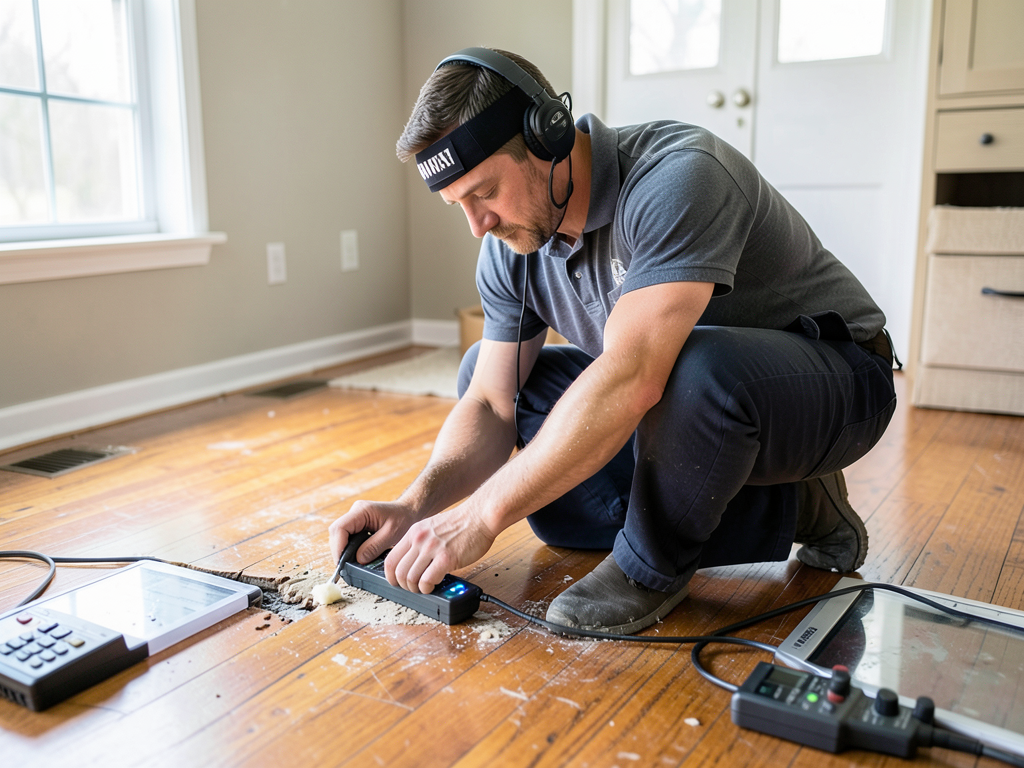
Professional hardwood floor restoration follows a systematic approach. First, we use moisture meters to determine how deep water has penetrated the wood and subfloor. Dallas homes near White Rock Lake or along the Trinity River watershed often have higher baseline moisture levels, which affects our drying targets.. Read more about Professional Crawl Space Drying and Encapsulation in the Dallas Area.
Next, we extract remaining water using truck-mounted extraction units. These provide more suction than portable units and remove water from deep within the wood grain. The process typically takes 2-4 hours depending on the extent of saturation.
Industrial dehumidifiers then run continuously for 3-5 days. We use LGR (Low Grain Refrigerant) dehumidifiers that can achieve 40-50% relative humidity levels. This is crucial in Dallas where outdoor humidity often exceeds 70%.
Throughout the process, we monitor moisture content daily using penetrating moisture meters. Wood should reach 6-8% moisture content before refinishing. Dallas’s climate means we often need to dry floors to slightly lower levels than national standards to account for seasonal humidity swings.
Solid vs. Engineered Hardwood Restoration
Solid hardwood floors in Dallas homes built before 1990 often have thicker planks that can withstand more water exposure. These floors can sometimes be sanded and refinished even after significant damage. The wood grain may show slight discoloration but structural integrity remains intact.
Engineered hardwood presents different challenges. The thin veneer layer cannot be sanded as aggressively as solid wood. Water damage often requires plank replacement rather than refinishing. Dallas’s newer luxury builds in areas like Preston Hollow frequently use engineered products that need specialized restoration techniques.
Wood floor cupping occurs when moisture causes boards to expand and lift at the edges. This creates a concave shape visible across the floor surface. Crowning is the opposite – the center of boards rises higher than edges. Both conditions require different restoration approaches.
Subfloor moisture testing is critical. Dallas homes with pier and beam foundations in older neighborhoods like Lakewood can develop moisture pockets that damage both the subfloor and hardwood above. We use thermal imaging cameras to detect hidden moisture without destructive testing.
Dealing with Insurance Claims in Texas
Texas insurance regulations require documentation of water damage mitigation efforts. We provide detailed moisture mapping reports that show affected areas and drying progress. These reports meet requirements of the Texas Department of Insurance and help expedite claim approvals. EPA Mold Guidelines.
Most Dallas homeowners policies cover sudden water damage from burst pipes or appliance failures. However, damage from foundation movement – common in Dallas’s expansive clay soils – may require additional coverage. We help identify the water source to determine coverage eligibility.
Insurance companies often require proof that professional drying equipment was used. Our IICRC S500 certified technicians document equipment usage, moisture readings, and drying times. This documentation satisfies adjuster requirements and prevents claim denials.
State Farm and Allstate typically cover hardwood floor restoration if damage results from a covered peril. The key is demonstrating that professional restoration prevents more expensive replacement. Our detailed cost-benefit analysis often shows insurance companies that restoration costs 40-60% less than replacement.
Why Professional Drying Matters
DIY drying methods often fail in Dallas’s climate. Box fans and household dehumidifiers cannot achieve the low humidity levels needed for proper wood floor restoration. Professional equipment removes moisture from deep within wood cells where household methods cannot reach.
Secondary damage is a major concern. Water that remains in subfloors for more than 48 hours creates ideal conditions for mold growth. Dallas’s warm temperatures accelerate mold development. Professional drying prevents mold colonies from establishing in the wood structure.
Foundation movement in Dallas homes can cause plumbing leaks that damage hardwood floors. The expansive clay soil common in North Texas puts stress on pipes, especially in homes built before modern flexible piping was standard. We identify and address these underlying issues during restoration.
Humidity levels in Dallas vary dramatically by season. Summer brings high humidity that slows natural drying. Winter cold snaps can cause pipe bursts that flood floors. Our restoration process accounts for these seasonal factors to ensure complete moisture removal regardless of weather conditions.
Wood floor buckling occurs when excessive moisture causes boards to separate from the subfloor. This creates large gaps and lifting sections. In severe cases, boards can be several inches above their normal position. Professional intervention can prevent buckling if caught early enough.
The Dallas area’s aging infrastructure contributes to water damage risks. Many homes in established neighborhoods have cast iron plumbing nearing the end of its service life. These pipes corrode from the inside out, creating weak points that fail suddenly and flood hardwood floors.
Preventing Future Hardwood Floor Damage
Regular maintenance prevents many water damage scenarios. Check appliance hoses monthly for signs of wear. Dallas’s hard water can accelerate hose deterioration. Replace washing machine and dishwasher supply lines every 5 years as preventative maintenance.
Install water sensors near potential leak sources. Modern sensors can send alerts to your phone when moisture is detected. This early warning system can prevent minor leaks from becoming major hardwood floor disasters.
Consider professional waterproofing in high-risk areas. Bathroom floors adjacent to hardwood living spaces benefit from waterproofing membranes. This creates a barrier that prevents water from reaching wood floors even if a toilet or tub overflows.
Foundation maintenance reduces plumbing stress. Dallas’s clay soil expands when wet and contracts when dry. This movement stresses pipes and can cause leaks. Proper drainage away from your foundation prevents soil expansion that leads to pipe damage.
Annual HVAC maintenance prevents condensation issues. Dallas’s air conditioning systems produce significant condensation that must drain properly. Clogged drain lines can back up and cause water to overflow onto nearby hardwood floors.
Cost Factors in Hardwood Floor Restoration
Restoration costs depend on several factors unique to Dallas homes. The age of your home affects restoration complexity. Older homes may have multiple flooring layers that require removal before proper drying can occur.
Wood species affects restoration success. Oak and maple hardwoods respond better to restoration than exotic species like Brazilian cherry. The wood’s density and grain structure determine how well it releases absorbed moisture.
Extent of damage drives equipment needs. Minor cupping may require only surface drying and refinishing. Severe flooding often needs complete floor removal, subfloor replacement, and new installation. Dallas homes with open floor plans may have larger affected areas than compartmentalized older homes.
Access challenges increase restoration time. Second-floor water damage requires equipment to be carried upstairs. Homes with limited parking may need smaller equipment that takes longer to complete the job.
Insurance coverage affects out-of-pocket costs. Some policies have separate deductibles for water damage versus other perils. We help navigate these coverage details to minimize your financial impact.
Frequently Asked Questions
How long does hardwood floor water damage take to show?
Water damage to hardwood floors can appear within hours or take days to become visible. Cupping typically shows within 24-48 hours of water exposure. Dark staining from water penetration may take 3-5 days to appear. The North Texas climate affects this timeline – high humidity slows visible damage but accelerates mold growth.
Can cupped hardwood floors be saved?
Yes, cupped floors can often be saved if addressed quickly. The cupping is a response to moisture imbalance in the wood. Professional drying typically reverses cupping if the wood structure remains intact. Severe cupping that has existed for weeks may require board replacement or complete refinishing.
What does water damage look like on hardwood floors?
Water damage appears as cupping (edges higher than center), crowning (center higher than edges), dark staining, or separation between boards. You may notice a spongy feel when walking on affected areas. In Dallas homes, seasonal humidity changes can cause similar symptoms, making professional moisture testing essential for accurate diagnosis.
How much does it cost to restore water damaged hardwood floors?
Restoration costs in Dallas typically range from $3 to $8 per square foot depending on damage extent. Minor cupping repair might cost $500-1,000. Severe flooding requiring board replacement and refinishing can exceed $10,000. Insurance coverage often covers 70-100% of restoration costs for sudden, accidental damage.
How long does the restoration process take?
Professional hardwood floor restoration takes 5-10 days on average. Water extraction occurs day one. Drying equipment runs continuously for 3-5 days. Final moisture testing and refinishing adds 2-3 days. Dallas’s humidity may extend drying times by 1-2 days compared to drier climates.
Should I replace or restore water damaged hardwood?
Restoration is usually preferable if damage is caught early and wood structure remains sound. Replacement costs 2-3 times more than restoration. However, if water has been present for weeks or caused severe structural damage, replacement may be the only option. Professional assessment determines the best approach.
Will my insurance cover hardwood floor water damage?
Most homeowner policies cover sudden, accidental water damage to hardwood floors. Burst pipes, appliance failures, and roof leaks are typically covered. However, damage from foundation movement or lack of maintenance may be excluded. We provide documentation that satisfies insurance requirements and helps maximize your coverage.
How can I prevent water damage to my hardwood floors?
Prevent water damage by checking appliance hoses regularly, installing water sensors, maintaining proper drainage away from your foundation, and having your HVAC system serviced annually. Dallas’s climate requires special attention to humidity control. Consider professional waterproofing in bathrooms and laundry rooms adjacent to hardwood areas.
What should I do immediately after water contacts my hardwood floors?
Remove standing water immediately using towels or a wet vacuum. Do not use heat sources for drying. Place fans for air circulation and call a professional restoration company within 24 hours. Quick action prevents permanent damage and reduces restoration costs. Document everything with photos for insurance purposes.
Can mold grow under hardwood floors after water damage?
Yes, mold can grow under hardwood floors within 24-48 hours of water exposure. Dallas’s warm temperatures accelerate mold growth. Subfloor moisture creates ideal conditions for mold colonies even if the hardwood surface appears dry. Professional drying equipment and moisture testing are essential to prevent mold growth.
How do I know if my hardwood floors need professional restoration?
Professional restoration is needed if you notice cupping, crowning, dark staining, or a spongy feel when walking on the floor. If water exposure exceeded 24 hours or affected a large area, professional equipment is necessary. DIY methods rarely achieve the moisture levels needed to prevent long-term damage.
What certifications should a hardwood floor restoration company have?
Look for IICRC S500 certification for water damage restoration and specific hardwood floor restoration experience. The company should use professional moisture meters, thermal imaging cameras, and industrial dehumidifiers. Dallas-specific experience is valuable since local climate affects restoration techniques and drying times.
Can engineered hardwood be restored after water damage?
Engineered hardwood can sometimes be restored if water exposure was brief and the veneer layer remains intact. However, delamination or swelling of the veneer often requires plank replacement. The thin top layer cannot be sanded as aggressively as solid wood, limiting restoration options for severe damage.
How does Dallas humidity affect hardwood floor restoration?
Dallas’s high humidity (often 70%+) slows natural drying and creates challenges for moisture removal. Professional restoration must achieve lower moisture content levels than in drier climates. The process typically takes 1-2 days longer in Dallas than in cities with desert climates. Year-round humidity control prevents future damage.
What tools do professionals use for hardwood floor water damage?
Professionals use moisture meters to detect hidden water, thermal imaging cameras to map moisture patterns, industrial dehumidifiers for moisture removal, air movers for circulation, and penetrating moisture meters to verify drying completion. Truck-mounted extraction units provide superior water removal compared to portable equipment.
How does foundation movement cause hardwood floor damage?
Dallas’s expansive clay soil puts stress on plumbing pipes, causing slow leaks that damage hardwood floors over time. Foundation settling can also create gaps where water enters and damages floors from below. Proper foundation maintenance and drainage prevent these moisture-related issues that commonly affect older Dallas homes.
Call Now for Emergency Hardwood Floor Restoration
Water damage to hardwood floors requires immediate professional attention. The longer you wait, the more expensive restoration becomes. Our IICRC certified technicians are ready to respond 24/7 to Dallas homes throughout Addison, Coppell, and surrounding areas.
We bring industrial-grade equipment and years of Dallas-specific experience to every job. Our restoration process follows IICRC S500 standards and includes detailed documentation for insurance claims. We understand the unique challenges of North Texas humidity and how it affects hardwood floor restoration.
Don’t let water damage destroy your beautiful hardwood floors. Call (972) 886-5955 today to schedule your inspection. We’ll arrive within 60 minutes of your call and begin the restoration process immediately. Our goal is to save your floors and protect your home’s value.
Pick up the phone and call (972) 886-5955 before the next storm hits. Dallas’s unpredictable weather means water damage can happen any time. Be prepared with a restoration company that understands your floors and your neighborhood.
Our team serves all Dallas communities including University Park, Highland Park, and Far North Dallas. We know the specific construction methods used in different Dallas neighborhoods and how they affect restoration approaches. Trust local experts who understand your home’s unique needs. For more information, visit FEMA Water Damage Prevention.
Call (972) 886-5955 now for emergency hardwood floor restoration. Your floors deserve professional care, and your home deserves protection from further damage. We’re standing by to help you save your hardwood floors and restore your peace of mind.
{
“@context”: “https://schema.org”,
“@type”: “BlogPosting”,
“headline”: “Saving Your Hardwood Floors After Water Damage in Dallas”,
“description”: “Expert Dallas hardwood floor water damage repair using IICRC S500 standards. Learn to save your floors from cupping, crowning, and subfloor rot in North Texas humidity.”,
“wordCount”: 2426,
“datePublished”: “2026-02-16T14:55:00.000Z”,
“dateModified”: “2026-02-16T14:55:00.000Z”,
“inLanguage”: “en-US”,
“mainEntityOfPage”: {
“@type”: “WebPage”,
“@id”: “https://peakwaterdamagerestorationdallas.com”
},
“publisher”: {
“@type”: “LocalBusiness”,
“name”: “Peak Water Damage Restoration Dallas”,
“url”: “https://peakwaterdamagerestorationdallas.com”
},
“author”: {
“@type”: “Organization”,
“name”: “Peak Water Damage Restoration Dallas”,
“url”: “https://peakwaterdamagerestorationdallas.com”
},
“image”: {
“@type”: “ImageObject”,
“url”: “https://peakwaterdamagerestorationdallas.com/wp-content/uploads/2026/03/saving-your-hardwood-floors-after-water-damage-in-1.png”
}
}
{
“@context”: “https://schema.org”,
“@type”: “LocalBusiness”,
“name”: “Peak Water Damage Restoration Dallas”,
“url”: “https://peakwaterdamagerestorationdallas.com”,
“address”: {
“@type”: “PostalAddress”,
“addressLocality”: “Dallas”
},
“areaServed”: {
“@type”: “City”,
“name”: “Dallas”
}
}
{
“@context”: “https://schema.org”,
“@type”: “FAQPage”,
“mainEntity”: [
{
“@type”: “Question”,
“name”: “How long does hardwood floor water damage take to show?”,
“acceptedAnswer”: {
“@type”: “Answer”,
“text”: “Water damage to hardwood floors can appear within hours or take days to become visible. Cupping typically shows within 24-48 hours of water exposure. Dark staining from water penetration may take 3-5 days to appear. The North Texas climate affects this timeline – high humidity slows visible damage but accelerates mold growth.”
}
},
{
“@type”: “Question”,
“name”: “Can cupped hardwood floors be saved?”,
“acceptedAnswer”: {
“@type”: “Answer”,
“text”: “Yes, cupped floors can often be saved if addressed quickly. The cupping is a response to moisture imbalance in the wood. Professional drying typically reverses cupping if the wood structure remains intact. Severe cupping that has existed for weeks may require board replacement or complete refinishing.”
}
},
{
“@type”: “Question”,
“name”: “What does water damage look like on hardwood floors?”,
“acceptedAnswer”: {
“@type”: “Answer”,
“text”: “Water damage appears as cupping (edges higher than center), crowning (center higher than edges), dark staining, or separation between boards. You may notice a spongy feel when walking on affected areas. In Dallas homes, seasonal humidity changes can cause similar symptoms, making professional moisture testing essential for accurate diagnosis.”
}
},
{
“@type”: “Question”,
“name”: “How much does it cost to restore water damaged hardwood floors?”,
“acceptedAnswer”: {
“@type”: “Answer”,
“text”: “Restoration costs in Dallas typically range from $3 to $8 per square foot depending on damage extent. Minor cupping repair might cost $500-1,000. Severe flooding requiring board replacement and refinishing can exceed $10,000. Insurance coverage often covers 70-100% of restoration costs for sudden, accidental damage.”
}
},
{
“@type”: “Question”,
“name”: “How long does the restoration process take?”,
“acceptedAnswer”: {
“@type”: “Answer”,
“text”: “Professional hardwood floor restoration takes 5-10 days on average. Water extraction occurs day one. Drying equipment runs continuously for 3-5 days. Final moisture testing and refinishing adds 2-3 days. Dallas’s humidity may extend drying times by 1-2 days compared to drier climates.”
}
},
{
“@type”: “Question”,
“name”: “Should I replace or restore water damaged hardwood?”,
“acceptedAnswer”: {
“@type”: “Answer”,
“text”: “Restoration is usually preferable if damage is caught early and wood structure remains sound. Replacement costs 2-3 times more than restoration. However, if water has been present for weeks or caused severe structural damage, replacement may be the only option. Professional assessment determines the best approach.”
}
},
{
“@type”: “Question”,
“name”: “Will my insurance cover hardwood floor water damage?”,
“acceptedAnswer”: {
“@type”: “Answer”,
“text”: “Most homeowner policies cover sudden, accidental water damage to hardwood floors. Burst pipes, appliance failures, and roof leaks are typically covered. However, damage from foundation movement or lack of maintenance may be excluded. We provide documentation that satisfies insurance requirements and helps maximize your coverage.”
}
},
{
“@type”: “Question”,
“name”: “How can I prevent water damage to my hardwood floors?”,
“acceptedAnswer”: {
“@type”: “Answer”,
“text”: “Prevent water damage by checking appliance hoses regularly, installing water sensors, maintaining proper drainage away from your foundation, and having your HVAC system serviced annually. Dallas’s climate requires special attention to humidity control. Consider professional waterproofing in bathrooms and laundry rooms adjacent to hardwood areas.”
}
},
{
“@type”: “Question”,
“name”: “What should I do immediately after water contacts my hardwood floors?”,
“acceptedAnswer”: {
“@type”: “Answer”,
“text”: “Remove standing water immediately using towels or a wet vacuum. Do not use heat sources for drying. Place fans for air circulation and call a professional restoration company within 24 hours. Quick action prevents permanent damage and reduces restoration costs. Document everything with photos for insurance purposes.”
}
},
{
“@type”: “Question”,
“name”: “Can mold grow under hardwood floors after water damage?”,
“acceptedAnswer”: {
“@type”: “Answer”,
“text”: “Yes, mold can grow under hardwood floors within 24-48 hours of water exposure. Dallas’s warm temperatures accelerate mold growth. Subfloor moisture creates ideal conditions for mold colonies even if the hardwood surface appears dry. Professional drying equipment and moisture testing are essential to prevent mold growth.”
}
},
{
“@type”: “Question”,
“name”: “How do I know if my hardwood floors need professional restoration?”,
“acceptedAnswer”: {
“@type”: “Answer”,
“text”: “Professional restoration is needed if you notice cupping, crowning, dark staining, or a spongy feel when walking on the floor. If water exposure exceeded 24 hours or affected a large area, professional equipment is necessary. DIY methods rarely achieve the moisture levels needed to prevent long-term damage.”
}
},
{
“@type”: “Question”,
“name”: “What certifications should a hardwood floor restoration company have?”,
“acceptedAnswer”: {
“@type”: “Answer”,
“text”: “Look for IICRC S500 certification for water damage restoration and specific hardwood floor restoration experience. The company should use professional moisture meters, thermal imaging cameras, and industrial dehumidifiers. Dallas-specific experience is valuable since local climate affects restoration techniques and drying times.”
}
},
{
“@type”: “Question”,
“name”: “Can engineered hardwood be restored after water damage?”,
“acceptedAnswer”: {
“@type”: “Answer”,
“text”: “Engineered hardwood can sometimes be restored if water exposure was brief and the veneer layer remains intact. However, delamination or swelling of the veneer often requires plank replacement. The thin top layer cannot be sanded as aggressively as solid wood, limiting restoration options for severe damage.”
}
},
{
“@type”: “Question”,
“name”: “How does Dallas humidity affect hardwood floor restoration?”,
“acceptedAnswer”: {
“@type”: “Answer”,
“text”: “Dallas’s high humidity (often 70%+) slows natural drying and creates challenges for moisture removal. Professional restoration must achieve lower moisture content levels than in drier climates. The process typically takes 1-2 days longer in Dallas than in cities with desert climates. Year-round humidity control prevents future damage.”
}
},
{
“@type”: “Question”,
“name”: “What tools do professionals use for hardwood floor water damage?”,
“acceptedAnswer”: {
“@type”: “Answer”,
“text”: “Professionals use moisture meters to detect hidden water, thermal imaging cameras to map moisture patterns, industrial dehumidifiers for moisture removal, air movers for circulation, and penetrating moisture meters to verify drying completion. Truck-mounted extraction units provide superior water removal compared to portable equipment.”
}
},
{
“@type”: “Question”,
“name”: “How does foundation movement cause hardwood floor damage?”,
“acceptedAnswer”: {
“@type”: “Answer”,
“text”: “Dallas’s expansive clay soil puts stress on plumbing pipes, causing slow leaks that damage hardwood floors over time. Foundation settling can also create gaps where water enters and damages floors from below. Proper foundation maintenance and drainage prevent these moisture-related issues that commonly affect older Dallas homes.”
}
}
]
}
{
“@context”: “https://schema.org”,
“@type”: “BreadcrumbList”,
“itemListElement”: [
{
“@type”: “ListItem”,
“position”: 1,
“name”: “Home”,
“item”: “https://peakwaterdamagerestorationdallas.com”
},
{
“@type”: “ListItem”,
“position”: 2,
“name”: “Blog”,
“item”: “https://peakwaterdamagerestorationdallas.com/blog”
},
{
“@type”: “ListItem”,
“position”: 3,
“name”: “Saving Your Hardwood Floors After Water Damage in Dallas”
}
]
}
{
“@context”: “https://schema.org”,
“@type”: “Service”,
“serviceType”: “Water Damage Restoration”,
“provider”: {
“@type”: “LocalBusiness”,
“name”: “Peak Water Damage Restoration Dallas”,
“url”: “https://peakwaterdamagerestorationdallas.com”
},
“areaServed”: {
“@type”: “City”,
“name”: “Dallas”
},
“description”: “Expert Dallas hardwood floor water damage repair using IICRC S500 standards. Learn to save your floors from cupping, crowning, and subfloor rot in North Texas humidity.”
}