Menu

Commercial Sewage Cleanup in Dallas | Minimize Downtime, Protect Your Operations

Industrial-grade commercial sewage remediation that addresses contamination, mitigates liability, and restores safe operations fast for Dallas businesses facing sewer backup emergencies.

Slider Image 1
Slider Image 2
Slider Image 3
Slider Image 4
Slider Image 5
Slider Image 7
Slider Image 8
Slider Image 9
Slider Image 10
Slider Image 11

How Dallas Infrastructure and Building Density Create Sewage Risks

Dallas's aging municipal sewer infrastructure, particularly in the Deep Ellum and West Dallas industrial corridors, creates predictable failure points during heavy rain events. The region's clay soil shifts with moisture fluctuations, stressing underground pipes. When these pipes crack or collapse, sewage backs up into the lowest points of your facility.

Commercial sewage backup is not like a water leak. It introduces Category 3 black water, which carries pathogens, parasites, and chemical contaminants. OSHA requires immediate containment and professional remediation to prevent employee exposure. The Dallas building code mandates that affected spaces meet strict decontamination standards before you can legally reopen.

Industrial sewage cleanup demands extraction equipment rated for solids, antimicrobial fogging systems, and proper disposal protocols. Retail spaces, warehouses, and food service facilities face different contamination risks based on use type. A restaurant sewage backup requires health department clearance. A warehouse incident may trigger EPA reporting if chemicals mix with the wastewater.

Commercial sewer backup cleaning is time-sensitive. Every hour of downtime costs you revenue and productivity. Delayed response allows microbial growth to colonize porous materials within 48 hours. Structural materials like drywall and insulation become unsalvageable. Flooring adhesives break down. The longer contaminated water sits, the more you lose in asset replacement costs.

Commercial black water extraction requires licensed contractors who understand the difference between containment, extraction, decontamination, and verification testing. You cannot use standard water mitigation methods on sewage. The process must address both visible contamination and microscopic biological threats that linger in HVAC systems and behind walls.

How Dallas Infrastructure and Building Density Create Sewage Risks
Our Industrial Sewage Remediation Process

Our Industrial Sewage Remediation Process

Liberty Water Damage Restoration Riverside uses a containment-first approach. We establish negative air pressure zones using HEPA-filtered air scrubbers to prevent cross-contamination into unaffected areas. This protects inventory, equipment, and employee workspaces while we address the hot zone.

We deploy truck-mounted extraction systems capable of handling solids and sludge. Portable pumps clear standing sewage from below-grade spaces like basements and loading docks. We document the extraction process with photo and video records for your insurance adjuster and risk management team.

After extraction, we remove all non-salvageable materials. Drywall, insulation, baseboards, and carpeting exposed to black water cannot be cleaned to safe standards. We bag and dispose of contaminated materials following EPA and Texas Commission on Environmental Quality guidelines. This is not optional. Attempting to save contaminated porous materials creates ongoing liability.

Surface decontamination follows a three-stage protocol. We apply EPA-registered antimicrobial agents to all hard surfaces, structural framing, and mechanical systems. Fogging equipment distributes disinfectant into wall cavities and under-floor spaces. We then perform ATP testing to verify microbial load reduction before reconstruction begins.

Commercial sewage removal includes odor neutralization through hydroxyl generation or ozone treatment, depending on occupancy restrictions and material sensitivity. We also address your HVAC system. Sewage vapors infiltrate ductwork and can recontaminate cleaned spaces if not properly treated.

We coordinate with your operations team to sequence the work around your business needs. Night shifts, weekend scheduling, and phased restoration allow you to maintain partial operations while we complete the commercial sewage remediation. The goal is safe, compliant reopening with minimal revenue disruption.

What Happens During Emergency Sewage Response

Commercial Sewage Cleanup in Dallas | Minimize Downtime, Protect Your Operations
01

Site Containment and Assessment

We isolate the contaminated zone immediately using physical barriers and negative air machines. Our team maps the extent of sewage infiltration using moisture meters and thermal imaging. We identify the source of the backup, whether it's a collapsed lateral line, main sewer obstruction, or lift station failure. This data determines the scope of commercial black water extraction and helps you communicate with your plumber and insurance carrier.
02

Extraction and Material Removal

Truck-mounted pumps remove standing sewage and sludge from the facility. We strip out contaminated porous materials down to the structural deck or slab. All affected materials are bagged, labeled, and removed per hazardous waste transport regulations. We document the removal process for your records and regulatory compliance. This phase clears the space for proper decontamination and eliminates the primary contamination source.
03

Decontamination and Clearance Testing

We apply hospital-grade antimicrobials to all remaining surfaces and structural components. Air scrubbers run continuously to remove airborne contaminants. Once the treatment dwell time is complete, we perform ATP bioluminescence testing and visual inspection. You receive a clearance report documenting that the space meets safe reoccupancy standards. This report is critical for health department approval and insurance claim closure.

Why Dallas Businesses Choose Liberty Water Damage Restoration Riverside

Dallas operates under the 2021 International Building Code with local amendments that affect post-remediation reconstruction. We know the inspection triggers and permit requirements that apply when you rebuild after a sewage event. This knowledge prevents costly delays and failed inspections.

We also understand the operational realities of Dallas commercial facilities. The Design District warehouses, Stemmons Corridor office parks, and Medical District clinics all have different contamination risks and regulatory requirements. A medical office sewage backup triggers HIPAA considerations if patient records are exposed. A restaurant incident requires Texas Health and Human Services sign-off before reopening. We navigate these requirements as part of the service.

Our response time matters in a city where commercial lease agreements often include uptime requirements and penalty clauses. We dispatch teams 24 hours a day because sewage backups do not wait for business hours. The faster we contain and extract, the less you lose in damaged inventory and lease violations.

We also carry commercial liability coverage appropriate for large-loss industrial sewage cleanup projects. This protects you if something goes wrong during remediation. Many smaller contractors lack the bonding and insurance capacity to handle commercial claims, which shifts risk back to your business.

Liberty Water Damage Restoration Riverside coordinates directly with your insurance adjuster, corporate risk manager, and facility maintenance team. We provide detailed scope documentation, including moisture mapping, photo logs, and material disposal records. This documentation reduces claim disputes and speeds reimbursement.

You also get transparent pricing. We provide a written estimate before work begins, breaking down extraction, decontamination, disposal, and reconstruction costs. No surprise invoices. No hidden fees. You know what the project will cost before we start.

What Your Business Can Expect During Sewage Remediation

Rapid Mobilization and Response

We dispatch teams within two hours of your call. Sewage contamination spreads rapidly through flooring systems and into wall cavities. Immediate containment limits the affected area and reduces demolition costs. Our trucks carry extraction pumps, containment barriers, and air filtration equipment so we can begin work the moment we arrive. You do not wait for equipment rental or second trips. We also work around your schedule. If you need night or weekend response to avoid disrupting daytime operations, we accommodate that.

Detailed Contamination Mapping

We document every affected surface, material, and system using calibrated moisture detection tools and thermal imaging cameras. This data tells you exactly what needs remediation and what can be saved. You receive a written assessment that breaks down contamination levels, material salvageability, and recommended actions. This report supports your insurance claim and helps your CFO understand the financial impact. We also identify the root cause of the backup so you can coordinate permanent repairs with your plumber or civil engineer.

Certified Decontamination and Clearance

Our antimicrobial protocols meet IICRC S500 standards for Category 3 water remediation. We apply EPA-registered disinfectants at manufacturer-specified concentrations and dwell times. After treatment, we perform third-party verification testing to confirm microbial reduction. You receive a clearance certificate that documents the space is safe for reoccupancy. This certificate satisfies health department inspectors, insurance underwriters, and corporate risk managers. It also protects you from future liability if an employee claims illness related to the incident.

Post-Remediation Monitoring and Support

We return seven days after project completion to verify that moisture levels remain stable and no secondary contamination has occurred. If your facility includes below-grade spaces, we check for groundwater intrusion that could reintroduce contamination. You also receive a remediation summary that includes disposal manifests, decontamination protocols used, and testing results. Keep this documentation in your facility files. It protects you during future property transactions, lease renewals, and regulatory audits. If you need ongoing monitoring or preventive maintenance, we schedule that as well.

Frequently Asked Questions

You Have Questions,
We Have Answers

How much does it cost to clean up sewage? +

Commercial sewage cleanup costs vary based on contamination extent, affected square footage, and structural damage. Category 3 water (black water) requires complete remediation, including extraction, antimicrobial treatment, disposal of porous materials, and controlled drying. Dallas properties with HVAC system contamination face higher costs due to ductwork cleaning or replacement. Expect disposal fees for contaminated materials, lab testing if required by health inspectors, and potential code upgrades if plumbing failures occurred. Business interruption costs often exceed cleanup expenses, so prioritize certified remediation to minimize downtime and liability exposure.

Does insurance cover sewage cleanup? +

Commercial general liability policies typically exclude sewage backup unless you purchased specific endorsements. Property policies may cover damage from sudden pipe failures but not maintenance-related issues or sewer line problems outside your building. Review your policy's water damage exclusions carefully. Dallas businesses should carry both commercial property insurance with backup coverage and separate pollution liability insurance if you handle waste streams. Document everything immediately. Insurance adjusters look for evidence of proper maintenance and code compliance before approving claims, so maintain inspection records.

How long do sewage bacteria last on surfaces? +

Pathogenic bacteria from sewage survive on hard surfaces for days to weeks depending on moisture, temperature, and organic matter presence. E. coli persists up to nine days on countertops. Salmonella can survive four weeks in dried sewage. Dallas humidity extends bacterial viability significantly. Porous materials like drywall, insulation, and carpet harbor bacteria indefinitely once contaminated. Surface wiping alone does not eliminate pathogens. Professional remediation requires EPA-registered antimicrobial agents, proper contact time, and post-treatment verification testing. Your liability exposure remains until you provide documented proof of proper sanitation to employees and customers.

What is commercial sewage? +

Commercial sewage refers to wastewater containing human waste, toilet discharge, and Category 3 black water from business operations. This includes restroom backups, grease trap overflows, floor drain failures, and sanitary sewer line breaches. Dallas commercial properties face unique risks from aging infrastructure in older districts and clay soil movement causing pipe separations. Unlike gray water from sinks, commercial sewage contains fecal coliform bacteria, viruses, and parasites requiring specialized remediation protocols. OSHA classifies it as a bloodborne pathogen exposure risk, mandating protective equipment and certified disposal through licensed waste haulers.

Is sewer jetting worth it? +

Sewer jetting delivers measurable ROI for Dallas commercial properties with recurring drain issues. Hydro jetting removes grease buildup, mineral deposits, and root intrusions that cause backups and liability exposure. Restaurants and food service businesses should jet lines quarterly to prevent grease accumulation that violates city ordinances. The process extends pipe lifespan by preventing corrosion from standing waste and reduces emergency callout costs. However, jetting damaged pipes can worsen fractures. Always camera inspect first to assess structural integrity. For older buildings in downtown Dallas, trenchless lining after jetting provides long-term protection without excavation.

Why is my sewer bill 200 dollars? +

High sewer bills in Dallas often indicate leaks, cross-connections, or metering errors. Commercial properties pay volumetric rates based on water consumption, so toilet flapper failures or irrigation backflow into sanitary lines inflate charges significantly. Dallas Water Utilities meters both supply and wastewater, but sewer charges apply to all metered water regardless of destination. Check for running toilets, cooling tower blowdown miscalculations, or incorrect meter multipliers. Request a consumption audit if bills spike unexpectedly. Some properties qualify for irrigation deductions if you install separate meters, reducing sewer charges for landscape water that never enters the sanitary system.

What is the average lifespan of a sewer line? +

Clay and cast iron sewer lines last 50 to 60 years under ideal conditions. PVC and ABS plastic pipes installed since the 1980s should function 100 years if properly bedded. Dallas properties face accelerated deterioration from expansive clay soils causing pipe separation and root intrusion from mature trees seeking moisture. Buildings constructed before 1980 in established neighborhoods likely have aging clay tile or cast iron requiring proactive replacement planning. Conduct camera inspections every five years after the 40-year mark to document condition and budget for replacements before catastrophic failures cause business closures and contamination liability.

How much does sewage insurance cost? +

Commercial sewage backup coverage costs 200 to 800 dollars annually depending on building age, claims history, and coverage limits. This endorsement adds to your base commercial property policy and typically covers 25,000 to 100,000 dollars per occurrence. Dallas properties in flood zones or near aging municipal infrastructure pay premium surcharges. Standalone pollution liability policies protecting against third-party contamination claims cost significantly more, starting around 2,500 dollars annually. Underwriters evaluate your maintenance records, backflow preventer installation, and grease trap compliance before issuing coverage. Properties with documented preventive maintenance programs qualify for better rates.

Are trenchless sewer repairs worth it? +

Trenchless sewer repairs justify the investment for Dallas commercial properties where excavation disrupts operations or damages landscaping. Cured-in-place pipe lining costs more per linear foot than traditional replacement but eliminates surface restoration expenses, parking lot repaving, and business interruption losses. The method works well for buildings with limited access or where digging risks damaging adjacent utilities common in dense urban areas. Trenchless repairs complete in days instead of weeks. However, severely collapsed pipes or lines with significant offset joints require excavation. Obtain camera inspection documentation showing pipe condition before committing to trenchless solutions for accurate cost comparison.

Is human feces a biohazard? +

Human feces qualifies as a biohazard under OSHA bloodborne pathogen standards due to hepatitis A, norovirus, E. coli, and parasitic contamination risks. Commercial sewage cleanup requires trained technicians using personal protective equipment, antimicrobial disinfection, and regulated medical waste disposal protocols. Dallas businesses face strict liability if employees or customers contract illnesses from improper cleanup. Workers compensation claims and third-party lawsuits follow documented exposure incidents. Never allow untrained staff to handle sewage cleanup. Proper remediation includes source elimination, affected material removal, antimicrobial application with verified contact time, and air quality testing before reoccupancy to protect your business from regulatory penalties and litigation.

Why Dallas Clay Soil and Aging Infrastructure Create Sewage Backup Risks

Dallas sits on expansive clay soil that swells when wet and contracts during dry periods. This seasonal movement cracks underground sewer laterals and main lines, particularly in older commercial districts like Oak Cliff and East Dallas. When pipes crack, tree roots infiltrate and create blockages. Heavy rain events overwhelm the damaged system, forcing sewage back through floor drains and toilets. Commercial facilities in low-lying areas near the Trinity River floodplain face the highest risk. Industrial sewage cleanup in these zones often reveals structural damage to building foundations caused by the same soil movement that broke the sewer lines.

The City of Dallas has been upgrading its wastewater infrastructure, but thousands of miles of pre-1970 clay and cast iron pipe remain in service. Commercial property owners are responsible for lateral lines from the building to the main sewer connection. If your facility was built before 1980, assume your sewer lateral is at risk. Liberty Water Damage Restoration Riverside works with Dallas commercial plumbing contractors who specialize in camera inspection and trenchless pipe repair. We coordinate these permanent fixes as part of the overall remediation plan so you address both the contamination and the root cause.
Water Damage Services in The Dallas Area

We are proud to serve the entire Dallas area and surrounding communities. Our strategically located office allows for quick and efficient dispatch of our teams to your location, ensuring a rapid response to your water damage emergency. View our service area on the map to see how we can assist you, and don't hesitate to contact us for immediate help no matter where you are.

Address:
Peak Water Damage Restoration Dallas, 3510 Ross Ave, Dallas, TX, 75204

Additional Services We Offer

Our news updates

Latest Articles & News from The Blogs

Fixing a Leaky Beer Tap or Kegerator Before it Destroys Your Dallas Man Cave A slow drip from your beer…

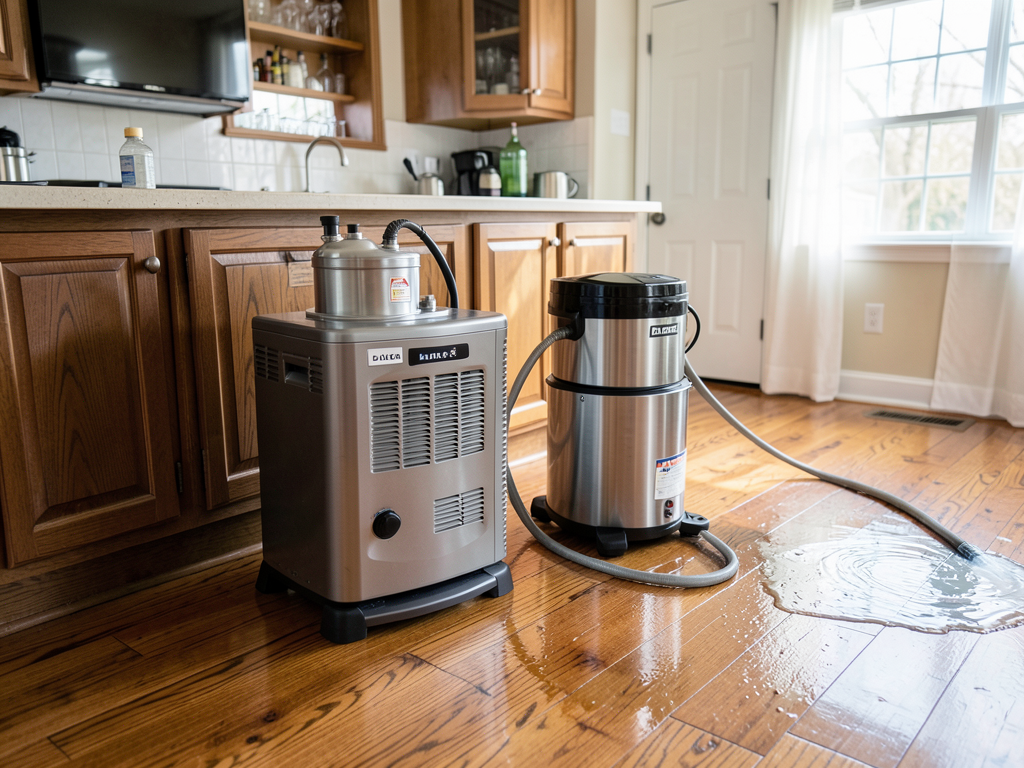
Fixing a Leaky Beer Tap or Kegerator Before it Destroys Your Dallas Man Cave

Fixing a Leaky Beer Tap or Kegerator Before it Destroys Your Dallas Man Cave A slow drip from your beer…

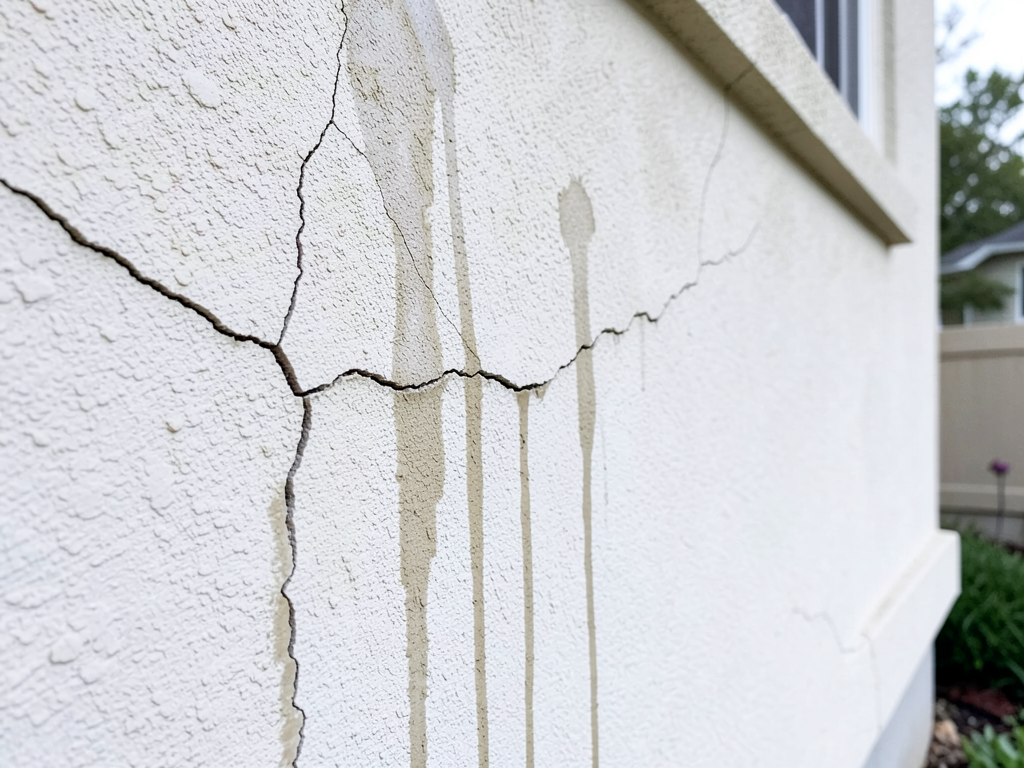
How Hairline Cracks in Your Stucco Exterior are Letting Water Into Your Preston Hollow Home

How Hairline Cracks in Your Stucco Exterior are Letting Water Into Your Preston Hollow Home Stucco cracks wider than a…

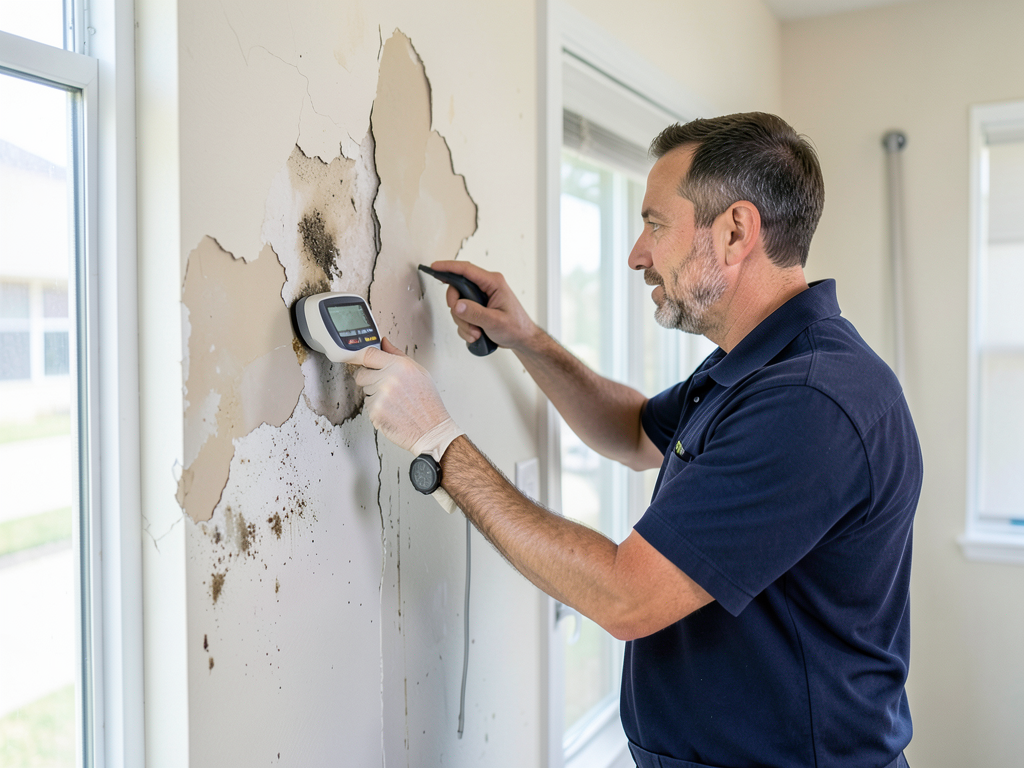
How the Dallas Heat Accelerates Mold Growth Within Just Hours of a Pipe Burst

How the Dallas Heat Accelerates Mold Growth Within Just Hours of a Pipe Burst The Dallas heat and humidity create…

Contact Us

Call Liberty Water Damage Restoration Riverside now at (972) 886-5955. We respond 24 hours a day to commercial sewage emergencies across Dallas. Every minute you wait increases contamination spread and downtime costs.