

Menu

Allergic Reactions in Home in Dallas – Expert Mold and Water Damage Diagnosis to Stop Your Symptoms

If you're experiencing unexplained sneezing, headaches, or respiratory issues at home, hidden water damage and mold growth may be triggering your allergic reactions in home environments across Dallas.

Slider Image 1
Slider Image 2
Slider Image 3
Slider Image 4
Slider Image 5
Slider Image 7
Slider Image 8
Slider Image 9
Slider Image 10
Slider Image 11

Why Dallas Homes Trigger More Allergic Reactions Than You Think

You're not imagining it. That persistent cough, the morning congestion, the itchy eyes that vanish when you leave your house? Those are household mold allergies telling you something is wrong.

Dallas's climate creates the perfect storm for indoor mold symptoms. Our humid subtropical weather means moisture levels spike from May through September, often exceeding 70% humidity. When that moisture meets your home's hidden areas like crawl spaces, attic insulation, or wall cavities after a roof leak or plumbing failure, mold colonies establish within 24 to 48 hours.

The clay soil beneath Dallas homes compounds the problem. When our soil expands and contracts with seasonal moisture changes, it creates foundation cracks and slab shifts. These structural movements allow groundwater intrusion and create damp conditions where mildew allergic reactions flourish.

Water damage allergy triggers don't always announce themselves with visible stains. You might have a slow leak behind your washing machine, condensation buildup in your HVAC ductwork, or a failed flashing seal around your chimney. Each creates microclimates where spores thrive.

Mold exposure symptoms vary by person. You might experience respiratory distress, skin rashes, chronic fatigue, or cognitive fog. Children and elderly family members often react first and most severely. The frustration intensifies when doctors can't identify the cause because they're treating symptoms, not the environmental source.

Your home should be your refuge, not the place making you sick. When allergic reactions intensify indoors, water damage and mold growth are the likely culprits. Dallas's combination of humidity, clay soil movement, and aging housing stock creates conditions where these problems develop silently.

The solution starts with identifying where moisture entered, how far contamination spread, and what remediation protocol will eliminate both the water source and the biological growth.

Why Dallas Homes Trigger More Allergic Reactions Than You Think
How We Diagnose and Eliminate Mold-Triggered Allergic Reactions

How We Diagnose and Eliminate Mold-Triggered Allergic Reactions

Guessing doesn't solve mold problems. Liberty Water Damage Restoration Riverside uses a systematic diagnostic approach that identifies both visible and concealed contamination.

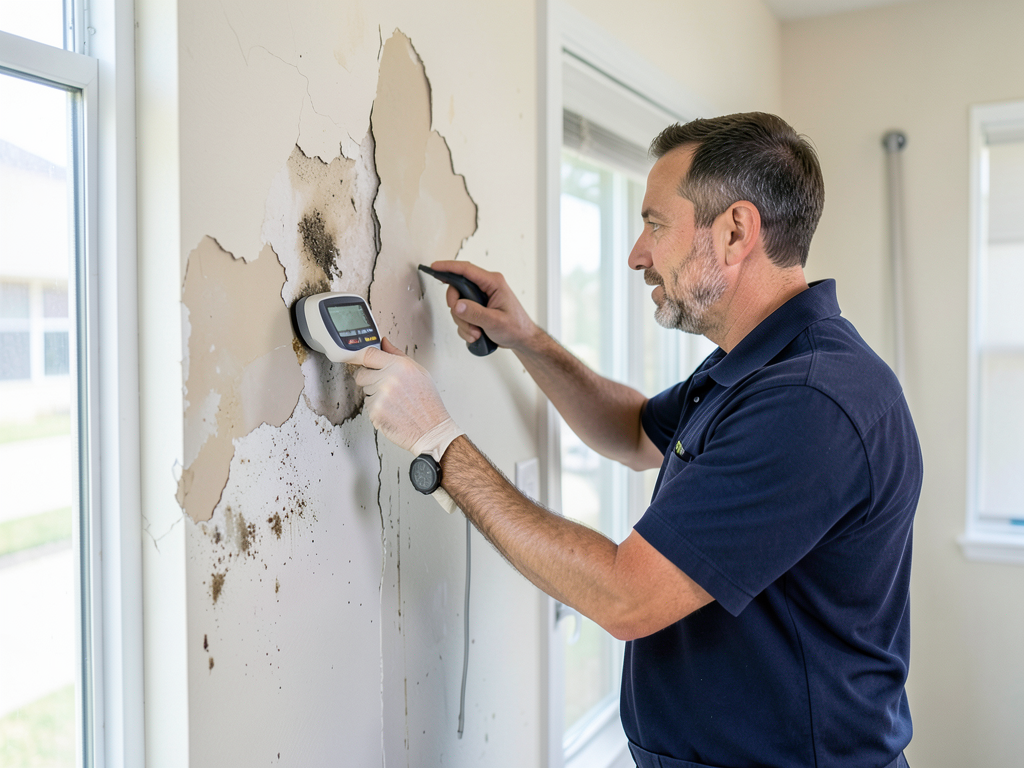
We start with thermal imaging cameras that detect temperature differentials behind walls, ceilings, and floors. Wet building materials appear cooler than dry materials, revealing hidden moisture intrusion points invisible to the naked eye. This technology pinpoints water damage allergy triggers before they create extensive structural damage.

Next, we deploy moisture meters that measure exact humidity levels within porous materials like drywall, insulation, and subflooring. Readings above 16% indicate active moisture that supports mold growth. We map these readings to create a contamination boundary, ensuring we address the full extent of the problem.

Air quality sampling identifies airborne spore concentrations and species types. We collect baseline samples from outdoors, then compare them to indoor readings. Elevated indoor concentrations confirm active mold colonies, even when visual growth isn't apparent. This data also guides our containment and filtration strategies.

Once we've mapped the contamination, we establish negative air pressure containment using HEPA-filtered air scrubbers. This prevents cross-contamination to unaffected areas during remediation. We remove contaminated materials following IICRC S520 standards, the industry protocol for mold remediation.

All porous materials with Class 3 water damage or visible mold growth get removed and disposed of properly. This includes drywall, insulation, carpeting, and subflooring. We don't try to salvage materials that will continue harboring spores.

Non-porous surfaces get cleaned with antimicrobial solutions, then treated with encapsulants that prevent future growth. We address the moisture source simultaneously, whether that means repairing plumbing leaks, improving ventilation, or correcting grading issues around your foundation.

The final step involves verification testing. We collect post-remediation air samples to confirm spore counts have returned to normal baseline levels. This objective data proves the environment is safe before we close containment barriers.

What Happens During Your Mold Allergy Investigation

Allergic Reactions in Home in Dallas – Expert Mold and Water Damage Diagnosis to Stop Your Symptoms
01

Emergency Response Evaluation

We arrive within two hours of your call to assess your symptoms and inspect your home. Our technicians interview you about when reactions occur, which rooms trigger symptoms, and any known water events. We check HVAC returns, bathrooms, kitchens, and other common moisture zones. This initial walkthrough establishes investigation priorities and identifies immediate health risks requiring urgent containment.
02

Comprehensive Moisture Mapping

Using thermal cameras and moisture meters, we scan every suspect area including wall cavities, ceiling planes, and subfloor assemblies. We document moisture readings digitally, creating a visual map of wet zones. This diagnostic phase typically takes 60 to 90 minutes depending on your home's size. We also collect air samples for laboratory analysis, which provides species identification and concentration data within 48 hours.
03

Remediation and Clearance Testing

After receiving lab confirmation, we execute the remediation protocol. This involves containment setup, material removal, antimicrobial treatment, and moisture source repair. The timeline depends on contamination extent, ranging from two days for isolated bathroom mold to seven days for whole-house remediation. We conclude with clearance testing that confirms your indoor air quality meets safe thresholds before releasing the space back to you.

Why Dallas Families Trust Liberty Water Damage Restoration Riverside

Mold remediation isn't a DIY project. Improper handling spreads spores throughout your HVAC system and living spaces, worsening your allergic reactions instead of resolving them.

Liberty Water Damage Restoration Riverside specializes in the specific challenges Dallas homeowners face. We understand how North Texas weather patterns create moisture intrusion risks. We know which home construction methods common in Dallas neighborhoods are most vulnerable to water damage. We're familiar with the clay soil behavior that causes foundation movement and subsequent water entry points.

Our technicians hold IICRC certifications in Water Damage Restoration and Applied Microbial Remediation. These credentials represent hundreds of hours of training in moisture science, structural drying, and contamination control. We're not handymen trying to clean mold with bleach. We're specialists who understand the building science behind indoor air quality problems.

We work directly with your insurance carrier to document losses and support your claim. Most homeowners don't realize their policy covers sudden and accidental water damage that leads to mold growth. We photograph all damage, provide detailed moisture maps, and submit proper documentation that maximizes your coverage. This advocacy saves you thousands in out-of-pocket costs.

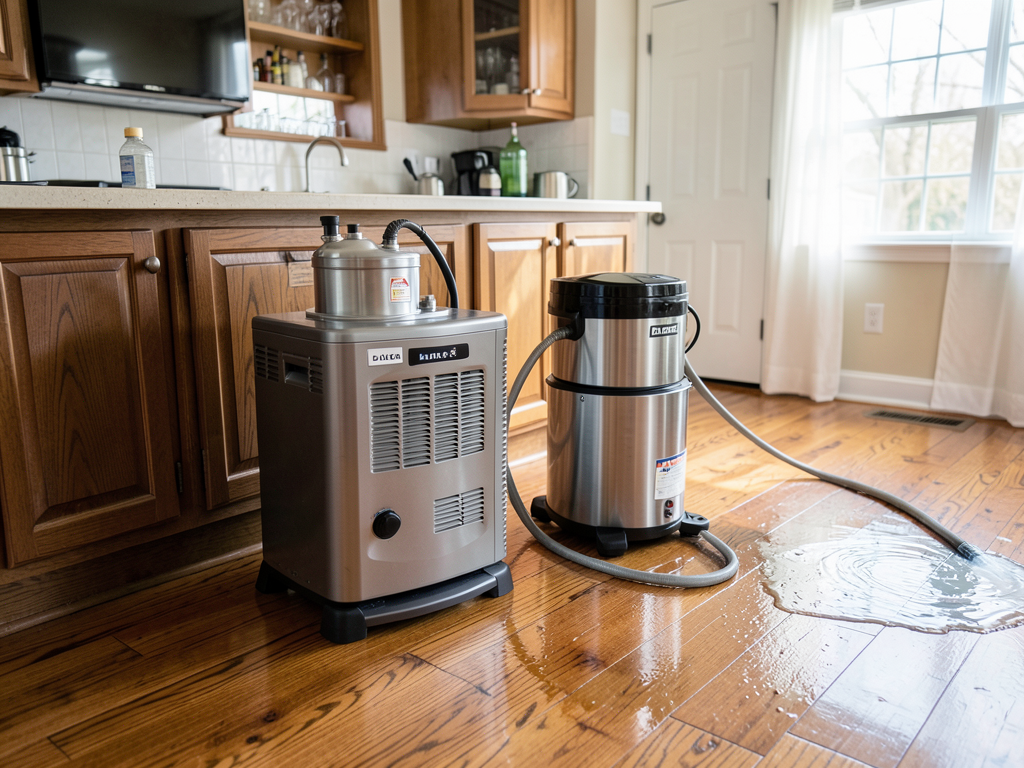
Our equipment inventory includes industrial dehumidifiers, negative air machines with HEPA filtration, thermal imaging cameras, and professional-grade antimicrobials. This isn't rental equipment from a big-box store. These are specialized tools calibrated for precision diagnostics and effective remediation.

We also understand the urgency. When your family is experiencing respiratory distress, you need answers now, not next week. We maintain 24/7 availability because mold exposure symptoms don't wait for business hours. One call to (972) 886-5955 connects you with a live technician who can dispatch a team immediately.

Dallas homes deserve Dallas expertise. We've remediated mold in Lakewood bungalows, Preston Hollow estates, and Oak Cliff renovations. Each project taught us more about how this region's unique conditions create indoor air quality challenges.

What to Expect During Your Mold Remediation Service

Rapid Response Availability

We dispatch a diagnostic team within two hours of your call, any day of the week. Mold exposure symptoms worsen with continued contact, so speed matters. Our initial assessment takes 60 to 90 minutes and includes thermal imaging, moisture readings, and air sampling. You receive a written scope of work before we begin any remediation. Emergency containment can start the same day if contamination poses immediate health risks. We coordinate around your schedule to minimize disruption while prioritizing your family's safety.

Thorough Diagnostic Assessment

Our evaluation goes beyond visible mold. We inspect attics, crawl spaces, wall cavities, and HVAC systems for hidden growth. Thermal cameras reveal temperature anomalies that indicate moisture intrusion behind finished surfaces. Moisture meters provide exact humidity percentages in building materials. Air samples get sent to an independent laboratory for species identification and spore concentration analysis. This scientific approach eliminates guesswork and ensures we address the full contamination extent. You receive detailed documentation including photos, moisture maps, and lab reports.

Complete Contamination Removal

We don't just clean surface mold. We remove all contaminated porous materials including drywall, insulation, carpeting, and ceiling tiles. These materials cannot be adequately cleaned once mold penetrates their structure. Non-porous surfaces like framing lumber and concrete get treated with antimicrobial solutions and encapsulants. We establish negative air pressure containment to prevent spore migration during demolition. HEPA air scrubbers filter particulates continuously throughout the project. The affected area gets rebuilt with new materials once moisture levels return to normal and clearance testing confirms safe air quality.

Post-Remediation Verification Testing

We don't declare victory based on visual inspection alone. After remediation completion, we collect final air samples to verify spore concentrations have returned to baseline levels matching outdoor ambient air. An independent laboratory analyzes these samples, providing objective confirmation that your indoor environment is safe. We also provide a written report documenting all work performed, materials removed, and test results. This documentation protects your home's value and provides proof of professional remediation if you ever sell your property. You receive recommendations for preventing future moisture intrusion.

Frequently Asked Questions

You Have Questions,
We Have Answers

What in my house is giving me allergies? +

Common culprits include dust mites in bedding and carpets, pet dander, mold spores from hidden water damage, and pollen tracked indoors. In Dallas, high humidity during summer months creates ideal conditions for mold growth in bathrooms, attics, and crawl spaces. Check behind appliances, under sinks, and around windows for moisture issues. Your HVAC system can also circulate allergens if filters are dirty or ducts have accumulated debris. Cockroach droppings are another trigger in older homes. If you notice persistent symptoms in specific rooms, that narrows down the source. Water intrusion from roof leaks or plumbing failures often causes mold behind walls.

How do I find out what I'm allergic to in my house? +

Start by documenting when and where your symptoms worsen. Keep a symptom diary for two weeks noting time of day and location. Schedule an allergy test with a board-certified allergist who can perform skin prick tests or blood work. Inspect your home for visible mold, water stains, or musty odors. Check HVAC filters and vents for dust buildup. You can purchase home allergen test kits that detect dust mites, mold spores, and pet dander levels. For suspected mold behind walls or in crawl spaces, hire a certified inspector. Dallas homes often have hidden moisture issues from foundation shifts in clay soil.

How to stop a nasal allergy attack? +

Leave the area triggering your symptoms immediately. Rinse your nasal passages with saline spray or a neti pot to flush allergens. Take an antihistamine you have used before. Run a cool mist humidifier if air is dry. Apply a cold compress to your face to reduce sinus pressure. Avoid blowing your nose forcefully, which can worsen inflammation. If you suspect mold exposure, change your clothes and shower to remove spores. Keep your head elevated if lying down. If breathing becomes difficult or symptoms worsen after 30 minutes, seek medical attention. Prevention matters more than treatment, so identify the trigger source.

Why do I suddenly have allergies in my home? +

New allergies often develop after water damage creates mold growth you cannot see. Recent HVAC system failures can circulate concentrated allergens. Dallas homes experience foundation settling in expansive clay soil, which creates cracks allowing moisture intrusion. A new pet or change in cleaning products can trigger reactions. Your immune system can also become sensitized after repeated exposure to dust mites or cockroach allergens. Seasonal factors matter too. Cedar pollen in winter and oak pollen in spring enter through gaps in windows and doors. Check for recent leaks, roof damage from storms, or changes in indoor humidity levels.

What is causing my allergies to flare up in my house so bad I can't breathe? +

Severe reactions typically indicate mold exposure from hidden water damage or extremely high dust mite populations. In Dallas, summer humidity above 60 percent fuels rapid mold growth in attics, crawl spaces, and wall cavities. Look for water stains on ceilings, peeling paint, or warped flooring. Blocked or dirty HVAC ducts concentrate allergens. If you struggle to breathe, leave your home and seek immediate medical care. Delayed treatment of mold exposure can cause respiratory infections. After stabilizing your health, hire a certified mold inspector to test air quality and locate moisture sources. Do not attempt cleanup yourself if mold covers large areas.

What are the symptoms of being allergic to mold? +

Mold allergy symptoms include persistent coughing, wheezing, nasal congestion, throat irritation, and itchy eyes. You may experience headaches, fatigue, or skin rashes after exposure. Symptoms worsen in damp areas like bathrooms or basements. Some people develop chest tightness or shortness of breath, especially those with asthma. Black mold produces mycotoxins causing more severe reactions including memory problems and chronic sinus infections. Dallas homes with poor ventilation and humidity issues create ideal mold conditions. If symptoms improve when you leave your house and return when you come back, mold is the likely cause. Professional testing confirms the mold species and concentration.

What is the most common indoor allergy? +

Dust mites cause the most common indoor allergies. These microscopic insects thrive in bedding, upholstered furniture, and carpets, feeding on dead skin cells. They reproduce rapidly in humid environments. Dallas humidity levels from May through September create perfect conditions for dust mite populations to explode. You cannot see them, but their droppings and body fragments trigger sneezing, congestion, and asthma attacks. Dust mites concentrate in mattresses, pillows, and box springs. Washing bedding weekly in hot water kills them. Encasing mattresses in allergen-proof covers reduces exposure. Hardwood or tile flooring is better than carpet for allergy sufferers.

Can I test my house for allergies? +

Yes, you can test your home for allergens. Purchase DIY test kits from pharmacies that detect dust mites, mold spores, and pet dander. These kits collect samples you mail to a lab for analysis. For comprehensive testing, hire a certified indoor air quality specialist who uses professional equipment to measure allergen concentrations room by room. Mold testing requires air samples and surface swabs sent to accredited labs. In Dallas, look for inspectors certified by the American Council for Accredited Certification. Professional testing costs more but provides accurate identification and concentration levels. Your allergist can also review test results and recommend treatment based on specific allergens found.

Do air purifiers help allergies? +

Air purifiers with HEPA filters remove up to 99.97 percent of airborne particles including pollen, dust mites, pet dander, and mold spores. They work best in sealed rooms with proper sizing for square footage. Place purifiers in bedrooms where you spend the most time. Change filters according to manufacturer guidelines. Air purifiers do not remove allergens embedded in carpets, furniture, or bedding. They also cannot fix moisture problems causing mold growth. In Dallas homes, combine air purifiers with humidity control below 50 percent and regular HVAC maintenance. Purifiers help but do not replace addressing the root cause of allergen sources in your home.

How to calm an allergy flare up? +

Take an antihistamine immediately if you have not already. Remove yourself from the allergen source. Rinse your nasal passages with saline solution to flush irritants. Apply a cold compress to reduce facial swelling and sinus pressure. Drink plenty of water to thin mucus. Avoid rubbing your eyes, which worsens inflammation. Use preservative-free eye drops for itching. Run a cool mist humidifier if air feels dry. Change your clothes and shower if you suspect pollen or mold spore exposure. Rest in a clean room with minimal dust. If symptoms persist beyond two hours or breathing becomes difficult, contact your doctor or visit urgent care.

How Dallas's Clay Soil and Summer Humidity Create Hidden Mold Risks

Dallas sits on expansive clay soil that swells when wet and shrinks when dry. This constant movement creates foundation cracks and slab stress fractures that allow groundwater seepage into your home. Summer humidity levels routinely exceed 70%, which means any moisture intrusion stays wet long enough for mold colonies to establish. Our combination of afternoon thunderstorms and high heat creates ideal conditions for household mold allergies to develop after even minor water events. Homes in older neighborhoods like Lakewood, Kessler Park, and East Dallas face additional risks from aging plumbing systems and original construction methods that lack modern vapor barriers and moisture controls.

Liberty Water Damage Restoration Riverside has served Dallas homeowners since our founding. We understand the specific building codes and construction practices common throughout North Texas. Our technicians recognize the moisture vulnerabilities in pier and beam foundations common in historic districts, and the different challenges presented by slab-on-grade construction in newer developments. We maintain relationships with local insurance adjusters who trust our documentation and understand our commitment to thorough, honest assessments. When you choose local expertise for mold remediation, you get professionals who understand exactly how Dallas's climate and geography create indoor mold symptoms in your specific neighborhood.
Water Damage Services in The Dallas Area

We are proud to serve the entire Dallas area and surrounding communities. Our strategically located office allows for quick and efficient dispatch of our teams to your location, ensuring a rapid response to your water damage emergency. View our service area on the map to see how we can assist you, and don't hesitate to contact us for immediate help no matter where you are.

Address:
Peak Water Damage Restoration Dallas, 3510 Ross Ave, Dallas, TX, 75204

Additional Services We Offer

Our news updates

Latest Articles & News from The Blogs

Fixing a Leaky Beer Tap or Kegerator Before it Destroys Your Dallas Man Cave A slow drip from your beer…

Fixing a Leaky Beer Tap or Kegerator Before it Destroys Your Dallas Man Cave

Fixing a Leaky Beer Tap or Kegerator Before it Destroys Your Dallas Man Cave A slow drip from your beer…

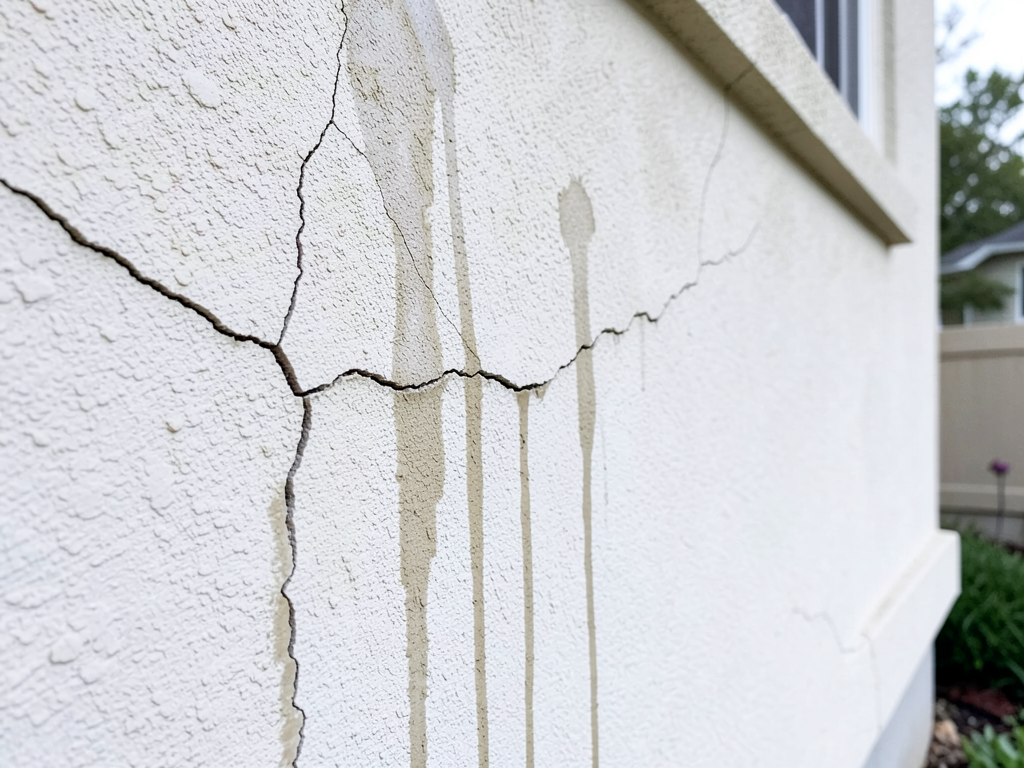
How Hairline Cracks in Your Stucco Exterior are Letting Water Into Your Preston Hollow Home

How Hairline Cracks in Your Stucco Exterior are Letting Water Into Your Preston Hollow Home Stucco cracks wider than a…

How the Dallas Heat Accelerates Mold Growth Within Just Hours of a Pipe Burst

How the Dallas Heat Accelerates Mold Growth Within Just Hours of a Pipe Burst The Dallas heat and humidity create…

Contact Us

Your family deserves clean air. Call Liberty Water Damage Restoration Riverside at (972) 886-5955 right now for a professional mold assessment. We'll identify what's triggering your symptoms and eliminate it permanently.