


Dallas sits in a weather pressure zone where severe thunderstorms drop heavy rain in minutes, overwhelming drainage systems and causing flash flooding. The clay soil beneath most Dallas properties expands when wet and shrinks when dry, creating foundation movement that cracks slab foundations and breaks water lines. Summer storms roll through with little warning, dumping inches of rain while homeowners are at work or asleep.
The Trinity River floodplain affects properties across East Dallas, Oak Cliff, and West Dallas, where even moderate rainfall can cause water intrusion in older homes built before modern flood mitigation standards. North Dallas and Richardson see frequent hail damage that compromises roof integrity, leading to slow leaks that cause hidden mold growth in attics and wall cavities.
Dallas's aging infrastructure means burst pipes are common in older neighborhoods like Lakewood, Highland Park, and University Park, where galvanized plumbing reaches the end of its lifespan. When winter freezes hit, exposed pipes in attics and crawl spaces burst, flooding homes in hours. The combination of extreme heat, sudden storms, expansive soil, and aging infrastructure makes water damage one of the most common property disasters Dallas homeowners face.
We built our Dallas operation around one principle: speed saves property. Our dispatch center runs 24/7 with technicians staged across Dallas County, so we reach most properties in under 90 minutes. When you call at 2 AM because a pipe burst or your water heater failed, we answer immediately and dispatch the closest crew with a fully equipped truck.
Our technicians carry thermal imaging cameras, moisture meters, and industrial extraction equipment on every call. We don't show up to assess and schedule a return visit. We start water removal the moment we arrive because every hour water sits, damage spreads through drywall, subflooring, and framing. We've restored thousands of Dallas properties, from single-family homes in Lakewood to commercial buildings in Uptown, and we know how water moves through different construction types common to North Texas.
We work directly with every major insurance carrier serving Dallas. Our estimators document damage with detailed photos, moisture readings, and thermal imaging that insurance adjusters accept without dispute. We handle the paperwork, communicate with your adjuster, and make sure your claim gets approved quickly. Most restoration companies make you wait days for an estimate. We provide a detailed scope of work within hours so restoration starts immediately.
Our equipment fleet includes truck-mounted extraction units that remove thousands of gallons per hour, commercial dehumidifiers that pull moisture from building materials, and air movers that create airflow patterns preventing mold growth. We own our equipment and maintain it daily, so we never delay your restoration waiting for rental equipment to arrive.

Our trucks are staged across Dallas County with technicians ready to dispatch immediately. We reach most properties in under 90 minutes, arriving with industrial water extraction equipment, thermal imaging cameras, and moisture detection tools. Water removal starts the moment we walk through your door, not hours or days later.

We document every aspect of water damage with detailed photography, moisture mapping, and thermal imaging that insurance adjusters require. Our estimators communicate directly with your insurance carrier, answer adjuster questions, and provide documentation that gets claims approved quickly. We handle the paperwork so you don't fight with your insurance company.
Every technician on our crew holds IICRC certification in water damage restoration and applied structural drying. They understand how water migrates through Dallas construction types, where hidden moisture hides, and how to dry buildings completely to prevent mold growth. Certification means proven competence, not just experience.
We've restored properties in every Dallas neighborhood and know how water affects pier and beam foundations, slab construction, and the stucco exteriors common in North Texas. We understand how Dallas clay soil impacts foundation drainage and where water typically enters older homes. Local knowledge means faster diagnosis and complete restoration.
Water damage takes many forms, from sudden catastrophic flooding to slow leaks that cause hidden destruction over months. Peak Water Damage Restoration Dallas provides complete water damage remediation services covering emergency water removal, structural drying, mold prevention, and full property restoration. Our crews handle everything from burst pipe cleanup to storm flooding recovery, sewage backup remediation, and appliance failure water damage.
We organize our services around urgency and damage severity. Emergency water removal happens first, stopping additional damage and beginning the drying process immediately. Structural drying and dehumidification follow, pulling moisture from building materials to prevent mold growth and secondary damage. Finally, restoration and reconstruction repair damaged materials and return your property to pre-loss condition. Every project follows IICRC standards for water damage restoration and applied structural drying, ensuring complete moisture removal and proper restoration procedures.
When water floods your property, immediate extraction prevents further damage to flooring, drywall, and contents. Our truck-mounted extraction units remove thousands of gallons per hour, pulling standing water from carpets, tile, and concrete. We move furniture to dry areas, extract water from upholstery, and place air movers to start evaporation immediately. Emergency extraction includes moisture mapping to identify wet building materials and thermal imaging to find hidden water behind walls and under flooring.
Water absorbed into drywall, framing, and subflooring requires controlled drying to prevent mold growth and material failure. We position commercial dehumidifiers and air movers in scientific patterns that create optimal drying conditions. Daily moisture readings track drying progress in walls, floors, and ceilings until materials reach acceptable moisture levels. Structural drying typically takes three to five days depending on materials affected and water category. We monitor temperature, humidity, and airflow continuously, adjusting equipment as conditions change.
Once drying completes, restoration begins. We remove damaged drywall, insulation, and flooring that can't be saved. Our reconstruction crews replace subflooring, hang and finish new drywall, install baseboards and trim, and match paint and flooring to existing materials. Full restoration means you get your property back in pre-loss condition, not a dried-out shell with visible damage. We coordinate all trades needed, from plumbers fixing broken pipes to electricians relocating outlets after wall repairs.
Dallas properties face water damage from multiple sources, each requiring different response strategies. Severe storms dump heavy rain that overwhelms gutters and foundation drainage, sending water into crawl spaces and through foundation cracks. Aging plumbing fails without warning, flooding rooms in minutes. Water heaters reach the end of their lifespan and rupture, releasing 40 to 50 gallons into living spaces. HVAC condensate lines clog and overflow, causing ceiling damage and hidden attic moisture.
Understanding the specific challenges Dallas properties face helps property owners recognize warning signs and respond quickly when water damage occurs. Some water damage happens suddenly and obviously, like burst pipes or appliance failures. Other water damage develops slowly, hidden behind walls or under flooring until significant destruction has occurred. Both types require professional water damage restoration to prevent permanent damage and mold growth.
Dallas thunderstorms drop inches of rain in under an hour, overwhelming drainage systems and causing flash flooding in low-lying areas. Water enters through foundation cracks, window wells, and door thresholds, flooding basements and ground floors. Properties near White Rock Creek, Bachman Creek, and the Trinity River face particular risk during heavy rain events. Storm water carries debris and contaminants, requiring specialized cleanup procedures.
Galvanized pipes in older Dallas homes corrode from the inside, reducing water pressure before suddenly bursting. Winter freezes cause exposed pipes in attics and crawl spaces to rupture, flooding homes while owners are away. Supply line failures under sinks and behind toilets release water under pressure, causing extensive damage in minutes. Slab leaks develop when copper pipes corrode against Dallas's alkaline soil and concrete.
Water heaters typically last 8 to 12 years before tanks corrode and fail. A rupturing water heater releases 40 to 50 gallons into surrounding spaces, flooding rooms and soaking drywall and flooring. Washing machine supply lines burst when rubber hoses age and crack. Dishwasher leaks often go unnoticed until water damage appears in adjacent rooms or on floors below.
Roof leaks from storm damage or failed flashing allow water into attics, causing insulation damage and ceiling stains that appear weeks after storms. HVAC condensate line clogs cause overflow into attic spaces, creating hidden moisture that grows mold. Toilet wax ring failures leak small amounts of water that rot subflooring over months. These slow leaks often cause more total damage than sudden flooding because they remain undetected.
When water damages your property, you need immediate help and clear communication about what happens next. Our process starts the moment you call and continues through complete restoration. We answer our phones 24/7, dispatch crews immediately, and keep you informed throughout the entire restoration process.
You speak directly with our dispatch team, not an answering service. We ask specific questions about the water source, how much area is affected, and whether the water is still flowing. This information helps us send the right equipment and crew size for your situation. We provide an accurate arrival time and call when our crew is 15 minutes away. Most Dallas-area properties receive service within 90 minutes of your initial call.
Our technician arrives with a fully equipped truck and begins assessment immediately. We identify the water source, determine water category, and measure the extent of damage using moisture meters and thermal imaging. You receive a clear explanation of what happened, what materials are affected, and what restoration process is needed. We document everything with photos and detailed notes for insurance purposes. Water extraction begins immediately while we're still on site, not after we leave to write an estimate.
We contact your insurance company within hours and provide detailed documentation of damage, moisture readings, and restoration scope. Our estimators speak insurance language and provide exactly what adjusters need for claim approval. We handle communication with your carrier, answer adjuster questions, and advocate for complete restoration coverage. You receive daily updates on drying progress and restoration timeline. We don't disappear after placing equipment and show up days later to check progress.
Once drying completes, reconstruction begins. We remove damaged materials, rebuild affected areas, and match finishes to existing conditions. Our project manager coordinates all restoration work and inspects completed repairs before scheduling your final walkthrough. During the walkthrough, we explain all repairs completed, answer remaining questions, and make sure you're completely satisfied with the restoration. We provide documentation of all work performed and warranty information for repairs completed.
Every water damage restoration project follows a systematic process designed to stop damage immediately, dry your property completely, and restore it to pre-loss condition. We never skip steps or rush drying to start reconstruction too early.
Call our 24/7 emergency line at (972) 886-5955. Our dispatch team asks specific questions about your water damage situation and sends the closest available crew with appropriate equipment. We provide an accurate arrival time and stay in contact until our technicians reach your property. Most Dallas locations receive service within 90 minutes. Our technician calls when they're 15 minutes away so you know exactly when help arrives.
Our crew removes standing water using truck-mounted extraction equipment, then places commercial dehumidifiers and air movers in patterns that create optimal drying conditions. We take moisture readings in all affected materials and create a moisture map showing wet areas. Equipment runs continuously for three to five days depending on materials affected and moisture levels. We visit daily to take new moisture readings and adjust equipment placement as drying progresses.
Once moisture readings confirm complete drying, we remove damaged materials that can't be saved and begin reconstruction. Our crews replace subflooring, drywall, insulation, baseboards, and any other materials damaged by water. We match paint colors, flooring, and finishes to existing conditions. Final restoration includes cleaning, reinstalling contents, and completing a detailed walkthrough to ensure your complete satisfaction with all repairs.
Professional water damage restoration follows strict protocols established by the Institute of Inspection Cleaning and Restoration Certification. These standards classify water damage by contamination level and guide proper restoration procedures. Understanding these classifications helps property owners recognize why different water sources require different cleanup approaches.
Category 1 water comes from sanitary sources like supply lines, faucets, and water heaters. This clean water poses no immediate health risk, but becomes Category 2 if it sits for more than 48 hours or contacts building materials. Category 2 water contains biological or chemical contamination that can cause illness. Sources include washing machine overflows, dishwasher leaks, and toilet bowl water without feces. Category 3 water is grossly contaminated and contains pathogenic agents. Sewage backups, flooding from rivers or streams, and any standing water that sat for days falls into this category.
Each category requires specific handling procedures. Category 1 water extraction uses standard equipment and procedures. Category 2 requires antimicrobial treatment of affected surfaces and disposal of porous materials like carpet padding that contacted contaminated water. Category 3 demands full protective equipment for technicians, complete removal of all porous materials contacted, and thorough antimicrobial treatment of structural elements.
IICRC standards also define four classes of water damage based on evaporation rate and affected materials. Class 1 affects limited areas with low absorption materials. Class 4 involves specialty drying situations like hardwood floors, concrete, and stone that require specific equipment and extended drying times. Dallas properties built on concrete slabs often experience Class 4 damage when water saturates concrete and requires specialized drying equipment.
Category 1 clean water from supply lines requires standard extraction and drying. Category 2 contaminated water from appliance overflows needs antimicrobial treatment and removal of porous materials. Category 3 sewage water demands protective equipment, complete removal of contacted materials, and thorough disinfection. Proper categorization protects your health and ensures complete contamination removal.
Water category affects costs significantly because contaminated water requires more extensive procedures. Materials affected determine restoration scope. Carpet and pad are typically replaced after water damage while hardwood can often be saved with proper drying. Time water sits before extraction impacts costs because delayed response allows more absorption into building materials. Square footage affected and construction type also influence total restoration investment required.
Standard drywall and carpet typically dry in three to four days with proper equipment placement. Concrete and tile floors may require five to seven days because these dense materials release moisture slowly. Hardwood flooring demands careful drying over seven to ten days to prevent cupping, crowning, and splitting. Moisture readings taken daily confirm when materials reach acceptable levels, typically 12 to 15 percent moisture content.
Homeowners insurance typically covers sudden and accidental water damage like burst pipes and appliance failures. Gradual damage from slow leaks is usually excluded. Flood damage from external water sources requires separate flood insurance. We document all damage thoroughly, communicate directly with adjusters, and provide detailed estimates that insurance companies accept. Proper documentation ensures you receive maximum coverage for your claim.
This video explains the professional water damage restoration process for Dallas properties, including emergency water extraction, structural drying, and complete property restoration. Peak Water Damage Restoration Dallas demonstrates how certified technicians respond to water damage emergencies, use industrial equipment to remove water and moisture, and restore properties to pre-loss condition. The video covers water damage from burst pipes, appliance failures, storm flooding, and roof leaks common in Dallas homes and businesses.
Peak Water Damage Restoration Dallas serves the entire Dallas metro area with strategically positioned crews ready to respond to water damage emergencies. We've restored properties in every major Dallas neighborhood and understand the specific challenges different areas face.
East Dallas properties near White Rock Lake and Lakewood frequently experience storm water intrusion due to proximity to White Rock Creek and older drainage systems. The mature trees that make these neighborhoods beautiful also create roof damage during storms, leading to water intrusion into attics and living spaces. We've dried countless pier and beam homes in these areas, where water under homes requires specialized extraction and drying equipment.
North Dallas and Richardson properties built in the 1970s and 1980s face aging plumbing systems that fail without warning. We respond frequently to burst pipe emergencies in Preston Hollow, Far North Dallas, and Richardson where galvanized pipes reach the end of their service life. The clay soil throughout North Dallas causes foundation movement that stresses plumbing connections, creating slow leaks that cause hidden damage over time.
Oak Cliff and West Dallas properties near the Trinity River floodplain face storm water challenges during heavy rain. We work throughout Kessler Park, Bishop Arts District, and Wynnewood responding to flash flood damage and foundation drainage issues. Many historic homes in these neighborhoods have been renovated, but original plumbing and drainage systems remain vulnerable to failure.
Uptown, Downtown, and the Design District present unique challenges with high-rise buildings, condos, and commercial properties where water damage affects multiple floors. We coordinate with building management and handle large-scale water damage in commercial properties throughout the Central Business District. Our industrial extraction equipment and large dehumidifier inventory allow us to handle projects of any size.
Highland Park and University Park feature some of Dallas's most valuable properties where detailed restoration work is critical. We've restored numerous homes in these municipalities where matching existing finishes and maintaining property value requires skilled craftsmanship. The older homes in these communities often have custom millwork, hardwood floors, and architectural details that demand careful drying to prevent permanent damage.
Regardless of where your Dallas property is located, our crews reach you quickly with the equipment and expertise needed for complete water damage restoration. We know Dallas construction types, understand local soil and drainage challenges, and have relationships with inspectors and building officials throughout Dallas County.
Water damage repair costs in Dallas range from a few hundred dollars for minor leaks to $10,000 or more for severe flooding. Cost depends on water category (clean, gray, or black water), affected square footage, structural damage, and how long water sat before mitigation. Dallas homes built on expansive clay soil face added foundation repair risks. Drywall replacement, flooring removal, and mold remediation drive costs up. The faster you act, the lower your bill. Most homeowners insurance policies cover sudden water damage, but gradual leaks are typically excluded.
Yes. Professional water damage restoration prevents catastrophic secondary damage that costs far more to fix later. Water spreads fast through drywall, insulation, and subflooring. Within 24 to 48 hours, mold colonizes. Dallas humidity accelerates this process. Structural wood weakens, electrical systems corrode, and drywall crumbles. DIY extraction misses hidden moisture pockets. Certified technicians use moisture meters, thermal imaging, and industrial dehumidifiers to dry structures completely. Restoration protects your property value, keeps your family safe, and satisfies insurance requirements. Skipping professional help often voids coverage and leads to bigger problems.
Water restoration companies in Dallas typically charge between $3 to $7 per square foot for extraction and drying services. Emergency callouts, structural drying, mold remediation, and reconstruction add to the base price. Most companies bill by project scope, not hourly rates. Costs depend on water source, contamination level, affected materials, and response time. Category 3 (sewage) water costs more to handle than clean water. Expect charges for equipment use, labor, antimicrobial treatments, and disposal fees. Many companies work directly with insurance adjusters to streamline claims and reduce your out-of-pocket expense.
Water damage repair costs in Dallas range from a few hundred dollars for minor leaks to $10,000 or more for severe flooding. Cost depends on water category (clean, gray, or black water), affected square footage, structural damage, and how long water sat before mitigation. Dallas homes built on expansive clay soil face added foundation repair risks. Drywall replacement, flooring removal, and mold remediation drive costs up. The faster you act, the lower your bill. Most homeowners insurance policies cover sudden water damage, but gradual leaks are typically excluded.
Yes. Professional water damage restoration prevents catastrophic secondary damage that costs far more to fix later. Water spreads fast through drywall, insulation, and subflooring. Within 24 to 48 hours, mold colonizes. Dallas humidity accelerates this process. Structural wood weakens, electrical systems corrode, and drywall crumbles. DIY extraction misses hidden moisture pockets. Certified technicians use moisture meters, thermal imaging, and industrial dehumidifiers to dry structures completely. Restoration protects your property value, keeps your family safe, and satisfies insurance requirements. Skipping professional help often voids coverage and leads to bigger problems.
Water restoration companies in Dallas typically charge between $3 to $7 per square foot for extraction and drying services. Emergency callouts, structural drying, mold remediation, and reconstruction add to the base price. Most companies bill by project scope, not hourly rates. Costs depend on water source, contamination level, affected materials, and response time. Category 3 (sewage) water costs more to handle than clean water. Expect charges for equipment use, labor, antimicrobial treatments, and disposal fees. Many companies work directly with insurance adjusters to streamline claims and reduce your out-of-pocket expense.
Water damage restoration includes emergency water extraction, structural drying, dehumidification, moisture monitoring, antimicrobial treatment, content pack-out, debris removal, and reconstruction. Technicians inspect affected areas, categorize water type, and document damage for insurance. Industrial air movers and dehumidifiers run for three to five days to eliminate trapped moisture. Teams remove unsalvageable materials like soaked drywall, insulation, and carpeting. Mold prevention treatments protect vulnerable surfaces. Full restoration rebuilds damaged areas to pre-loss condition. Reputable Dallas companies coordinate with your insurance adjuster, handle claims documentation, and provide detailed moisture readings throughout the drying process.
Most homeowner policies cover sudden and accidental water damage, like burst pipes, appliance malfunctions, or storm-related flooding through your roof. Insurance typically pays for extraction, drying, demolition, and rebuilding. Gradual damage from slow leaks, lack of maintenance, or ground flooding without separate flood insurance gets denied. Dallas homeowners need separate flood policies through FEMA for rising water damage. Document everything immediately. Take photos, save receipts, and call a restoration company that works directly with adjusters. Fast action improves claim approval. Review your policy exclusions before damage happens to avoid surprises.
Water damage costs add up because mitigation requires speed, specialized equipment, and layered repairs. Immediate extraction prevents worse damage, but industrial pumps, air movers, and dehumidifiers run around the clock. Labor costs include certified technicians working nights and weekends. Hidden moisture requires thermal imaging and invasive inspection. Contaminated water demands antimicrobial treatments and disposal fees. Structural drying takes days. Mold remediation, if needed, multiplies costs. Dallas clay soil shifts during wet periods, causing foundation stress that compounds water issues. Reconstruction materials, permits, and skilled trades all drive up the final invoice.
Most water damage restoration timelines run three to five days for drying, but total project length depends on damage severity. Emergency extraction happens within hours. Structural drying equipment runs continuously for 72 hours minimum. Severe flooding, Category 3 water, or mold contamination extends timelines to two weeks or more. Reconstruction adds days or weeks depending on scope. Every company operates differently based on crew size, equipment availability, and project complexity. Dallas humidity slows drying times compared to arid climates. Ask your chosen provider for a project-specific timeline after their initial inspection and moisture assessment.
The average water damage insurance claim in the U.S. falls between $7,000 and $11,000. Dallas claims vary widely based on damage scope. A small bathroom leak might settle for $2,500, while whole-home flooding reaches $30,000 or more. Claim size depends on water category, square footage, materials affected, mold growth, and how quickly mitigation started. Foundation issues tied to water damage increase payouts. Insurance adjusters base settlements on documented loss, so thorough photo evidence and professional assessments strengthen your claim. Work with restoration companies experienced in insurance negotiations to maximize coverage.
Call a water restoration company immediately when you discover standing water, soaked flooring, wet drywall, ceiling stains, or musty odors. Do not wait. Water spreads through porous materials in minutes. Dallas humidity accelerates mold growth, which begins within 24 to 48 hours. Call after burst pipes, appliance leaks, roof leaks, sewage backups, or storm flooding. Even small leaks cause hidden damage inside walls and subfloors. Fast response reduces repair costs and prevents mold. Most companies offer 24/7 emergency service. Turn off water sources if safe, document damage with photos, and call professionals before attempting cleanup.
Water damage inside walls is covered by insurance only if caused by a sudden, accidental event like a burst pipe or storm damage. Policies exclude gradual leaks from poor maintenance, condensation buildup, or long-term plumbing failures. Insurance adjusters look for evidence of when damage started. Hidden wall damage complicates claims because it is harder to prove timing. Dallas homes with older plumbing face higher denial rates for slow leaks. Document everything immediately. Restoration companies use moisture meters and thermal imaging to prove sudden water intrusion, strengthening your claim. Review your policy exclusions carefully.
Water damage restoration includes emergency water extraction, structural drying, dehumidification, moisture monitoring, antimicrobial treatment, content pack-out, debris removal, and reconstruction. Technicians inspect affected areas, categorize water type, and document damage for insurance. Industrial air movers and dehumidifiers run for three to five days to eliminate trapped moisture. Teams remove unsalvageable materials like soaked drywall, insulation, and carpeting. Mold prevention treatments protect vulnerable surfaces. Full restoration rebuilds damaged areas to pre-loss condition. Reputable Dallas companies coordinate with your insurance adjuster, handle claims documentation, and provide detailed moisture readings throughout the drying process.
Most homeowner policies cover sudden and accidental water damage, like burst pipes, appliance malfunctions, or storm-related flooding through your roof. Insurance typically pays for extraction, drying, demolition, and rebuilding. Gradual damage from slow leaks, lack of maintenance, or ground flooding without separate flood insurance gets denied. Dallas homeowners need separate flood policies through FEMA for rising water damage. Document everything immediately. Take photos, save receipts, and call a restoration company that works directly with adjusters. Fast action improves claim approval. Review your policy exclusions before damage happens to avoid surprises.
Water damage costs add up because mitigation requires speed, specialized equipment, and layered repairs. Immediate extraction prevents worse damage, but industrial pumps, air movers, and dehumidifiers run around the clock. Labor costs include certified technicians working nights and weekends. Hidden moisture requires thermal imaging and invasive inspection. Contaminated water demands antimicrobial treatments and disposal fees. Structural drying takes days. Mold remediation, if needed, multiplies costs. Dallas clay soil shifts during wet periods, causing foundation stress that compounds water issues. Reconstruction materials, permits, and skilled trades all drive up the final invoice.
Most water damage restoration timelines run three to five days for drying, but total project length depends on damage severity. Emergency extraction happens within hours. Structural drying equipment runs continuously for 72 hours minimum. Severe flooding, Category 3 water, or mold contamination extends timelines to two weeks or more. Reconstruction adds days or weeks depending on scope. Every company operates differently based on crew size, equipment availability, and project complexity. Dallas humidity slows drying times compared to arid climates. Ask your chosen provider for a project-specific timeline after their initial inspection and moisture assessment.
The average water damage insurance claim in the U.S. falls between $7,000 and $11,000. Dallas claims vary widely based on damage scope. A small bathroom leak might settle for $2,500, while whole-home flooding reaches $30,000 or more. Claim size depends on water category, square footage, materials affected, mold growth, and how quickly mitigation started. Foundation issues tied to water damage increase payouts. Insurance adjusters base settlements on documented loss, so thorough photo evidence and professional assessments strengthen your claim. Work with restoration companies experienced in insurance negotiations to maximize coverage.
Call a water restoration company immediately when you discover standing water, soaked flooring, wet drywall, ceiling stains, or musty odors. Do not wait. Water spreads through porous materials in minutes. Dallas humidity accelerates mold growth, which begins within 24 to 48 hours. Call after burst pipes, appliance leaks, roof leaks, sewage backups, or storm flooding. Even small leaks cause hidden damage inside walls and subfloors. Fast response reduces repair costs and prevents mold. Most companies offer 24/7 emergency service. Turn off water sources if safe, document damage with photos, and call professionals before attempting cleanup.
Water damage inside walls is covered by insurance only if caused by a sudden, accidental event like a burst pipe or storm damage. Policies exclude gradual leaks from poor maintenance, condensation buildup, or long-term plumbing failures. Insurance adjusters look for evidence of when damage started. Hidden wall damage complicates claims because it is harder to prove timing. Dallas homes with older plumbing face higher denial rates for slow leaks. Document everything immediately. Restoration companies use moisture meters and thermal imaging to prove sudden water intrusion, strengthening your claim. Review your policy exclusions carefully.
We are proud to serve the entire Dallas area and surrounding communities. Our strategically located office allows for quick and efficient dispatch of our teams to your location, ensuring a rapid response to your water damage emergency. View our service area on the map to see how we can assist you, and don't hesitate to contact us for immediate help no matter where you are.
Address:
Dallas, TX, 75215
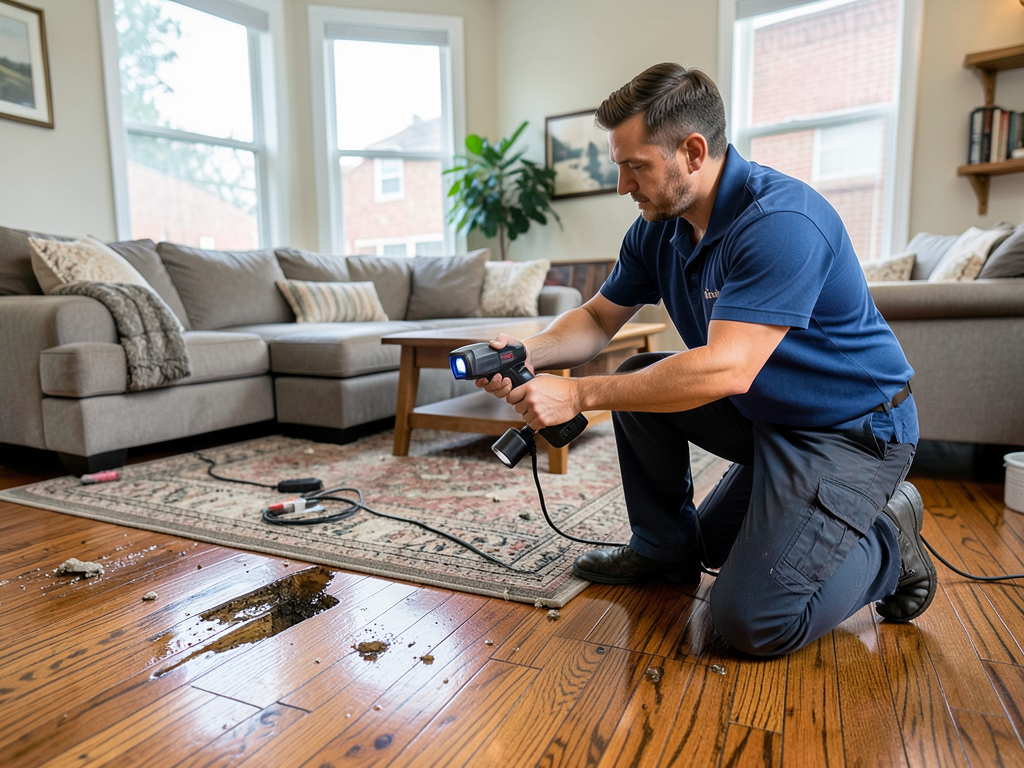
What to Do When Your Aquarium Seals Fail and Flood Your Living Room Floor When aquarium seals fail, Dallas homeowners face a unique water damage emergency. A standard 100-gallon glass tank holds over 800 pounds…
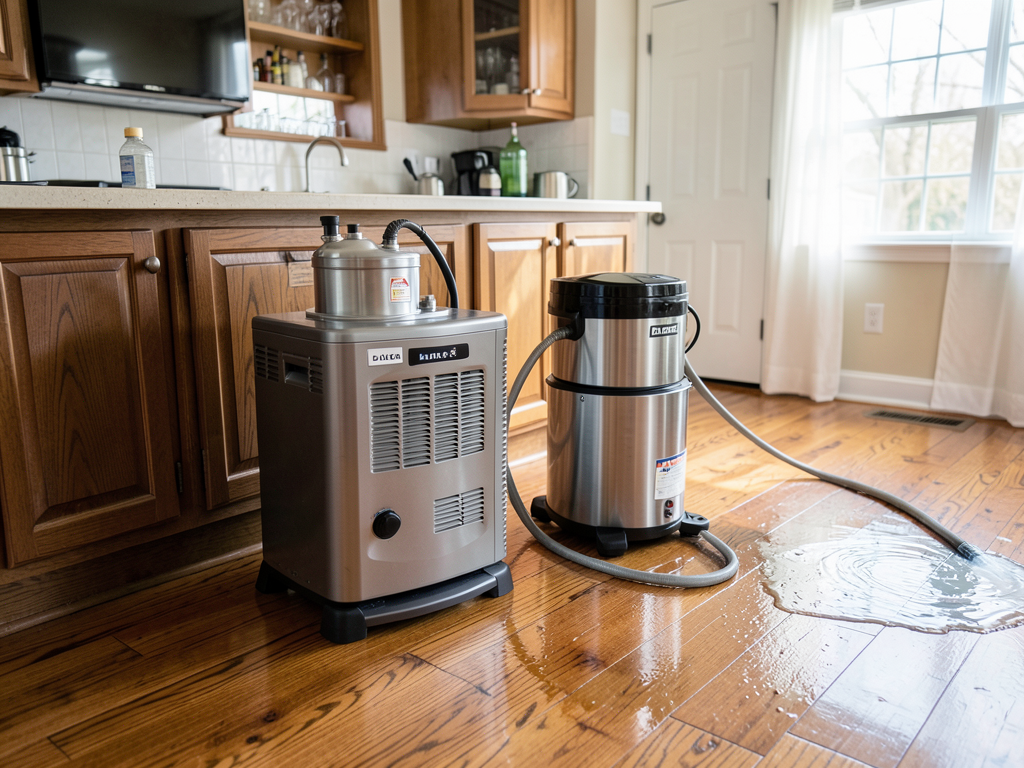
Fixing a Leaky Beer Tap or Kegerator Before it Destroys Your Dallas Man Cave A…
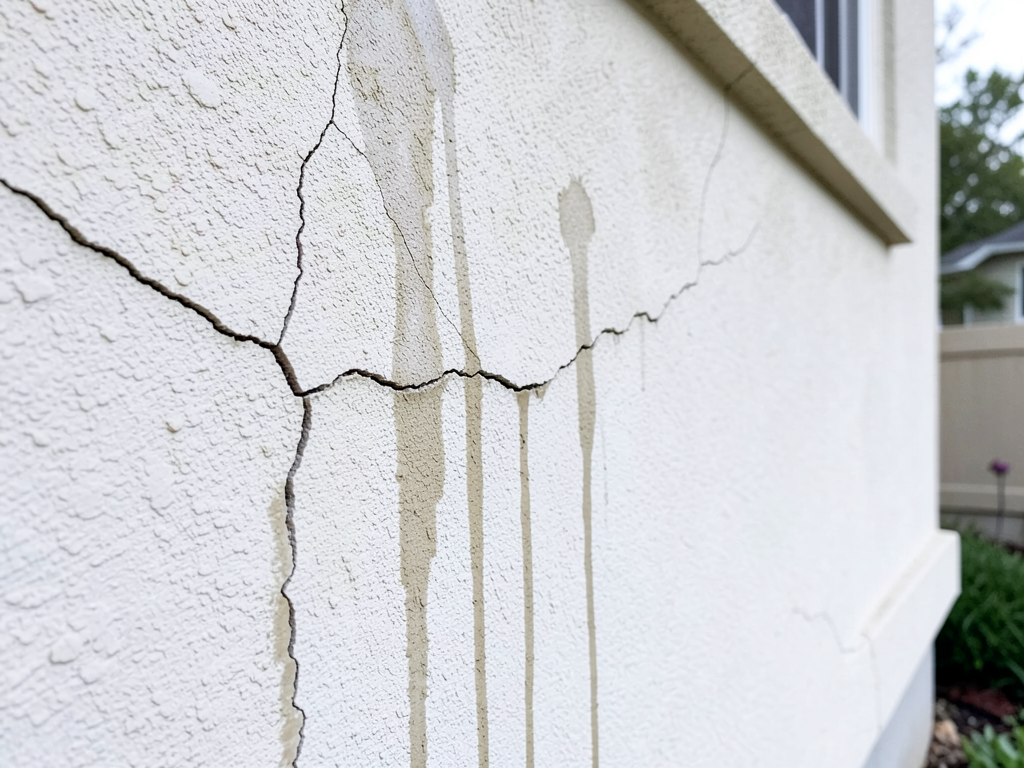
How Hairline Cracks in Your Stucco Exterior are Letting Water Into Your Preston Hollow Home…
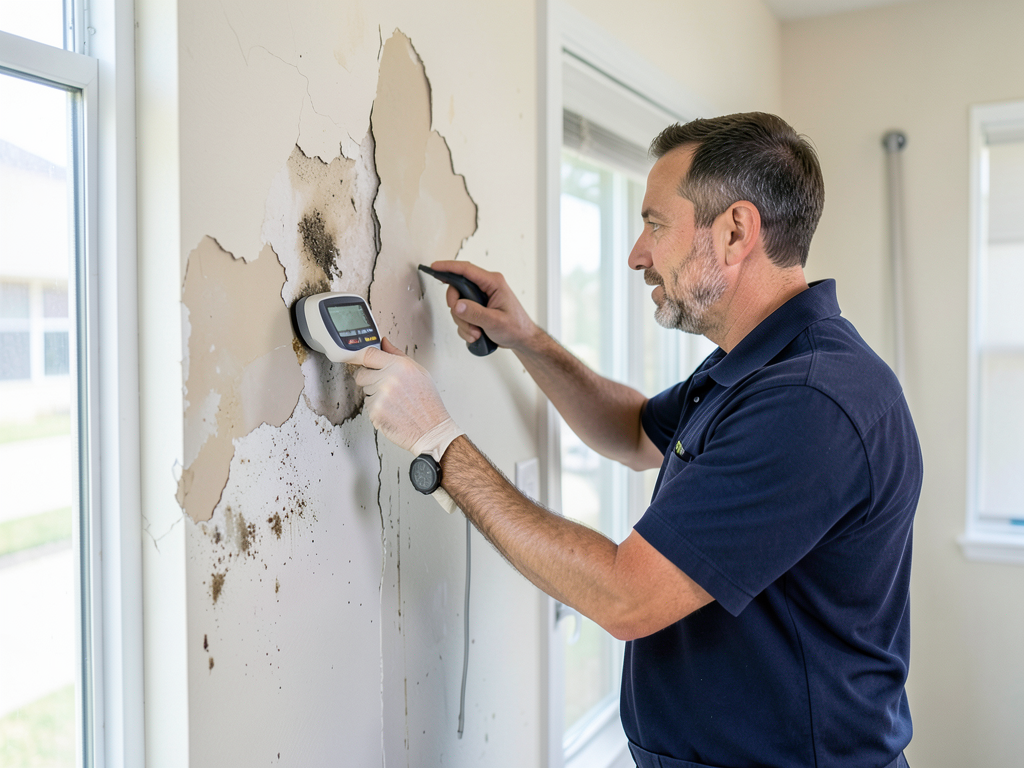
How the Dallas Heat Accelerates Mold Growth Within Just Hours of a Pipe Burst The…
Stop water damage from spreading through your Dallas property. Our crews are ready to respond now with industrial extraction equipment and complete restoration services. Call (972) 886-5955 for immediate dispatch. We answer 24/7 and reach most Dallas properties in under 90 minutes.