Menu

Understanding Mold Toxicity in Dallas – Recognize the Warning Signs Before Health Symptoms Escalate

Learn How to Identify Mold Illness Symptoms, Black Mold Health Risks, and Signs of Mold Poisoning in Your Dallas Property Before Mycotoxin Exposure Turns Into a Medical Emergency

Slider Image 1
Slider Image 2
Slider Image 3
Slider Image 4
Slider Image 5
Slider Image 7
Slider Image 8
Slider Image 9
Slider Image 10
Slider Image 11

Why Dallas Homes Face Higher Mold Toxicity Risks Than You Think

Dallas sits in a humidity trap. Summer heat combines with Gulf moisture to create the exact conditions mold thrives in. Your air conditioner runs constantly, creating condensation in ductwork and on surfaces. Then winter brings freeze-thaw cycles that crack foundations and let water seep into walls. The result? Hidden moisture pockets where toxic mold species grow unchecked.

Many Dallas residents dismiss early mold illness symptoms as allergies or summer colds. You might notice persistent coughing, brain fog, or unexplained fatigue. These are signs of mold poisoning your body is trying to communicate. Black mold health risks go beyond surface irritation. Mycotoxins, the toxic compounds some mold species produce, can trigger inflammatory responses throughout your body.

The clay soil under Dallas properties compounds the problem. As it expands and contracts with moisture, it shifts your foundation. Small cracks become entry points for water after heavy rains, common during spring thunderstorm season. Water intrusion often happens in spaces you never see, like between walls or under flooring. By the time you notice a musty smell or visible growth, spores have been circulating through your HVAC system for weeks.

Effects of mold exposure accumulate over time. What starts as minor respiratory irritation can progress to chronic sinus infections, asthma development, or neurological symptoms. Children, elderly residents, and anyone with compromised immune systems face the highest risk. Understanding mold toxicity means recognizing that the problem is not just cosmetic. It is a health threat hiding in your walls.

Why Dallas Homes Face Higher Mold Toxicity Risks Than You Think
How Professional Mold Assessment Identifies Hidden Toxic Growth

How Professional Mold Assessment Identifies Hidden Toxic Growth

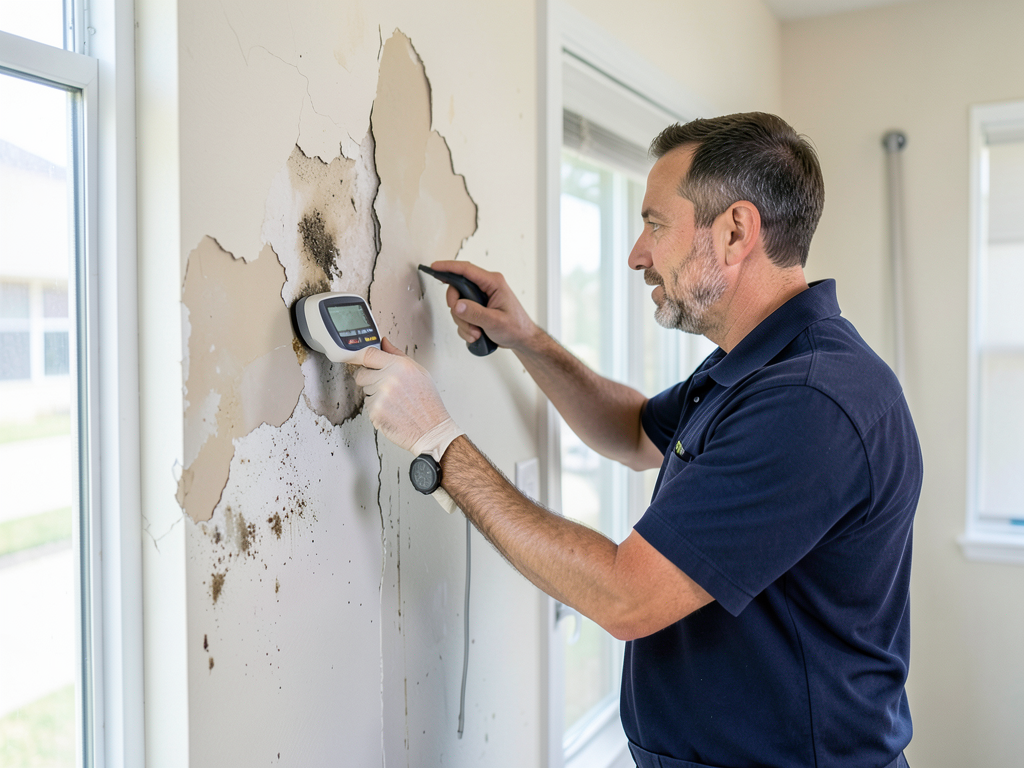
Surface cleaning cannot eliminate mold toxicity. You need to find the moisture source and identify every contaminated area, including spaces you cannot access without proper equipment. Liberty Water Damage Restoration Riverside uses thermal imaging cameras to detect temperature variations behind walls and ceilings. Cold spots indicate moisture accumulation, the breeding ground for toxic mold colonies.

We conduct air sampling to measure spore concentration in your indoor environment. This tells us if mycotoxins are circulating through your HVAC system even when you see no visible growth. We also take surface samples from suspected areas to identify mold species. Not all mold produces mycotoxins, but species like Stachybotrys chartarum and certain Aspergillus strains pose serious health risks. Lab analysis confirms what you are dealing with.

Moisture mapping comes next. We use hygrometers to measure relative humidity in every room and moisture meters to check inside wall cavities, under flooring, and in ceiling spaces. Dallas homes with pier and beam foundations often have moisture problems in crawl spaces. Slab foundations crack from soil movement. Both scenarios create ideal conditions for mold growth.

Once we locate every moisture source and contaminated material, we develop a remediation protocol. This is not a one-size-fits-all process. A small bathroom leak requires different containment than attic mold from a roof leak. We establish negative air pressure containment to prevent spore spread during removal. HEPA filtration captures airborne particles. Contaminated materials get bagged and removed according to EPA guidelines. Then we treat affected surfaces with antimicrobial solutions and verify clearance through post-remediation testing.

What Happens During a Complete Mold Toxicity Assessment

Understanding Mold Toxicity in Dallas – Recognize the Warning Signs Before Health Symptoms Escalate
01

Initial Health and Property Evaluation

We start by documenting your symptoms and timeline. When did you first notice health changes? Where do you spend the most time in your home? We correlate your mold illness symptoms with property conditions. Then we conduct a visual inspection of likely problem areas including bathrooms, kitchens, attics, and any rooms with exterior walls. We check for water stains, discoloration, and visible growth while noting humidity levels and ventilation issues.
02

Advanced Testing and Analysis

Thermal imaging reveals hidden moisture behind surfaces. We collect air samples from multiple rooms and outdoor control samples for comparison. Surface samples go to certified mycology labs for species identification. Moisture readings map every wet area in your property. This data creates a complete picture of contamination extent and helps us identify the water source feeding mold growth. You receive lab reports with specific spore counts and species identified.
03

Customized Action Plan Delivery

You get a detailed report explaining what we found, where mycotoxin exposure risks exist, and which materials need removal or treatment. We outline the moisture source, whether it is a plumbing leak, condensation problem, or foundation issue. The protocol includes containment methods, removal procedures, and prevention strategies. You understand exactly what remediation involves before any work begins. We also provide recommendations for addressing underlying moisture problems to prevent recurrence.

Why Local Dallas Expertise Matters for Mold Toxicity Cases

Mold problems in Dallas differ from other regions because of our specific climate patterns and construction methods. Homes built in the 1970s and 1980s often have inadequate attic ventilation, trapping summer heat and moisture. Newer construction uses synthetic stucco systems that can trap water if not properly flashed. We understand these local building characteristics because we work in Dallas neighborhoods every day.

Liberty Water Damage Restoration Riverside knows which Dallas ZIP codes experience the highest foundation movement due to expansive clay soil. We know that properties near White Rock Lake or the Trinity River corridor face higher humidity challenges. This geographic knowledge informs our assessment approach. We look for the specific problems common to your neighborhood and home era.

Texas does not require mold remediation licensing, which means anyone can claim to remove mold. We follow IICRC S520 standards, the industry benchmark for professional remediation. Our technicians hold water damage restoration certifications and complete ongoing training in mycotoxin identification and safe removal protocols. When we test for mold species, samples go to AIHA-accredited laboratories. You get accurate results, not guesswork.

We also coordinate with Dallas healthcare providers who treat mold illness symptoms. If your doctor suspects mycotoxin exposure, we provide the environmental testing and documentation they need for diagnosis. This collaboration ensures you get both medical treatment and property remediation. Many residents do not realize their chronic health issues stem from home mold until testing connects the dots. We bridge that gap between environmental contamination and health effects.

Local relationships matter too. We work directly with Dallas insurance adjusters and understand how Texas homeowner policies handle mold claims. We document everything according to insurance requirements and help you navigate the claims process when policies provide coverage.

What to Expect During Mold Toxicity Assessment and Remediation

Response Time and Scheduling

We conduct initial assessments within 24 to 48 hours of your call. Mold toxicity creates health urgency, especially if family members show signs of mold poisoning. Our assessment takes two to four hours depending on property size. We schedule around your availability and minimize disruption. Lab results typically return within three to five business days. Once we receive species identification and spore counts, we can schedule remediation. Emergency situations, like active water intrusion with visible black mold growth, get priority response. We contain the area immediately and begin moisture extraction to stop further contamination while waiting for lab confirmation.

Comprehensive Testing Protocol

Our assessment includes multiple testing methods because single-point sampling misses problems. We collect air samples from the most-used rooms and any areas where you notice symptoms worsening. Outdoor control samples establish baseline spore levels for comparison. Surface sampling targets visible growth and suspect areas identified through thermal imaging. Moisture testing maps humidity levels and hidden water intrusion. You receive a written report explaining every finding in plain language. We identify mold species, explain their mycotoxin potential, and show you exactly where contamination exists. The report includes photos, lab results, and moisture readings so you see the full scope of the problem.

Remediation Results and Verification

Successful remediation means removing contaminated materials, treating affected surfaces, and verifying air quality returns to safe levels. We remove drywall, insulation, and any porous materials with heavy contamination. Hard surfaces get HEPA vacuumed and treated with antimicrobial solutions. After remediation, we conduct clearance testing. Air samples must show spore counts at or below outdoor baseline levels. You get lab documentation proving your indoor environment is safe. We also address the moisture source, whether that means fixing plumbing leaks, improving ventilation, or recommending foundation repairs. Without moisture control, mold returns. Your final report includes prevention recommendations specific to your property.

Prevention and Ongoing Monitoring

After remediation, we provide guidance on preventing recurrence. This includes maintaining indoor humidity below 50 percent, fixing leaks immediately, and improving ventilation in problem areas. Dallas homeowners should inspect attics and crawl spaces twice yearly, especially after heavy rain or temperature extremes. We offer follow-up moisture testing if you notice musty odors or symptoms returning. Many clients schedule annual air quality testing to catch problems early. For properties with chronic moisture issues due to foundation problems or poor drainage, we recommend monitoring even after successful remediation. Prevention costs far less than repeated remediation and protects your family from repeated mycotoxin exposure.

Frequently Asked Questions

You Have Questions,
We Have Answers

What are the 10 warning signs of mold toxicity? +

Common warning signs of mold toxicity include persistent headaches, chronic fatigue, difficulty concentrating, and memory problems. You may experience respiratory issues like coughing, wheezing, or shortness of breath. Skin irritation, unexplained rashes, and itchy eyes are frequent symptoms. Many Dallas residents report sinus congestion that worsens during humid months. Joint pain, muscle aches, and increased sensitivity to light can occur. Mood changes, including anxiety and depression, may develop. Digestive problems and frequent nosebleeds round out the top warning signs. If you notice multiple symptoms persisting after water damage or in older Dallas homes, professional mold testing is essential.

How do you know if you got mold toxicity? +

You know you have mold toxicity when symptoms persist despite leaving the contaminated environment and medical treatment fails to resolve your issues. Start by documenting when symptoms worsen. Do they improve when you leave your Dallas home or office? Blood tests can detect mycotoxins, while urine tests measure mold metabolites. A qualified physician can order specific antibody tests. Inspect your property for visible mold, musty odors, or past water damage. Dallas homes with foundation issues or roof leaks are high-risk. Professional mold inspection with air quality testing confirms exposure levels. Correlation between your symptoms and confirmed mold presence indicates toxicity.

Can mold cause heartburn? +

Mold exposure can trigger heartburn and acid reflux symptoms. Mold toxins irritate your digestive system, causing inflammation in the esophagus and stomach lining. This inflammation mimics gastroesophageal reflux disease. Some mold species produce mycotoxins that disrupt gut bacteria balance, weakening your lower esophageal sphincter. Dallas residents with chronic heartburn should investigate their homes for hidden mold, especially after water damage or plumbing leaks. If standard heartburn medications fail and you notice musty odors or visible growth, mold may be the root cause. Professional remediation often resolves these digestive symptoms when mold is the culprit.

Can mold cause croup? +

Mold can cause or worsen croup symptoms in children. Mold spores irritate airways, triggering inflammation and the characteristic barking cough of croup. Young children are especially vulnerable because their respiratory systems are still developing. Dallas homes with high humidity or water damage create ideal conditions for mold growth. If your child experiences recurring croup episodes, inspect areas like bathrooms, attics, and crawl spaces for mold. Black mold and Aspergillus species are particularly problematic. Professional mold remediation often reduces respiratory symptoms in affected children. Consult your pediatrician if croup symptoms persist, and address any moisture issues in your home immediately.

How Dallas Climate and Construction Create Perfect Conditions for Mycotoxin Growth

Dallas humidity stays above 60 percent for much of the summer, exactly the threshold where mold proliferates. When outdoor temperatures hit 95 degrees and humidity soars after afternoon thunderstorms, your air conditioner works overtime. Cold supply ducts running through hot attics create condensation. That moisture drips onto insulation and ceiling drywall. In older Dallas homes with insufficient attic ventilation, heat and humidity get trapped. Mold grows on roof decking and insulation without anyone knowing. The same clay soil that shifts foundations also holds water after heavy rain, saturating pier and beam crawl spaces. These Dallas-specific conditions make mycotoxin illness more common here than in drier climates.

Liberty Water Damage Restoration Riverside works throughout the Dallas metro area, from East Dallas bungalows to North Dallas brick homes and West Dallas apartment complexes. We understand how construction methods changed across decades and which neighborhoods face the highest risk. Our technicians recognize the warning signs specific to Dallas properties. We maintain relationships with local restoration suppliers and certified mycology labs, ensuring fast turnaround on testing. When you choose a Dallas-based restoration company, you get professionals who understand local building codes, insurance practices, and the environmental factors that make mold toxicity a persistent threat in North Texas. We live and work here. Your home environment is our expertise.
Water Damage Services in The Dallas Area

We are proud to serve the entire Dallas area and surrounding communities. Our strategically located office allows for quick and efficient dispatch of our teams to your location, ensuring a rapid response to your water damage emergency. View our service area on the map to see how we can assist you, and don't hesitate to contact us for immediate help no matter where you are.

Address:
Peak Water Damage Restoration Dallas, 3510 Ross Ave, Dallas, TX, 75204

Additional Services We Offer

Our news updates

Latest Articles & News from The Blogs

Fixing a Leaky Beer Tap or Kegerator Before it Destroys Your Dallas Man Cave A slow drip from your beer…

Fixing a Leaky Beer Tap or Kegerator Before it Destroys Your Dallas Man Cave

Fixing a Leaky Beer Tap or Kegerator Before it Destroys Your Dallas Man Cave A slow drip from your beer…

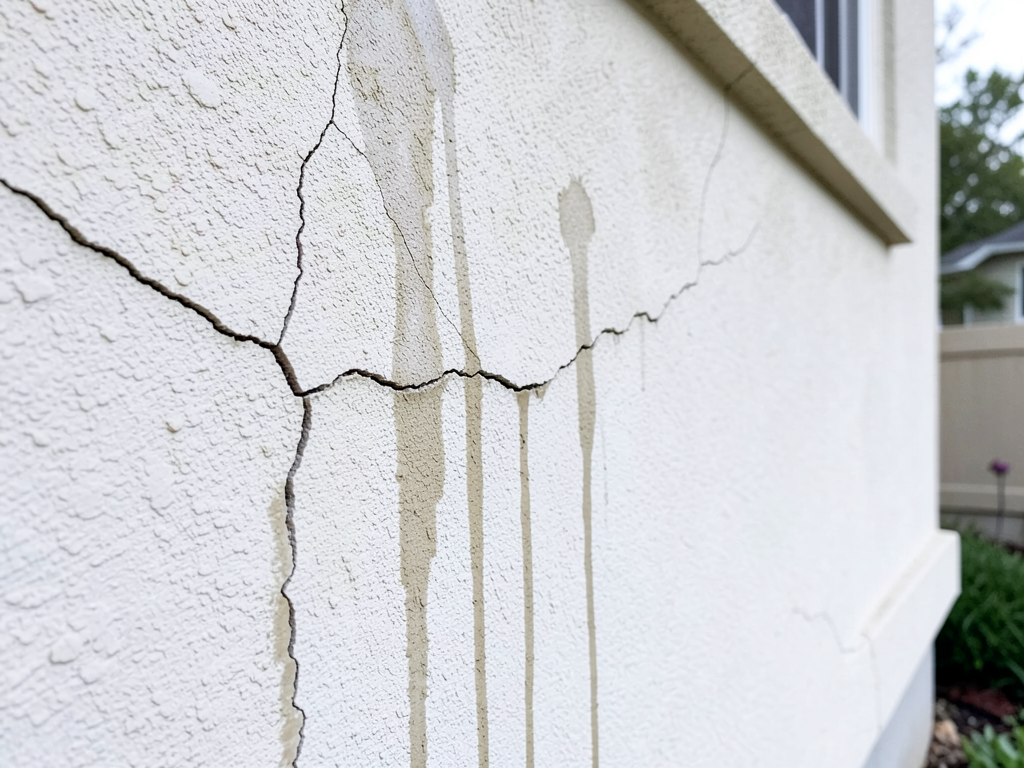
How Hairline Cracks in Your Stucco Exterior are Letting Water Into Your Preston Hollow Home

How Hairline Cracks in Your Stucco Exterior are Letting Water Into Your Preston Hollow Home Stucco cracks wider than a…

How the Dallas Heat Accelerates Mold Growth Within Just Hours of a Pipe Burst

How the Dallas Heat Accelerates Mold Growth Within Just Hours of a Pipe Burst The Dallas heat and humidity create…

Contact Us

If you suspect mold is affecting your health, waiting allows mycotoxin exposure to continue. Call Liberty Water Damage Restoration Riverside at (972) 886-5955 today. We provide comprehensive testing, identify contamination sources, and create a remediation plan that protects your family. Schedule your assessment now.