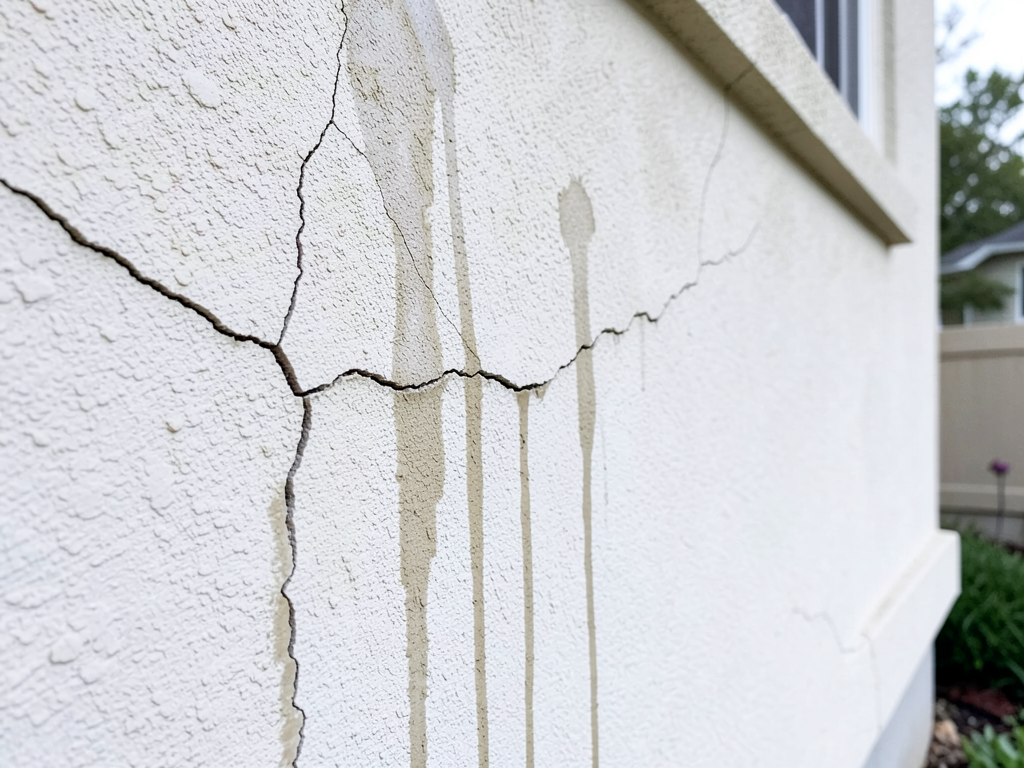
Dallas sits on Eagle Ford shale overlaid with heavy clay soil that expands up to 10 percent when saturated, then shrinks during drought periods. This constant expansion and contraction cracks foundation slabs and shifts pier-and-beam supports. These movements create gaps where groundwater enters during heavy rains. Properties in East Dallas near White Rock Creek and homes in the floodplain along the Trinity River face elevated risk during spring storm seasons when water tables rise. Even homes on higher ground in North Dallas suburbs experience foundation movement during prolonged droughts followed by sudden downpours. You cannot prevent soil movement, but you can seal entry points and install vapor barriers that block moisture migration into your home.
Liberty Water Damage Restoration Riverside understands Dallas foundation behavior because we have worked in this soil for years. We know that homes built before 1980 typically lack proper moisture barriers beneath slabs. We know that properties in older neighborhoods like Lakewood and Munger Place often have cast iron drain lines that corrode and leak beneath floors. We work with structural engineers and foundation repair specialists throughout the Dallas-Fort Worth metroplex. When floor damage indicates foundation movement rather than simple plumbing leaks, we connect you with the right experts. Local knowledge prevents misdiagnosis and wasted money on repairs that do not address root causes.