


Coppell sits in the Elm Fork Trinity River floodplain, where clay soil and seasonal storms create perfect conditions for water intrusion. Spring thunderstorms dump inches of rain in minutes, overwhelming aging drainage systems in older neighborhoods near Cottonwood Creek and Andy Brown Park East. The expansive clay soil shifts dramatically between wet and dry seasons, cracking foundation slabs and basement walls in homes throughout the Old Town area and Riverchase community.
North Texas freeze events expose another vulnerability. When temperatures drop below freezing, pipes burst in attics and crawl spaces. Homes built in the 1980s and 1990s near Denton Tap Road often lack proper insulation, leading to catastrophic pipe failures that flood entire floors. The combination of clay soil movement, intense rainfall, and temperature swings makes Coppell properties particularly susceptible to water damage events.
Local building codes require specific waterproofing standards, but older structures predate these requirements. Properties near Grapevine Lake face additional moisture pressure from elevated water tables. Without immediate professional response, water damage escalates from a cleanup job to a full restoration project involving mold remediation, structural repairs, and content loss. Coppell homeowners need restoration teams who understand these regional challenges and respond before minor water intrusion becomes a major insurance claim.
Peak Water Damage Restoration Dallas operates from our North Dallas facility with response vehicles stationed to reach any Coppell address in under 60 minutes. We maintain this rapid response standard because water damage compounds exponentially. The difference between a two-hour response and a six-hour response can mean the difference between drying out carpets and replacing subflooring.
Our technicians hold IICRC certifications in water damage restoration and applied structural drying. We invest in professional-grade equipment including truck-mounted extraction units, commercial dehumidifiers, air movers, and thermal imaging cameras that detect hidden moisture in wall cavities and ceiling spaces. This technology matters in Coppell homes where water travels through attic insulation or seeps behind brick veneer facades.
We handle insurance coordination as part of our service. Our team documents damage with detailed photos, moisture readings, and scope reports that satisfy adjuster requirements. We communicate directly with carriers, reducing your stress during an already difficult situation. Most claims are approved within 48 hours when properly documented.
Peak Water Damage Restoration Dallas has restored hundreds of Coppell properties, from burst pipe emergencies to storm flooding. We understand local construction methods, know which HVAC contractors and plumbers to coordinate with, and maintain relationships with reputable mold remediation specialists when needed. Our reputation in Coppell comes from stopping damage fast, communicating clearly, and restoring properties to pre-loss condition. When water invades your property, you need a team that shows up immediately with the right equipment and experience.

We dispatch certified technicians to your Coppell property within 60 minutes of your call, 24 hours a day. Our response vehicles carry industrial extraction equipment, moisture meters, and protective gear. Fast response stops water from spreading through walls, soaking insulation, and creating mold conditions. Every minute counts when water is actively damaging your property.

Peak Water Damage Restoration Dallas bills your insurance carrier directly after documenting all damage and moisture readings. We provide detailed reports, photos, and thermal imaging results that satisfy adjuster requirements. Our team handles the paperwork, communicates with your carrier, and expedites claim approval. You focus on your family while we handle the insurance process.
Every technician on our crew holds current IICRC certification in water damage restoration and applied structural drying. We follow Institute of Inspection Cleaning and Restoration Certification protocols for moisture mapping, containment, extraction, and drying. Proper training prevents secondary damage, speeds drying time, and ensures your property is restored correctly the first time.
We have restored properties throughout Coppell's neighborhoods, from Old Town's established homes to newer developments near Denton Tap Road. Our team understands local construction methods, clay soil challenges, and regional water intrusion patterns. This experience lets us anticipate hidden damage, identify vulnerable areas, and implement restoration strategies that work for North Texas properties.
Peak Water Damage Restoration Dallas provides end-to-end water damage services for Coppell residential and commercial properties. Water intrusion comes from multiple sources and requires different response strategies. A burst pipe demands immediate extraction and structural drying. Storm flooding requires contaminated water protocols and antimicrobial treatment. Sewage backups need biohazard procedures and complete sanitization.
Our service range covers every water damage scenario Coppell properties face. We start with emergency response and water removal, then progress through structural drying, dehumidification, and final restoration. Each phase requires specific equipment, expertise, and attention to moisture levels. We monitor drying progress with daily moisture readings and thermal imaging to confirm complete water removal before closing walls or replacing materials.
Water damage restoration involves more than extraction and drying. We coordinate with licensed plumbers to repair the source, work with electricians to restore power safely, and bring in HVAC specialists when ductwork is compromised. Our restoration process includes content cleaning, odor removal, and reconstruction when needed. The goal is returning your property to pre-loss condition while preventing future problems like mold growth or structural deterioration.
Emergency extraction removes standing water from your property within the first hour. Our truck-mounted extraction units pull thousands of gallons per hour from flooded rooms, saturated carpets, and pooled water in crawl spaces. We use submersible pumps for deep flooding and weighted extraction tools for carpets and padding. Fast water removal prevents wall wicking, insulation saturation, and subfloor damage. The first 24 hours determine whether you face a minor cleanup or major reconstruction.
Structural drying eliminates moisture from building materials using industrial dehumidifiers and air movers. We position equipment to create airflow across wet surfaces while extracting humidity from the air. Thermal imaging identifies hidden moisture in wall cavities, ceiling spaces, and under flooring. We monitor moisture levels daily using penetrating and non-invasive meters until readings reach dry standards. Proper drying prevents mold growth, wood rot, and structural damage that develops when moisture remains in building materials.
Complete restoration rebuilds your property after water damage. We replace damaged drywall, install new flooring, repaint walls, and restore trim work. Our reconstruction team handles everything from minor repairs to full room rebuilds. We coordinate with plumbers, electricians, and HVAC contractors to ensure all systems function properly. Content cleaning salvages furniture, documents, and personal items when possible. The restoration phase returns your property to pre-loss condition with quality materials and professional craftsmanship.
Coppell's climate and construction characteristics create specific water damage vulnerabilities. Understanding these common problems helps property owners recognize warning signs before minor issues become major disasters. North Texas experiences temperature extremes, intense rainfall, and soil conditions that stress building systems.
Older homes in established Coppell neighborhoods face different challenges than newer construction. Properties built before modern building codes may lack proper waterproofing, adequate insulation, or sufficient drainage systems. The clay soil throughout Coppell expands when wet and contracts when dry, creating continuous stress on foundations and underground plumbing. Storm events can overwhelm drainage systems in minutes, sending water into basements, garages, and ground-level rooms.
The combination of regional weather patterns and local construction methods means Coppell property owners should watch for water intrusion signs. Musty odors, discolored walls, soft flooring, and increased utility bills often indicate hidden water problems. Catching these issues early prevents extensive damage and expensive restoration work.
North Texas freeze events cause pipes to burst in attics, crawl spaces, and exterior walls. Water pressure builds as ice forms, splitting copper pipes and cracking PEX lines. When temperatures rise, gallons pour into living spaces before homeowners discover the break. Proper insulation and emergency shutoff knowledge prevent catastrophic flooding.
Clay soil movement stresses pipes under concrete slabs, causing pinhole leaks in copper water lines. These leaks go undetected for months, saturating soil beneath foundations and creating moisture problems in flooring and walls. Rising water bills, warm spots on floors, and unexplained moisture indicate potential slab leaks requiring immediate investigation.
Spring thunderstorms drop inches of rain in short periods, overwhelming gutters and drainage systems. Water pools against foundations, seeps through basement walls, and enters through door thresholds. Poor grading around homes near Cottonwood Creek increases flooding risk. Proper drainage, functional gutters, and landscape grading prevent storm water from entering structures.
Air conditioning systems produce gallons of condensate daily during hot Texas summers. Clogged drain lines cause water to back up into overflow pans and spill into ceilings, walls, or attic spaces. Regular HVAC maintenance prevents condensate problems, but failures still flood homes, damage ceilings, and create mold conditions in hidden spaces.
When water damages your Coppell property, you need immediate help and clear communication. Peak Water Damage Restoration Dallas follows a structured response process that prioritizes stopping damage, restoring your property, and keeping you informed throughout the restoration.
Your first call activates our emergency response. We gather essential information about the water source, affected areas, and safety concerns. Our dispatcher provides immediate guidance on shutting off water, turning off electricity in affected areas, and protecting valuables. A certified restoration technician is dispatched to your location within 60 minutes, arriving with extraction equipment, moisture detection tools, and protective gear.
Throughout the restoration process, you receive daily updates on drying progress, moisture readings, and timeline expectations. We document everything with photos and detailed reports for insurance purposes. Our team coordinates with your insurance adjuster, handles required paperwork, and ensures your claim proceeds smoothly. You should expect clear communication, rapid response, and professional service from arrival through final restoration.
Our technician arrives within 60 minutes to assess damage, identify water sources, and create a mitigation plan. We use moisture meters and thermal imaging to map affected areas, including hidden moisture in walls and ceilings. You receive a detailed explanation of required services, estimated timeline, and insurance documentation process. Emergency extraction begins immediately to stop damage progression and begin the drying process.
Technicians visit daily to monitor moisture levels, adjust equipment, and document drying progress. We take readings at multiple points and compare against baseline measurements to ensure complete water removal. You receive updates on timeline, any new findings, and next steps. Equipment runs continuously until moisture readings reach dry standards. We never rush the drying process or remove equipment prematurely.
Once drying is complete, our reconstruction team restores your property with quality materials and professional workmanship. We replace damaged drywall, install flooring, repaint affected areas, and ensure all systems function properly. Final moisture readings verify complete drying before closing any walls or concealed spaces. You receive documentation showing pre-loss restoration and warranty information for completed work.
Peak Water Damage Restoration Dallas follows a systematic three-phase process that stops damage, removes moisture, and restores your property. This structured approach ensures complete water removal and prevents secondary damage.
We arrive within 60 minutes and immediately extract standing water using truck-mounted equipment and submersible pumps. Our team removes saturated materials like carpet padding and wet insulation that hold moisture. We document all damage with photos and moisture readings for insurance purposes. Containment barriers prevent water from spreading to unaffected areas. The extraction phase removes bulk water and stops active damage progression.
Industrial dehumidifiers and air movers run continuously to remove moisture from building materials. We position equipment strategically to maximize airflow across wet surfaces. Technicians monitor moisture levels daily using thermal imaging and moisture meters. The drying phase continues until readings reach dry standards in all affected materials. This typically takes three to five days depending on water category and material saturation.
Our restoration team rebuilds damaged areas with quality materials and professional craftsmanship. We replace drywall, install flooring, paint walls, and restore trim work. All repairs match existing finishes and meet current building codes. Final inspections verify proper restoration and system functionality. You receive documentation showing completed work and warranty coverage for our services.
Professional water damage restoration follows established industry standards developed by the Institute of Inspection Cleaning and Restoration Certification. IICRC protocols define proper procedures for water classification, material removal, drying techniques, and final verification. These standards exist because improper restoration leads to mold growth, structural damage, and failed insurance claims.
Water is classified into three categories based on contamination level. Category 1 is clean water from supply lines and requires standard extraction and drying. Category 2 is gray water from appliances and washing machines, containing some contaminants requiring antimicrobial treatment. Category 3 is black water from sewage or flooding, requiring biohazard protocols and complete sanitization. Coppell properties face all three categories depending on water source.
Texas does not require state licensing for water damage restoration contractors, but IICRC certification demonstrates professional training and industry knowledge. Certified technicians understand psychrometric calculations for proper dehumidification, know appropriate equipment placement for maximum efficiency, and recognize when materials require removal versus drying in place. Insurance carriers expect IICRC protocols and may deny claims when non-certified contractors perform work incorrectly.
Proper restoration includes moisture mapping, daily monitoring, and documentation. Thermal imaging cameras detect moisture hidden in wall cavities and ceiling spaces. Moisture meters measure water content in wood, drywall, and concrete. Equipment must remain in place until moisture readings drop below 15 percent in wood and 1.5 percent in concrete. Removing equipment too early leads to secondary damage and mold growth. Peak Water Damage Restoration Dallas follows these standards on every project to ensure complete water removal and prevent future problems.
IICRC certification requires completing approved courses in water damage restoration, applied structural drying, and health and safety. Technicians must pass written examinations demonstrating knowledge of psychrometrics, moisture detection, drying science, and restoration protocols. Certification renewal requires continuing education every two years. This training ensures technicians understand proper restoration techniques and industry standards.
Water damage restoration costs depend on water category, affected square footage, material saturation, and required reconstruction. Category 3 water requires antimicrobial treatment and material removal, increasing costs significantly. Structural drying typically costs less than reconstruction, but delays in response increase damage and expenses. Insurance coverage varies by policy, but most homeowner policies cover sudden water damage from burst pipes and appliance failures.
Structural drying takes three to seven days depending on water volume, material types, and environmental conditions. Concrete and hardwood require longer drying times than drywall and carpet. High humidity slows evaporation and extends drying periods. Commercial dehumidifiers and air movers accelerate the process, but moisture must evaporate naturally from building materials. Rushing the process leads to trapped moisture and mold problems.
Insurance carriers require detailed documentation including photos, moisture readings, equipment logs, and daily progress reports. Estimates must list line-item costs using Xactimate software that adjusts for local pricing. Proper documentation includes water source identification, affected material lists, and drying logs showing moisture reduction over time. Missing documentation can delay or reduce claim payment.
This video explains the professional water damage restoration process for Coppell properties, covering emergency extraction, structural drying, and reconstruction. Peak Water Damage Restoration Dallas demonstrates IICRC protocols for water removal, moisture detection using thermal imaging, and proper dehumidification techniques. Viewers learn about water damage categories, equipment requirements, insurance documentation, and timeline expectations. The video shows real restoration scenarios including burst pipe cleanup, storm flooding response, and complete property recovery specific to North Texas construction and clay soil challenges.
Peak Water Damage Restoration Dallas serves the entire Coppell area from our North Dallas facility. Our response vehicles reach every Coppell neighborhood in under 60 minutes, including established communities near Andy Brown Park East and newer developments along Denton Tap Road. We have restored properties throughout Old Town Coppell, where mature trees and aging infrastructure create unique challenges during storm events.
The Riverchase community and neighborhoods near Cottonwood Creek face elevated flooding risk during heavy spring rains. Properties in these areas benefit from rapid response before water spreads through finished basements and ground-level living spaces. We have worked extensively in the Valley Ranch area where homes built in the 1980s and 1990s experience foundation movement and plumbing stress from North Texas clay soil.
Coppell's location between Interstate 635 and State Highway 121 provides quick access from our facility. We serve residential and commercial properties throughout the city, from small water heater leaks in Arbor Creek homes to major flood events at Valley Ranch Town Center businesses. Our service area extends to adjacent communities in northwest Dallas County, but Coppell remains a primary focus due to our extensive experience with local construction methods and regional water damage patterns.
Properties near Grapevine Lake face unique moisture challenges from elevated water tables and seasonal flooding. The combination of lake proximity, clay soil, and intense rainfall creates conditions where water intrusion can escalate quickly. Our team understands these geographic factors and adjusts restoration strategies accordingly. Whether you need emergency extraction in the MacArthur area or complete reconstruction near Andrew Brown Park, Peak Water Damage Restoration Dallas delivers consistent service quality across all Coppell neighborhoods.
Water damage restoration pricing in Coppell varies based on the extent of damage, water source, and affected area size. A small leak affects pricing differently than major flooding. The water category matters too. Clean water from supply lines differs from contaminated water. Most restoration companies provide free inspections and detailed estimates before starting work. Your insurance coverage often determines your out-of-pocket expenses. Document everything with photos and keep all receipts. Get multiple quotes from certified restoration companies in Coppell to compare services and pricing structures.
Minor water damage restoration in Coppell typically takes 3-5 days. Severe flooding extends the timeline to 2-4 weeks. The drying process needs 24-72 hours using industrial equipment. Humidity levels in your home affect drying time. Structural repairs add extra days or weeks. Wet drywall removal and replacement takes longer than carpet drying. Your restoration company monitors moisture levels daily with specialized meters. Complete restoration includes cleaning, sanitizing, drying, and rebuilding. Weather conditions and material availability influence the final timeline. Emergency response teams start work within hours of your call.
Most homeowners insurance policies in Coppell cover sudden and accidental water damage. Burst pipes, appliance malfunctions, and storm damage typically qualify for coverage. Gradual damage from neglected maintenance gets denied. Flood damage requires separate flood insurance through NFIP or private carriers. Review your policy declarations page for specific exclusions and limits. Your deductible applies before insurance pays. Document all damage immediately with photos and videos. Contact your insurance company within 24 hours of finding damage. Professional restoration companies help navigate the claims process and communicate directly with adjusters.
Water damage restoration pricing in Coppell varies based on the extent of damage, water source, and affected area size. A small leak affects pricing differently than major flooding. The water category matters too. Clean water from supply lines differs from contaminated water. Most restoration companies provide free inspections and detailed estimates before starting work. Your insurance coverage often determines your out-of-pocket expenses. Document everything with photos and keep all receipts. Get multiple quotes from certified restoration companies in Coppell to compare services and pricing structures.
Minor water damage restoration in Coppell typically takes 3-5 days. Severe flooding extends the timeline to 2-4 weeks. The drying process needs 24-72 hours using industrial equipment. Humidity levels in your home affect drying time. Structural repairs add extra days or weeks. Wet drywall removal and replacement takes longer than carpet drying. Your restoration company monitors moisture levels daily with specialized meters. Complete restoration includes cleaning, sanitizing, drying, and rebuilding. Weather conditions and material availability influence the final timeline. Emergency response teams start work within hours of your call.
Most homeowners insurance policies in Coppell cover sudden and accidental water damage. Burst pipes, appliance malfunctions, and storm damage typically qualify for coverage. Gradual damage from neglected maintenance gets denied. Flood damage requires separate flood insurance through NFIP or private carriers. Review your policy declarations page for specific exclusions and limits. Your deductible applies before insurance pays. Document all damage immediately with photos and videos. Contact your insurance company within 24 hours of finding damage. Professional restoration companies help navigate the claims process and communicate directly with adjusters.
Musty odors signal hidden moisture behind walls or under floors. Discolored patches appear on ceilings and walls as water seeps through. Warped or buckling flooring means moisture trapped underneath. Peeling paint or wallpaper indicates water intrusion. Higher water bills suggest hidden leaks in your plumbing system. Mold growth appears in corners, closets, and behind furniture. Soft or spongy spots in drywall mean prolonged water exposure. Check for water stains in basements and crawl spaces. Use a moisture meter to detect hidden dampness in walls and ceilings.
Call a restoration company within 60 minutes of finding water damage in your Coppell home. Water spreads quickly through porous materials like drywall and carpet. Mold starts growing within 24-48 hours in damp conditions. The first 24 hours determine whether you need minor repairs or major reconstruction. Standing water causes structural damage to floors and support beams. Fast action prevents secondary damage and reduces total restoration expenses. Emergency restoration teams work 24/7 to respond immediately. Stop the water source first, then call professionals for extraction and drying.
You stay home during minor restoration work affecting one room. Major restoration requires temporary relocation for safety and efficiency. Air quality concerns arise when removing mold-contaminated materials. Industrial drying equipment runs loud and continuously for days. Power tools and demolition work create unsafe conditions. Your restoration team needs full access to affected areas. Humidity levels reach uncomfortable ranges during intensive drying. Children and pets need protection from chemicals and equipment. Ask your restoration company about the scope of work. They recommend relocation based on damage severity and your family situation.
Burst pipes during winter freezes cause extensive water damage in Coppell homes. Washing machine hoses fail after years of constant pressure. Water heaters leak when tanks corrode and develop cracks. Roof leaks occur after severe thunderstorms and hail damage. AC condensate line clogs create overflow and ceiling damage. Toilet supply lines crack and flood bathrooms. Dishwasher connections loosen over time and leak slowly. Foundation cracks allow groundwater seepage during heavy rain. Clogged gutters overflow and damage exterior walls. Regular maintenance prevents most of these common water damage sources.
Restoration companies extract standing water using powerful truck-mounted pumps and portable extractors. They remove wet materials like carpet padding, insulation, and damaged drywall. Industrial air movers create airflow across wet surfaces to speed evaporation. Commercial dehumidifiers pull moisture from the air continuously. Technicians measure moisture levels daily with infrared cameras and moisture meters. They inject warm, dry air into wall cavities through small access holes. The equipment runs 24/7 until moisture levels reach normal ranges. Antimicrobial treatments prevent mold growth during the drying process.
Water damage restoration and remediation mean the same thing in the restoration industry. Both terms describe the complete process of drying, cleaning, and repairing water-damaged property. Some companies use restoration to emphasize rebuilding and reconstruction. Others prefer remediation to highlight removing contaminants and preventing mold. The actual services remain identical regardless of terminology. Both include water extraction, structural drying, sanitizing, and repairs. Focus on the company's certifications and experience rather than the term they use. IICRC-certified technicians follow the same standards for all water damage recovery work.
Professional inspection identifies all affected areas before restoration begins. Hidden moisture behind walls and under floors needs detection with thermal imaging and moisture meters. The inspection determines water category and contamination level. Technicians document damage extent for insurance claims with photos and detailed reports. You need accurate scope assessment to prevent mold growth in missed areas. Inspection reveals whether electrical systems and HVAC equipment suffered water exposure. The report guides the restoration plan and timeline. Most Coppell restoration companies provide free inspections. Skip inspection and you risk incomplete drying and future problems.
Musty odors signal hidden moisture behind walls or under floors. Discolored patches appear on ceilings and walls as water seeps through. Warped or buckling flooring means moisture trapped underneath. Peeling paint or wallpaper indicates water intrusion. Higher water bills suggest hidden leaks in your plumbing system. Mold growth appears in corners, closets, and behind furniture. Soft or spongy spots in drywall mean prolonged water exposure. Check for water stains in basements and crawl spaces. Use a moisture meter to detect hidden dampness in walls and ceilings.
Call a restoration company within 60 minutes of finding water damage in your Coppell home. Water spreads quickly through porous materials like drywall and carpet. Mold starts growing within 24-48 hours in damp conditions. The first 24 hours determine whether you need minor repairs or major reconstruction. Standing water causes structural damage to floors and support beams. Fast action prevents secondary damage and reduces total restoration expenses. Emergency restoration teams work 24/7 to respond immediately. Stop the water source first, then call professionals for extraction and drying.
You stay home during minor restoration work affecting one room. Major restoration requires temporary relocation for safety and efficiency. Air quality concerns arise when removing mold-contaminated materials. Industrial drying equipment runs loud and continuously for days. Power tools and demolition work create unsafe conditions. Your restoration team needs full access to affected areas. Humidity levels reach uncomfortable ranges during intensive drying. Children and pets need protection from chemicals and equipment. Ask your restoration company about the scope of work. They recommend relocation based on damage severity and your family situation.
Burst pipes during winter freezes cause extensive water damage in Coppell homes. Washing machine hoses fail after years of constant pressure. Water heaters leak when tanks corrode and develop cracks. Roof leaks occur after severe thunderstorms and hail damage. AC condensate line clogs create overflow and ceiling damage. Toilet supply lines crack and flood bathrooms. Dishwasher connections loosen over time and leak slowly. Foundation cracks allow groundwater seepage during heavy rain. Clogged gutters overflow and damage exterior walls. Regular maintenance prevents most of these common water damage sources.
Restoration companies extract standing water using powerful truck-mounted pumps and portable extractors. They remove wet materials like carpet padding, insulation, and damaged drywall. Industrial air movers create airflow across wet surfaces to speed evaporation. Commercial dehumidifiers pull moisture from the air continuously. Technicians measure moisture levels daily with infrared cameras and moisture meters. They inject warm, dry air into wall cavities through small access holes. The equipment runs 24/7 until moisture levels reach normal ranges. Antimicrobial treatments prevent mold growth during the drying process.
Water damage restoration and remediation mean the same thing in the restoration industry. Both terms describe the complete process of drying, cleaning, and repairing water-damaged property. Some companies use restoration to emphasize rebuilding and reconstruction. Others prefer remediation to highlight removing contaminants and preventing mold. The actual services remain identical regardless of terminology. Both include water extraction, structural drying, sanitizing, and repairs. Focus on the company's certifications and experience rather than the term they use. IICRC-certified technicians follow the same standards for all water damage recovery work.
Professional inspection identifies all affected areas before restoration begins. Hidden moisture behind walls and under floors needs detection with thermal imaging and moisture meters. The inspection determines water category and contamination level. Technicians document damage extent for insurance claims with photos and detailed reports. You need accurate scope assessment to prevent mold growth in missed areas. Inspection reveals whether electrical systems and HVAC equipment suffered water exposure. The report guides the restoration plan and timeline. Most Coppell restoration companies provide free inspections. Skip inspection and you risk incomplete drying and future problems.
We are proud to serve the entire Dallas area and surrounding communities. Our strategically located office allows for quick and efficient dispatch of our teams to your location, ensuring a rapid response to your water damage emergency. View our service area on the map to see how we can assist you, and don't hesitate to contact us for immediate help no matter where you are.
Address:
Coppell, TX, 75019
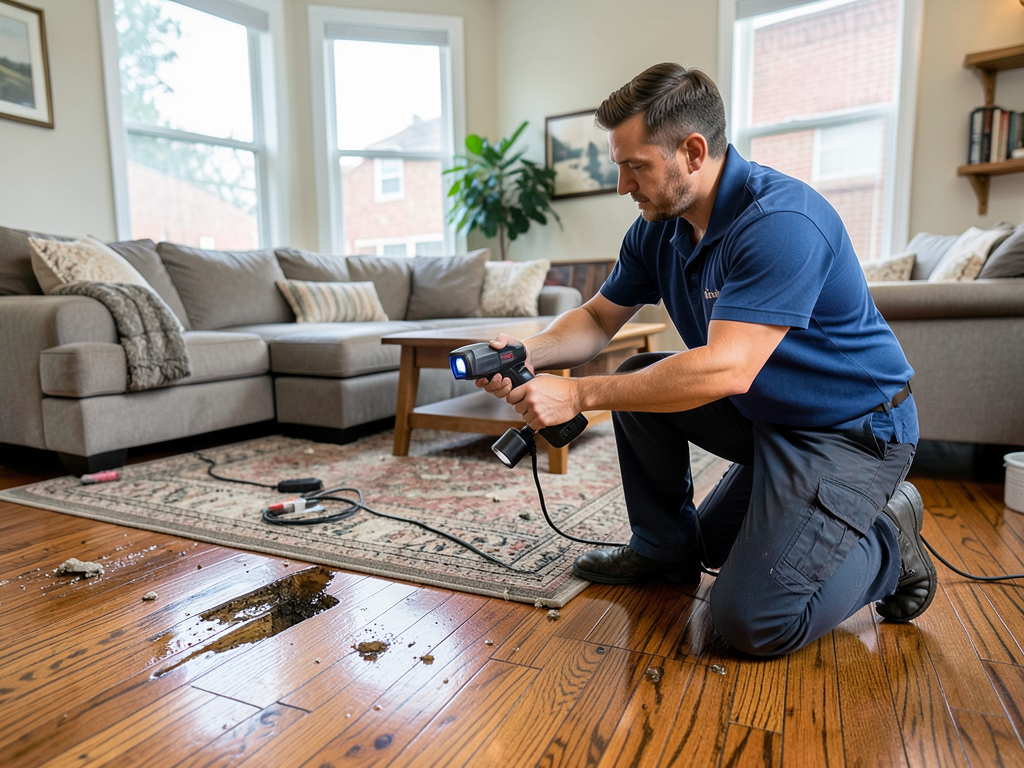
What to Do When Your Aquarium Seals Fail and Flood Your Living Room Floor When aquarium seals fail, Dallas homeowners face a unique water damage emergency. A standard 100-gallon glass tank holds over 800 pounds…
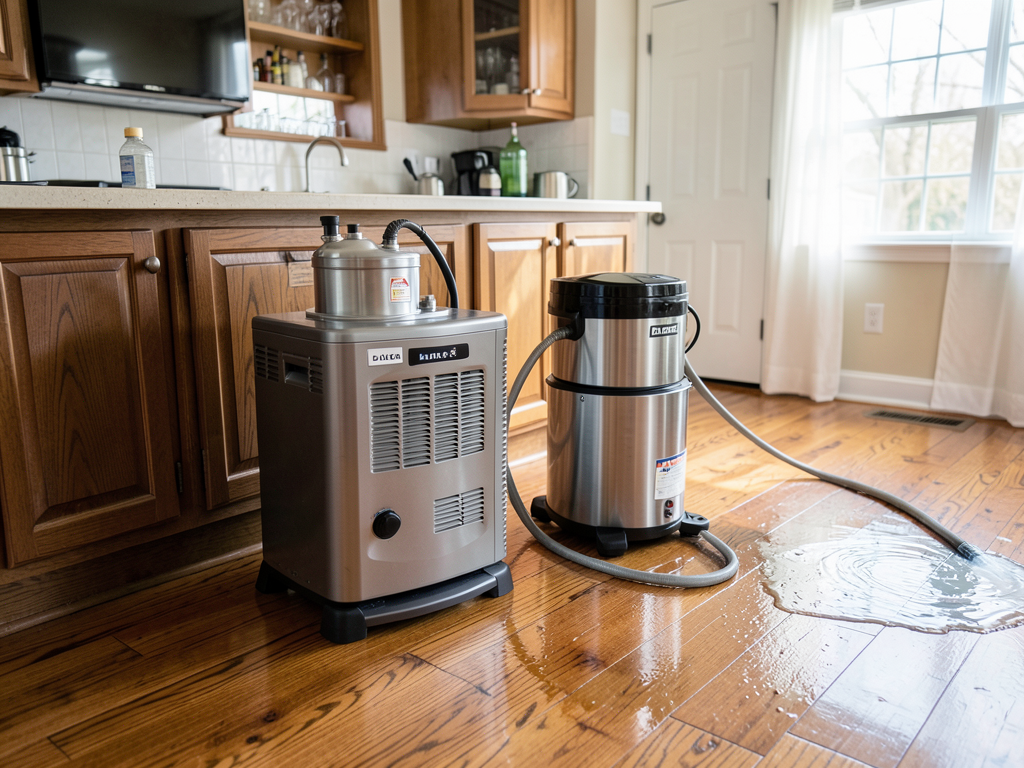
Fixing a Leaky Beer Tap or Kegerator Before it Destroys Your Dallas Man Cave A…
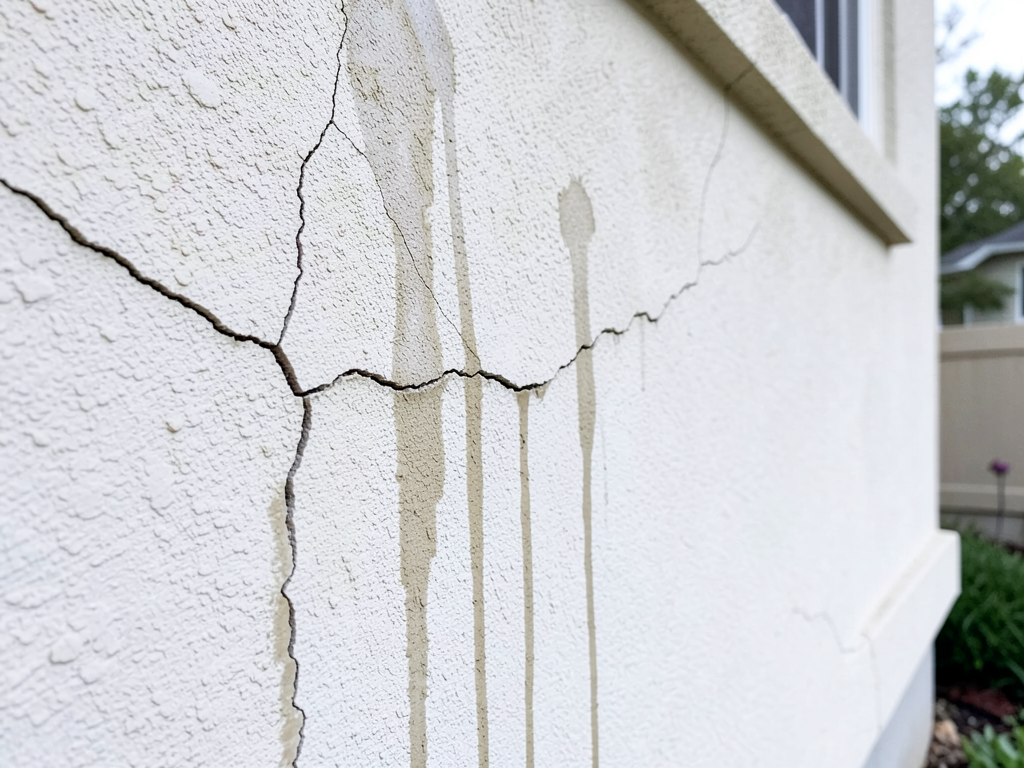
How Hairline Cracks in Your Stucco Exterior are Letting Water Into Your Preston Hollow Home…
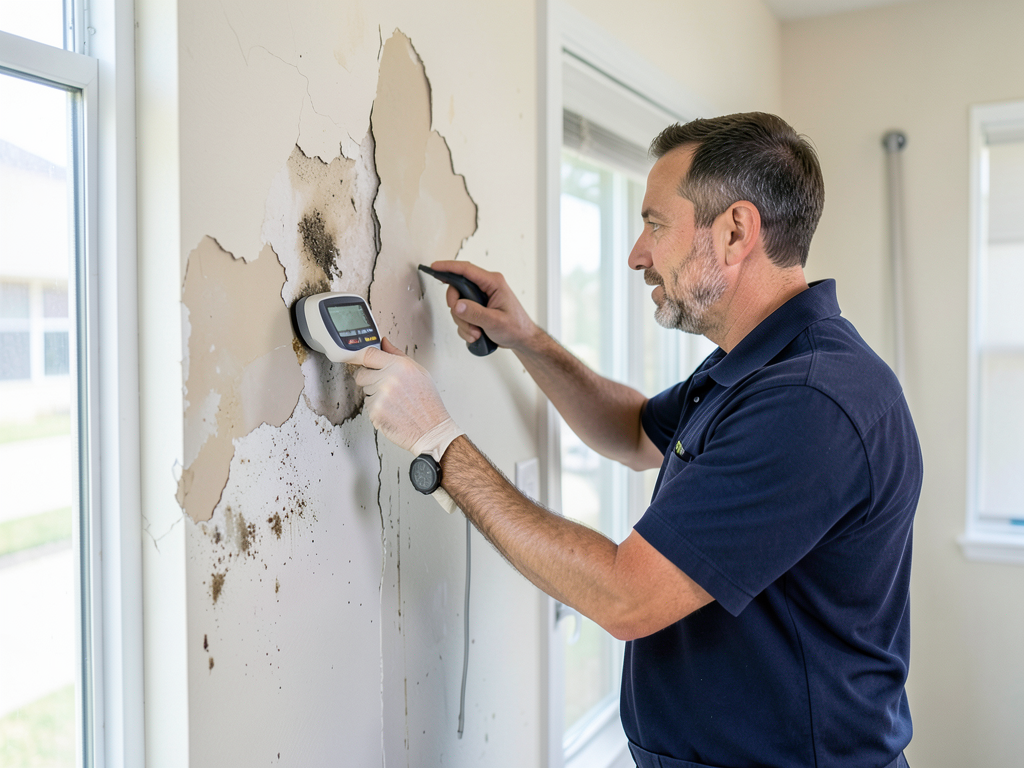
How the Dallas Heat Accelerates Mold Growth Within Just Hours of a Pipe Burst The…
Water damage gets worse every hour. Call Peak Water Damage Restoration Dallas at (972) 886-5955 right now for immediate dispatch to your Coppell property. Our certified technicians arrive in under 60 minutes with industrial extraction equipment ready to stop the damage and start the restoration.