Menu

High Indoor Humidity Levels in Dallas – Expert Diagnosis and Permanent Moisture Control Solutions

Peak Water Damage Restoration Dallas identifies the root causes of high indoor humidity levels in your home and implements targeted dehumidification and ventilation solutions that restore safe, comfortable moisture levels throughout your property.

Slider Image 1
Slider Image 2
Slider Image 3
Slider Image 4
Slider Image 5
Slider Image 7
Slider Image 8
Slider Image 9
Slider Image 10
Slider Image 11

Why Dallas Homes Struggle With Excessive Indoor Moisture Year-Round

You walk into your home and the air feels thick. Your windows fog up. You smell something musty but cannot find the source. These are not minor annoyances. Elevated home humidity creates real problems in Dallas properties.

Dallas sits in a humid subtropical climate zone. Summer dew points regularly exceed 70 degrees. When outdoor air mixes with your conditioned indoor air, moisture accumulates fast. The clay soil underneath Dallas homes shifts with moisture changes. These shifts create foundation microcracks that let humid ground vapor seep into crawlspaces and basements.

High relative humidity indoors feeds mold colonies within 48 hours. Dust mites thrive above 50 percent relative humidity. Your HVAC system works overtime trying to cool sticky air, which drives up energy bills. Wood floors buckle. Drywall becomes soft. Paint peels off in sheets.

Indoor moisture problems spike during spring and fall shoulder seasons. Your air conditioner cycles less frequently, which means less dehumidification. Many Dallas homes built before updated building codes lack proper vapor barriers or adequate ventilation in attics and crawlspaces. These design gaps allow excessive indoor moisture to persist even when outdoor conditions improve.

The longer you tolerate excess humidity in house environments, the more structural damage accumulates. Mold remediation costs multiply. Health symptoms worsen. The problem does not fix itself. You need accurate measurement, source identification, and mechanical intervention to restore safe humidity levels.

Why Dallas Homes Struggle With Excessive Indoor Moisture Year-Round
How We Solve High Indoor Humidity Levels With Precision Moisture Control

How We Solve High Indoor Humidity Levels With Precision Moisture Control

We start by measuring actual conditions. Our technicians use calibrated hygrometers to record relative humidity and temperature in every room. We also measure absolute humidity using psychrometric calculations. This tells us whether moisture is migrating from outside, rising from below, or generating internally.

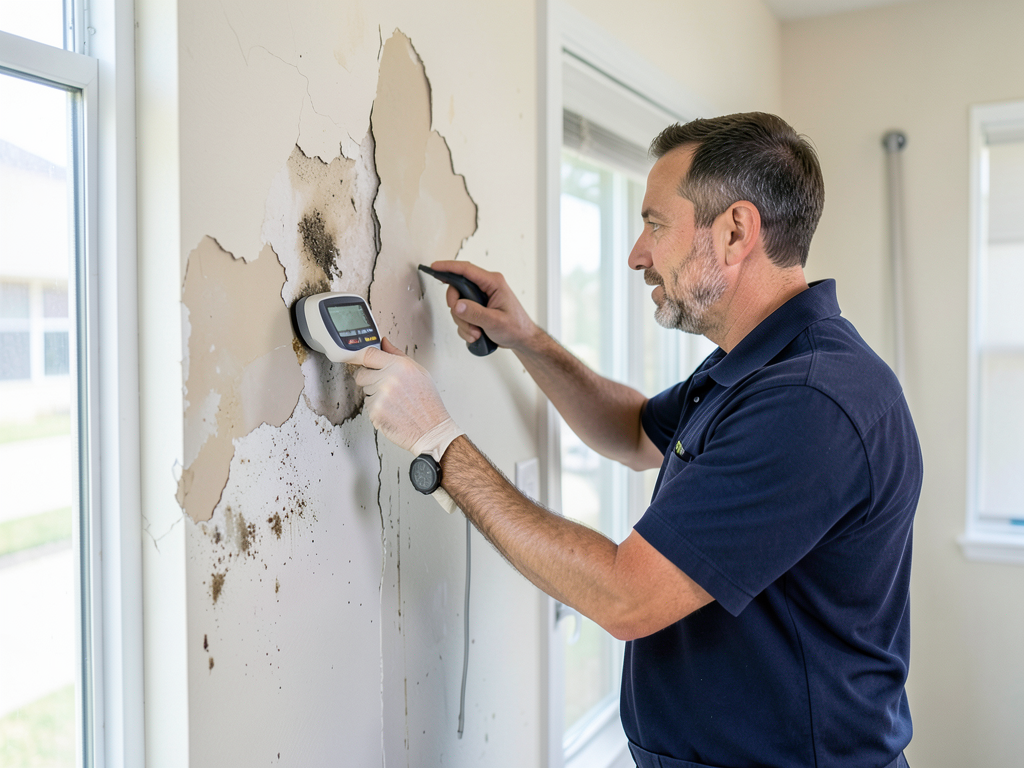
Next, we use thermal imaging cameras to identify hidden moisture intrusion points. Cold spots on interior walls often signal air leakage or missing insulation. Hot spots in ceilings can indicate attic ventilation failures. We inspect crawlspaces and basements with moisture meters to check for ground vapor transmission through slab or soil.

Once we map the moisture sources, we design a targeted remediation plan. If your HVAC system lacks adequate dehumidification capacity, we recommend supplemental whole-home dehumidifiers sized to your square footage and climate load. If you have crawlspace moisture intrusion, we install vapor barriers and encapsulation systems that block ground humidity.

We also address ventilation deficiencies. Bathrooms without exhaust fans dump humidity into adjacent rooms. Kitchens without range hoods send steam into ceilings. We correct these mechanical gaps so moisture exits your home instead of condensing inside it.

For homes with chronic elevated home humidity, we install continuous monitoring systems. These devices track indoor conditions and alert you when humidity climbs above safe thresholds. You gain control instead of reacting to mold growth after the fact.

Our approach combines building science principles with proven water damage restoration techniques. We do not guess. We measure, diagnose, and remediate based on data.

What Happens During Your Moisture Assessment and Correction

High Indoor Humidity Levels in Dallas – Expert Diagnosis and Permanent Moisture Control Solutions
01

Initial Humidity Mapping

Our technicians arrive with calibrated hygrometers, moisture meters, and thermal imaging equipment. We record relative humidity levels in each room, measure wall and floor moisture content, and scan for hidden condensation zones. This diagnostic phase takes 60 to 90 minutes depending on your home size. We document baseline conditions so you see exactly where moisture problems exist before we begin correction.
02

Source Identification and Planning

After mapping your moisture profile, we identify contributing factors. Is your HVAC system undersized or poorly maintained? Do you have crawlspace vapor intrusion? Are bathroom and kitchen exhaust systems adequate? We create a prioritized action plan that addresses root causes instead of just treating symptoms. You receive a detailed scope of work with equipment specifications and expected humidity reduction outcomes.
03

System Installation and Verification

We install recommended dehumidification equipment, seal moisture entry points, and improve ventilation where needed. After installation, we run verification tests to confirm indoor humidity drops to the target range of 30 to 50 percent relative humidity. We teach you how to monitor conditions using installed equipment and provide maintenance guidelines. Your home becomes comfortable again and protected against future moisture damage.

Why Dallas Property Owners Trust Peak Water Damage Restoration for Humidity Control

Dallas homes face unique moisture challenges that require local expertise. We understand how the Blackland Prairie clay soil underneath your foundation affects basement and crawlspace humidity. We know which neighborhoods experience higher groundwater tables during wet seasons. This local knowledge informs every moisture control strategy we design.

Many restoration companies treat high indoor humidity as a ventilation problem. They install a few fans and leave. That approach fails in Dallas because our climate loads exceed simple ventilation capacity. You need mechanical dehumidification sized correctly for both square footage and seasonal humidity peaks. We calculate latent cooling loads using ASHRAE standards specific to Climate Zone 3A.

We also understand Dallas building codes and how they have evolved. Homes built before 2010 often lack adequate vapor retarders in crawlspaces. Newer construction may have better envelope design but still suffers from HVAC systems that prioritize sensible cooling over latent moisture removal. We correct these deficiencies using IRC and IECC compliant methods.

Our team holds IICRC certifications in water damage restoration and applied structural drying. This training matters because controlling excessive indoor moisture requires more than dehumidifier placement. You need accurate psychrometric assessment, proper equipment selection, and verification that corrections achieve target conditions.

We have served Dallas property owners for years. We have worked in Highland Park historic homes, Lakewood bungalows, and newer construction in Uptown. We know the architectural styles, common failure points, and effective solutions for each building type. When you hire Peak Water Damage Restoration Dallas, you get technicians who understand your home and your climate.

What to Expect When You Call Peak Water Damage Restoration Dallas

Rapid Response and Scheduling

We answer calls seven days a week. Most moisture assessments can be scheduled within 24 to 48 hours. If you have an active water intrusion event causing elevated home humidity, we dispatch emergency teams immediately. Our technicians arrive with full diagnostic equipment ready to measure conditions and begin mitigation. We understand that indoor moisture problems worsen quickly. Delayed response allows mold colonization and structural degradation. You get fast service when you need it most.

Comprehensive Moisture Diagnostics

Your assessment includes room-by-room humidity readings, thermal imaging scans, and moisture meter testing of building materials. We check attic ventilation, crawlspace conditions, and HVAC performance. You receive a written report documenting current moisture levels, problem areas, and recommended corrections. This diagnostic process takes between one and two hours. We explain findings in plain language so you understand what is happening in your home and why specific solutions are necessary.

Proven Moisture Reduction Results

After we implement corrections, you see measurable improvement. Indoor relative humidity drops to the safe range of 30 to 50 percent. Musty odors disappear. Window condensation stops. Your HVAC system cycles normally without struggling against excess humidity in house conditions. We verify results using the same calibrated instruments from your initial assessment. You gain comfortable indoor air quality and protection against mold growth, wood rot, and other moisture-related damage.

Ongoing Monitoring and Support

We provide guidance on maintaining safe humidity levels year-round. If we install whole-home dehumidifiers, we explain filter changes and seasonal adjustments. We offer annual inspections to verify your moisture control systems continue performing correctly. Many Dallas homes need different settings during summer cooling season versus spring and fall shoulder months. We help you understand how to adapt equipment for changing conditions. You gain long-term peace of mind knowing your home stays protected.

Frequently Asked Questions

You Have Questions,
We Have Answers

Is 70% humidity too high in a house? +

Yes. 70% humidity is too high for indoor comfort and safety. The EPA recommends keeping indoor humidity between 30-50%. At 70%, you create conditions for mold growth, dust mites, and structural damage. Dallas homes face this problem during our humid summers when air conditioning cannot keep up or drainage issues persist. You will notice condensation on windows, musty odors, and warping wood. High humidity also makes your home feel warmer, forcing your AC to work harder and raising energy bills. Address this quickly to prevent water damage and health risks.

What happens if indoor humidity is too high? +

High indoor humidity creates a cascade of problems. Mold and mildew colonize damp surfaces within 24-48 hours, triggering allergies and respiratory issues. You will see peeling paint, warped flooring, and buckled drywall as materials absorb excess moisture. Dust mites thrive above 50% humidity, worsening asthma symptoms. Your home feels stuffy and smells musty. In Dallas, where summer humidity combines with air conditioning failures or foundation drainage problems, unchecked moisture can rot structural wood and compromise your home's integrity. Condensation on windows and walls signals immediate action is needed.

Can humidity cause nausea? +

Yes. High humidity can trigger nausea through multiple pathways. When your body cannot cool itself through sweat evaporation in humid conditions, you experience heat exhaustion symptoms including nausea, dizziness, and headaches. Mold spores and mycotoxins from humidity-driven growth cause gastrointestinal distress in sensitive individuals. Poor indoor air quality from excess moisture concentrates allergens and irritants, creating systemic inflammation that manifests as nausea. If you feel nauseous at home but better elsewhere, check your humidity levels. Dallas residents often miss this connection during our muggy summer months.

What is the ideal humidity for a baby? +

Babies need indoor humidity between 40-50% for optimal health. This range keeps nasal passages moist without creating mold conditions. Too low, and infants suffer dry skin, chapped lips, and irritated airways. Too high, and you invite mold, dust mites, and respiratory infections. Dallas homes swing between extremes: winter heating dries the air while summer humidity spikes. Monitor nursery humidity with a hygrometer. If levels exceed 50%, run a dehumidifier. If they drop below 40%, use a cool-mist humidifier. Clean humidifiers every three days to prevent bacterial growth.

Will mold grow at 70 humidity? +

Mold grows rapidly at 70% humidity. While mold spores need moisture on surfaces, not just air humidity, 70% relative humidity creates condensation on cooler surfaces like windows, walls, and pipes. This gives mold the wet environment it needs. Combined with Dallas heat, organic materials like drywall and wood stay damp long enough for colonization within 24-48 hours. You will find mold in bathrooms, crawl spaces, attics, and behind furniture against exterior walls. Reduce humidity below 50% and fix moisture sources like leaks or poor ventilation to stop growth.

Does opening a window reduce humidity? +

Opening a window can reduce humidity, but only if outdoor humidity is lower than indoor levels. In Dallas, this strategy works on dry winter days or cool mornings. During summer months when outdoor humidity regularly hits 70-90%, opening windows makes the problem worse. You pump more moisture inside, forcing your AC to work harder. Check outdoor conditions first with a weather app. Better solutions include exhaust fans during showers, fixing leaks, sealing crawl spaces, and running dehumidifiers. Cross-ventilation helps when conditions align, but it is not reliable for Dallas climate patterns.

Can you get sick if your house is too humid? +

Yes. High humidity creates serious health risks beyond discomfort. Mold and mildew release spores and mycotoxins that trigger allergic reactions, asthma attacks, and respiratory infections. Dust mites multiply in humid conditions, worsening allergy symptoms. You may experience fatigue, headaches, skin irritation, and difficulty sleeping. Bacteria and viruses survive longer in humid air, increasing infection risk. For Dallas residents with existing respiratory conditions, high indoor humidity compounds problems during allergy season. Children and elderly family members face greater vulnerability. If multiple household members feel sick at home but improve when away, check your humidity levels.

Do dehumidifiers really work for humidity? +

Dehumidifiers work when sized and placed correctly. They pull moisture from air, lowering relative humidity to healthy levels. For Dallas homes, choose capacity based on square footage and severity. A 30-50 pint unit handles most residential spaces. Place dehumidifiers in problem areas like basements, laundry rooms, or bathrooms. They collect water you must empty regularly. Whole-house dehumidifiers integrate with HVAC systems for comprehensive control. Portable units target specific rooms. They do not fix moisture sources like foundation leaks or poor drainage. Address underlying water problems first, then use dehumidifiers to maintain healthy levels.

How do you fix high humidity in your house? +

Fix high humidity by addressing sources and removing excess moisture. Start by checking for water intrusion through foundation cracks, roof leaks, or plumbing failures. Dallas clay soil shifts and cracks foundations, creating moisture pathways. Improve ventilation with exhaust fans in bathrooms and kitchens. Seal crawl spaces with vapor barriers. Use dehumidifiers in problem areas. Service your AC system to ensure proper moisture removal. Clean gutters and grade soil away from your foundation. Fix drainage issues around your property. If humidity persists despite these steps, call a water damage professional to identify hidden moisture sources.

What are the symptoms of humidity sickness? +

Humidity sickness manifests through respiratory, skin, and systemic symptoms. You experience difficulty breathing, wheezing, coughing, and throat irritation from mold exposure. Headaches, fatigue, and brain fog result from poor air quality and overheating. Skin becomes clammy, itchy, or develops rashes from prolonged moisture exposure. Nausea and dizziness occur when your body cannot regulate temperature through sweating. You may notice worsening allergies, sinus congestion, and eye irritation. Sleep quality suffers in humid environments. If these symptoms improve when you leave home, high indoor humidity is the likely cause. Monitor levels and address moisture sources immediately.

How Dallas Humidity and Clay Soil Create Chronic Indoor Moisture Problems

Dallas averages 79 days per year with dew points above 70 degrees. This subtropical moisture load overwhelms many residential HVAC systems designed only for sensible cooling. When outdoor air enters your home through leaks or ventilation, it carries water vapor that condenses on cool surfaces. The expansive clay soil common throughout Dallas shrinks during dry periods and swells when saturated. This cycle creates foundation movement that opens cracks in slabs and basement walls. Ground vapor migrates through these gaps, raising indoor humidity even when outdoor conditions are dry.

Peak Water Damage Restoration Dallas has worked in every Dallas neighborhood. We understand how East Dallas homes with pier and beam foundations experience different moisture patterns than North Dallas properties built on slab. We know which HVAC contractors in the metro area install equipment properly sized for latent cooling loads. Our familiarity with local building practices means we identify problems faster and design solutions that work long-term. You need a restoration company that understands Dallas construction and climate, not generic advice from out-of-town contractors.
Water Damage Services in The Dallas Area

We are proud to serve the entire Dallas area and surrounding communities. Our strategically located office allows for quick and efficient dispatch of our teams to your location, ensuring a rapid response to your water damage emergency. View our service area on the map to see how we can assist you, and don't hesitate to contact us for immediate help no matter where you are.

Address:
Peak Water Damage Restoration Dallas, 3510 Ross Ave, Dallas, TX, 75204

Additional Services We Offer

Our news updates

Latest Articles & News from The Blogs

Fixing a Leaky Beer Tap or Kegerator Before it Destroys Your Dallas Man Cave A slow drip from your beer…

Fixing a Leaky Beer Tap or Kegerator Before it Destroys Your Dallas Man Cave

Fixing a Leaky Beer Tap or Kegerator Before it Destroys Your Dallas Man Cave A slow drip from your beer…

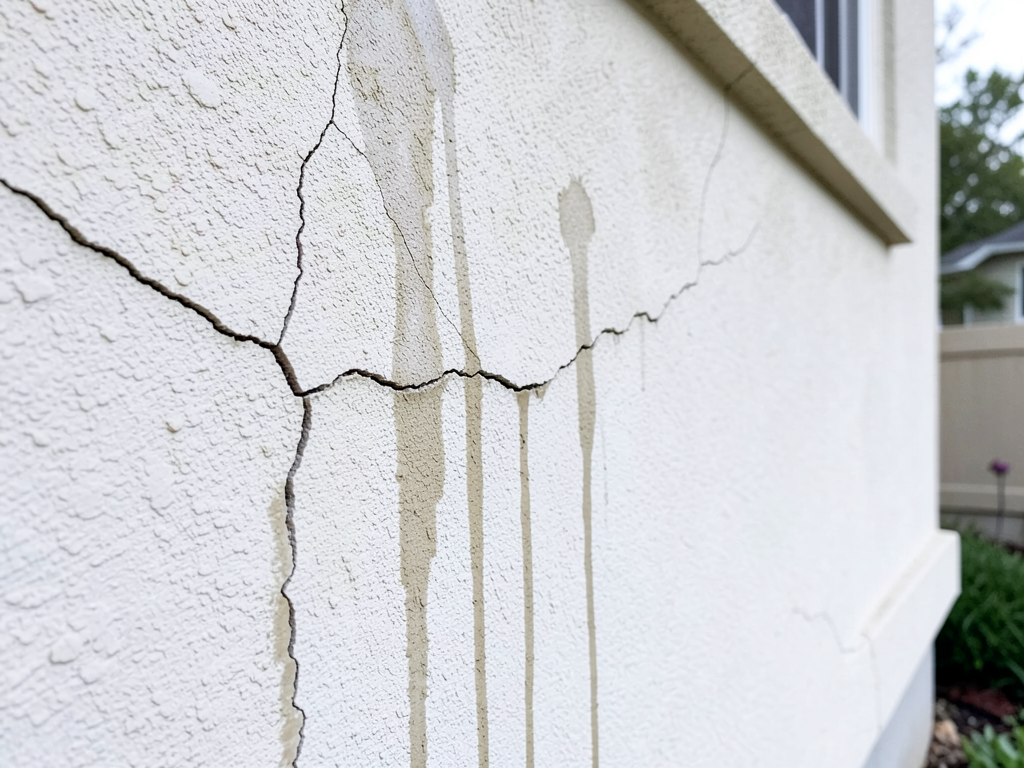
How Hairline Cracks in Your Stucco Exterior are Letting Water Into Your Preston Hollow Home

How Hairline Cracks in Your Stucco Exterior are Letting Water Into Your Preston Hollow Home Stucco cracks wider than a…

How the Dallas Heat Accelerates Mold Growth Within Just Hours of a Pipe Burst

How the Dallas Heat Accelerates Mold Growth Within Just Hours of a Pipe Burst The Dallas heat and humidity create…

Contact Us

Call Peak Water Damage Restoration Dallas at (972) 886-5955 today. We will schedule your comprehensive moisture assessment and show you exactly what is causing high indoor humidity levels in your home. You deserve comfortable air and protection against mold.