
Is That Musty Smell in Your Bishop Arts District Home Actually Mold?
That musty smell coming from your attic or crawlspace isn’t just old air. In Dallas’s humid climate, that odor often signals mold growth feeding on hidden moisture. Homes in the Bishop Arts District face unique challenges from their age, construction, and proximity to flood-prone areas near the Trinity River.. Read more about Hidden Ways Your Bathroom Tile Might Be Leaking into the Floor Below.
Before you dismiss it as a temporary smell, understand what’s really happening behind your walls. Mold releases microbial volatile organic compounds that create that distinctive musty odor. These compounds indicate active fungal growth that could be damaging your home’s structure and affecting your family’s health.. Read more about Health Risks and Safety Precautions After a Flood in Your Dallas Home.
The good news? Early detection saves thousands in remediation costs. The bad news? Waiting too long allows mold to spread through your HVAC system and into living spaces. This guide helps you identify whether that smell requires professional intervention or can be addressed with targeted cleaning.. Read more about The Science of Seeing Through Walls with Thermal Imaging to Find Leaks.
Call (972) 886-5955 today to schedule your inspection before the next storm hits.
Common Mold Types Found in Dallas Homes
Dallas’s climate creates perfect conditions for several mold species. Understanding what you’re dealing with helps determine the severity and required remediation approach.
Stachybotrys chartarum, commonly called black mold, thrives in materials with high cellulose content like drywall, ceiling tiles, and wood that have been exposed to moisture for extended periods. This mold appears as dark greenish-black patches and produces mycotoxins that can cause respiratory issues.. Read more about Why Moisture Is Building Up in Your Lewisville Attic (And How to Fix It).
Cladosporium grows in both warm and cool areas, making it common in Dallas homes. It appears as olive-green to brown colonies and often grows on fabrics, upholsteries, and wood surfaces. While less toxic than black mold, it still triggers allergic reactions.
Aspergillus presents in various colors including yellow, green, or white. This fast-growing mold spreads through HVAC systems quickly and can cause infections in people with weakened immune systems. Quick Water Damage Cleanup for Uptown Dallas Condos and Apartments.
Penicillium appears blue or green with a velvety texture. It grows rapidly on water-damaged materials and produces a strong musty odor even in small quantities. Emergency Water Removal Services for Dallas Homeowners Available Right Now.
Each mold type requires different remediation approaches. Professional testing determines exactly what species are present and their concentration levels.
Physical Symptoms That Signal Mold Exposure
Mold exposure affects people differently based on age, immune system strength, and pre-existing conditions. Dallas residents with allergies or asthma often experience more severe reactions.
Respiratory symptoms include persistent coughing, wheezing, and shortness of breath. These symptoms worsen when you’re home and improve when you leave, suggesting an indoor air quality issue rather than seasonal allergies.
Eye irritation manifests as redness, itching, and watery discharge. Many people mistake these symptoms for seasonal allergies, but mold-related eye problems persist year-round. Trustworthy Water Damage Restoration Services in Preston Hollow.
Skin reactions include rashes, hives, and unexplained itching. These symptoms often appear on exposed areas like arms and neck first.
Fatigue and headaches become chronic when mold spores circulate through your home’s air. The mycotoxins produced by certain mold species can cause neurological symptoms including difficulty concentrating and memory problems.
Children, elderly individuals, and people with compromised immune systems face higher risks from mold exposure. If multiple family members experience similar symptoms that improve when away from home, mold could be the culprit.
Visual Indicators of Mold Growth
Mold isn’t always the dark, fuzzy growth people expect. Many mold colonies start as subtle discoloration that homeowners overlook until the problem becomes severe.. Read more about The Ultimate Homeowner Checklist for Preventing Floods in Kessler Park.
Color variations include black, green, white, yellow, and even pink growth. Black mold receives the most attention, but other colors can be equally problematic. White mold often appears as powdery spots on wood surfaces and gets mistaken for dust or efflorescence.
Texture differences range from velvety to slimy to powdery. Some molds appear as thread-like filaments while others form solid patches. The texture often changes as the colony matures and spreads.
Growth patterns typically start in corners, along baseboards, or near water sources. Mold follows moisture pathways, so you’ll often see it growing in straight lines along water pipes or HVAC ducts. Water Damage Restoration Addison.
Surface changes include warping, bubbling, or peeling of affected materials. Drywall may bow outward as moisture accumulates behind it. Paint may blister or peel away from the surface.
Early detection requires knowing where to look. Check areas with recent water damage, near plumbing fixtures, and in poorly ventilated spaces like attics and crawlspaces.
The Science Behind That Musty Odor
The musty smell that concerns Dallas homeowners comes from microbial volatile organic compounds released during mold’s metabolic processes. These MVOCs are gaseous byproducts of fungal digestion.
Mold consumes organic materials like wood, paper, and fabric by secreting enzymes that break down complex molecules. The resulting chemical reactions produce gases including alcohols, aldehydes, and ketones that create the characteristic musty odor.
Different mold species produce different MVOCs, which explains why musty smells vary between homes. Some odors resemble dirty socks, while others smell like rotting wood or damp earth.
The intensity of the smell correlates with mold colony size and activity level. Active growth produces stronger odors than dormant colonies. Temperature and humidity affect emission rates, which explains why smells intensify during Dallas’s humid summer months.. Read more about Managing High Humidity in Irving Homes to Stop Mold Before It Starts.
MVOCs can permeate building materials, meaning the source might be hidden behind walls or under floors. The smell often becomes noticeable before visible growth appears, making it an early warning system for homeowners.
Hidden Signs of Moisture Problems
Mold requires moisture to grow, so identifying water sources helps locate hidden mold colonies. Dallas homes face several moisture challenges from climate and construction factors.
Foundation issues plague many Bishop Arts District homes built on expansive clay soil. Seasonal moisture changes cause soil movement that creates cracks in foundations. These cracks allow groundwater to seep into crawlspaces and basements.
Roof leaks often go unnoticed until significant damage occurs. Missing shingles, damaged flashing, or ice damming during rare freezes allows water to penetrate roof decking. The moisture travels down walls before appearing as stains on ceilings.
Plumbing failures represent another common moisture source. Galvanized steel pipes in older Dallas homes corrode from the inside out. Small pinhole leaks develop that spray water into wall cavities for months before causing visible damage.
Condensation on HVAC ducts creates moisture problems in attics and crawlspaces. When warm, humid air contacts cold metal ducts, water droplets form and drip onto insulation and wood framing.
Appliance failures cause sudden water releases. Washing machine hoses burst, water heaters leak, and refrigerator water lines fail, flooding areas with Category 1 water that becomes contaminated if not addressed within 48 hours.
Dallas Climate Factors That Accelerate Mold Growth
North Texas’s climate creates ideal conditions for rapid mold proliferation. Understanding these factors helps Dallas homeowners prevent problems before they start. Texas Department of State Health Services mold information.
High humidity levels characterize Dallas summers, with relative humidity often exceeding 70%. Mold grows optimally between 60-80% relative humidity, making Dallas’s climate perfect for fungal growth from May through September.
Temperature fluctuations stress building materials. Dallas experiences temperature swings of 30-40 degrees within 24 hours during spring and fall. This expansion and contraction creates gaps that allow moisture infiltration.
Rainfall patterns affect moisture levels. Dallas receives most precipitation during spring thunderstorms, with occasional heavy downpours overwhelming drainage systems. Poor grading around foundations directs water toward homes rather than away from them.
Freeze-thaw cycles damage roofing and siding materials. Though rare, Dallas’s occasional winter freezes cause ice formation in small cracks. When ice melts, it expands cracks larger, creating entry points for water.
Indoor humidity from air conditioning creates condensation problems. When residents set thermostats below 72 degrees during humid weather, cold surfaces develop condensation that feeds mold growth.
Common Locations for Mold in Bishop Arts District Homes
The Bishop Arts District’s historic homes present unique mold challenges due to their age, construction methods, and architectural features common to early 20th-century Dallas buildings.
Attic spaces in these homes often lack proper ventilation. Original construction didn’t account for modern insulation requirements, creating heat traps that cause roof decking to reach temperatures above 150 degrees Fahrenheit. This heat accelerates moisture evaporation from any water intrusion.
Crawlspaces beneath these homes typically have dirt floors and minimal vapor barriers. Dallas’s high water table means these spaces stay damp year-round. Original ventilation openings often become blocked by landscaping or additions, trapping moisture underneath.
Bathrooms in older homes frequently lack exhaust fans or have undersized units. Steam from showers condenses on cooler surfaces, creating perfect mold-growing conditions on ceilings and walls.
Kitchen areas near original plumbing stacks often hide slow leaks. Cast iron drain pipes from the 1920s-1940s corrode internally, developing leaks that spray water into wall cavities for years before detection.
HVAC systems in these homes often have undersized condensate drain lines. When these lines clog, water backs up and overflows into attics or wall cavities, creating hidden moisture sources.
Professional Mold Testing vs. DIY Kits
Homeowners often wonder whether professional testing justifies the cost compared to inexpensive DIY mold test kits available at hardware stores.
DIY test kits collect air or surface samples that get mailed to laboratories for analysis. While these kits provide basic information about mold presence, they have significant limitations. They cannot identify the source of moisture, determine the extent of contamination, or provide remediation protocols.
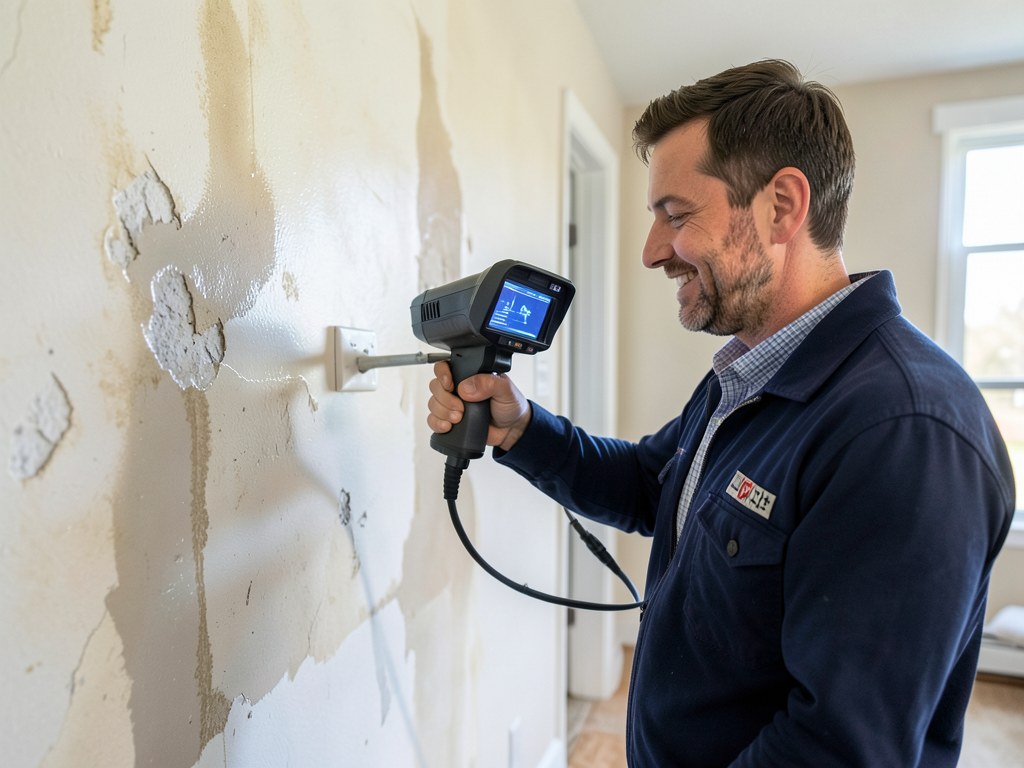
Professional mold inspectors use specialized equipment including moisture meters, thermal imaging cameras, and air quality testing devices. They interpret results within the context of your home’s construction, climate conditions, and moisture history.
Air quality testing by professionals measures specific mold spore counts and identifies species present. This information determines whether levels exceed normal background concentrations for Dallas-area homes.
Surface sampling using tape lifts or swabs identifies visible mold growth and determines whether cleaning or removal is appropriate. Professionals can distinguish between active growth and residual staining.
Professional inspectors provide detailed reports with remediation recommendations, cost estimates, and documentation useful for insurance claims or real estate transactions.
Texas Mold Remediation Regulations
Texas maintains specific regulations for mold assessment and remediation through the Texas Department of State Health Services. Understanding these requirements helps homeowners make informed decisions. EPA mold guide.
The Texas Mold Assessment and Remediation Rules require licensing for companies performing mold-related work. Mold assessment consultants must hold separate licenses from remediation contractors to prevent conflicts of interest.
Containment protocols follow strict guidelines. Remediation areas must be sealed with plastic sheeting and negative air pressure maintained to prevent spore spread. Air scrubbers with HEPA filtration clean the air during removal operations.
Personal protective equipment requirements include respirators, gloves, eye protection, and disposable coveralls. Workers must follow decontamination procedures when leaving containment areas.
Clearance testing verifies remediation success. Independent assessors must confirm that spore counts return to normal levels before containment removal. This testing prevents premature reconstruction that could trap moisture or mold.
Documentation requirements include detailed work plans, daily progress logs, and final clearance reports. These documents prove compliance with state regulations and satisfy insurance company requirements.
When to Call a Professional Immediately
Certain mold situations require immediate professional intervention to protect health and prevent property damage. Recognizing these scenarios helps you act quickly.
Large visible growth areas exceeding 10 square feet indicate established colonies that have likely spread beyond visible surfaces. Professional remediation becomes necessary when mold covers multiple wall or ceiling areas.
Category 3 water damage from sewage backups, flooding, or long-term leaks requires specialized handling. This water contains harmful bacteria and pathogens that make DIY cleanup dangerous.
Health symptoms affecting multiple household members suggest widespread mold contamination. When several people experience similar respiratory or allergic symptoms that improve away from home, professional assessment becomes urgent.
Structural damage from prolonged moisture exposure threatens building integrity. Warped framing, rotted floor joists, or crumbling drywall indicate advanced deterioration requiring immediate attention.
Real estate transactions often require professional mold inspection. Buyers and sellers need certified reports documenting mold conditions and remediation work for legal and financial protection.
Preventing Mold Growth in Dallas Homes
Prevention costs far less than remediation. Dallas homeowners can implement several strategies to reduce mold risk based on local climate conditions.
Humidity control forms the foundation of prevention. Maintain indoor relative humidity between 30-50% using dehumidifiers during summer months. Air conditioning systems should run continuously rather than being cycled on and off.
Ventilation improvements reduce moisture accumulation. Install and use exhaust fans in bathrooms and kitchens. Ensure attic ventilation meets current building codes with proper intake and exhaust venting.
Moisture barrier installation protects vulnerable areas. Crawlspaces need 6-mil polyethylene vapor barriers covering the entire floor. Attics require proper insulation to prevent condensation on roof decking.
Regular maintenance catches problems early. Inspect roof annually for damaged shingles or flashing. Check plumbing fixtures quarterly for small leaks. Clean HVAC condensate lines monthly during cooling season.
Landscaping modifications direct water away from foundations. Grade soil to slope away from the house at 1/4 inch per foot for at least 6 feet. Extend downspouts to discharge water at least 5 feet from the foundation.
Insurance Coverage for Mold Damage
Understanding insurance coverage helps Dallas homeowners make informed decisions about mold prevention and remediation investments.
Standard homeowners insurance policies typically exclude mold damage unless caused by a covered peril like sudden pipe bursts or appliance failures. Slow leaks and maintenance-related issues usually receive no coverage. What to Do When a Pipe Bursts in Your North Dallas Kitchen.
Water damage coverage depends on the water category. Category 1 clean water from broken supply lines receives coverage if addressed quickly. Category 2 grey water and Category 3 black water have different coverage limitations.
Additional mold endorsements provide limited coverage for remediation costs. These endorsements typically cap coverage at $10,000-$25,000 and exclude certain mold types or causes.
Flood insurance through the National Flood Insurance Program covers mold resulting from covered flood events. However, standard flood policies exclude mold damage from other causes.
Documentation requirements for claims include professional inspection reports, remediation plans, and before/after photographs. Insurance companies often require estimates from licensed contractors before approving coverage.
DIY Mold Cleaning: What’s Safe and What’s Not
Homeowners can address small mold problems safely with proper precautions and techniques. Understanding limitations prevents dangerous situations.
Safe DIY cleaning applies to areas under 10 square feet on non-porous surfaces. Bathroom tile, glass, and metal can be cleaned with commercial mold removers or a solution of one cup bleach per gallon of water.
Porous materials require different approaches. Mold growing on drywall, ceiling tiles, or carpet typically requires removal rather than cleaning. The hyphae penetrate deep into porous materials where surface cleaning cannot reach.
Safety precautions protect DIY cleaners. Wear N-95 respirators, gloves, and eye protection. Contain the work area with plastic sheeting to prevent spore spread. Use HEPA vacuums to clean up debris.
Ventilation during cleaning prevents exposure to cleaning chemicals and disturbed spores. Open windows and use fans to exhaust air outside rather than recirculating it through the home.
Never mix cleaning chemicals. Combining bleach with ammonia or acids produces toxic gases. Read product labels carefully and use only recommended combinations.
Cost Factors for Professional Mold Remediation
Understanding cost factors helps Dallas homeowners budget for potential mold remediation. Several variables affect final pricing.
Area size directly impacts cost. Small areas under 100 square feet might cost $500-$1,500. Medium areas between 100-500 square feet range from $1,500-$5,000. Large areas over 500 square feet can exceed $10,000.
Mold type affects remediation complexity. Toxic black mold requires more extensive containment and disposal procedures than common allergenic molds. Some species require specialized cleaning agents or disposal methods.
Material types influence removal difficulty. Mold in HVAC systems requires specialized cleaning equipment and procedures. Mold in wall cavities may require demolition and reconstruction.
Accessibility challenges increase labor costs. Mold in crawlspaces, attics, or behind built-in features requires more time and specialized equipment than easily accessible areas.
Testing and clearance requirements add costs but provide verification. Professional testing before and after remediation ensures complete removal and prevents costly callbacks.
Long-term Health Effects of Mold Exposure
Understanding potential health consequences motivates Dallas homeowners to address mold problems promptly rather than hoping symptoms will resolve on their own.
Chronic respiratory conditions develop from prolonged exposure. Asthma symptoms worsen and new cases develop in previously healthy individuals. Chronic bronchitis and recurring sinus infections become common.
Neurological effects include memory problems, difficulty concentrating, and mood changes. Some mold species produce mycotoxins that can cross the blood-brain barrier and affect cognitive function.
Immune system impacts make people more susceptible to other illnesses. Chronic mold exposure can suppress immune function, leading to more frequent colds, flu, and other infections.
Sensitivities develop over time. People who initially experience mild symptoms may develop severe reactions with continued exposure. Once sensitized, individuals may react to much lower mold concentrations.
Children and elderly individuals face higher risks for long-term effects. Developing immune systems in children and weakened immune systems in elderly people cannot handle mold exposure as effectively as healthy adults.
Frequently Asked Questions
How can I tell if that musty smell is actually mold?
The musty smell comes from microbial volatile organic compounds released by active mold growth. If the smell persists in specific areas, worsens with humidity, or causes allergic symptoms, it likely indicates mold. Professional testing can confirm whether mold or another source causes the odor.
Is mold dangerous to my health?
Mold exposure can cause respiratory issues, allergic reactions, and other health problems, especially in people with asthma, allergies, or weakened immune systems. Some mold species produce mycotoxins that can cause more severe symptoms. Children, elderly individuals, and people with chronic illnesses face higher risks.
How much does professional mold remediation cost in Dallas?
Costs vary based on area size, mold type, and accessibility. Small areas might cost $500-$1,500, while extensive remediation can exceed $10,000. Most Dallas homeowners pay between $2,000-$5,000 for professional mold removal. Testing adds $300-$600 to the total cost.
Can I clean mold myself or do I need a professional?
Small areas under 10 square feet on non-porous surfaces can be cleaned safely with proper precautions. Larger areas, porous materials, or toxic mold types require professional remediation. Texas law requires licensed professionals for mold removal in most commercial settings and large residential areas.
How long does mold remediation take?
Small remediation projects finish in 1-2 days. Medium projects take 3-5 days including testing and drying time. Large or complex projects may require 1-2 weeks. The timeline depends on area size, mold type, material removal needs, and clearance testing requirements.
Take Action Before the Problem Spreads
That musty smell in your Bishop Arts District home won’t disappear on its own. Mold continues growing and spreading until you address the underlying moisture problem and remove the contamination.
Delaying action allows mold to penetrate deeper into building materials, making remediation more expensive and time-consuming. What starts as a simple cleaning project becomes a major reconstruction effort when mold damages structural components.
Professional mold inspection provides peace of mind and protects your family’s health. Licensed inspectors identify hidden problems, determine the full extent of contamination, and recommend appropriate remediation strategies.
Don’t let that musty odor become a serious health hazard or structural problem. Call (972) 886-5955 today to schedule your inspection. Our certified technicians understand Dallas’s unique climate challenges and can develop a remediation plan that addresses both the symptoms and the source of your mold problem.
Pick up the phone and call (972) 886-5955 before the next storm hits. Your family’s health and your home’s value depend on addressing mold problems promptly and professionally.
Resources for Dallas Homeowners
Several organizations provide information about mold prevention, remediation, and health effects. These resources help you make informed decisions about addressing mold problems.
The Texas Department of State Health Services maintains regulations and licensing requirements for mold professionals. Their website provides information about your rights as a consumer and what to expect from licensed contractors.. Read more about Getting Rid of Mold in Your Highland Park Home the Right Way.
The Environmental Protection Agency offers comprehensive guides about mold cleanup, moisture control, and health effects. Their resources include specific recommendations for different building types and climate conditions.
The Centers for Disease Control and Prevention provides health information about mold exposure, including symptoms, risk factors, and when to seek medical attention. Their resources help you understand when mold exposure requires medical evaluation.
Local building departments can provide information about construction requirements, ventilation standards, and moisture control techniques specific to Dallas’s climate and building practices.
Conclusion
That musty smell in your Bishop Arts District home deserves attention rather than dismissal. Dallas’s humid climate creates conditions where small moisture problems become major mold infestations within days rather than weeks.
Understanding the warning signs helps you identify problems early when remediation costs less and causes minimal disruption. Recognizing the health risks motivates prompt action to protect your family’s wellbeing.. Read more about Signs Your Chimney Is Letting Water Into Your Highland Park Living Room.
Professional inspection and remediation provide the most reliable solution for established mold problems. Licensed contractors understand Texas regulations, use proper containment procedures, and provide documentation useful for insurance claims and real estate transactions.
Prevention remains the most cost-effective approach. Controlling humidity, maintaining ventilation, and addressing moisture problems promptly prevents the conditions that allow mold to thrive.
Your home should smell fresh and clean, not musty and damp. Take action today to identify and eliminate mold problems before they affect your health or damage your property. Call (972) 886-5955 now to schedule your professional mold inspection and take the first step toward a healthier home environment.
{
“@context”: “https://schema.org”,
“@type”: “BlogPosting”,
“headline”: “Is That Musty Smell in Your Bishop Arts District Home Actually Mold?”,
“description”: “That musty smell in your Bishop Arts District home could be mold. Learn the warning signs, Dallas-specific causes, and when to call a licensed mold remediator.”,
“wordCount”: 3550,
“datePublished”: “2026-03-14T11:56:00.000Z”,
“dateModified”: “2026-03-14T11:56:00.000Z”,
“inLanguage”: “en-US”,
“mainEntityOfPage”: {
“@type”: “WebPage”,
“@id”: “https://peakwaterdamagerestorationdallas.com”
},
“publisher”: {
“@type”: “LocalBusiness”,
“name”: “Peak Water Damage Restoration Dallas”,
“url”: “https://peakwaterdamagerestorationdallas.com”
},
“author”: {
“@type”: “Organization”,
“name”: “Peak Water Damage Restoration Dallas”,
“url”: “https://peakwaterdamagerestorationdallas.com”
},
“image”: {
“@type”: “ImageObject”,
“url”: “https://peakwaterdamagerestorationdallas.com/wp-content/uploads/2026/03/is-that-musty-smell-in-your-bishop-arts-district-h-1.png”
}
}
{
“@context”: “https://schema.org”,
“@type”: “LocalBusiness”,
“name”: “Peak Water Damage Restoration Dallas”,
“url”: “https://peakwaterdamagerestorationdallas.com”,
“address”: {
“@type”: “PostalAddress”,
“addressLocality”: “Dallas”
},
“areaServed”: {
“@type”: “City”,
“name”: “Dallas”
}
}
{
“@context”: “https://schema.org”,
“@type”: “FAQPage”,
“mainEntity”: [
{
“@type”: “Question”,
“name”: “How can I tell if that musty smell is actually mold?”,
“acceptedAnswer”: {
“@type”: “Answer”,
“text”: “The musty smell comes from microbial volatile organic compounds released by active mold growth. If the smell persists in specific areas, worsens with humidity, or causes allergic symptoms, it likely indicates mold. Professional testing can confirm whether mold or another source causes the odor.”
}
},
{
“@type”: “Question”,
“name”: “Is mold dangerous to my health?”,
“acceptedAnswer”: {
“@type”: “Answer”,
“text”: “Mold exposure can cause respiratory issues, allergic reactions, and other health problems, especially in people with asthma, allergies, or weakened immune systems. Some mold species produce mycotoxins that can cause more severe symptoms. Children, elderly individuals, and people with chronic illnesses face higher risks.”
}
},
{
“@type”: “Question”,
“name”: “How much does professional mold remediation cost in Dallas?”,
“acceptedAnswer”: {
“@type”: “Answer”,
“text”: “Costs vary based on area size, mold type, and accessibility. Small areas might cost $500-$1,500, while extensive remediation can exceed $10,000. Most Dallas homeowners pay between $2,000-$5,000 for professional mold removal. Testing adds $300-$600 to the total cost.”
}
},
{
“@type”: “Question”,
“name”: “Can I clean mold myself or do I need a professional?”,
“acceptedAnswer”: {
“@type”: “Answer”,
“text”: “Small areas under 10 square feet on non-porous surfaces can be cleaned safely with proper precautions. Larger areas, porous materials, or toxic mold types require professional remediation. Texas law requires licensed professionals for mold removal in most commercial settings and large residential areas.”
}
},
{
“@type”: “Question”,
“name”: “How long does mold remediation take?”,
“acceptedAnswer”: {
“@type”: “Answer”,
“text”: “Small remediation projects finish in 1-2 days. Medium projects take 3-5 days including testing and drying time. Large or complex projects may require 1-2 weeks. The timeline depends on area size, mold type, material removal needs, and clearance testing requirements.”
}
}
]
}
{
“@context”: “https://schema.org”,
“@type”: “BreadcrumbList”,
“itemListElement”: [
{
“@type”: “ListItem”,
“position”: 1,
“name”: “Home”,
“item”: “https://peakwaterdamagerestorationdallas.com”
},
{
“@type”: “ListItem”,
“position”: 2,
“name”: “Blog”,
“item”: “https://peakwaterdamagerestorationdallas.com/blog”
},
{
“@type”: “ListItem”,
“position”: 3,
“name”: “Is That Musty Smell in Your Bishop Arts District Home Actually Mold?”
}
]
}
{
“@context”: “https://schema.org”,
“@type”: “Service”,
“serviceType”: “Water Damage Restoration”,
“provider”: {
“@type”: “LocalBusiness”,
“name”: “Peak Water Damage Restoration Dallas”,
“url”: “https://peakwaterdamagerestorationdallas.com”
},
“areaServed”: {
“@type”: “City”,
“name”: “Dallas”
},
“description”: “That musty smell in your Bishop Arts District home could be mold. Learn the warning signs, Dallas-specific causes, and when to call a licensed mold remediator.”
}