
Health Risks and Safety Precautions After a Flood in Your Dallas Home
Floodwater in your Dallas home creates immediate health threats that can escalate within hours. Standing water breeds bacteria and mold that cause respiratory problems and skin infections. The high humidity in North Texas accelerates these dangers making quick action essential for protecting your family’s health. Emergency Water Removal Services for Dallas Homeowners Available Right Now.
Category 3 black water from sewage backups or storm flooding carries E. coli Salmonella and other pathogens that multiply rapidly. These microorganisms can cause severe gastrointestinal illness and infections. Professional water damage restoration teams use specialized equipment to remove contaminated water and prevent long-term health issues. Trustworthy Water Damage Restoration Services in Preston Hollow.
Immediate Health Threats The 24-48 Hour Window
Water damage creates a race against time for your health. Within the first 24 hours bacteria begin multiplying in standing water. By 48 hours mold spores activate and release mycotoxins into the air. These microscopic particles trigger asthma attacks and allergic reactions even in healthy adults. Quick Water Damage Cleanup for Uptown Dallas Condos and Apartments.
The smell of damp materials indicates microbial growth already underway. Musty odors mean mold colonies are forming behind walls and under flooring. Your nose detects these compounds at levels that can cause headaches dizziness and fatigue. Children elderly people and those with respiratory conditions face the highest risk during this critical window.. Read more about Keeping Your Pets Safe During a Water Damage Cleanup and Restoration.
Standing water also attracts pests that carry additional diseases. Mosquitoes breed in as little as one tablespoon of water. Rodents seek shelter in flooded structures bringing hantavirus and other illnesses. The combination of water damage and pest infestation creates a perfect storm for health problems. Water Damage Restoration Addison.
Water Categories and Pathogenic Risks
Not all floodwater carries the same health risks. The Institute of Inspection Cleaning and Restoration Certification (IICRC) defines three water categories based on contamination levels. Understanding these categories helps you assess the danger in your home.
| Water Category | Source Examples | Health Pathogens Present | Time to Professional Treatment |
|---|---|---|---|
| Category 1 Clean Water | Broken water supply lines rainwater | Minimal bacteria | 24-48 hours |
| Category 2 Gray Water | washing machine discharge dishwasher leaks | E. coli Salmonella | 24 hours |
| Category 3 Black Water | Sewer backups flooding rivers | Multiple pathogens | Immediate |
Category 3 black water poses the most severe health risks. This water contains sewage chemicals and other contaminants that cause serious illness. Dallas homes near the Trinity River watershed face higher risks during heavy rainfall when storm drains back up into basements and crawl spaces.
Even clean water becomes hazardous when it contacts building materials. Drywall insulation and carpeting absorb water creating perfect environments for bacterial growth. The longer water sits the more dangerous it becomes regardless of the original source.
Mold and Mycotoxins in Texas Climates
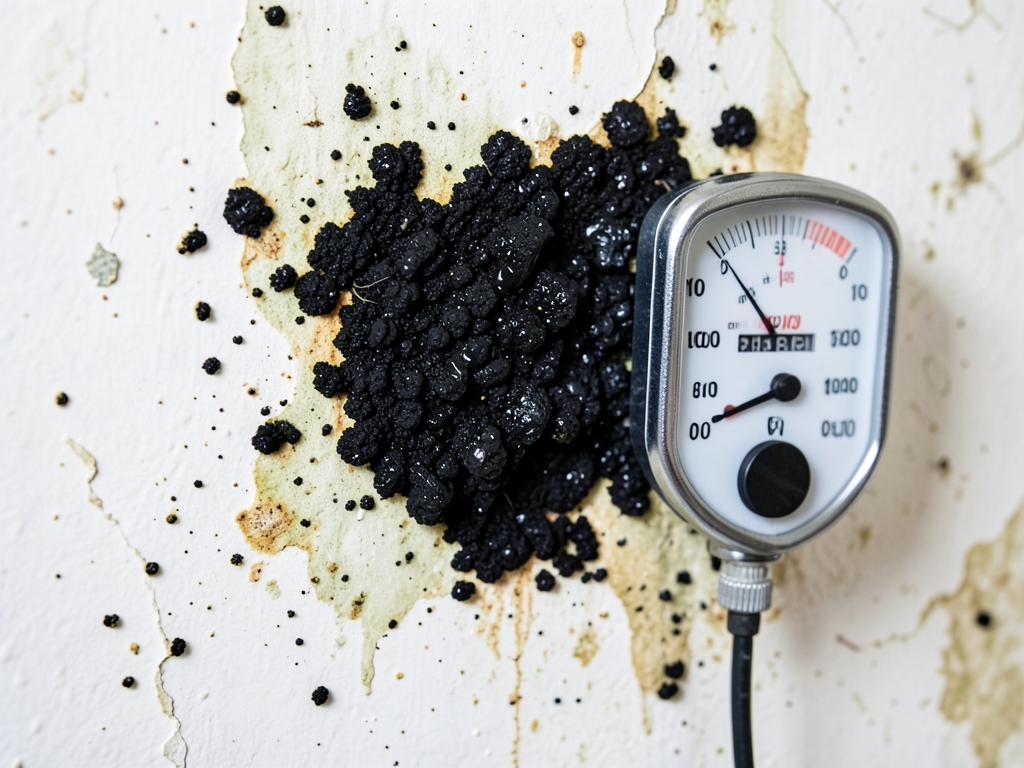
Dallas humidity levels averaging 65-70% year-round create ideal conditions for mold growth. Stachybotrys chartarum commonly called black mold thrives in these conditions. This toxic mold produces mycotoxins that cause respiratory distress neurological symptoms and immune system suppression.
Mold begins growing within 24-48 hours of water exposure. The microscopic spores spread through your home’s air ducts contaminating multiple rooms. You cannot simply wipe away mold growth. The root structures penetrate deep into porous materials requiring professional remediation.
Common mold exposure symptoms include:
- Chronic coughing and wheezing
- Sinus infections that won’t clear
- Skin rashes and irritation
- Headaches and memory problems
- Fatigue and weakness
Children and elderly family members experience more severe reactions. People with asthma allergies or compromised immune systems may require hospitalization from mold exposure. The Texas Department of State Health Services reports increased respiratory emergency room visits following major flooding events in North Texas. EPA Mold Resources.
Long-Term Respiratory and Neurological Impacts
Water damage creates long-term health consequences that persist months after cleanup. Damp building materials continue releasing volatile organic compounds (VOCs) into your indoor air. These chemicals cause chronic respiratory problems and neurological symptoms that mimic other conditions making diagnosis difficult.
Common long-term effects include:
- Chronic bronchitis and recurring pneumonia
- Asthma development in previously healthy individuals
- Memory loss and concentration problems
- Depression and anxiety disorders
- Skin conditions like eczema and dermatitis
The phenomenon known as Sick Building Syndrome affects people who spend extended time in water-damaged structures. Symptoms worsen when you’re home and improve when you leave indicating your house itself causes the health problems. Many Dallas residents report these symptoms months after flood events before discovering hidden mold growth.
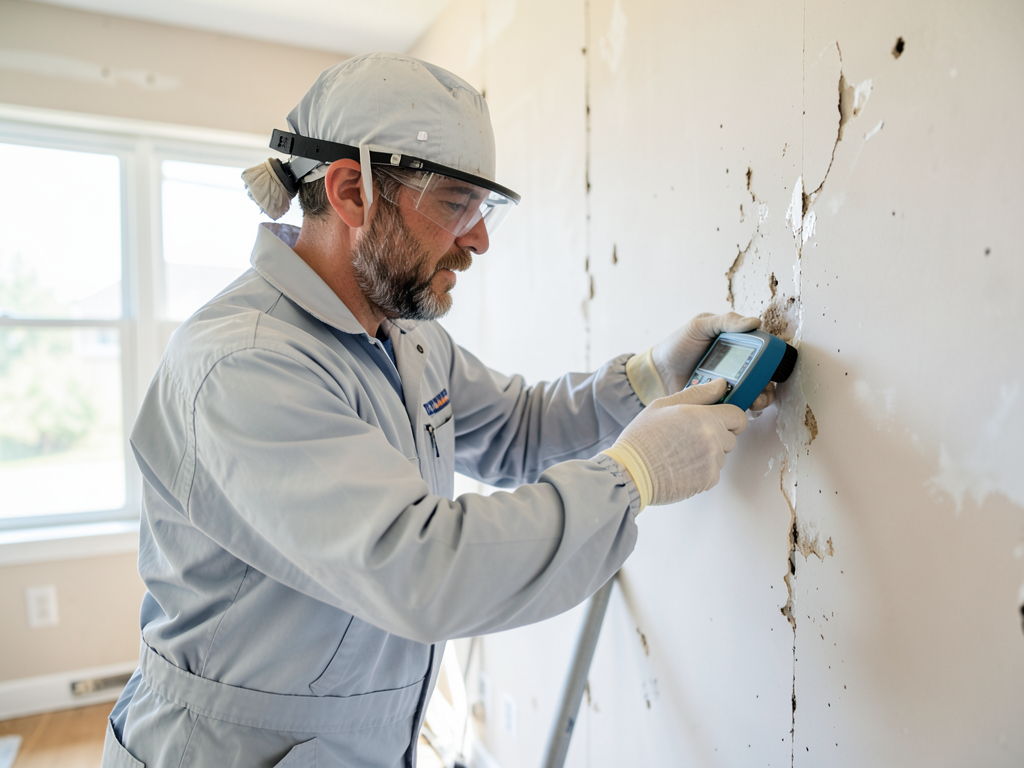
Professional air quality testing reveals contamination levels that visual inspection cannot detect. Moisture meters and thermal imaging cameras identify problem areas behind walls and under floors. These diagnostic tools prove essential for protecting your family’s long-term health.
Dallas-Specific Environmental Factors
Dallas soil composition creates unique water damage challenges. The Blackland Prairie region features expansive clay soil that swells when wet and shrinks when dry. This movement causes foundation cracks that allow water intrusion during heavy rains. Many homes in Addison and Coppell experience this seasonal foundation movement.
Local building codes address these specific risks. The City of Dallas requires moisture barriers and proper drainage systems for new construction. However older homes built before these requirements often lack adequate protection. Homes near White Rock Lake and other water bodies face additional flood risks during storm events.
North Texas temperature extremes compound water damage problems. Summer heat accelerates mold growth while winter freezes cause pipe bursts. The Texas Commission on Environmental Quality mandates specific remediation standards for contaminated water to protect public health. Professional restoration companies follow these guidelines to ensure safe cleanup. What to Do When a Pipe Bursts in Your North Dallas Kitchen.
Dallas Health and Human Services tracks respiratory illness patterns following flooding events. Their data shows increased emergency room visits for asthma and respiratory infections in affected neighborhoods. This public health monitoring underscores the serious nature of water damage beyond property loss.
Safety Checklist When to Evacuate
Certain water damage situations require immediate evacuation to protect your family’s health. Use this checklist to determine if your home is currently safe or if you need to leave immediately.
Evacuate immediately if you observe:
- Visible sewage or black water contamination
- Strong musty odors throughout multiple rooms
- Standing water near electrical outlets or appliances
- Structural damage like sagging ceilings or walls
- Visible mold growth covering more than 10 square feet
Call (972) 886-5955 for emergency water damage assessment if you experience:
- Water damage affecting multiple rooms
- Category 2 or 3 water contamination
- Flooding that reached electrical systems
- Water damage in homes with elderly or immunocompromised residents
Document everything before cleanup begins. Take photos of all damaged areas including water levels and visible contamination. This documentation proves essential for insurance claims and potential health-related compensation. Keep all receipts for temporary housing and medical expenses related to water damage exposure.
Professional restoration teams wear personal protective equipment including respirators gloves and Tyvek suits when handling contaminated materials. This equipment protects them from the same hazards your family faces. If professionals need protection the environment is not safe for unprotected occupants.
Professional Remediation Standards and Your Health
The IICRC S500 Standard for Professional Water Damage Restoration provides specific guidelines for safe cleanup. These standards require proper containment negative air pressure and HEPA filtration to prevent cross-contamination. Following these protocols protects both the restoration team and your family from exposure to harmful contaminants.
Professional remediation includes:
- Category 1 water extraction within 24 hours
- Antimicrobial treatment of affected surfaces
- Structural drying to industry standards
- Post-remediation verification testing
DIY cleanup methods often spread contamination rather than eliminate it. Household fans and shop vacuums cannot achieve the moisture removal levels required for safe restoration. Professional-grade dehumidifiers and air movers remove moisture from deep within building materials preventing future mold growth.
Insurance companies often require professional documentation of water damage and remediation. This documentation includes moisture readings material removal logs and clearance testing results. Without this documentation you may face denied claims or future liability if health problems develop later.
Preventing Future Water Damage Health Risks
Prevention costs less than emergency remediation and protects your family’s health long-term. Regular maintenance of plumbing systems prevents many common water damage scenarios. Annual inspections identify potential problems before they cause health-threatening contamination.
Key prevention steps include:
- Installing water leak detection systems
- Maintaining proper drainage around your foundation
- Cleaning gutters and downspouts regularly
- Checking washing machine and dishwasher connections
- Inspecting roof for damage after storms
Consider installing whole-house water shutoff valves that automatically stop water flow when leaks are detected. These systems prevent small leaks from becoming major health hazards. Many Dallas homeowners insurance companies offer premium discounts for these preventive measures.
Educate your family about water damage warning signs. Musty odors water stains and increased allergy symptoms indicate potential problems. Early detection allows for quick professional intervention preventing the health risks associated with prolonged water exposure.
Frequently Asked Questions
How quickly does mold grow after water damage?
Mold begins growing within 24-48 hours of water exposure. The warm humid conditions in Dallas accelerate this growth making quick water removal essential for preventing mold-related health problems.
Can I clean up floodwater myself if it looks clean?
No. Even clean-looking water becomes contaminated when it contacts building materials. Professional assessment determines the actual contamination level and ensures proper safety protocols are followed to protect your health.
What health symptoms indicate water damage exposure?
Common symptoms include respiratory problems skin irritation headaches and fatigue. These symptoms often worsen when you’re home and improve when you leave indicating your house causes the health issues.
How do I know if water damage is making me sick?
Track your symptoms over time. If respiratory problems skin conditions or neurological symptoms improve when you leave home and worsen upon return water damage likely causes your health issues. Professional air quality testing confirms contamination levels.
Is mold testing necessary after water damage?
Yes. Mold testing identifies hidden contamination that visual inspection cannot detect. This testing proves essential for ensuring your home is safe for occupancy especially for vulnerable family members with respiratory conditions or compromised immune systems.
How long should I wait before moving back after water damage?
Wait until professional clearance testing confirms safe moisture levels and air quality. This typically takes 3-7 days for minor damage but may require weeks for extensive contamination. Never rush reoccupancy when health risks are involved.
What should I do if I smell musty odors after cleanup?
Musty odors indicate ongoing mold growth. Contact a professional immediately for assessment. These odors mean harmful spores remain in your home’s air and require professional remediation to protect your family’s health.
Are there long-term health effects from water damage exposure?
Yes. Long-term effects include chronic respiratory problems neurological symptoms and immune system suppression. Some effects may not appear for months after exposure making professional assessment and documentation essential for protecting your family’s future health.
How much does professional water damage remediation cost?
Costs vary based on damage extent contamination level and required services. Professional assessment determines the scope of work needed. Insurance often covers remediation costs when health risks are documented and proper protocols are followed.
Can water damage affect my home’s resale value?
Yes. Undisclosed water damage can significantly reduce property value and create liability issues. Professional documentation of remediation and clearance testing protects your investment and provides peace of mind for future buyers.
Take Action Now to Protect Your Family’s Health
Water damage in your Dallas home creates immediate and long-term health risks that escalate with every hour of delay. The combination of high humidity rapid mold growth and potential contamination from black water makes professional assessment essential for protecting your family’s health.
Don’t wait until symptoms appear. By then damage may be extensive and remediation more costly. Professional water damage restoration teams have the equipment training and experience to safely remove contamination and prevent future health problems.
Call (972) 886-5955 today to schedule your emergency water damage assessment. Our certified technicians will evaluate your home’s safety identify contamination risks and create a remediation plan that protects your family’s health. Available 24/7 for Dallas homeowners who need immediate help with water damage emergencies.
Pick up the phone and call (972) 886-5955 before the next storm hits. Your family’s health depends on quick professional action when water threatens your home. Don’t risk long-term health problems from inadequate cleanup or delayed response to water damage emergencies. For more information, visit CDC Mold Information.
{
“@context”: “https://schema.org”,
“@type”: “BlogPosting”,
“headline”: “Health Risks and Safety Precautions After a Flood in Your Dallas Home”,
“description”: “Discover the hidden health dangers of floodwater in Dallas homes and learn critical safety steps. Get expert restoration advice from local professionals.”,
“wordCount”: 2057,
“datePublished”: “2026-03-19T09:49:00.000Z”,
“dateModified”: “2026-03-19T09:49:00.000Z”,
“inLanguage”: “en-US”,
“mainEntityOfPage”: {
“@type”: “WebPage”,
“@id”: “https://peakwaterdamagerestorationdallas.com”
},
“publisher”: {
“@type”: “LocalBusiness”,
“name”: “Peak Water Damage Restoration Dallas”,
“url”: “https://peakwaterdamagerestorationdallas.com”
},
“author”: {
“@type”: “Organization”,
“name”: “Peak Water Damage Restoration Dallas”,
“url”: “https://peakwaterdamagerestorationdallas.com”
},
“image”: {
“@type”: “ImageObject”,
“url”: “https://peakwaterdamagerestorationdallas.com/wp-content/uploads/2026/03/health-risks-and-safety-precautions-after-a-flood-1.png”
}
}
{
“@context”: “https://schema.org”,
“@type”: “LocalBusiness”,
“name”: “Peak Water Damage Restoration Dallas”,
“url”: “https://peakwaterdamagerestorationdallas.com”,
“address”: {
“@type”: “PostalAddress”,
“addressLocality”: “Dallas”
},
“areaServed”: {
“@type”: “City”,
“name”: “Dallas”
}
}
{
“@context”: “https://schema.org”,
“@type”: “FAQPage”,
“mainEntity”: [
{
“@type”: “Question”,
“name”: “How quickly does mold grow after water damage?”,
“acceptedAnswer”: {
“@type”: “Answer”,
“text”: “Mold begins growing within 24-48 hours of water exposure. The warm humid conditions in Dallas accelerate this growth making quick water removal essential for preventing mold-related health problems.”
}
},
{
“@type”: “Question”,
“name”: “Can I clean up floodwater myself if it looks clean?”,
“acceptedAnswer”: {
“@type”: “Answer”,
“text”: “No. Even clean-looking water becomes contaminated when it contacts building materials. Professional assessment determines the actual contamination level and ensures proper safety protocols are followed to protect your health.”
}
},
{
“@type”: “Question”,
“name”: “What health symptoms indicate water damage exposure?”,
“acceptedAnswer”: {
“@type”: “Answer”,
“text”: “Common symptoms include respiratory problems skin irritation headaches and fatigue. These symptoms often worsen when you’re home and improve when you leave indicating your house causes the health issues.”
}
},
{
“@type”: “Question”,
“name”: “How do I know if water damage is making me sick?”,
“acceptedAnswer”: {
“@type”: “Answer”,
“text”: “Track your symptoms over time. If respiratory problems skin conditions or neurological symptoms improve when you leave home and worsen upon return water damage likely causes your health issues. Professional air quality testing confirms contamination levels.”
}
},
{
“@type”: “Question”,
“name”: “Is mold testing necessary after water damage?”,
“acceptedAnswer”: {
“@type”: “Answer”,
“text”: “Yes. Mold testing identifies hidden contamination that visual inspection cannot detect. This testing proves essential for ensuring your home is safe for occupancy especially for vulnerable family members with respiratory conditions or compromised immune systems.”
}
},
{
“@type”: “Question”,
“name”: “How long should I wait before moving back after water damage?”,
“acceptedAnswer”: {
“@type”: “Answer”,
“text”: “Wait until professional clearance testing confirms safe moisture levels and air quality. This typically takes 3-7 days for minor damage but may require weeks for extensive contamination. Never rush reoccupancy when health risks are involved.”
}
},
{
“@type”: “Question”,
“name”: “What should I do if I smell musty odors after cleanup?”,
“acceptedAnswer”: {
“@type”: “Answer”,
“text”: “Musty odors indicate ongoing mold growth. Contact a professional immediately for assessment. These odors mean harmful spores remain in your home’s air and require professional remediation to protect your family’s health.”
}
},
{
“@type”: “Question”,
“name”: “Are there long-term health effects from water damage exposure?”,
“acceptedAnswer”: {
“@type”: “Answer”,
“text”: “Yes. Long-term effects include chronic respiratory problems neurological symptoms and immune system suppression. Some effects may not appear for months after exposure making professional assessment and documentation essential for protecting your family’s future health.”
}
},
{
“@type”: “Question”,
“name”: “How much does professional water damage remediation cost?”,
“acceptedAnswer”: {
“@type”: “Answer”,
“text”: “Costs vary based on damage extent contamination level and required services. Professional assessment determines the scope of work needed. Insurance often covers remediation costs when health risks are documented and proper protocols are followed.”
}
},
{
“@type”: “Question”,
“name”: “Can water damage affect my home’s resale value?”,
“acceptedAnswer”: {
“@type”: “Answer”,
“text”: “Yes. Undisclosed water damage can significantly reduce property value and create liability issues. Professional documentation of remediation and clearance testing protects your investment and provides peace of mind for future buyers.”
}
}
]
}
{
“@context”: “https://schema.org”,
“@type”: “BreadcrumbList”,
“itemListElement”: [
{
“@type”: “ListItem”,
“position”: 1,
“name”: “Home”,
“item”: “https://peakwaterdamagerestorationdallas.com”
},
{
“@type”: “ListItem”,
“position”: 2,
“name”: “Blog”,
“item”: “https://peakwaterdamagerestorationdallas.com/blog”
},
{
“@type”: “ListItem”,
“position”: 3,
“name”: “Health Risks and Safety Precautions After a Flood in Your Dallas Home”
}
]
}
{
“@context”: “https://schema.org”,
“@type”: “Service”,
“serviceType”: “Water Damage Restoration”,
“provider”: {
“@type”: “LocalBusiness”,
“name”: “Peak Water Damage Restoration Dallas”,
“url”: “https://peakwaterdamagerestorationdallas.com”
},
“areaServed”: {
“@type”: “City”,
“name”: “Dallas”
},
“description”: “Discover the hidden health dangers of floodwater in Dallas homes and learn critical safety steps. Get expert restoration advice from local professionals.”
}