
How Long Does the Professional Water Drying Process Usually Take?
When Dallas homeowners face water damage, the first question is always the same: how long will this take? The answer depends on several factors, but most professional drying jobs follow a predictable 3-to-5 day timeline. This guide breaks down exactly what happens each day, what affects the schedule, and why cutting corners invites bigger problems. Emergency Water Removal Services for Dallas Homeowners Available Right Now.
The Standard Water Damage Drying Timeline
Professional water restoration follows a methodical process based on IICRC S500 standards. The timeline varies by water category and material type, but here’s what Dallas homeowners can typically expect: IICRC S500 standards.
| Day | Primary Activity | What You’ll See |
|---|---|---|
| 1 | Emergency Extraction & Assessment | Water removal, moisture mapping, setup of drying equipment |
| 2-3 | Active Evaporation Phase | High-velocity air movers running, dehumidifiers collecting water |
| 4-5 | Final Drying & Verification | Equipment removal after moisture content readings confirm dryness |
The 3-to-5 day window assumes Category 1 water (clean source) affecting standard materials. Gray water or black water, hardwood floors, or extensive flooding can extend this timeline significantly. Trustworthy Water Damage Restoration Services in Preston Hollow.
Factors That Affect Drying Time in Dallas Homes
Several variables influence how quickly your property dries. Understanding these helps set realistic expectations: Quick Water Damage Cleanup for Uptown Dallas Condos and Apartments.
Material Type and Porosity
Different building materials absorb and release water at vastly different rates. This table shows typical drying times for common Dallas home materials:. Read more about Keeping Your Pets Safe During a Water Damage Cleanup and Restoration.
| Material | Drying Time (Days) | Why It Matters |
|---|---|---|
| Standard drywall | 3-4 | Quick absorption, moderate release |
| Hardwood flooring | 5-7 | Can take weeks if water penetrates subfloor |
| Carpet and pad | 2-3 | Fast extraction, but pad may need replacement |
| Concrete slab | 4-6 | Appears dry but holds moisture deep in pores |
Dallas Climate Impact
North Texas humidity plays a major role in drying times. During Dallas summers, outdoor relative humidity often exceeds 70%, which means dehumidifiers must work harder to create the dry air needed for evaporation. This can add 24-48 hours to the standard timeline. What to Do When a Pipe Bursts in Your North Dallas Kitchen.
Winter freeze-thaw cycles also affect drying. When pipes burst during a Dallas freeze, the cold air actually slows evaporation initially. Professional restorers compensate by using supplemental heat sources and industrial-grade LGR (low-grain refrigerant) dehumidifiers that extract more moisture from the air.. Read more about Deciding If You Should Stay in Your Home During Water Damage Restoration.
Water Category Classification
The IICRC categorizes water damage into three types, each affecting the timeline differently:. Read more about The Difference Between Water Mitigation and Full Restoration in Coppell.
- Category 1: Clean water from supply lines or rain. Standard 3-5 day timeline.
- Category 2: Gray water from appliances or clean water left sitting over 48 hours. May require antimicrobial treatment and extend drying to 5-7 days.
- Category 3: Black water from sewage or flooding. Requires complete removal of affected materials, often extending the project to 7+ days.
The Science Behind Professional Drying
Professional water restoration isn’t just about running fans. It’s based on psychrometric science – the study of air and moisture properties. Here’s what happens on a technical level:
Water removal follows this sequence: extraction, evaporation, dehumidification. Extraction removes the bulk liquid – often 500-1000 gallons from a typical Dallas home flood. But the remaining moisture in materials must be converted to vapor and then removed from the air.
High-velocity air movers create a boundary layer of dry air across wet surfaces, accelerating evaporation. LGR dehumidifiers then capture this moisture-laden air, condensing it back to liquid water that gets pumped away. The process continues until moisture content readings across all affected materials fall below 16% – the threshold where mold cannot establish.
Technicians use moisture meters and thermal imaging cameras to verify dryness. A surface may feel dry to touch but still contain 20-25% moisture content – enough to support mold growth in Dallas’s humid climate.
Risks of Rushing the Drying Process
Homeowners often ask if they can speed up the process. The answer is no – and here’s why rushing creates bigger problems:
Mold begins growing within 24-48 hours of water exposure. In Dallas’s climate, this timeline shrinks to 18-24 hours for Category 2 or 3 water. If drying equipment is removed too early, hidden moisture pockets become mold breeding grounds behind walls and under floors.. Read more about The Hidden Risks of Secondary Water Damage You Might Not Notice at First.
Secondary damage occurs when materials dry too quickly or unevenly. Hardwood floors can cup and buckle. Drywall can crack. Even concrete can spall if surface moisture is removed while deeper moisture remains trapped. Saving Your Hardwood Floors After Water Damage in Dallas.
Insurance complications arise when homeowners attempt DIY drying. Most policies require professional documentation of the drying process. Without moisture readings and proper equipment logs, claims for secondary damage may be denied.
What Dallas Homeowners Should Expect Day-by-Day
Understanding the daily progression helps homeowners plan accordingly:
- Day 1: Emergency Response
Technicians arrive within 2 hours, extract standing water using truck-mounted extraction units, and set up drying equipment. Moisture mapping identifies all affected areas, including those not visible to the naked eye.
- Day 2: Active Drying Begins
Air movers and dehumidifiers run continuously. You’ll hear the equipment running 24/7. Technicians may need to move furniture or remove baseboards to access hidden moisture.
- Day 3: Progress Monitoring
Daily moisture readings show progress. Some areas may already be dry while others need more time. The process is data-driven, not calendar-driven.
- Day 4-5: Final Verification
Moisture content readings across all materials confirm dryness. Equipment removal begins only after all areas pass inspection standards.
Frequently Asked Questions
Can I stay in my home during the drying process?
Yes, for Category 1 water damage affecting limited areas. The equipment noise is the main inconvenience. For Category 2 or 3 water, or whole-house flooding, temporary relocation is safer and often required by insurance.. Read more about Dealing with Pool Backflow and Flooding for Plano Backyard Owners.
Will my insurance pay for extra drying days?
Most policies cover professional drying as part of water damage restoration. The key is proper documentation. Reputable companies provide daily moisture logs and equipment usage reports that insurance adjusters require.
How do I know it’s actually dry?
Trust the data, not your senses. Professional restorers use moisture meters that measure content within materials, not just surface moisture. They also provide written verification that all affected areas meet industry dryness standards.
What if I can’t afford professional drying?
DIY drying often costs more long-term. The average mold remediation in Dallas runs $3,000-$6,000 – far exceeding professional drying costs. Many companies offer payment plans or work directly with insurance.
Call (972) 886-5955 Before Secondary Damage Sets In
Water damage doesn’t wait, and neither should you. Every hour increases the risk of mold growth and structural damage. Our Dallas-based team arrives within 2 hours with industrial-grade equipment and IICRC-certified technicians who follow strict drying protocols.
Don’t gamble with your home’s integrity or your family’s health. Call (972) 886-5955 now for emergency water extraction and professional drying that gets your home back to normal as quickly as science allows.. Read more about Can You Save Your Family Photos and Documents After Water Damage?.
Peak Water Damage Restoration Dallas – Serving Addison, Coppell, and all North Texas communities with 24/7 emergency response. We don’t just dry your home; we restore your peace of mind.
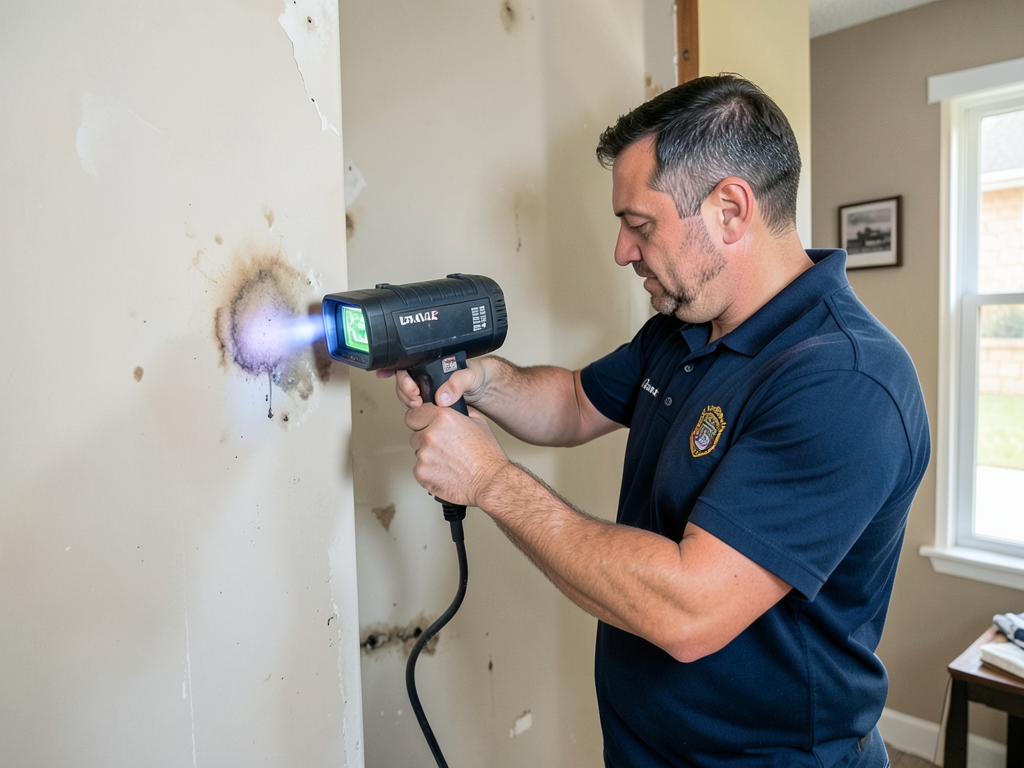
– Technician using thermal imaging camera to detect hidden moisture behind walls in a Dallas home
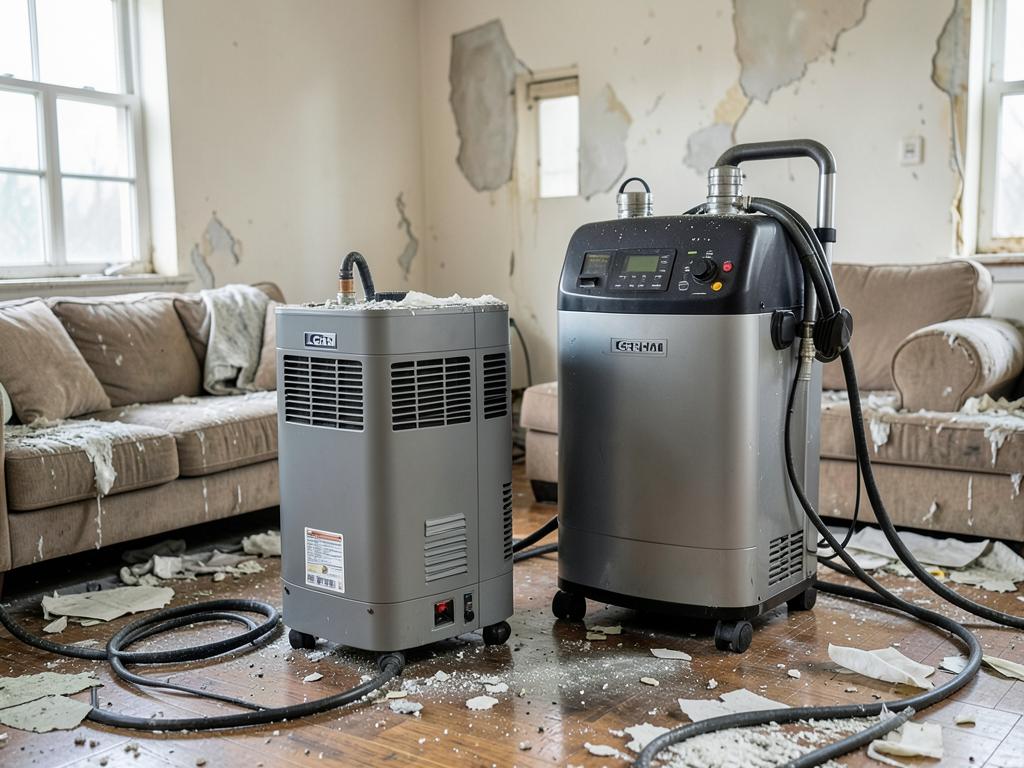
– Industrial LGR dehumidifier and air mover setup in a water-damaged living room
– Moisture meter readings showing progress from Day 1 to Day 4 of the drying process For more information, visit EPA mold information.
{
“@context”: “https://schema.org”,
“@type”: “BlogPosting”,
“headline”: “How Long Does the Professional Water Drying Process Usually Take?”,
“description”: “Dallas homeowners ask how long water drying takes. Learn the 3-5 day timeline, Dallas humidity factors, and why rushing risks mold growth. Call (972) 886-5955.”,
“wordCount”: 1231,
“datePublished”: “2026-03-23T11:16:00.000Z”,
“dateModified”: “2026-03-23T11:16:00.000Z”,
“inLanguage”: “en-US”,
“mainEntityOfPage”: {
“@type”: “WebPage”,
“@id”: “https://peakwaterdamagerestorationdallas.com”
},
“publisher”: {
“@type”: “LocalBusiness”,
“name”: “Peak Water Damage Restoration Dallas”,
“url”: “https://peakwaterdamagerestorationdallas.com”
},
“author”: {
“@type”: “Organization”,
“name”: “Peak Water Damage Restoration Dallas”,
“url”: “https://peakwaterdamagerestorationdallas.com”
},
“image”: {
“@type”: “ImageObject”,
“url”: “https://peakwaterdamagerestorationdallas.com/wp-content/uploads/2026/03/how-long-does-the-professional-water-drying-proces-1.png”
}
}
{
“@context”: “https://schema.org”,
“@type”: “LocalBusiness”,
“name”: “Peak Water Damage Restoration Dallas”,
“url”: “https://peakwaterdamagerestorationdallas.com”,
“address”: {
“@type”: “PostalAddress”,
“addressLocality”: “Dallas”
},
“areaServed”: {
“@type”: “City”,
“name”: “Dallas”
}
}
{
“@context”: “https://schema.org”,
“@type”: “FAQPage”,
“mainEntity”: [
{
“@type”: “Question”,
“name”: “Can I stay in my home during the drying process?”,
“acceptedAnswer”: {
“@type”: “Answer”,
“text”: “Yes, for Category 1 water damage affecting limited areas. The equipment noise is the main inconvenience. For Category 2 or 3 water, or whole-house flooding, temporary relocation is safer and often required by insurance.”
}
},
{
“@type”: “Question”,
“name”: “Will my insurance pay for extra drying days?”,
“acceptedAnswer”: {
“@type”: “Answer”,
“text”: “Most policies cover professional drying as part of water damage restoration. The key is proper documentation. Reputable companies provide daily moisture logs and equipment usage reports that insurance adjusters require.”
}
},
{
“@type”: “Question”,
“name”: “How do I know it’s actually dry?”,
“acceptedAnswer”: {
“@type”: “Answer”,
“text”: “Trust the data, not your senses. Professional restorers use moisture meters that measure content within materials, not just surface moisture. They also provide written verification that all affected areas meet industry dryness standards.”
}
},
{
“@type”: “Question”,
“name”: “What if I can’t afford professional drying?”,
“acceptedAnswer”: {
“@type”: “Answer”,
“text”: “DIY drying often costs more long-term. The average mold remediation in Dallas runs $3,000-$6,000 – far exceeding professional drying costs. Many companies offer payment plans or work directly with insurance.”
}
}
]
}
{
“@context”: “https://schema.org”,
“@type”: “HowTo”,
“name”: “Dallas Water Damage Drying Process”,
“step”: [
{
“@type”: “HowToStep”,
“position”: 1,
“name”: “Day 1: Emergency Response”,
“text”: “Technicians arrive within 2 hours, extract standing water using truck-mounted extraction units, and set up drying equipment. Moisture mapping identifies all affected areas, including those not visible to the naked eye.”
},
{
“@type”: “HowToStep”,
“position”: 2,
“name”: “Day 2: Active Drying Begins”,
“text”: “Air movers and dehumidifiers run continuously. You’ll hear the equipment running 24/7. Technicians may need to move furniture or remove baseboards to access hidden moisture.”
},
{
“@type”: “HowToStep”,
“position”: 3,
“name”: “Day 3: Progress Monitoring”,
“text”: “Daily moisture readings show progress. Some areas may already be dry while others need more time. The process is data-driven, not calendar-driven.”
},
{
“@type”: “HowToStep”,
“position”: 4,
“name”: “Day 4-5: Final Verification”,
“text”: “Moisture content readings across all materials confirm dryness. Equipment removal begins only after all areas pass inspection standards.”
}
],
“image”: “https://peakwaterdamagerestorationdallas.com/wp-content/uploads/2026/03/how-long-does-the-professional-water-drying-proces-1.png”
}
{
“@context”: “https://schema.org”,
“@type”: “BreadcrumbList”,
“itemListElement”: [
{
“@type”: “ListItem”,
“position”: 1,
“name”: “Home”,
“item”: “https://peakwaterdamagerestorationdallas.com”
},
{
“@type”: “ListItem”,
“position”: 2,
“name”: “Blog”,
“item”: “https://peakwaterdamagerestorationdallas.com/blog”
},
{
“@type”: “ListItem”,
“position”: 3,
“name”: “How Long Does the Professional Water Drying Process Usually Take?”
}
]
}
{
“@context”: “https://schema.org”,
“@type”: “Service”,
“serviceType”: “Water Damage Restoration”,
“provider”: {
“@type”: “LocalBusiness”,
“name”: “Peak Water Damage Restoration Dallas”,
“url”: “https://peakwaterdamagerestorationdallas.com”
},
“areaServed”: {
“@type”: “City”,
“name”: “Dallas”
},
“description”: “Dallas homeowners ask how long water drying takes. Learn the 3-5 day timeline, Dallas humidity factors, and why rushing risks mold growth. Call (972) 886-5955.”
}