
The Hidden Risks of Secondary Water Damage You Might Not Notice at First
Secondary water damage happens when moisture spreads beyond the initial leak or flood, creating problems in areas you never touched. In Dallas homes, this often means humidity from a burst pipe in the kitchen causes mold growth in the bedroom or warps hardwood floors in the living room. The damage isn’t visible at first, but within 24-48 hours, you might notice musty odors, bubbling paint, or warped wood. Understanding these hidden risks can save you thousands in structural repairs and prevent health hazards from mold growth. EPA Mold Guidelines.
Primary vs. Secondary Water Damage: Understanding the Difference
Primary water damage occurs immediately when water contacts surfaces. This includes flooded carpets, soaked drywall, and standing water in your basement. Secondary water damage develops later as moisture migrates through the air and materials. Think of it like this: primary damage is the initial flood, while secondary damage is the mold that grows on the other side of the wall three days later. Emergency Water Removal Services for Dallas Homeowners Available Right Now.
Common Signs of Secondary Damage in North Texas Homes
Secondary damage in Dallas homes often shows up as hardwood floor cupping, where boards warp and create uneven surfaces. You might notice dark spots on drywall that weren’t near the original leak, or a persistent musty smell that seems to come from nowhere. The most dangerous sign is when humidity levels stay elevated for days after the initial event, creating perfect conditions for mold spores to activate and spread throughout your home. Saving Your Hardwood Floors After Water Damage in Dallas.
The Role of Humidity and Psychrometry
Dallas’s humid climate makes secondary damage particularly severe. When outdoor relative humidity stays above 60%, as it often does during summer months, moisture from a leak can travel through the air to unaffected rooms. This is why professional restoration teams use psychrometric charts to track moisture movement. The science shows that water vapor naturally moves from wet areas to dry areas until equilibrium is reached, meaning your entire home becomes vulnerable even if only one room flooded. Trustworthy Water Damage Restoration Services in Preston Hollow.
How to Prevent Secondary Damage After a Leak
Preventing secondary damage requires immediate action. First, remove standing water within the first 24 hours using professional-grade extraction equipment. Next, set up industrial dehumidifiers to pull moisture from the air and materials. Finally, use moisture meters to map hidden damp areas behind walls and under floors. The key is maintaining humidity below 50% until all materials return to their normal moisture content, typically 12-14% for wood in Dallas homes. Quick Water Damage Cleanup for Uptown Dallas Condos and Apartments.
Does Insurance Cover Secondary Water Damage?
Insurance coverage for secondary damage depends on how quickly you respond to the initial event. Most policies require homeowners to mitigate damage immediately to prevent it from worsening. If you ignore a small leak for weeks and secondary damage develops, the insurance company may deny coverage, claiming you failed to maintain your property. Professional documentation of the drying process and moisture readings becomes crucial evidence for your claim. Water Damage Restoration Addison.
The Timeline of Secondary Damage Development
Understanding the timeline helps you act before permanent damage occurs. Within 24 hours, drywall begins absorbing moisture from the air, even in rooms that never touched water. By 48 hours, mold spores can activate and start growing on organic materials. At 72 hours, wood floors begin showing permanent warping, and metal surfaces start corroding. This is why emergency response within the first day is critical for preventing thousands in secondary damage repairs.. Read more about The Difference Between Water Mitigation and Full Restoration in Coppell.
Material-Specific Secondary Damage in Texas Homes
Different materials react uniquely to secondary moisture exposure. Engineered hardwood floors in Dallas homes often show cupping within 48 hours of elevated humidity. Drywall acts like a sponge, wicking moisture up to two feet above the water line through capillary action. Carpet padding can hold moisture for weeks, creating hidden mold colonies under your feet. Understanding these material behaviors helps restoration teams target their drying efforts effectively.. Read more about Managing Water Damage in Your Arlington Short Term Rental Property.
Professional Dehumidification and Moisture Mapping
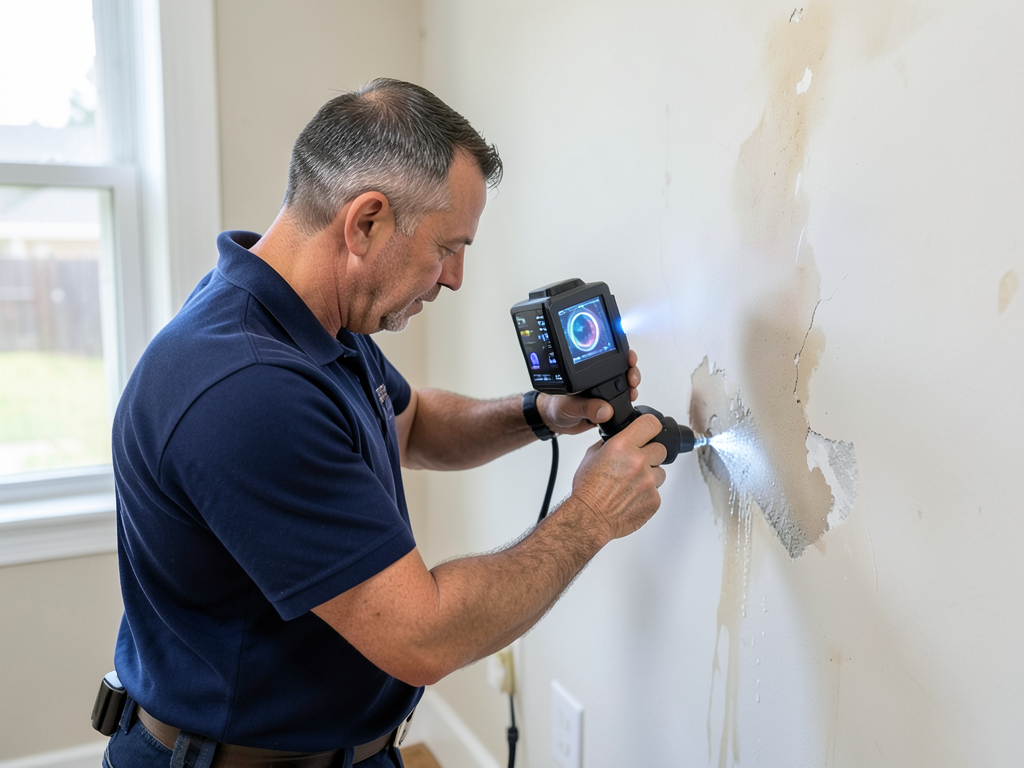
Professional restoration teams use specialized equipment to detect and eliminate secondary moisture. Thermal imaging cameras reveal temperature differences that indicate hidden moisture pockets. Moisture meters measure water content at different depths in walls and floors. Industrial dehumidifiers can remove up to 30 gallons of water from the air daily. This equipment, combined with IICRC S500 standards for structural drying, ensures your home returns to a safe moisture level. IICRC S500 Standards.
Health Risks from Secondary Water Damage
Secondary damage creates serious health hazards when mold grows in hidden spaces. Black mold, specifically Stachybotrys chartarum, can produce mycotoxins that cause respiratory issues, especially in children and elderly residents. Even non-toxic mold varieties trigger allergies and asthma attacks. The musty odor you smell is actually volatile organic compounds released by active mold colonies, indicating a serious indoor air quality problem that requires professional remediation.. Read more about Fixing Water Damage Caused by a Leaking Reverse Osmosis System in Your Lancaster Kitchen.
When to Call a Professional Restoration Team
Call professionals immediately if you notice any of these signs: persistent musty odors three days after a leak, visible mold growth on walls or ceilings, warped hardwood floors, or bubbling paint in areas away from the original water source. Don’t wait for visible damage to worsen. Professional teams can detect moisture you cannot see and prevent thousands in secondary damage repairs.. Read more about How to Identify Hidden Water Damage Behind Your Kitchen Cabinets in Cedar Hill.
Cost Comparison: Prevention vs. Repair
| Service | Average Cost | Potential Savings |
|---|---|---|
| Emergency Water Extraction | $500-1,500 | Prevents $5,000+ secondary damage |
| Professional Drying | $1,000-3,000 | Avoids $10,000+ mold remediation |
| Moisture Mapping | $200-500 | Identifies hidden damage early |
DIY vs. Professional Secondary Damage Assessment
| Assessment Method | Accuracy | Cost | Time Required |
|---|---|---|---|
| Visual Inspection | Low | Free | 30 minutes |
| Moisture Meter DIY | Medium | $50-100 | 1-2 hours |
| Professional Assessment | High | $200-500 | 2-4 hours |
Steps to Take When You Discover Secondary Damage
- Stop the source – Shut off water supply if the leak continues
- Document everything – Take photos and videos for insurance claims
- Call professionals – Contact restoration teams within 24 hours
- Improve ventilation – Open windows and use fans to reduce humidity
- Protect unaffected areas – Move valuables away from damp zones
Frequently Asked Questions
How long does it take for secondary water damage to appear?
Secondary damage typically begins within 24 hours of the initial water event. Mold can start growing in 24-48 hours under ideal conditions, while structural warping may take 48-72 hours to become visible. The exact timeline depends on temperature, humidity levels, and the materials affected.
Can I dry secondary water damage myself?
While you can address surface moisture with fans and dehumidifiers, secondary damage often involves hidden moisture in walls, under floors, and in HVAC systems. Professional equipment and expertise are needed to detect and properly dry these areas. DIY efforts frequently miss 30-40% of the moisture, leading to continued damage.. Read more about What to Do When Your Fire Sprinkler System Goes Off in a Dallas Office.
Will my insurance cover secondary water damage?
Insurance typically covers secondary damage if you can prove you took immediate action to mitigate the original problem. However, if you ignored the initial leak for weeks or months, the insurance company may deny the claim, arguing that you failed to maintain your property properly.
What humidity level prevents secondary water damage?
Maintaining indoor relative humidity below 50% significantly reduces the risk of secondary water damage and mold growth. Professional restoration teams aim to achieve 35-45% humidity during the drying process to ensure materials return to their normal moisture content levels.
Local Dallas Building Codes and Secondary Damage
Dallas building codes require proper moisture barriers and ventilation in all new construction to prevent secondary damage. The city’s International Building Code adoption includes specific requirements for vapor retarders in walls and proper attic ventilation. These codes help minimize secondary damage risks, but older homes built before these requirements may be more vulnerable to moisture migration issues.. Read more about Why New Construction in The Colony Might Still Face Water Intrusion Issues.
Conclusion
Secondary water damage represents one of the most costly and overlooked risks to Dallas homeowners. The combination of our humid climate and common construction materials creates perfect conditions for moisture to spread beyond the initial leak. By understanding the warning signs, acting quickly, and calling professionals when needed, you can prevent thousands in unnecessary repairs and protect your family’s health. Don’t wait until you see visible damage to take action.. Read more about Can You Save Your Family Photos and Documents After Water Damage?.
Call (972) 886-5955 today to schedule your inspection. Our certified technicians use advanced moisture detection equipment to find hidden damage before it becomes a major problem. We serve Addison, Coppell, and all Dallas neighborhoods with 24/7 emergency response. Protect your home and your health by addressing secondary water damage before it’s too late.
You may also find this helpful. Why Your Upstairs Shower Pan Leak Is Ruining Your Victory Park Condo Ceiling.
You may also find this helpful. Telling the Difference Between Common Mildew and Dangerous Mold in Little Elm.
You may also find this helpful. Dealing with a Flooded Luxury Media Room or Home Theater in Bluffview.
You may also find this helpful. Getting Help Fast When Your McKinney Business Floods Overnight.
You may also find this helpful. Steps for Cleaning Up After Your Whole House Humidifier Leaks in the Murphy Area.
You may also find this helpful. Handling an Outdoor Kitchen Leak Before It Ruins Your Sachse Home’s Foundation.
{
“@context”: “https://schema.org”,
“@type”: “BlogPosting”,
“headline”: “The Hidden Risks of Secondary Water Damage You Might Not Notice at First”,
“description”: “Discover how humidity and hidden moisture cause secondary water damage in Dallas homes. Learn warning signs, prevention tips, and when to call professionals for 24/7 emergency help.”,
“wordCount”: 1425,
“datePublished”: “2026-04-10T06:17:00.000Z”,
“dateModified”: “2026-04-10T06:17:00.000Z”,
“inLanguage”: “en-US”,
“mainEntityOfPage”: {
“@type”: “WebPage”,
“@id”: “https://peakwaterdamagerestorationdallas.com”
},
“publisher”: {
“@type”: “LocalBusiness”,
“name”: “Peak Water Damage Restoration Dallas”,
“url”: “https://peakwaterdamagerestorationdallas.com”
},
“author”: {
“@type”: “Organization”,
“name”: “Peak Water Damage Restoration Dallas”,
“url”: “https://peakwaterdamagerestorationdallas.com”
},
“image”: {
“@type”: “ImageObject”,
“url”: “https://peakwaterdamagerestorationdallas.com/wp-content/uploads/2026/03/the-hidden-risks-of-secondary-water-damage-you-mig-1.png”
}
}
{
“@context”: “https://schema.org”,
“@type”: “LocalBusiness”,
“name”: “Peak Water Damage Restoration Dallas”,
“url”: “https://peakwaterdamagerestorationdallas.com”,
“address”: {
“@type”: “PostalAddress”,
“addressLocality”: “Dallas”
},
“areaServed”: {
“@type”: “City”,
“name”: “Dallas”
}
}
{
“@context”: “https://schema.org”,
“@type”: “FAQPage”,
“mainEntity”: [
{
“@type”: “Question”,
“name”: “Does Insurance Cover Secondary Water Damage?”,
“acceptedAnswer”: {
“@type”: “Answer”,
“text”: “Insurance coverage for secondary damage depends on how quickly you respond to the initial event. Most policies require homeowners to mitigate damage immediately to prevent it from worsening. If you ignore a small leak for weeks and secondary damage develops, the insurance company may deny coverage, claiming you failed to maintain your property. Professional documentation of the drying process and moisture readings becomes crucial evidence for your claim. Water Damage Restoration Addison.”
}
},
{
“@type”: “Question”,
“name”: “How long does it take for secondary water damage to appear?”,
“acceptedAnswer”: {
“@type”: “Answer”,
“text”: “Secondary damage typically begins within 24 hours of the initial water event. Mold can start growing in 24-48 hours under ideal conditions, while structural warping may take 48-72 hours to become visible. The exact timeline depends on temperature, humidity levels, and the materials affected.”
}
},
{
“@type”: “Question”,
“name”: “Can I dry secondary water damage myself?”,
“acceptedAnswer”: {
“@type”: “Answer”,
“text”: “While you can address surface moisture with fans and dehumidifiers, secondary damage often involves hidden moisture in walls, under floors, and in HVAC systems. Professional equipment and expertise are needed to detect and properly dry these areas. DIY efforts frequently miss 30-40% of the moisture, leading to continued damage.”
}
},
{
“@type”: “Question”,
“name”: “Will my insurance cover secondary water damage?”,
“acceptedAnswer”: {
“@type”: “Answer”,
“text”: “Insurance typically covers secondary damage if you can prove you took immediate action to mitigate the original problem. However, if you ignored the initial leak for weeks or months, the insurance company may deny the claim, arguing that you failed to maintain your property properly.”
}
},
{
“@type”: “Question”,
“name”: “What humidity level prevents secondary water damage?”,
“acceptedAnswer”: {
“@type”: “Answer”,
“text”: “Maintaining indoor relative humidity below 50% significantly reduces the risk of secondary water damage and mold growth. Professional restoration teams aim to achieve 35-45% humidity during the drying process to ensure materials return to their normal moisture content levels.”
}
}
]
}
{
“@context”: “https://schema.org”,
“@type”: “BreadcrumbList”,
“itemListElement”: [
{
“@type”: “ListItem”,
“position”: 1,
“name”: “Home”,
“item”: “https://peakwaterdamagerestorationdallas.com”
},
{
“@type”: “ListItem”,
“position”: 2,
“name”: “Blog”,
“item”: “https://peakwaterdamagerestorationdallas.com/blog”
},
{
“@type”: “ListItem”,
“position”: 3,
“name”: “The Hidden Risks of Secondary Water Damage You Might Not Notice at First”
}
]
}
{
“@context”: “https://schema.org”,
“@type”: “Service”,
“serviceType”: “Water Damage Restoration”,
“provider”: {
“@type”: “LocalBusiness”,
“name”: “Peak Water Damage Restoration Dallas”,
“url”: “https://peakwaterdamagerestorationdallas.com”
},
“areaServed”: {
“@type”: “City”,
“name”: “Dallas”
},
“description”: “Discover how humidity and hidden moisture cause secondary water damage in Dallas homes. Learn warning signs, prevention tips, and when to call professionals for 24/7 emergency help.”
}