
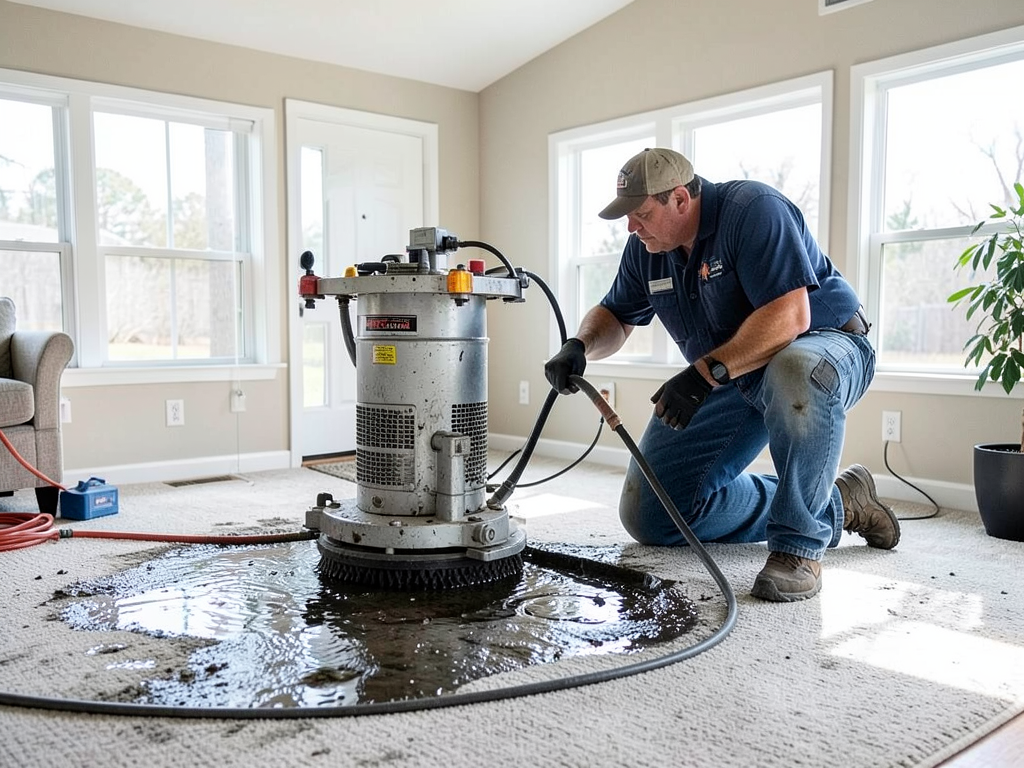
What to Do When Your Toilet Overflows onto the Carpet in Far North Dallas
A toilet overflow onto carpet creates an immediate health hazard that demands urgent action. Sewage water contains Category 3 black water pathogens including E. coli, Hepatitis A, and Salmonella that can cause serious illness within hours. In Far North Dallas homes, the combination of slab-on-grade construction and high Texas humidity accelerates secondary damage and mold growth potential. This guide walks you through the critical first 15 minutes, explains why standard cleaning methods fail, and details when professional restoration becomes essential. EPA emergency disinfection guidelines.
Immediate Safety Checklist: What to Do in the First 15 Minutes
- Stop the Water Source
Locate the toilet’s shut-off valve behind the base and turn it clockwise until it stops. If the valve is stuck or you cannot find it, lift the tank lid and lift the float arm to stop water flow. This prevents additional gallons from flooding your carpet and padding. Emergency Water Removal Services for Dallas Homeowners Available Right Now.
- Protect Your Family
Keep children and pets away from the affected area. Sewage pathogens can cause severe gastrointestinal illness. If anyone has touched contaminated water, wash hands immediately with soap and warm water for at least 20 seconds. Trustworthy Water Damage Restoration Services in Preston Hollow.
- Contain the Spread
Place towels or absorbent materials around the perimeter to prevent water from seeping under walls or into adjacent rooms. Avoid walking through contaminated areas to prevent tracking pathogens throughout your home. Quick Water Damage Cleanup for Uptown Dallas Condos and Apartments.
- Turn Off HVAC Systems
Shut down heating and air conditioning to prevent airborne contamination. Dallas humidity levels can cause pathogens to become aerosolized through air movement, spreading contamination to other areas of your home.
- Document the Damage
Take photos of the affected area, including close-ups of the water level and any visible contamination. This documentation proves invaluable for insurance claims and helps restoration professionals assess the scope of work needed. Water Damage Restoration Addison.
The Danger of Category 3 ‘Black Water’ in Carpeting
Toilet overflow water falls into Category 3 classification according to IICRC S500 standards. This designation means the water contains significant contamination and has the potential to cause discomfort or sickness if contacted or consumed by humans. The pathogens present in sewage include:. Read more about Keeping Your Pets Safe During a Water Damage Cleanup and Restoration.
- E. coli bacteria – causes severe gastrointestinal distress
- Enteroviruses – can lead to meningitis and other serious conditions
- Rotavirus – particularly dangerous for children and elderly
- Adenovirus – causes respiratory and gastrointestinal infections
- Hepatitis A virus – affects liver function and can be severe
Carpet fibers trap these pathogens deep within their structure. Standard steam cleaning or carpet shampooing cannot reach the base of the fibers where bacteria and viruses embed themselves. The padding beneath your carpet acts like a sponge, absorbing contaminated water and creating an ideal environment for pathogen growth.. Read more about The Difference Between Water Mitigation and Full Restoration in Coppell.
Dallas’s humid climate exacerbates the problem. With average relative humidity levels between 65-75%, moisture trapped in carpet padding creates conditions where mold can begin germinating within 24-48 hours. The warm temperatures common in North Texas accelerate microbial growth exponentially. What to Do When a Pipe Bursts in Your North Dallas Kitchen.
Professional Restoration Process vs. DIY
Understanding the difference between DIY cleanup and professional restoration helps you make the right decision for your family’s health and your property’s value. Here’s what each approach entails:. Read more about Health Risks and Safety Precautions After a Flood in Your Dallas Home.
| Process Step | DIY Approach | Professional Restoration |
|---|---|---|
| Water Extraction | Shop vac or towels | Industrial truck-mounted extractors removing 95%+ moisture |
| Sanitization | Household cleaners | EPA-registered hospital-grade disinfectants |
| Moisture Detection | Visual inspection only | Thermal imaging and moisture meters to detect hidden saturation |
| Structural Assessment | None | Evaluation of subfloor, drywall, and adjacent materials |
| Documentation | Photos only | Detailed moisture mapping and damage assessment reports |
Professional restoration follows IICRC S500 guidelines that mandate complete removal of contaminated carpet padding. The standard recognizes that porous materials saturated with Category 3 water cannot be adequately sanitized. This means your carpet may need complete replacement rather than cleaning.. Read more about Managing Water Damage in Your Arlington Short Term Rental Property.
The restoration process includes antimicrobial treatment of remaining surfaces, industrial dehumidification to achieve proper moisture content levels, and HEPA air scrubbing to remove airborne contaminants. These steps require specialized equipment that most homeowners do not possess.
Why Dallas Residents Face Unique Humidity Challenges
North Texas’s climate creates specific challenges for water damage restoration that residents in drier climates do not face. Dallas experiences:
- High Relative Humidity – Average afternoon humidity ranges from 65-75%, creating perfect conditions for mold growth
- Temperature Fluctuations – Wide temperature swings stress building materials and create condensation points
- Clay Soil Expansion – North Texas blackland clay expands when wet, potentially shifting foundations and creating stress on plumbing
- Extended Growing Seasons – Mold and bacteria have more active months compared to northern climates
These factors mean that water damage in Dallas requires faster response times and more aggressive drying protocols. The 24-48 hour window for mold germination becomes even more critical when humidity levels remain elevated.
Far North Dallas homes often feature slab-on-grade construction, which means water can spread laterally through the foundation rather than draining downward. This construction method requires specialized moisture detection equipment to identify hidden water migration patterns.
Insurance Claims for Sewage Backups in Texas
Standard homeowners insurance policies in Texas typically exclude sewage backup damage. You need a specific sewer backup endorsement added to your policy. This endorsement covers:
- Cleanup and removal of debris
- Damage to personal property
- Structure repairs
- Professional restoration services
The cost of this endorsement varies by insurer but typically ranges from $50-150 annually. Given that sewage backup damage can easily exceed $10,000, this coverage proves valuable for Far North Dallas homeowners.
When filing a claim, documentation becomes crucial. Insurance adjusters look for:
- Photos of the initial damage
- Professional assessment reports
- Detailed itemization of damaged materials
- Proof of mitigation efforts to prevent further damage
Working with a restoration company that has experience with Texas insurance claims streamlines the process. They understand local carrier requirements and can provide the documentation adjusters need to process claims efficiently.
When to Call Professionals Immediately
Certain situations demand immediate professional intervention rather than DIY attempts:
- Large Area Contamination – If the overflow affects more than 10 square feet of carpet, professional equipment becomes necessary for proper extraction.
- Multiple Bathrooms Affected – This indicates a main line blockage requiring professional plumbing and restoration services.
- Presence of Blood or Other Biohazards – Increases contamination level and requires specialized handling protocols.
- Structural Materials Involved – If water has reached drywall, baseboards, or subflooring, hidden damage assessment becomes critical.
- Time Factor – If more than 2-3 hours have passed since the overflow began, mold growth may have already started.
Professional restoration teams arrive with industrial-grade equipment including:
- High-powered water extractors capable of removing water from carpet and padding
- Thermal imaging cameras to detect hidden moisture
- Industrial dehumidifiers and air movers for rapid drying
- HEPA air scrubbers to remove airborne contaminants
- EPA-registered antimicrobial treatments
These tools and the expertise to use them properly make the difference between adequate cleanup and thorough restoration that protects your family’s health.
Preventing Future Toilet Overflows
After handling the immediate crisis, consider these prevention strategies to avoid future incidents:
- Install Water Shut-off Valves – Automatic toilet overflow shut-off devices detect rising water levels and shut off supply automatically.
- Upgrade Plumbing – Older cast iron pipes common in Far North Dallas homes become brittle and prone to failure. Consider replacing with modern PVC or PEX.
- Regular Maintenance – Schedule annual plumbing inspections to identify potential issues before they cause damage.
- Tree Root Management – Tree roots commonly infiltrate sewer lines in Dallas. Root treatment or barrier installation prevents blockages.
- Educate Household Members – Proper toilet use and awareness of what can and cannot be flushed prevents many overflow situations.
Far North Dallas’s combination of older homes and mature landscaping creates unique plumbing challenges. Many homes in the area were built between 1970-2000, placing their plumbing systems in the high-risk age range for failure.
Local Resources and Support
Far North Dallas residents have access to specific resources for water damage emergencies:
- Dallas Water Utilities – For main line blockages affecting multiple homes
- Texas Department of State Health Services – For information on waterborne pathogens and health risks
- North Central Texas Council of Governments – Emergency management resources and severe weather preparedness
Local building codes require specific materials and installation methods for plumbing repairs. Professional restoration companies understand these requirements and ensure all work meets current Dallas building standards.
Cost Factors for Professional Restoration
Several factors influence the cost of professional toilet overflow restoration:
- Contamination Level – Category 3 water requires more extensive safety protocols and disposal procedures.
- Area Size – Larger affected areas require more equipment time and labor hours.
- Material Types – Carpet replacement costs more than cleaning, but may be necessary for Category 3 contamination.
- Structural Involvement – If water reaches walls or subflooring, demolition and reconstruction increase costs.
- Response Time – Emergency services during nights or weekends may include premium charges.
Most restoration companies provide free assessments and can give you a detailed estimate before beginning work. This allows you to make informed decisions about coverage and out-of-pocket expenses.
Health and Safety Considerations
Beyond immediate cleanup, consider these health and safety factors:
- Air Quality – Use HEPA air purifiers for several days after restoration to remove any remaining airborne contaminants.
- Surface Testing – Consider professional surface testing after restoration to verify sanitization effectiveness.
- Documentation Retention – Keep all restoration documentation for at least 3-5 years for insurance and potential future property sales.
- Mental Health – Water damage events cause stress. Consider professional support if you experience anxiety or sleep disruption.
The psychological impact of home contamination often exceeds the physical damage. Professional restoration companies understand this and work to minimize disruption while maintaining clear communication throughout the process.
Frequently Asked Questions
Can I save my carpet after a toilet overflow?
For Category 3 water contamination, carpet padding must be removed and carpet fibers may need replacement. Professional assessment determines if salvage is possible, but IICRC standards typically recommend replacement for health and safety reasons.
How long does professional restoration take?
Initial water extraction and sanitization typically takes 4-8 hours. Complete drying requires 3-5 days with industrial equipment. Total restoration, including any necessary reconstruction, may take 1-2 weeks depending on damage extent.
Will my insurance cover this damage?
Standard homeowners policies exclude sewage backup. You need a specific sewer backup endorsement. Check your policy or call your agent to verify coverage before beginning restoration work.
What should I do if the overflow happens at night?
Emergency restoration services operate 24/7. Shut off the water source, contain the spread with towels, and call (972) 886-5955 immediately. Quick response prevents secondary damage and health risks.
How can I tell if mold is growing?
Mold often appears within 24-48 hours as discolored spots on surfaces or produces a musty odor. Professional moisture testing can detect mold before it becomes visible to the naked eye.
Take Action Now to Protect Your Home and Health
Toilet overflow onto carpet creates an immediate health hazard that requires professional attention. The combination of Category 3 water contamination, Dallas’s high humidity levels, and the potential for rapid mold growth makes DIY cleanup inadequate for protecting your family’s health.
Peak Water Damage Restoration Dallas provides 24/7 emergency response for toilet overflow situations throughout Far North Dallas and surrounding communities. Our certified technicians arrive within 60 minutes, equipped with industrial-grade extraction and sanitization equipment that meets IICRC S500 standards.
Don’t wait until mold spreads or health issues develop. Call (972) 886-5955 today to schedule your inspection. Our team will assess the damage, provide a detailed restoration plan, and work directly with your insurance company to streamline the claims process.
Far North Dallas homes deserve professional restoration that protects both property value and family health. Pick up the phone and call (972) 886-5955 before the next storm hits or the next plumbing emergency occurs. Your family’s safety and your home’s integrity depend on quick, professional action.
Remember, sewage contamination is not just a cleaning problem—it’s a health emergency. Trust the certified professionals at Peak Water Damage Restoration Dallas to restore your home to safe, healthy conditions quickly and thoroughly.
Call (972) 886-5955 now for immediate assistance with toilet overflow damage in Far North Dallas. For more information, visit CDC E. coli information.
You may also find this helpful. Deciding If You Should Stay in Your Home During Water Damage Restoration.
{
“@context”: “https://schema.org”,
“@type”: “BlogPosting”,
“headline”: “What to Do When Your Toilet Overflows onto the Carpet in Far North Dallas”,
“description”: “Toilet overflow on carpet in Far North Dallas requires immediate action. Learn Category 3 water risks, emergency steps, and when to call professionals at (972) 886-5955.”,
“wordCount”: 2053,
“datePublished”: “2026-03-29T13:50:00.000Z”,
“dateModified”: “2026-03-29T13:50:00.000Z”,
“inLanguage”: “en-US”,
“mainEntityOfPage”: {
“@type”: “WebPage”,
“@id”: “https://peakwaterdamagerestorationdallas.com”
},
“publisher”: {
“@type”: “LocalBusiness”,
“name”: “Peak Water Damage Restoration Dallas”,
“url”: “https://peakwaterdamagerestorationdallas.com”
},
“author”: {
“@type”: “Organization”,
“name”: “Peak Water Damage Restoration Dallas”,
“url”: “https://peakwaterdamagerestorationdallas.com”
},
“image”: {
“@type”: “ImageObject”,
“url”: “https://peakwaterdamagerestorationdallas.com/wp-content/uploads/2026/03/what-to-do-when-your-toilet-overflows-onto-the-car-1.png”
}
}
{
“@context”: “https://schema.org”,
“@type”: “LocalBusiness”,
“name”: “Peak Water Damage Restoration Dallas”,
“url”: “https://peakwaterdamagerestorationdallas.com”,
“address”: {
“@type”: “PostalAddress”,
“addressLocality”: “Dallas”
},
“areaServed”: {
“@type”: “City”,
“name”: “Dallas”
}
}
{
“@context”: “https://schema.org”,
“@type”: “FAQPage”,
“mainEntity”: [
{
“@type”: “Question”,
“name”: “Can I save my carpet after a toilet overflow?”,
“acceptedAnswer”: {
“@type”: “Answer”,
“text”: “For Category 3 water contamination, carpet padding must be removed and carpet fibers may need replacement. Professional assessment determines if salvage is possible, but IICRC standards typically recommend replacement for health and safety reasons.”
}
},
{
“@type”: “Question”,
“name”: “How long does professional restoration take?”,
“acceptedAnswer”: {
“@type”: “Answer”,
“text”: “Initial water extraction and sanitization typically takes 4-8 hours. Complete drying requires 3-5 days with industrial equipment. Total restoration, including any necessary reconstruction, may take 1-2 weeks depending on damage extent.”
}
},
{
“@type”: “Question”,
“name”: “Will my insurance cover this damage?”,
“acceptedAnswer”: {
“@type”: “Answer”,
“text”: “Standard homeowners policies exclude sewage backup. You need a specific sewer backup endorsement. Check your policy or call your agent to verify coverage before beginning restoration work.”
}
},
{
“@type”: “Question”,
“name”: “How can I tell if mold is growing?”,
“acceptedAnswer”: {
“@type”: “Answer”,
“text”: “Mold often appears within 24-48 hours as discolored spots on surfaces or produces a musty odor. Professional moisture testing can detect mold before it becomes visible to the naked eye.”
}
}
]
}
{
“@context”: “https://schema.org”,
“@type”: “HowTo”,
“name”: “Emergency Toilet Overflow Response”,
“step”: [
{
“@type”: “HowToStep”,
“position”: 1,
“name”: “Stop the Water Source”,
“text”: “Locate the toilet’s shut-off valve behind the base and turn it clockwise until it stops. If the valve is stuck or you cannot find it, lift the tank lid and lift the float arm to stop water flow. This prevents additional gallons from flooding your carpet and padding. Emergency Water Removal Services for Dallas Homeowners Available Right Now.”
},
{
“@type”: “HowToStep”,
“position”: 2,
“name”: “Protect Your Family”,
“text”: “Keep children and pets away from the affected area. Sewage pathogens can cause severe gastrointestinal illness. If anyone has touched contaminated water, wash hands immediately with soap and warm water for at least 20 seconds. Trustworthy Water Damage Restoration Services in Preston Hollow.”
},
{
“@type”: “HowToStep”,
“position”: 3,
“name”: “Contain the Spread”,
“text”: “Place towels or absorbent materials around the perimeter to prevent water from seeping under walls or into adjacent rooms. Avoid walking through contaminated areas to prevent tracking pathogens throughout your home. Quick Water Damage Cleanup for Uptown Dallas Condos and Apartments.”
},
{
“@type”: “HowToStep”,
“position”: 4,
“name”: “Turn Off HVAC Systems”,
“text”: “Shut down heating and air conditioning to prevent airborne contamination. Dallas humidity levels can cause pathogens to become aerosolized through air movement, spreading contamination to other areas of your home.”
},
{
“@type”: “HowToStep”,
“position”: 5,
“name”: “Document the Damage”,
“text”: “Take photos of the affected area, including close-ups of the water level and any visible contamination. This documentation proves invaluable for insurance claims and helps restoration professionals assess the scope of work needed. Water Damage Restoration Addison.”
}
],
“image”: “https://peakwaterdamagerestorationdallas.com/wp-content/uploads/2026/03/what-to-do-when-your-toilet-overflows-onto-the-car-1.png”
}
{
“@context”: “https://schema.org”,
“@type”: “BreadcrumbList”,
“itemListElement”: [
{
“@type”: “ListItem”,
“position”: 1,
“name”: “Home”,
“item”: “https://peakwaterdamagerestorationdallas.com”
},
{
“@type”: “ListItem”,
“position”: 2,
“name”: “Blog”,
“item”: “https://peakwaterdamagerestorationdallas.com/blog”
},
{
“@type”: “ListItem”,
“position”: 3,
“name”: “What to Do When Your Toilet Overflows onto the Carpet in Far North Dallas”
}
]
}
{
“@context”: “https://schema.org”,
“@type”: “Service”,
“serviceType”: “Water Damage Restoration”,
“provider”: {
“@type”: “LocalBusiness”,
“name”: “Peak Water Damage Restoration Dallas”,
“url”: “https://peakwaterdamagerestorationdallas.com”
},
“areaServed”: {
“@type”: “City”,
“name”: “Dallas”
},
“description”: “Toilet overflow on carpet in Far North Dallas requires immediate action. Learn Category 3 water risks, emergency steps, and when to call professionals at (972) 886-5955.”
}