
What Texas Homeowners Need to Know About Keeping Pipes from Freezing in Dallas
The first 100 words are critical. North Texas homeowners face a unique challenge: our homes aren’t built for sustained freezing temperatures, yet we get hit by sudden cold snaps that can drop temperatures below 20°F for 24-48 hours. Dallas homes typically have slab-on-grade foundations with pipes running through unconditioned attic spaces or exterior walls. When a Blue Norther hits, water in those pipes can freeze within 6-8 hours, causing pressure buildup that leads to catastrophic bursts. The damage isn’t just the broken pipe—it’s the secondary flooding that destroys drywall, flooring, and creates perfect conditions for mold growth within 24-48 hours. Dallas Water Utilities.
Understanding Dallas’s specific vulnerabilities is the first step to prevention. Unlike homes in colder climates that have basement plumbing or insulated crawl spaces, Dallas homes often have pipes running through attic spaces where temperatures can drop to near freezing during a cold snap. The 2021 winter storm Uri taught us that even a few hours of sustained freezing can cause thousands of dollars in damage. This guide covers Dallas-specific prevention strategies, emergency response steps, and long-term freeze-proofing upgrades that actually work in North Texas conditions. Emergency Water Removal Services for Dallas Homeowners Available Right Now.
Understanding Dallas’s Freeze Risk Profile
Dallas sits in USDA Plant Hardiness Zone 8a, where winter temperatures occasionally dip below 15°F. However, our freeze events are different from northern states. We experience rapid temperature drops—sometimes 40°F in 24 hours—followed by quick warming. This freeze-thaw cycle is particularly damaging because ice expands and contracts repeatedly, stressing pipe walls. The National Weather Service reports Dallas averages 2-3 freeze events per winter where temperatures drop below 28°F for more than 4 hours. What to Do When a Pipe Bursts in Your North Dallas Kitchen.
Most vulnerable are homes built before 2000, when building codes were less stringent about pipe insulation. Older neighborhoods like Lakewood and Oak Cliff often have copper pipes in exterior walls with minimal insulation. Newer construction in areas like Frisco and Plano typically uses PEX piping, which is more freeze-resistant but still vulnerable at connection points. The Texas Department of Licensing and Regulation requires all new construction to meet current International Plumbing Code standards, but many existing homes haven’t been updated. EPA Mold Resources.
Outdoor Preparation: The First Line of Defense
Outdoor plumbing is the most vulnerable to freezing because it’s exposed to wind chill and lacks the residual heat from your home’s HVAC system. Start with hose bibs—those outdoor faucets are often the first to freeze and burst. Dallas Water Utilities recommends disconnecting all garden hoses by November 1st and installing frost-proof hose bib covers. These simple foam covers cost $5-8 at Home Depot and can prevent 90% of outdoor faucet freezes. Trustworthy Water Damage Restoration Services in Preston Hollow.
Backflow preventers for sprinkler systems are another critical vulnerability. These brass devices sit above ground and contain water that can freeze solid. The City of Dallas requires backflow preventers to be tested annually, but many homeowners don’t know they need freeze protection. Insulate backflow preventers with specialized covers or drain the system completely for winter. Pool equipment also needs attention—pool pumps and heaters contain water that can freeze and crack the housing. Run pool equipment continuously during freezing weather or install freeze guards that automatically activate when temperatures drop below 38°F. Quick Water Damage Cleanup for Uptown Dallas Condos and Apartments.
Quick Outdoor Checklist:
- Disconnect and drain all garden hoses
- Install frost-proof covers on all outdoor faucets
- Insulate backflow preventers for sprinkler systems
- Protect pool equipment with freeze guards or continuous operation
- Seal gaps around outdoor pipe penetrations
Interior Prevention: Protecting Your Home’s Plumbing
Interior pipes need protection too, especially those in exterior walls, attics, and crawl spaces. The key is maintaining temperatures above 32°F in all plumbing areas. Set your thermostat to at least 55°F even when you’re away—many Dallas homeowners make the mistake of turning heat completely off during winter vacations. The extra energy cost is minimal compared to potential water damage repairs that can exceed $10,000.
Open cabinet doors under sinks located on exterior walls to allow warm air circulation around pipes. This is particularly important in older homes where plumbing might run through exterior wall cavities with minimal insulation. Let cold water drip from faucets served by exposed pipes—moving water is much harder to freeze than standing water. A trickle about the width of a pencil lead is sufficient. Focus on the cold water side first, as hot water pipes typically have less exposure to freezing temperatures.
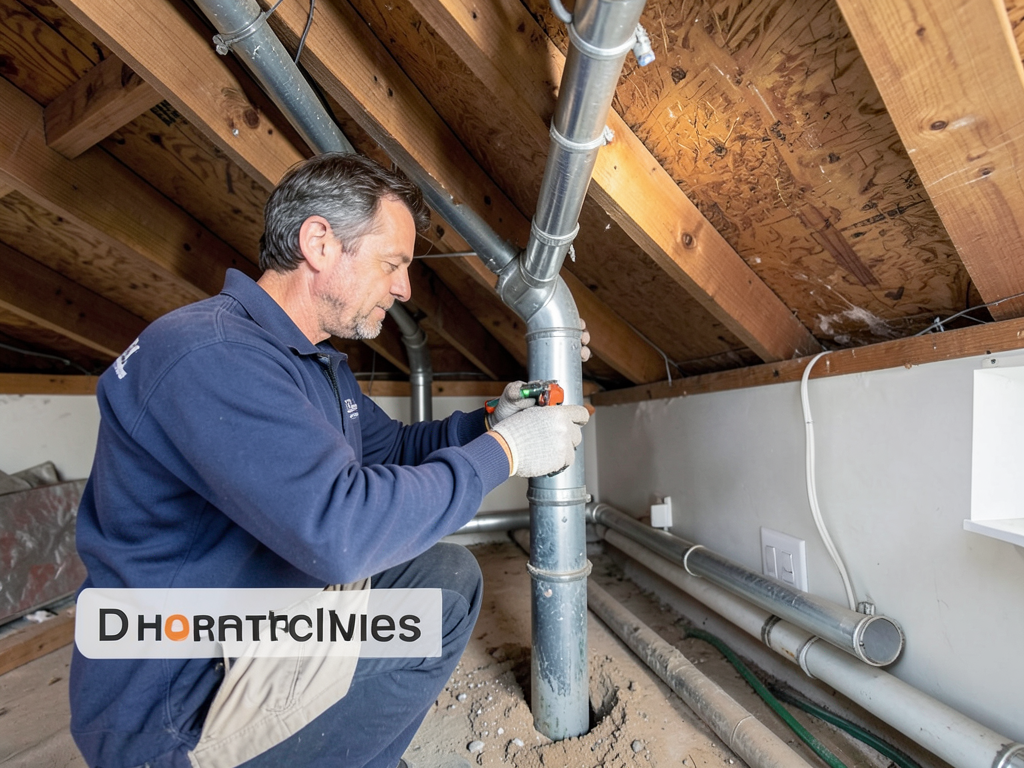
Attic insulation is crucial for Dallas homes. Many attics have pipes running through unconditioned spaces where temperatures can drop to near freezing. The Department of Energy recommends R-38 to R-60 insulation in North Texas attics. If you can see the floor joists in your attic, you need more insulation. Consider installing heat tape on vulnerable pipes in attics—these electric cables automatically warm when temperatures drop below 38°F. Heat tape installation should follow manufacturer guidelines and local electrical codes to prevent fire hazards.
Slab Foundation Considerations for Dallas Homes
Most Dallas homes built since the 1970s have slab-on-grade foundations, which presents unique freeze protection challenges. Pipes run through the concrete slab itself, making them less vulnerable to freezing than in pier-and-beam homes. However, the pipes that exit the slab and run through exterior walls or attics are still at risk. The concrete slab provides some thermal mass, maintaining temperatures above freezing longer than exposed pipes.
Older Dallas neighborhoods like Highland Park and University Park often have homes with mixed foundation types—original sections might have pier-and-beam construction while additions have slab foundations. This creates complex freeze risk patterns where some areas of the home are more vulnerable than others. If you have a pier-and-beam home, ensure all crawl space vents are closed during freezing weather and consider installing a vapor barrier to reduce moisture that can contribute to pipe freezing.
Foundation movement is another Dallas-specific concern. The expansive clay soil in North Texas causes foundations to shift seasonally, potentially stressing pipe connections and creating weak points. During freeze events, these stressed connections are more likely to fail. If you notice foundation cracks or sticking doors, have a foundation specialist evaluate your home before winter. Minor foundation repairs can prevent major plumbing failures during freeze events.
Emergency Response: What to Do When Pipes Freeze
Even with preparation, pipes can still freeze during extreme cold snaps. The first sign is often reduced water flow from faucets. If you suspect frozen pipes, act quickly to prevent bursts. Locate your main water shut-off valve—in Dallas homes, this is typically in the front yard near the water meter, in a buried box with a green or blue lid. Practice opening this valve before you need it. During a freeze emergency, you’ll need to shut off water immediately if a pipe bursts.
Thaw frozen pipes safely using a hair dryer, heat lamp, or portable space heater. Never use open flames or propane torches—these can damage pipes and create fire hazards. Start thawing at the faucet end and work toward the coldest section. Keep the faucet open so melting ice can escape. If you can’t locate the frozen section or if multiple pipes are affected, call a professional plumber immediately. Time is critical—a burst pipe can release hundreds of gallons per hour.
If a pipe does burst, your first priority is stopping the water flow. Shut off the main valve, then open all faucets to drain remaining water from the system. Document the damage with photos for insurance purposes. Most homeowner’s insurance policies cover sudden water damage from burst pipes, but they may not cover secondary damage if you fail to mitigate the situation promptly. Contact your insurance company immediately and begin water removal within 24-48 hours to prevent mold growth.
Long-Term Freeze Protection Upgrades
For Dallas homeowners who’ve experienced freeze damage or want maximum protection, several upgrades can provide peace of mind. Pipe rerouting moves vulnerable pipes from exterior walls or attics to interior, conditioned spaces. This is particularly effective for older homes where plumbing runs through poorly insulated exterior walls. The cost varies widely depending on your home’s layout but typically ranges from $2,000 to $8,000.
Whole-house water shut-off systems with automatic leak detection can prevent catastrophic damage. These systems monitor water flow and automatically shut off the main supply if they detect abnormal patterns that might indicate a burst pipe. Some systems integrate with smart home technology, sending alerts to your phone if freezing temperatures are detected or if water flow stops unexpectedly. Installation costs range from $800 to $3,000 depending on system complexity.
Attic insulation upgrades provide year-round benefits beyond freeze protection. Proper insulation keeps your home cooler in summer and warmer in winter, reducing energy costs while protecting pipes. Consider blown-in cellulose or fiberglass insulation to achieve R-38 or higher. If your attic has HVAC ductwork, ensure all joints are sealed with mastic to prevent air leaks that can create cold spots where pipes might freeze.
Pool Equipment Freeze Protection
Dallas homeowners with swimming pools face additional freeze protection challenges. Pool equipment contains water that can freeze and crack expensive components like pumps, filters, and heaters. The most reliable protection is running pool equipment continuously during freezing weather. Most modern pool pumps have a freeze protection mode that automatically activates when temperatures drop below 38°F.
If you don’t have freeze protection or if power fails during a winter storm, drain all water from pool equipment. This includes the pump, filter, heater, and any booster pumps. Use compressed air to blow out water from plumbing lines if possible. Install freeze guards on all pool equipment—these simple devices cost $50-150 and can save thousands in repair costs. The City of Dallas requires pool equipment to have freeze protection, but many older installations don’t meet current standards.
Above-ground plumbing for pools is particularly vulnerable. Insulate all above-ground pipes with foam insulation sleeves and use heat tape on the most exposed sections. Check your pool’s plumbing layout—pipes running along the north side of your home or in shaded areas are most at risk. Consider burying exposed pipes or building protective enclosures around equipment pads.
Secondary Damage Prevention
Even if you prevent pipe bursts, freeze events can cause secondary damage that’s less obvious but still costly. Ice dams on roofs can force water under shingles, causing leaks that appear days or weeks after the freeze. Dallas’s rapid freeze-thaw cycles make ice dams particularly problematic. Ensure your attic has proper ventilation and insulation to prevent warm air from melting snow on the roof, which then refreezes at the eaves.
Foundation issues can also arise from freeze-thaw cycles. The expansive clay soil in Dallas expands when wet and contracts when dry. During freeze events, moisture in the soil can freeze and expand, potentially causing foundation movement. This can stress plumbing connections and create new leak points. Monitor your foundation for new cracks after freeze events and address drainage issues that allow water to pool near your home’s foundation.
Mold prevention is critical after any water event. The warm, humid Dallas climate means mold can begin growing within 24-48 hours of water exposure. If you experience any water damage, begin drying procedures immediately. Use fans, dehumidifiers, and remove wet materials. The EPA recommends removing and replacing porous materials like drywall and carpet padding if they’ve been wet for more than 48 hours. For extensive water damage, professional restoration services can prevent long-term mold issues.
Professional Restoration Services in Dallas
When prevention fails and you’re facing water damage from frozen pipes, professional restoration services can minimize damage and prevent secondary issues like mold growth. Dallas restoration companies understand the specific challenges of North Texas homes, from slab foundation plumbing to the rapid mold growth our climate encourages. Look for companies with IICRC certification and experience with insurance claims specific to Dallas-area homes. IICRC Standards.
Professional water damage restoration follows industry standards set by the IICRC S500, which outlines specific procedures for water extraction, drying, and verification of completion. The process typically includes water extraction using truck-mounted or portable extraction units, strategic placement of air movers and dehumidifiers, and daily monitoring of moisture levels. Professional services can often save materials that homeowners might discard, reducing overall restoration costs.
Insurance coordination is another critical service professional restoration companies provide. They can document damage, provide detailed estimates, and communicate directly with insurance adjusters. This is particularly valuable in Dallas where many homes have unique architectural features or historic designations that affect restoration approaches. Some restoration companies also offer reconstruction services, allowing for a seamless transition from emergency response to permanent repairs.
Cost Considerations and Insurance Coverage
The cost of freeze damage varies dramatically based on severity and response time. A minor pipe burst that’s caught quickly might cost $1,000-3,000 to repair, including plumbing repairs and drywall replacement. A major flood affecting multiple rooms can easily exceed $10,000 when you factor in water extraction, drying, material replacement, and potential mold remediation. Secondary damage like warped hardwood floors or damaged cabinetry can double restoration costs. Saving Your Hardwood Floors After Water Damage in Dallas.
Most homeowner’s insurance policies cover sudden, accidental water damage from burst pipes, but they typically exclude damage from frozen pipes if you failed to maintain heat in the building. This means if you turn off your heat during a vacation and pipes freeze, your claim might be denied. Some policies also have specific exclusions for secondary damage like mold if you don’t take immediate action to mitigate the situation. Review your policy annually and consider adding water damage riders for comprehensive coverage.
Prevention costs are minimal compared to restoration expenses. Basic freeze protection supplies—hose bib covers, pipe insulation, and faucet covers—cost less than $100 for an average home. Professional inspections to identify vulnerable pipes typically cost $150-300. The investment in prevention often pays for itself the first time it prevents a burst pipe. Many Dallas restoration companies offer preventative maintenance services that include freeze risk assessments and minor repairs to vulnerable plumbing connections.
Frequently Asked Questions
How cold does it need to be for pipes to freeze in Dallas?
Pipes can begin freezing when temperatures drop below 20°F for more than 6 hours. However, in Dallas’s climate, pipes in unconditioned spaces like attics can freeze when outdoor temperatures are in the mid-20s due to wind chill and lack of insulation. The 2021 winter storm showed that sustained temperatures below 28°F for 24+ hours can cause widespread pipe freezing even in well-maintained homes.
Should I drip hot or cold water during a freeze?
Drip both hot and cold water, but prioritize cold water lines as they’re typically more exposed. A trickle about the width of a pencil lead is sufficient. Hot water pipes often have less exposure to freezing temperatures because they’re typically in interior walls or closer to heat sources. Focus on faucets served by pipes in exterior walls or unconditioned spaces.
How long does it take for mold to grow after water damage?
Mold can begin growing within 24-48 hours in Dallas’s warm, humid climate. The combination of moisture, warmth, and organic materials like drywall creates ideal conditions for rapid mold growth. This is why immediate water extraction and drying are critical. Professional restoration services use moisture meters to verify drying completion and prevent mold growth.
What’s the difference between Category 1, 2, and 3 water damage?
Category 1 is clean water from sources like broken supply lines or rainwater. Category 2 is grey water with some contamination from sources like washing machine overflow. Category 3 is black water with severe contamination from sewage or flooding. The category determines restoration procedures and whether materials can be salvaged. Category 3 water always requires removal of porous materials.
How do I find my main water shut-off valve in a Dallas home?
In most Dallas homes, the main shut-off valve is in the front yard near the water meter, in a buried box with a green or blue lid. Some homes have the valve in a utility closet or garage. If you can’t locate it, contact Dallas Water Utilities or a plumber for assistance. Practice operating the valve before you need it in an emergency.
- Inspect and Insulate Outdoor Plumbing
Disconnect garden hoses, install frost-proof covers on hose bibs, and insulate backflow preventers for sprinkler systems. Check for gaps around pipe penetrations and seal them with caulk or expanding foam.
- Protect Interior Plumbing
Open cabinet doors under sinks on exterior walls, let faucets drip during freezing weather, and set thermostats to at least 55°F. Consider installing heat tape on vulnerable pipes in attics or crawl spaces.
- Prepare Pool Equipment
Run pool equipment continuously during freezing weather or install freeze guards. Drain all water from pumps, filters, and heaters if you’ll be away during a freeze event. Insulate above-ground plumbing with foam sleeves.
- Locate Emergency Shut-Off Valves
Find your main water shut-off valve and practice operating it. Locate individual shut-off valves for toilets, sinks, and appliances. Keep emergency contact numbers for plumbers and restoration services readily available.
- Monitor Weather Forecasts
Sign up for severe weather alerts from the National Weather Service. When freezing weather is forecast, take preventative measures 24-48 hours before the expected cold snap to ensure all protection measures are in place.
Conclusion: Your Dallas Freeze Protection Plan
Protecting your Dallas home from freeze damage requires understanding our unique climate challenges and taking proactive steps before cold weather arrives. The combination of slab foundations, attic plumbing, and sudden temperature drops creates specific vulnerabilities that northern freeze prevention strategies don’t address. By focusing on outdoor preparation, interior protection, and emergency response planning, you can significantly reduce your risk of costly water damage.
Remember that freeze prevention is an investment in your home’s long-term value. The cost of basic protection measures is minimal compared to potential restoration expenses that can exceed $10,000 for a single burst pipe. More importantly, quick action during freeze events can prevent secondary damage like mold growth that can affect your family’s health and require extensive remediation.
Don’t wait until the next Blue Norther is forecast to take action. Start your freeze protection plan now by inspecting your home’s vulnerable areas and implementing the strategies outlined in this guide. If you’ve experienced freeze damage or want a professional assessment of your home’s freeze risks, call (972) 886-5955 today. Our Dallas restoration experts can identify vulnerabilities specific to your home’s construction and provide targeted solutions that actually work in North Texas conditions.
Pick up the phone and call (972) 886-5955 before the next storm hits. We’re available 24/7 for emergency response and can help you develop a comprehensive freeze protection strategy for your Dallas home. Don’t let a few hours of freezing temperatures turn into thousands of dollars in damage—be prepared, be protected, and be ready to act quickly when North Texas winter weather strikes.
{
“@context”: “https://schema.org”,
“@type”: “BlogPosting”,
“headline”: “What Texas Homeowners Need to Know About Keeping Pipes from Freezing in Dallas”,
“description”: “Protect your Dallas home from winter freeze damage with expert tips on pipe insulation, emergency shut-off valves, and freeze-proofing strategies for North Texas homes.”,
“wordCount”: 3151,
“datePublished”: “2026-03-25T10:38:00.000Z”,
“dateModified”: “2026-03-25T10:38:00.000Z”,
“inLanguage”: “en-US”,
“mainEntityOfPage”: {
“@type”: “WebPage”,
“@id”: “https://peakwaterdamagerestorationdallas.com”
},
“publisher”: {
“@type”: “LocalBusiness”,
“name”: “Peak Water Damage Restoration Dallas”,
“url”: “https://peakwaterdamagerestorationdallas.com”
},
“author”: {
“@type”: “Organization”,
“name”: “Peak Water Damage Restoration Dallas”,
“url”: “https://peakwaterdamagerestorationdallas.com”
},
“image”: {
“@type”: “ImageObject”,
“url”: “https://peakwaterdamagerestorationdallas.com/wp-content/uploads/2026/03/what-texas-homeowners-need-to-know-about-keeping-p-1.png”
}
}
{
“@context”: “https://schema.org”,
“@type”: “LocalBusiness”,
“name”: “Peak Water Damage Restoration Dallas”,
“url”: “https://peakwaterdamagerestorationdallas.com”,
“address”: {
“@type”: “PostalAddress”,
“addressLocality”: “Dallas”
},
“areaServed”: {
“@type”: “City”,
“name”: “Dallas”
}
}
{
“@context”: “https://schema.org”,
“@type”: “FAQPage”,
“mainEntity”: [
{
“@type”: “Question”,
“name”: “How cold does it need to be for pipes to freeze in Dallas?”,
“acceptedAnswer”: {
“@type”: “Answer”,
“text”: “Pipes can begin freezing when temperatures drop below 20°F for more than 6 hours. However, in Dallas’s climate, pipes in unconditioned spaces like attics can freeze when outdoor temperatures are in the mid-20s due to wind chill and lack of insulation. The 2021 winter storm showed that sustained temperatures below 28°F for 24+ hours can cause widespread pipe freezing even in well-maintained homes.”
}
},
{
“@type”: “Question”,
“name”: “Should I drip hot or cold water during a freeze?”,
“acceptedAnswer”: {
“@type”: “Answer”,
“text”: “Drip both hot and cold water, but prioritize cold water lines as they’re typically more exposed. A trickle about the width of a pencil lead is sufficient. Hot water pipes often have less exposure to freezing temperatures because they’re typically in interior walls or closer to heat sources. Focus on faucets served by pipes in exterior walls or unconditioned spaces.”
}
},
{
“@type”: “Question”,
“name”: “How long does it take for mold to grow after water damage?”,
“acceptedAnswer”: {
“@type”: “Answer”,
“text”: “Mold can begin growing within 24-48 hours in Dallas’s warm, humid climate. The combination of moisture, warmth, and organic materials like drywall creates ideal conditions for rapid mold growth. This is why immediate water extraction and drying are critical. Professional restoration services use moisture meters to verify drying completion and prevent mold growth.”
}
},
{
“@type”: “Question”,
“name”: “What’s the difference between Category 1, 2, and 3 water damage?”,
“acceptedAnswer”: {
“@type”: “Answer”,
“text”: “Category 1 is clean water from sources like broken supply lines or rainwater. Category 2 is grey water with some contamination from sources like washing machine overflow. Category 3 is black water with severe contamination from sewage or flooding. The category determines restoration procedures and whether materials can be salvaged. Category 3 water always requires removal of porous materials.”
}
},
{
“@type”: “Question”,
“name”: “How do I find my main water shut-off valve in a Dallas home?”,
“acceptedAnswer”: {
“@type”: “Answer”,
“text”: “In most Dallas homes, the main shut-off valve is in the front yard near the water meter, in a buried box with a green or blue lid. Some homes have the valve in a utility closet or garage. If you can’t locate it, contact Dallas Water Utilities or a plumber for assistance. Practice operating the valve before you need it in an emergency.”
}
}
]
}
{
“@context”: “https://schema.org”,
“@type”: “HowTo”,
“name”: “How to Prepare Your Dallas Home for Freezing Weather”,
“step”: [
{
“@type”: “HowToStep”,
“position”: 1,
“name”: “Inspect and Insulate Outdoor Plumbing”,
“text”: “Disconnect garden hoses, install frost-proof covers on hose bibs, and insulate backflow preventers for sprinkler systems. Check for gaps around pipe penetrations and seal them with caulk or expanding foam.”
},
{
“@type”: “HowToStep”,
“position”: 2,
“name”: “Protect Interior Plumbing”,
“text”: “Open cabinet doors under sinks on exterior walls, let faucets drip during freezing weather, and set thermostats to at least 55°F. Consider installing heat tape on vulnerable pipes in attics or crawl spaces.”
},
{
“@type”: “HowToStep”,
“position”: 3,
“name”: “Prepare Pool Equipment”,
“text”: “Run pool equipment continuously during freezing weather or install freeze guards. Drain all water from pumps, filters, and heaters if you’ll be away during a freeze event. Insulate above-ground plumbing with foam sleeves.”
},
{
“@type”: “HowToStep”,
“position”: 4,
“name”: “Locate Emergency Shut-Off Valves”,
“text”: “Find your main water shut-off valve and practice operating it. Locate individual shut-off valves for toilets, sinks, and appliances. Keep emergency contact numbers for plumbers and restoration services readily available.”
},
{
“@type”: “HowToStep”,
“position”: 5,
“name”: “Monitor Weather Forecasts”,
“text”: “Sign up for severe weather alerts from the National Weather Service. When freezing weather is forecast, take preventative measures 24-48 hours before the expected cold snap to ensure all protection measures are in place.”
}
],
“image”: “https://peakwaterdamagerestorationdallas.com/wp-content/uploads/2026/03/what-texas-homeowners-need-to-know-about-keeping-p-1.png”
}
{
“@context”: “https://schema.org”,
“@type”: “BreadcrumbList”,
“itemListElement”: [
{
“@type”: “ListItem”,
“position”: 1,
“name”: “Home”,
“item”: “https://peakwaterdamagerestorationdallas.com”
},
{
“@type”: “ListItem”,
“position”: 2,
“name”: “Blog”,
“item”: “https://peakwaterdamagerestorationdallas.com/blog”
},
{
“@type”: “ListItem”,
“position”: 3,
“name”: “What Texas Homeowners Need to Know About Keeping Pipes from Freezing in Dallas”
}
]
}
{
“@context”: “https://schema.org”,
“@type”: “Service”,
“serviceType”: “Water Damage Restoration”,
“provider”: {
“@type”: “LocalBusiness”,
“name”: “Peak Water Damage Restoration Dallas”,
“url”: “https://peakwaterdamagerestorationdallas.com”
},
“areaServed”: {
“@type”: “City”,
“name”: “Dallas”
},
“description”: “Protect your Dallas home from winter freeze damage with expert tips on pipe insulation, emergency shut-off valves, and freeze-proofing strategies for North Texas homes.”
}