
Managing Humidity and Water Intrusion in Your Private Pool House or Cabana in Southlake
Southlake’s pool houses and cabanas face unique moisture challenges that standard structures don’t encounter. The combination of high humidity, chlorinated air, and constant evaporation creates an environment where water damage and mold can develop rapidly. Understanding these risks and implementing proper moisture control systems is essential for protecting your investment and maintaining a healthy space. Emergency Water Removal Services for Dallas Homeowners Available Right Now.
North Texas experiences extreme humidity swings, with summer dew points often exceeding 70°F. When warm, moist air contacts cooler surfaces in your pool house, condensation forms. This moisture accumulation creates ideal conditions for mold growth, wood rot, and structural deterioration. The problem intensifies when pool chemicals like chlorine interact with humidity, creating corrosive compounds that damage metal fixtures and accelerate material breakdown. What to Do When a Pipe Bursts in Your North Dallas Kitchen.
Proper humidity management starts with understanding your pool house’s specific needs. A typical indoor pool environment should maintain relative humidity between 50-60%. Higher levels promote mold growth and structural damage, while lower levels can cause excessive evaporation and increased heating costs. The challenge in Southlake is that our climate often pushes outdoor humidity above these optimal ranges, making mechanical dehumidification necessary rather than optional.. Read more about The Connection Between a Clogged Dryer Vent and High Humidity in Your Dallas Laundry Room.
Structural Risks: Why Standard Ventilation Isn’t Enough
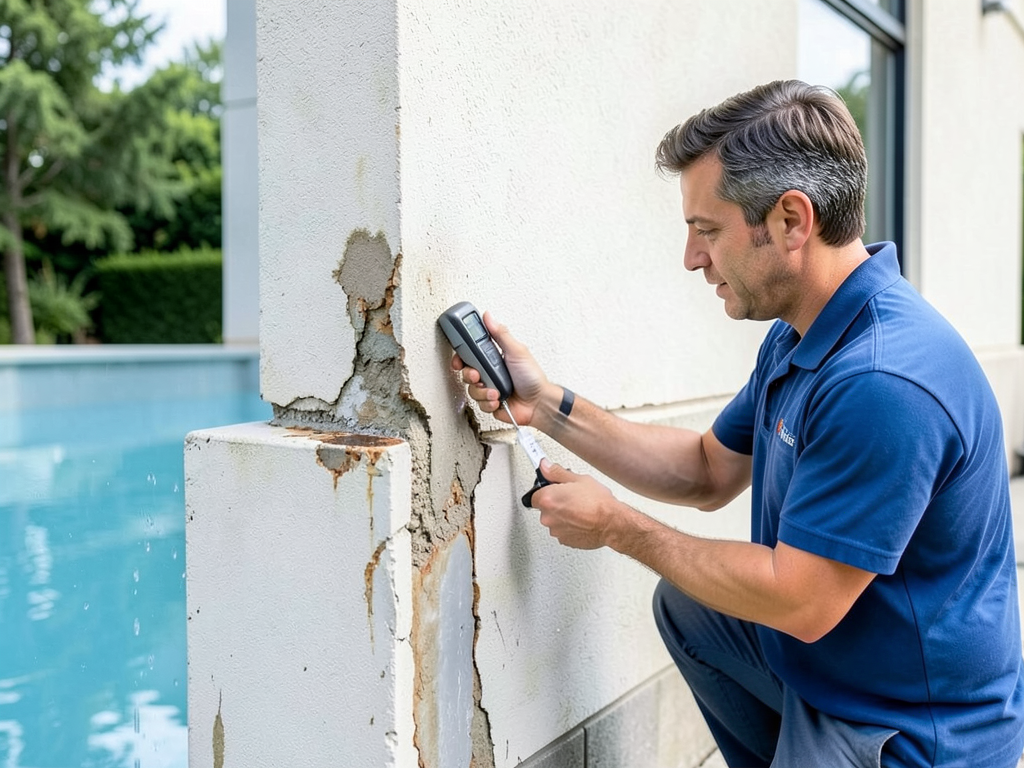
Pool houses require specialized construction techniques that differ from standard residential buildings. The constant moisture exposure demands materials and methods that resist water damage. Standard drywall, for instance, absorbs moisture quickly and becomes a breeding ground for mold. Instead, moisture-resistant gypsum board or cement board provides better protection in high-humidity areas. Trustworthy Water Damage Restoration Services in Preston Hollow.
Wood framing in pool houses faces accelerated deterioration from chlorine exposure. The chemical compounds in pool water create an acidic environment that breaks down lignin in wood, leading to structural weakness. Pressure-treated lumber offers some protection, but even it requires proper sealing and ventilation to prevent moisture accumulation in wall cavities. Quick Water Damage Cleanup for Uptown Dallas Condos and Apartments.
Floor systems present another vulnerability. Pool houses often use concrete slabs that can develop moisture problems through capillary action. Water from the ground or pool area can migrate through concrete, creating damp conditions that promote mold growth and attract pests. Installing a vapor barrier beneath the slab during construction prevents this moisture migration, but retrofitting existing structures requires specialized techniques.
Roof assemblies in pool houses must handle both water intrusion and condensation. Traditional asphalt shingles work well for typical structures, but pool houses benefit from materials with better moisture resistance. Metal roofing with proper underlayment provides excellent protection against both rain and condensation. The roof’s ventilation system must also account for the unique moisture loads, often requiring more extensive venting than standard residential roofs.
Mechanical Solutions: Dehumidification vs. HVAC Integration
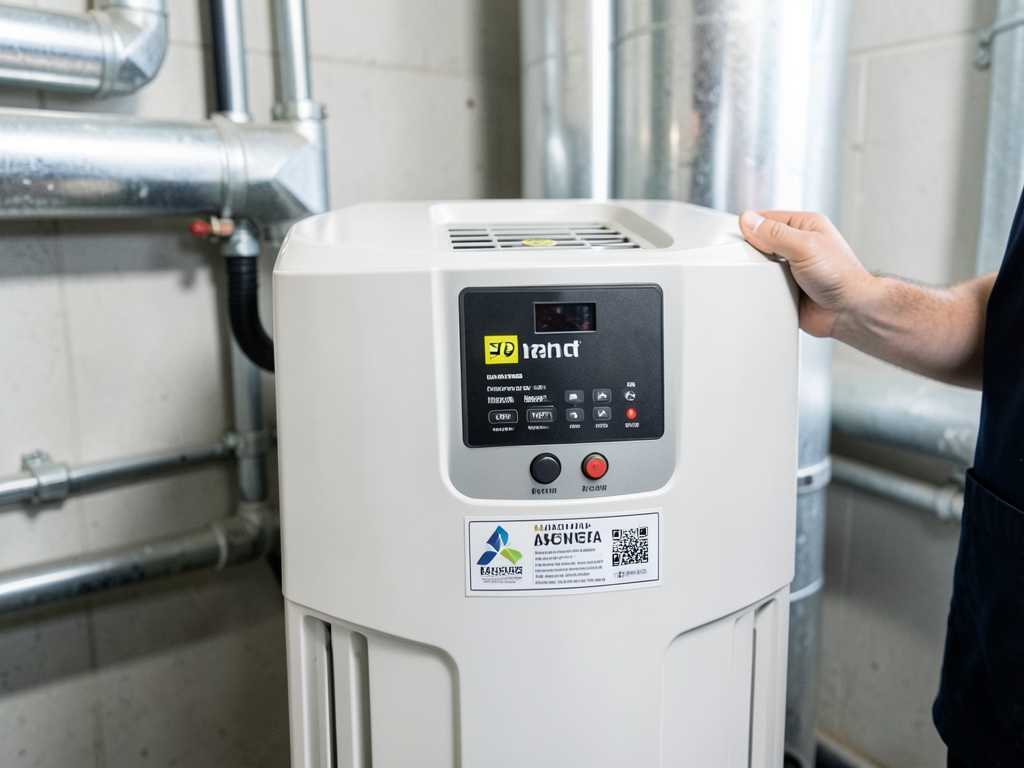
Dedicated pool dehumidifiers offer the most effective solution for moisture control. These units are designed specifically for the high-moisture environment of pool houses, using refrigeration cycles to remove excess humidity from the air. Unlike standard air conditioners, pool dehumidifiers maintain optimal humidity levels regardless of temperature, preventing the condensation problems that plague traditional HVAC systems.
The sizing of dehumidification equipment depends on several factors unique to your pool house. Pool surface area, water temperature, and air temperature all affect evaporation rates. A 500-square-foot pool in a 1,000-square-foot pool house might require a 3-5 pint per hour dehumidifier, but factors like ceiling height and local climate conditions can significantly alter these requirements.
Integration with existing HVAC systems presents both opportunities and challenges. Standard air conditioning units remove some moisture as a byproduct of cooling, but they’re not designed for the constant high-moisture loads of pool houses. When integrating with HVAC, consider units with enhanced dehumidification modes or dedicated dehumidification circuits that can operate independently of cooling.
Energy recovery ventilators (ERVs) provide another layer of moisture control by exchanging indoor and outdoor air while transferring heat and moisture between the airstreams. In Southlake’s climate, ERVs can reduce the load on dehumidifiers by preconditioning incoming air, but they must be properly sized and maintained to prevent introducing excess moisture during humid periods.
Vapor Barriers and Material Selection
Proper vapor barrier installation is critical for preventing moisture migration through building assemblies. In Southlake’s climate, the vapor drive typically moves from outside to inside during summer months, requiring careful placement of barriers to prevent condensation within wall cavities. The International Building Code requires specific vapor barrier placement based on climate zone, with Southlake falling in Zone 3, where Class II or III vapor retarders are typically recommended.
Material selection impacts long-term moisture performance significantly. Standard fiberglass insulation absorbs water readily, losing its insulating properties and creating mold growth conditions. Closed-cell spray foam insulation resists moisture absorption and provides both insulation and air sealing in one application. While more expensive initially, it prevents many moisture-related problems that plague traditionally insulated structures.
Interior finishes must withstand constant moisture exposure. Ceramic tile, natural stone, and engineered quartz offer excellent moisture resistance for walls and floors. These materials don’t support mold growth and can be easily cleaned when exposed to pool chemicals. Avoid materials like standard wallpaper or untreated wood paneling that can delaminate or warp in humid conditions.
Window selection affects both moisture control and energy efficiency. Double-pane windows with low-emissivity coatings reduce condensation by maintaining glass surface temperatures above the dew point. The window frames should be vinyl or fiberglass rather than aluminum, which conducts heat and creates condensation points. Proper window installation with adequate flashing prevents water intrusion during Southlake’s occasional heavy rains.
Signs Your Pool House Already Has a Moisture Problem
Early detection of moisture problems prevents extensive damage and costly repairs. Musty odors indicate active mold growth, often hiding behind walls or under flooring. These smells result from microbial volatile organic compounds (MVOCs) released by mold colonies as they consume organic materials. If you detect musty odors in your pool house, professional testing can identify the extent and type of mold contamination. EPA Mold Resources.
Visual indicators include water stains, peeling paint, and efflorescence on concrete surfaces. Water stains on ceilings or walls suggest active leaks or condensation problems. Peeling paint often results from moisture pushing through the paint film, while efflorescence appears as white, powdery deposits on concrete caused by mineral salts carried by water through the material.
Condensation on windows, mirrors, or other cool surfaces indicates humidity levels exceeding the dew point. This problem worsens during Southlake’s humid summer nights when outdoor temperatures drop slightly. Persistent condensation can damage window frames, promote mold growth on adjacent surfaces, and create slip hazards on floors.
Wood deterioration manifests as warping, splitting, or soft spots in structural members. Pressure-treated lumber resists decay better than untreated wood, but even it can fail if moisture levels remain consistently high. Check door frames, window sills, and base trim for signs of deterioration, as these areas often show early damage from moisture exposure.
Electrical problems can indicate moisture intrusion in unexpected ways. Corrosion on electrical connections, flickering lights, or tripped breakers may result from moisture affecting electrical components. Pool houses require GFCI protection for all outlets, but moisture can still cause electrical failures that pose fire hazards.
When to Call a Dallas Restoration Expert
Professional intervention becomes necessary when moisture problems exceed simple maintenance solutions. If you discover active mold growth covering more than 10 square feet, Texas law requires professional remediation under the Texas Mold Assessment and Remediation Rules (TMARR). These regulations ensure proper containment, removal, and prevention of mold spread during remediation projects.
Structural damage from prolonged moisture exposure often requires professional assessment. Wood rot can compromise load-bearing members, creating safety hazards that aren’t visible to untrained observers. A professional restoration expert can assess structural integrity using moisture meters, thermal imaging, and visual inspection techniques to identify hidden damage.
Water damage from plumbing failures or roof leaks demands immediate professional response. Category 1 water (clean water) can degrade to Category 2 or 3 (contaminated water) within 48-72 hours, significantly increasing remediation costs and health risks. Professional water damage restoration follows IICRC S500 standards, ensuring proper drying, cleaning, and restoration procedures. IICRC S500 Standards.
Insurance claims for water damage often require professional documentation. Restoration companies can provide detailed damage assessments, moisture mapping, and repair estimates that insurance companies require for claim approval. They also understand the documentation requirements for different insurance carriers and can help navigate the claims process.
Preventative assessments can identify potential problems before they cause damage. Professional moisture inspections use specialized equipment to detect hidden moisture in walls, under floors, and in other concealed areas. These inspections can reveal problems like inadequate vapor barriers, improper drainage, or failing waterproofing that homeowners might not notice until significant damage occurs.
Cost-Benefit Analysis of Moisture Prevention vs. Remediation
Investing in proper moisture control systems costs significantly less than repairing water damage after it occurs. A comprehensive dehumidification system for a typical pool house might cost $3,000-$8,000 installed, while mold remediation for a 500-square-foot area can exceed $6,000. Structural repairs from advanced wood rot often cost $10,000-$25,000 or more, depending on the extent of damage.
Energy efficiency improvements from proper moisture control provide ongoing savings. High humidity forces air conditioning systems to work harder, increasing energy consumption by 15-25%. Proper dehumidification allows HVAC systems to operate more efficiently, reducing utility costs while improving comfort. These savings often offset the initial investment in moisture control equipment within 3-5 years. Saving Your Hardwood Floors After Water Damage in Dallas.
Property value preservation represents another significant benefit of moisture control. Water damage and mold problems can reduce property values by 10-30% and create liability issues that complicate real estate transactions. Professional moisture management protects your investment and maintains your property’s marketability.
Health considerations add another dimension to the cost-benefit analysis. Mold exposure can cause respiratory problems, allergic reactions, and other health issues, particularly in children and individuals with compromised immune systems. The medical costs and quality of life impacts of mold-related health problems often exceed the cost of professional moisture control systems.
Local Building Code Considerations for Southlake Pool Houses
Dallas County and Southlake building codes include specific requirements for pool houses and secondary structures. The International Residential Code (IRC) adopted by Texas requires proper vapor barriers, adequate ventilation, and moisture-resistant materials in high-humidity environments. Local amendments may impose additional requirements based on Southlake’s specific climate conditions and soil characteristics.
Electrical code requirements for pool houses exceed standard residential requirements due to the combination of water and electricity. All outlets must be GFCI-protected, and specific wiring methods are required for areas subject to moisture exposure. The National Electrical Code (NEC) Article 680 covers swimming pool wiring requirements that apply to pool houses and related structures.
Plumbing code compliance ensures proper drainage and prevents cross-contamination between pool water and potable water systems. Backflow prevention devices are required on all water supply lines serving pool houses, and proper drainage slopes must direct water away from the structure to prevent foundation problems common in North Texas’s expansive clay soils.
Foundation requirements account for Southlake’s soil conditions. Expansive clay soils can cause significant foundation movement, creating stress on plumbing lines and structural connections. Proper foundation design, including appropriate slab thickness and reinforcement, prevents many moisture-related problems that occur when foundations shift and create gaps for water intrusion.
Maintenance Schedule for Long-Term Moisture Control
Regular maintenance prevents most moisture problems from developing into serious damage. Monthly inspections should check for condensation on windows, water stains on ceilings, and musty odors that indicate developing problems. Clean or replace HVAC filters monthly, as dirty filters reduce airflow and allow moisture to accumulate in the system.
Quarterly maintenance tasks include checking and cleaning dehumidifier coils, inspecting roof flashing for damage, and testing all GFCI outlets. Clean gutters and downspouts to ensure proper drainage away from the structure. Check exterior caulking around windows and doors, replacing any that shows signs of deterioration.
Annual professional inspections can identify problems before they cause significant damage. A qualified technician can test moisture levels in walls and floors, inspect roof condition, and evaluate the performance of moisture control systems. These inspections often reveal developing problems that simple visual checks might miss.
Seasonal adjustments help optimize moisture control systems for changing conditions. Southlake’s humidity varies significantly between summer and winter, requiring different settings for dehumidifiers and HVAC systems. Professional calibration ensures systems operate efficiently while maintaining optimal moisture levels throughout the year.
Emergency Response for Pool House Water Damage
Quick response to water damage minimizes repair costs and prevents secondary damage like mold growth. The first 24-48 hours are critical for effective water damage restoration. Category 1 water can become Category 2 or 3 within this timeframe as bacteria multiply and materials begin to break down.
Emergency steps include stopping the water source if possible, removing standing water with wet vacuums or pumps, and beginning the drying process. Professional water damage restoration companies use industrial-grade equipment including high-capacity dehumidifiers, air movers, and moisture detection tools to dry structures quickly and completely.
Documentation of damage is essential for insurance claims. Take photos and videos of all affected areas before beginning cleanup. Keep samples of damaged materials and maintain records of all expenses related to the damage. Professional restoration companies can provide detailed documentation that insurance companies require for claim processing.
Health and safety considerations are paramount during water damage cleanup. Category 3 water (sewage or flood water) contains harmful pathogens and requires professional handling with proper personal protective equipment. Even clean water can create slip hazards and electrical dangers that require careful attention during cleanup.
Future Trends in Pool House Moisture Management
Smart technology integration is transforming pool house moisture management. Wi-Fi-enabled humidity sensors can monitor conditions continuously and alert homeowners to developing problems via smartphone apps. These systems can automatically adjust dehumidification levels based on occupancy, weather conditions, and time of day, optimizing both comfort and energy efficiency.
Advanced building materials offer improved moisture resistance without sacrificing aesthetics. New vapor-permeable membranes allow walls to breathe while preventing moisture accumulation. Self-healing concrete and moisture-sensing drywall can detect and respond to water intrusion, potentially preventing damage before it becomes visible.
Renewable energy integration provides sustainable moisture control solutions. Solar-powered dehumidifiers and ventilation systems can operate independently of the electrical grid, providing continuous moisture control even during power outages. These systems reduce operating costs while minimizing environmental impact.
Professional certification programs are raising industry standards for pool house construction and moisture management. The Pool and Hot Tub Alliance (PHTA) offers specialized training in aquatic facility design and moisture control. These certifications ensure that professionals understand the unique challenges of pool house environments and can provide effective solutions.
Frequently Asked Questions
What humidity level should I maintain in my pool house?
Maintain relative humidity between 50-60% in your pool house. Levels above 60% promote mold growth and structural damage, while levels below 50% can cause excessive evaporation and increased heating costs. Use a hygrometer to monitor humidity levels and adjust your dehumidification system accordingly.
How often should I inspect my pool house for moisture problems?
Perform visual inspections monthly and schedule professional inspections annually. Check for condensation on windows, musty odors, water stains, and signs of wood deterioration monthly. Professional inspections use specialized equipment to detect hidden moisture problems that visual checks might miss.
Can I use my home’s HVAC system for pool house moisture control?
Standard HVAC systems are not designed for the high-moisture loads of pool houses. While they can provide some dehumidification, dedicated pool dehumidifiers are more effective at maintaining optimal humidity levels. Consider a hybrid system that integrates both approaches for optimal performance.
What building materials work best in high-humidity pool house environments?
Use moisture-resistant materials like cement board, ceramic tile, engineered quartz, and closed-cell spray foam insulation. Avoid standard drywall, untreated wood, and materials that absorb moisture readily. These moisture-resistant materials prevent mold growth and withstand the constant humidity exposure in pool houses.
How much does professional pool house moisture control cost?
Professional moisture control systems typically cost $3,000-$8,000 installed, depending on pool house size and local conditions. This investment is significantly less than the $10,000-$25,000+ cost of repairing water damage and mold problems that develop from inadequate moisture control.
When should I call a professional for pool house moisture problems?
Call a professional if you discover active mold growth over 10 square feet, structural damage, or water damage from plumbing failures. Texas law requires professional remediation for large mold areas, and structural damage often requires expert assessment to ensure safety and proper repair.
How does Southlake’s climate affect pool house moisture management?
Southlake’s high summer humidity and temperature fluctuations create unique challenges for pool house moisture control. The combination of outdoor humidity often exceeding 70% and constant pool evaporation requires robust dehumidification systems and moisture-resistant construction techniques specific to North Texas conditions.
What are the signs of developing moisture problems in pool houses?
Signs include musty odors, condensation on windows, water stains on walls or ceilings, peeling paint, wood warping or deterioration, and electrical problems. These indicators suggest moisture levels exceeding safe limits and require investigation to prevent extensive damage.
Are there specific building codes for pool houses in Southlake?
Yes, Dallas County and Southlake building codes require proper vapor barriers, adequate ventilation, moisture-resistant materials, GFCI protection for all outlets, and specific drainage requirements. The International Residential Code with local amendments governs pool house construction to ensure safety and moisture control.
How can I prevent moisture problems in an existing pool house?
Install or upgrade dehumidification systems, improve ventilation, replace moisture-sensitive materials with water-resistant alternatives, and ensure proper drainage around the structure. Professional assessment can identify specific vulnerabilities in your existing pool house and recommend targeted improvements to prevent moisture damage.
Take Action to Protect Your Pool House Today
Don’t wait for moisture problems to cause expensive damage to your Southlake pool house. The combination of North Texas humidity and constant pool evaporation creates conditions where water damage can develop rapidly and silently. Professional assessment and moisture control systems provide peace of mind and protect your investment.
Call (972) 886-5955 today to schedule your pool house moisture inspection. Our experienced technicians understand the unique challenges of Southlake’s climate and can recommend solutions tailored to your specific situation. Whether you need preventative maintenance or emergency water damage restoration, we’re available 24/7 to help protect your property.
Pick up the phone and call (972) 886-5955 before the next humid summer night creates condensation problems that could cost thousands in repairs. Your pool house deserves professional care that understands the specific moisture challenges of North Texas. Don’t let water damage ruin your outdoor entertainment space.
Remember that moisture problems only get worse over time. What starts as minor condensation can quickly escalate to mold growth, wood rot, and structural damage. Professional intervention at the first sign of trouble saves money and prevents health hazards. Call (972) 886-5955 now to protect your Southlake pool house investment.
You may also find this helpful. How Hairline Cracks in Your Stucco Exterior are Letting Water Into Your Preston Hollow Home.
You may also find this helpful. Fixing a Leaky Beer Tap or Kegerator Before it Destroys Your Dallas Man Cave.
{
“@context”: “https://schema.org”,
“@type”: “BlogPosting”,
“headline”: “Managing Humidity and Water Intrusion in Your Private Pool House or Cabana in Southlake”,
“description”: “Protect your Southlake pool house from moisture damage. Learn expert strategies for humidity control, vapor barriers, and mold prevention in North Texas’s unique climate.”,
“wordCount”: 3159,
“datePublished”: “2026-06-03T10:22:00.000Z”,
“dateModified”: “2026-06-03T10:22:00.000Z”,
“inLanguage”: “en-US”,
“mainEntityOfPage”: {
“@type”: “WebPage”,
“@id”: “https://peakwaterdamagerestorationdallas.com”
},
“publisher”: {
“@type”: “LocalBusiness”,
“name”: “Peak Water Damage Restoration Dallas”,
“url”: “https://peakwaterdamagerestorationdallas.com”
},
“author”: {
“@type”: “Organization”,
“name”: “Peak Water Damage Restoration Dallas”,
“url”: “https://peakwaterdamagerestorationdallas.com”
},
“image”: {
“@type”: “ImageObject”,
“url”: “https://peakwaterdamagerestorationdallas.com/wp-content/uploads/2026/03/managing-humidity-and-water-intrusion-in-your-priv-1.png”
}
}
{
“@context”: “https://schema.org”,
“@type”: “LocalBusiness”,
“name”: “Peak Water Damage Restoration Dallas”,
“url”: “https://peakwaterdamagerestorationdallas.com”,
“address”: {
“@type”: “PostalAddress”,
“addressLocality”: “Dallas”
},
“areaServed”: {
“@type”: “City”,
“name”: “Dallas”
}
}
{
“@context”: “https://schema.org”,
“@type”: “FAQPage”,
“mainEntity”: [
{
“@type”: “Question”,
“name”: “What humidity level should I maintain in my pool house?”,
“acceptedAnswer”: {
“@type”: “Answer”,
“text”: “Maintain relative humidity between 50-60% in your pool house. Levels above 60% promote mold growth and structural damage, while levels below 50% can cause excessive evaporation and increased heating costs. Use a hygrometer to monitor humidity levels and adjust your dehumidification system accordingly.”
}
},
{
“@type”: “Question”,
“name”: “How often should I inspect my pool house for moisture problems?”,
“acceptedAnswer”: {
“@type”: “Answer”,
“text”: “Perform visual inspections monthly and schedule professional inspections annually. Check for condensation on windows, musty odors, water stains, and signs of wood deterioration monthly. Professional inspections use specialized equipment to detect hidden moisture problems that visual checks might miss.”
}
},
{
“@type”: “Question”,
“name”: “Can I use my home’s HVAC system for pool house moisture control?”,
“acceptedAnswer”: {
“@type”: “Answer”,
“text”: “Standard HVAC systems are not designed for the high-moisture loads of pool houses. While they can provide some dehumidification, dedicated pool dehumidifiers are more effective at maintaining optimal humidity levels. Consider a hybrid system that integrates both approaches for optimal performance.”
}
},
{
“@type”: “Question”,
“name”: “What building materials work best in high-humidity pool house environments?”,
“acceptedAnswer”: {
“@type”: “Answer”,
“text”: “Use moisture-resistant materials like cement board, ceramic tile, engineered quartz, and closed-cell spray foam insulation. Avoid standard drywall, untreated wood, and materials that absorb moisture readily. These moisture-resistant materials prevent mold growth and withstand the constant humidity exposure in pool houses.”
}
},
{
“@type”: “Question”,
“name”: “How much does professional pool house moisture control cost?”,
“acceptedAnswer”: {
“@type”: “Answer”,
“text”: “Professional moisture control systems typically cost $3,000-$8,000 installed, depending on pool house size and local conditions. This investment is significantly less than the $10,000-$25,000+ cost of repairing water damage and mold problems that develop from inadequate moisture control.”
}
},
{
“@type”: “Question”,
“name”: “When should I call a professional for pool house moisture problems?”,
“acceptedAnswer”: {
“@type”: “Answer”,
“text”: “Call a professional if you discover active mold growth over 10 square feet, structural damage, or water damage from plumbing failures. Texas law requires professional remediation for large mold areas, and structural damage often requires expert assessment to ensure safety and proper repair.”
}
},
{
“@type”: “Question”,
“name”: “How does Southlake’s climate affect pool house moisture management?”,
“acceptedAnswer”: {
“@type”: “Answer”,
“text”: “Southlake’s high summer humidity and temperature fluctuations create unique challenges for pool house moisture control. The combination of outdoor humidity often exceeding 70% and constant pool evaporation requires robust dehumidification systems and moisture-resistant construction techniques specific to North Texas conditions.”
}
},
{
“@type”: “Question”,
“name”: “What are the signs of developing moisture problems in pool houses?”,
“acceptedAnswer”: {
“@type”: “Answer”,
“text”: “Signs include musty odors, condensation on windows, water stains on walls or ceilings, peeling paint, wood warping or deterioration, and electrical problems. These indicators suggest moisture levels exceeding safe limits and require investigation to prevent extensive damage.”
}
},
{
“@type”: “Question”,
“name”: “Are there specific building codes for pool houses in Southlake?”,
“acceptedAnswer”: {
“@type”: “Answer”,
“text”: “Yes, Dallas County and Southlake building codes require proper vapor barriers, adequate ventilation, moisture-resistant materials, GFCI protection for all outlets, and specific drainage requirements. The International Residential Code with local amendments governs pool house construction to ensure safety and moisture control.”
}
},
{
“@type”: “Question”,
“name”: “How can I prevent moisture problems in an existing pool house?”,
“acceptedAnswer”: {
“@type”: “Answer”,
“text”: “Install or upgrade dehumidification systems, improve ventilation, replace moisture-sensitive materials with water-resistant alternatives, and ensure proper drainage around the structure. Professional assessment can identify specific vulnerabilities in your existing pool house and recommend targeted improvements to prevent moisture damage.”
}
}
]
}
{
“@context”: “https://schema.org”,
“@type”: “BreadcrumbList”,
“itemListElement”: [
{
“@type”: “ListItem”,
“position”: 1,
“name”: “Home”,
“item”: “https://peakwaterdamagerestorationdallas.com”
},
{
“@type”: “ListItem”,
“position”: 2,
“name”: “Blog”,
“item”: “https://peakwaterdamagerestorationdallas.com/blog”
},
{
“@type”: “ListItem”,
“position”: 3,
“name”: “Managing Humidity and Water Intrusion in Your Private Pool House or Cabana in Southlake”
}
]
}
{
“@context”: “https://schema.org”,
“@type”: “Service”,
“serviceType”: “Water Damage Restoration”,
“provider”: {
“@type”: “LocalBusiness”,
“name”: “Peak Water Damage Restoration Dallas”,
“url”: “https://peakwaterdamagerestorationdallas.com”
},
“areaServed”: {
“@type”: “City”,
“name”: “Dallas”
},
“description”: “Protect your Southlake pool house from moisture damage. Learn expert strategies for humidity control, vapor barriers, and mold prevention in North Texas’s unique climate.”
}