
Should You DIY Water Cleanup or Call a Professional in Southlake?
Water damage strikes fast in Dallas homes and the first 24 hours determine whether you save thousands or face mold remediation. Clean water from a burst pipe might seem harmless but Dallas humidity creates perfect conditions for microbial growth within 48 hours. Professional restoration uses industrial-grade dehumidifiers and moisture mapping technology that DIY fans simply cannot match. This guide shows you exactly when to grab a shop vac and when to call (972) 886-5955 before your home becomes a breeding ground for black mold. Emergency Water Removal Services for Dallas Homeowners Available Right Now.
Understanding Water Categories and When DIY Becomes Dangerous
Not all water damage carries the same risk. Category 1 water comes from clean sources like broken supply lines but can degrade to Category 2 gray water within 72 hours if left untreated. Category 3 black water from sewage backups or floodwater contains pathogens that require hazmat-level protection. Dallas building codes under the Texas Mold Assessment and Remediation Rules (TMARR) mandate specific containment procedures for Category 2 and 3 water that exceed standard homeowner capabilities. A moisture meter reading above 16% in drywall indicates conditions where Stachybotrys chartarum can colonize within 24-48 hours in our humid climate. Texas Emergency Management.
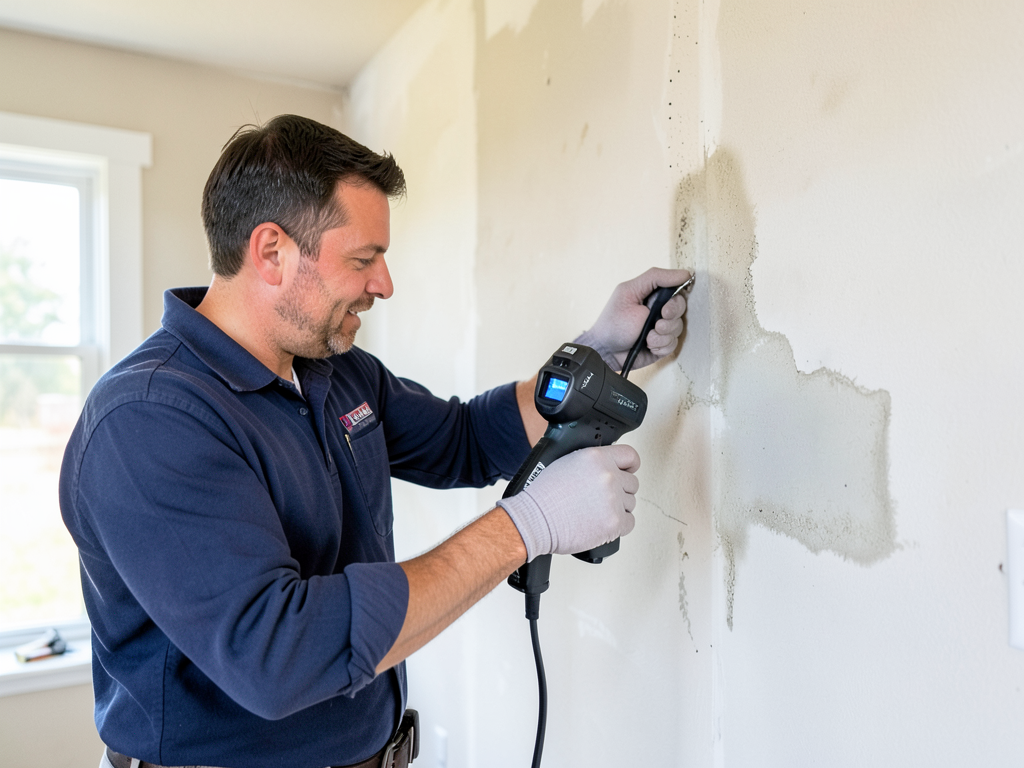
Professional restoration technicians use thermal imaging cameras to detect moisture behind walls that shop vacs cannot reach. These infrared leak detection tools reveal hidden pockets of water that become secondary damage sources if ignored. The cost of missing these areas often exceeds the price of professional cleanup by thousands of dollars in mold remediation and structural repairs. EPA Mold Resources.
The Real Cost of DIY Water Restoration in Dallas Homes
DIY water cleanup equipment rental costs add up quickly. A commercial-grade air mover rents for $25-40 per day while an LGR dehumidifier costs $75-125 daily. You need multiple units running 24/7 for proper structural drying which means $300-600 in equipment costs alone for a three-day job. Professional restoration companies own fleets of these machines and deploy them strategically based on psychrometric calculations that determine optimal drying conditions. Trustworthy Water Damage Restoration Services in Preston Hollow.
Hidden costs of DIY failure include warped hardwood floors that require sanding and refinishing at $3-8 per square foot. Drywall replacement costs $1.50-3.00 per square foot plus painting. Most critically, insurance companies may deny claims if DIY efforts fail to meet the Texas Department of Insurance “duty to mitigate” requirements. Professionals provide moisture maps and documentation that satisfy adjuster requirements and prevent claim disputes. Saving Your Hardwood Floors After Water Damage in Dallas.
Why Dallas Humidity Makes Professional Drying Essential
Dallas experiences relative humidity levels averaging 65-75% during summer months. This moisture-laden air prevents effective evaporation even with fans running. Professional LGR dehumidifiers remove 20-30 gallons of water per day from the air while consumer-grade units extract only 2-5 gallons. The science of psychrometrics shows that proper structural drying requires maintaining specific temperature and humidity ratios that change hourly based on outdoor conditions. Quick Water Damage Cleanup for Uptown Dallas Condos and Apartments.
North Texas clay soil expands and contracts with moisture changes creating foundation movement that can cause plumbing leaks. These slab leaks often go undetected until significant damage occurs. Professional restoration teams use acoustic leak detection equipment that listens for the sound of water escaping under concrete. This diagnostic capability prevents recurring damage that DIY cleanup cannot address. What to Do When a Pipe Bursts in Your North Dallas Kitchen.
Insurance Claims and Documentation: The Professional Advantage
Insurance adjusters require specific documentation to process water damage claims. Professional restoration companies provide moisture mapping reports using penetrating and non-penetrating moisture meters at multiple depths. Thermal imaging cameras create visual documentation of water migration patterns behind walls and under floors. These tools generate reports with date-stamped photos and moisture readings that create an indisputable timeline of damage and mitigation efforts.. Read more about How Much Does Water Damage Restoration Actually Cost in the Dallas Metroplex?.
DIY cleanup often lacks this documentation chain. Without professional moisture readings showing that all affected materials reached safe drying standards, adjusters may question whether secondary damage occurred due to insufficient drying. This documentation gap can result in claim denials or reduced settlements that cost homeowners thousands in out-of-pocket expenses.. Read more about Navigating Water Damage Insurance Claims in Dallas Without the Stress.
Red Flags That Demand Immediate Professional Help
Certain water damage situations require professional intervention regardless of cost considerations. Sewage backups contain harmful bacteria including E. coli and Salmonella that pose serious health risks. Water behind walls or under flooring indicates Category 2 or 3 contamination requiring containment procedures. Areas larger than 10 square feet affected by water damage create conditions where DIY drying cannot achieve safe moisture content levels within the critical 48-hour window.. Read more about How Long Does the Professional Water Drying Process Usually Take?.
Electrical hazards from water contacting outlets or wiring require immediate professional assessment. Professional restoration teams coordinate with licensed electricians to ensure safe working conditions. They also test for asbestos in older Dallas homes built before 1980, as water damage can release harmful fibers from insulation and flooring materials.. Read more about Restoring Dallas Commercial Properties After Major Water Damage.
Professional vs DIY Water Damage Restoration: Cost and Capability Comparison
| Restoration Aspect | Professional Service | DIY Approach | Equipment Access | Industrial LGR dehumidifiers, air movers, thermal cameras | Consumer fans, shop vacs, rental dehumidifiers |
|---|---|---|
| Moisture Detection | Thermal imaging, penetrating/ non-penetrating meters | Visual inspection only |
| Insurance Documentation | Moisture maps, photo documentation, adjuster reports | Receipts for equipment rental only |
| Health Risk Management | Hazmat protocols for Category 2/3 water | Basic PPE if remembered |
| Completion Time | 3-5 days average for full structural drying | 1-2 weeks with uncertain results |
| Secondary Damage Risk | Minimal with proper drying protocols | High due to incomplete moisture removal |
DIY Water Cleanup: When It Makes Sense in Dallas
Small clean water spills under 10 square feet can be safely handled by homeowners with proper precautions. Category 1 water from a leaking ice maker or minor supply line drip falls into this category. The key is acting within the first 24 hours before humidity allows microbial growth to begin. Use multiple fans to create cross-ventilation and run a dehumidifier continuously. Check materials with a moisture meter after 48 hours to ensure readings stay below 16%.
Hard surfaces like tile and sealed concrete dry quickly without special equipment. Remove standing water with a wet vacuum and clean with antimicrobial solution. Monitor the area for musty odors which indicate hidden moisture pockets. Dallas homes with pier-and-beam foundations require checking crawl spaces for water accumulation, as these areas trap moisture and create ideal conditions for mold growth.. Read more about Fast Help for Flooded Basements in the Dallas Area.
The Hidden Structural Risks of Incomplete DIY Drying
Water wicks upward through drywall at approximately one inch per hour. A six-inch flood line can result in moisture reaching 24 inches high within four hours. This hidden moisture creates perfect conditions for mold behind walls while the visible surface appears dry. Professional restoration teams remove baseboard trim and drill small holes to circulate air behind walls, a step most DIYers skip.
Subfloor moisture content above 12% causes warping and delamination in engineered wood products. This damage often appears weeks after the initial water event, long after DIY cleanup efforts have ended. Professional moisture mapping identifies these problem areas before permanent damage occurs. The cost of replacing subflooring and underlayment often exceeds the price of professional drying services.
Making the Right Call: Your Water Damage Decision Guide
Water damage restoration requires balancing speed, cost, and health risks. Clean water under 10 square feet with immediate action can be safely handled by homeowners. Any sewage involvement, water behind walls, or area larger than 10 square feet demands professional help. Dallas humidity creates a 48-hour window where DIY efforts must achieve complete drying or risk secondary damage.
Professional restoration costs vary based on damage extent but typically range from $1,500 to $7,000 for residential water damage. This investment includes proper drying equipment, moisture monitoring, and documentation that protects your home value and insurance coverage. The alternative often costs more in mold remediation, which averages $15-30 per square foot, plus potential health impacts from exposure to microbial growth.
Don’t let water damage escalate from a manageable cleanup to a major restoration project. If you’re unsure about the extent of damage or notice any warning signs mentioned above, call (972) 886-5955 immediately. Our certified technicians arrive within 60 minutes with the equipment and expertise to protect your Dallas home from further damage.
Frequently Asked Questions
How long does it take for mold to grow after water damage?
Under Dallas humidity conditions, mold can begin growing within 24-48 hours after water exposure. Category 2 and 3 water sources accelerate this timeline due to higher organic content. Professional drying within this window prevents most mold growth, which is why emergency response times matter significantly.
Will my insurance cover water damage restoration?
Most homeowner insurance policies cover sudden and accidental water damage from plumbing failures. Coverage typically excludes flood damage and gradual leaks from poor maintenance. Professional restoration companies provide documentation that satisfies insurance requirements and maximizes claim approval chances.
What’s the difference between water mitigation and water restoration?
Water mitigation involves emergency services to prevent further damage, including water extraction and initial drying. Water restoration encompasses complete structural drying, cleaning, and repairs to return the property to pre-loss condition. Both phases are often necessary for comprehensive recovery.
Can I stay in my home during water damage restoration?
Safety depends on damage extent and water category. Clean water damage in isolated areas may allow continued occupancy. Sewage backups or extensive damage require temporary relocation. Professional restoration teams assess air quality and structural safety to determine appropriate occupancy recommendations.
How do professionals detect hidden water damage?
Professionals use thermal imaging cameras to detect temperature differences indicating moisture behind walls. Moisture meters measure water content in materials at specific depths. Acoustic leak detection equipment locates water movement in pipes and under concrete slabs. These tools reveal damage invisible to visual inspection.
Water damage decisions impact your home’s safety and value for years. When in doubt, professional assessment prevents costly mistakes. Call (972) 886-5955 for 24/7 emergency response and protect your Dallas property from escalating damage.
You may also find this helpful. What Happens When Your Washing Machine Overflows in a Second Floor Laundry Room.
You may also find this helpful. 5 Red Flags to Watch for When Hiring a Water Restoration Company in Addison.
{
“@context”: “https://schema.org”,
“@type”: “BlogPosting”,
“headline”: “Should You DIY Water Cleanup or Call a Professional in Southlake?”,
“description”: “Dallas homeowners face hidden risks when handling water damage themselves. Learn when DIY is safe and when you need a pro to prevent mold, structural issues, and costly mistakes.”,
“wordCount”: 1660,
“datePublished”: “2026-03-05T11:08:00.000Z”,
“dateModified”: “2026-03-05T11:08:00.000Z”,
“inLanguage”: “en-US”,
“mainEntityOfPage”: {
“@type”: “WebPage”,
“@id”: “https://peakwaterdamagerestorationdallas.com”
},
“publisher”: {
“@type”: “LocalBusiness”,
“name”: “Peak Water Damage Restoration Dallas”,
“url”: “https://peakwaterdamagerestorationdallas.com”
},
“author”: {
“@type”: “Organization”,
“name”: “Peak Water Damage Restoration Dallas”,
“url”: “https://peakwaterdamagerestorationdallas.com”
},
“image”: {
“@type”: “ImageObject”,
“url”: “https://peakwaterdamagerestorationdallas.com/wp-content/uploads/2026/03/should-you-diy-water-cleanup-or-call-a-professiona-1.png”
}
}
{
“@context”: “https://schema.org”,
“@type”: “LocalBusiness”,
“name”: “Peak Water Damage Restoration Dallas”,
“url”: “https://peakwaterdamagerestorationdallas.com”,
“address”: {
“@type”: “PostalAddress”,
“addressLocality”: “Dallas”
},
“areaServed”: {
“@type”: “City”,
“name”: “Dallas”
}
}
{
“@context”: “https://schema.org”,
“@type”: “FAQPage”,
“mainEntity”: [
{
“@type”: “Question”,
“name”: “How long does it take for mold to grow after water damage?”,
“acceptedAnswer”: {
“@type”: “Answer”,
“text”: “Under Dallas humidity conditions, mold can begin growing within 24-48 hours after water exposure. Category 2 and 3 water sources accelerate this timeline due to higher organic content. Professional drying within this window prevents most mold growth, which is why emergency response times matter significantly.”
}
},
{
“@type”: “Question”,
“name”: “Will my insurance cover water damage restoration?”,
“acceptedAnswer”: {
“@type”: “Answer”,
“text”: “Most homeowner insurance policies cover sudden and accidental water damage from plumbing failures. Coverage typically excludes flood damage and gradual leaks from poor maintenance. Professional restoration companies provide documentation that satisfies insurance requirements and maximizes claim approval chances.”
}
},
{
“@type”: “Question”,
“name”: “What’s the difference between water mitigation and water restoration?”,
“acceptedAnswer”: {
“@type”: “Answer”,
“text”: “Water mitigation involves emergency services to prevent further damage, including water extraction and initial drying. Water restoration encompasses complete structural drying, cleaning, and repairs to return the property to pre-loss condition. Both phases are often necessary for comprehensive recovery.”
}
},
{
“@type”: “Question”,
“name”: “Can I stay in my home during water damage restoration?”,
“acceptedAnswer”: {
“@type”: “Answer”,
“text”: “Safety depends on damage extent and water category. Clean water damage in isolated areas may allow continued occupancy. Sewage backups or extensive damage require temporary relocation. Professional restoration teams assess air quality and structural safety to determine appropriate occupancy recommendations.”
}
},
{
“@type”: “Question”,
“name”: “How do professionals detect hidden water damage?”,
“acceptedAnswer”: {
“@type”: “Answer”,
“text”: “Professionals use thermal imaging cameras to detect temperature differences indicating moisture behind walls. Moisture meters measure water content in materials at specific depths. Acoustic leak detection equipment locates water movement in pipes and under concrete slabs. These tools reveal damage invisible to visual inspection.”
}
}
]
}
{
“@context”: “https://schema.org”,
“@type”: “BreadcrumbList”,
“itemListElement”: [
{
“@type”: “ListItem”,
“position”: 1,
“name”: “Home”,
“item”: “https://peakwaterdamagerestorationdallas.com”
},
{
“@type”: “ListItem”,
“position”: 2,
“name”: “Blog”,
“item”: “https://peakwaterdamagerestorationdallas.com/blog”
},
{
“@type”: “ListItem”,
“position”: 3,
“name”: “Should You DIY Water Cleanup or Call a Professional in Southlake?”
}
]
}
{
“@context”: “https://schema.org”,
“@type”: “Service”,
“serviceType”: “Water Damage Restoration”,
“provider”: {
“@type”: “LocalBusiness”,
“name”: “Peak Water Damage Restoration Dallas”,
“url”: “https://peakwaterdamagerestorationdallas.com”
},
“areaServed”: {
“@type”: “City”,
“name”: “Dallas”
},
“description”: “Dallas homeowners face hidden risks when handling water damage themselves. Learn when DIY is safe and when you need a pro to prevent mold, structural issues, and costly mistakes.”
}