Menu

Water Mitigation vs Restoration in Dallas – Understanding the Critical Difference That Protects Your Property

Know exactly what water mitigation vs restoration means for your Dallas property so you can make informed decisions, work effectively with insurance adjusters, and protect your investment from hidden damage that worsens over time.

Slider Image 1
Slider Image 2
Slider Image 3
Slider Image 4
Slider Image 5
Slider Image 7
Slider Image 8
Slider Image 9
Slider Image 10
Slider Image 11

Why Dallas Property Owners Need to Know the Difference Between Water Mitigation and Restoration

When water invades your Dallas property, confusion about terminology can delay critical response and cost you thousands. The difference between water mitigation and restoration determines your timeline, your insurance coverage, and whether hidden moisture turns into structural failure.

Dallas properties face unique water damage risks. Our clay soil expands when saturated and contracts during drought cycles, which creates foundation cracks that channel water into basements and crawl spaces. Summer storms drop intense rainfall that overwhelms drainage systems in older neighborhoods like Oak Cliff and East Dallas. When water damage strikes, you hear professionals use different terms, but the distinction matters.

Water damage mitigation vs restoration represents two separate phases of recovery. Mitigation stops ongoing damage. Restoration rebuilds what was lost. Insurance adjusters evaluate these phases differently. Your policy may cover emergency mitigation immediately while restoration requires approval and documentation.

The confusion between water remediation vs restoration adds another layer. Some contractors use these terms interchangeably, but precision matters when you file claims. Mitigation focuses on damage control within the first 24 to 72 hours. Restoration begins after mitigation creates a stable environment. The gap between mitigation vs reconstruction can span days or weeks, depending on drying times and material replacement needs.

Understanding water cleanup vs water repair helps you set realistic expectations. Cleanup removes standing water and prevents mold. Repair rebuilds walls, floors, and systems. Dallas's high humidity extends drying times compared to arid climates. Your property needs both phases completed correctly, or you face recurring moisture problems that compromise indoor air quality and property value.

Why Dallas Property Owners Need to Know the Difference Between Water Mitigation and Restoration
How We Execute Water Mitigation and Restoration as Distinct, Sequential Processes

How We Execute Water Mitigation and Restoration as Distinct, Sequential Processes

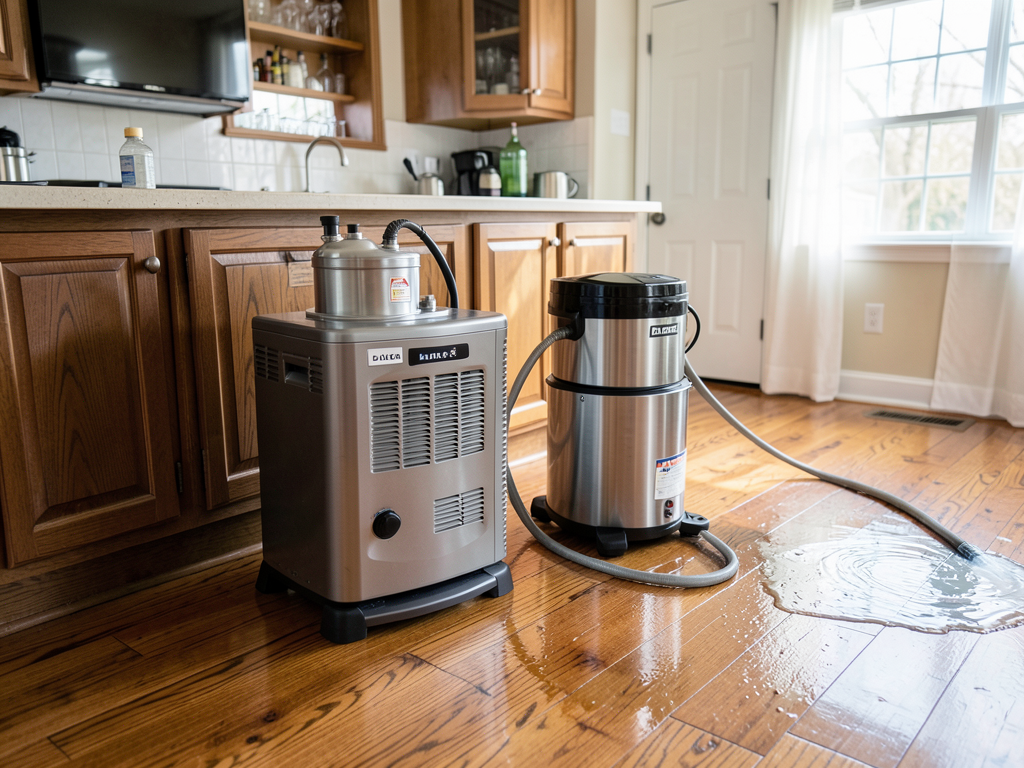
Liberty Water Damage Restoration Riverside treats mitigation and restoration as separate but coordinated operations. We begin every water damage project with immediate mitigation to halt ongoing losses. Our technicians extract standing water using truck-mounted pumps capable of removing thousands of gallons per hour. We deploy commercial air movers and LGR dehumidifiers to reduce humidity levels below the threshold where microbial growth occurs.

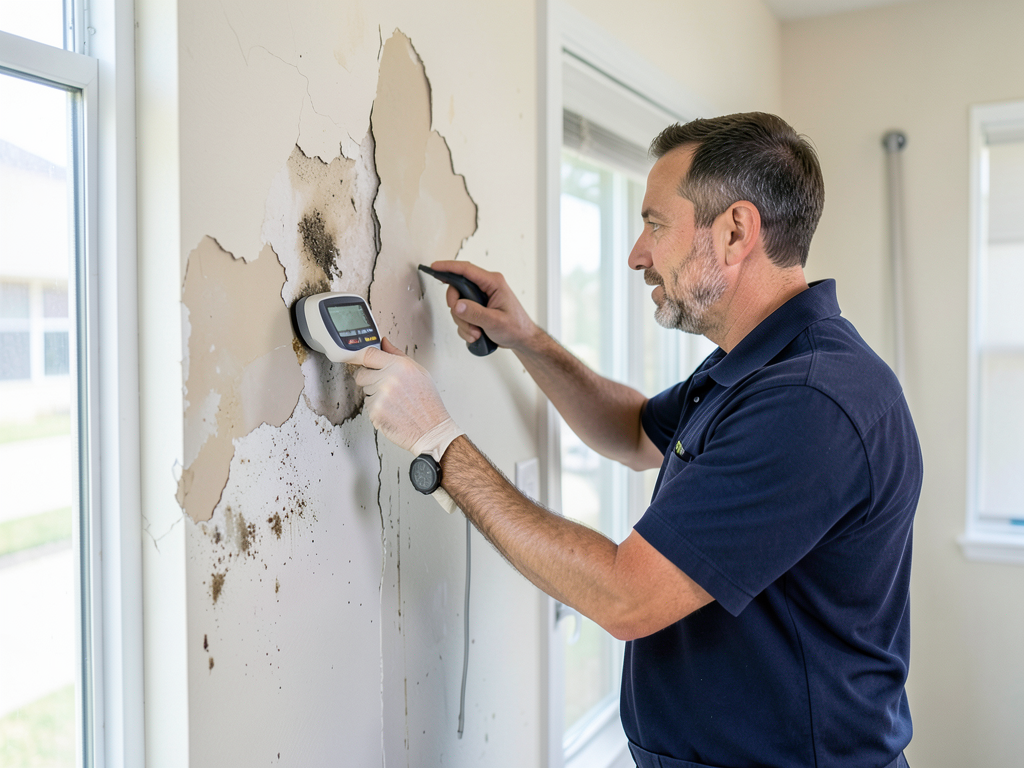
Mitigation includes documenting moisture levels with penetrating and non-penetrating moisture meters. We map affected areas using thermal imaging cameras that detect hidden water behind walls and under flooring. This documentation protects your insurance claim. Adjusters need proof of the initial damage extent and our mitigation efforts. We photograph every step and maintain detailed logs that track moisture reduction over time.

After we stabilize the environment and achieve acceptable moisture readings, restoration begins. This phase replaces damaged materials that cannot be salvaged. We remove water-logged drywall, compromised insulation, and buckled flooring. Our crews understand Dallas building codes and work with inspectors to ensure repairs meet current standards. Older homes in neighborhoods like Lakewood and Highland Park often require updates to electrical and plumbing systems during restoration.

We coordinate with your insurance company throughout both phases. Mitigation costs typically receive faster approval because they prevent additional damage. Restoration estimates require detailed scope documents and material specifications. We itemize labor, materials, and timelines so you understand what happens next. Our project managers communicate directly with adjusters to resolve questions and expedite approvals.

The transition from mitigation to restoration depends on verified drying. We never begin reconstruction until moisture meters confirm structural materials have returned to normal levels. Rushing this process traps moisture behind new finishes and creates conditions for hidden mold growth and wood rot.

What You Experience During Water Mitigation and Restoration in Dallas

Water Mitigation vs Restoration in Dallas – Understanding the Critical Difference That Protects Your Property
01

Emergency Mitigation Response

We arrive within hours of your call to stop water intrusion and begin extraction. Our team assesses the source, shuts off water if needed, and removes standing water using industrial extraction equipment. We set up drying equipment strategically based on airflow patterns and moisture mapping. You receive immediate documentation for insurance purposes, including photos, moisture readings, and a preliminary scope of affected areas.
02

Monitoring and Documentation

Over the next three to five days, we monitor moisture levels daily and adjust equipment placement as needed. Our technicians document drying progress with dated readings that prove mitigation effectiveness. You receive updates on timeline and when we expect to achieve dry standard. This phase prevents mold growth and prepares surfaces for restoration. We maintain communication with your insurance adjuster to keep your claim moving forward.
03

Restoration and Rebuild

Once drying is complete and verified, we transition to restoration work. Our construction team removes damaged materials, treats any microbial growth, and begins rebuilding affected areas. We match existing finishes when possible and upgrade materials to current code requirements where needed. You receive a detailed timeline for completion and regular progress updates. Final walkthrough ensures you approve all work before we close the project and finalize insurance documentation.

Why Dallas Property Owners Trust Liberty Water Damage Restoration Riverside for Both Phases

Liberty Water Damage Restoration Riverside operates as a single-source provider for both water mitigation and restoration in Dallas. This eliminates the coordination problems that occur when you hire separate companies for each phase. We maintain accountability from emergency response through final repairs, which streamlines your insurance claim and prevents gaps in service.

Our technicians understand Dallas-specific challenges. We know how the local clay soil affects foundation drainage and where water typically enters homes in different neighborhoods. Properties in the M Streets face different issues than homes in North Oak Cliff. We adjust our approach based on your property's age, construction type, and the water source involved.

We maintain relationships with local insurance adjusters and understand what documentation they require. Our estimates follow Xactimate pricing, which matches what most insurance companies use for claim evaluation. This consistency reduces disputes and speeds approval. We advocate for complete repairs rather than minimal patches that fail within months.

Our equipment inventory includes commercial-grade extraction units, hydroxyl generators for odor control, and enough air movers and dehumidifiers to handle properties of any size. We do not rent equipment or subcontract critical phases. This gives us quality control and ensures we can respond immediately when you need emergency service.

Dallas properties require specialized knowledge during restoration. Homes built before 1980 may contain asbestos in popcorn ceilings or lead paint on trim. We follow EPA protocols for safe removal and disposal. Newer construction in areas like Bishop Arts and Uptown uses engineered lumber that requires different drying techniques than solid wood framing. We adapt our restoration methods to match your property's specific materials and construction methods.

You work with one project manager from initial call through final inspection. This continuity ensures nothing gets lost in handoffs between teams.

What to Expect When You Choose Liberty Water Damage Restoration Riverside

Rapid Mitigation Response

We dispatch a mitigation crew within two to four hours of your call, 24 hours a day. Emergency mitigation begins immediately to prevent secondary damage. Our trucks carry extraction equipment, moisture detection tools, and drying equipment so we start work on the first visit. You receive a preliminary assessment and mitigation plan before we leave your property on day one. Water extraction typically completes within the first few hours. Drying equipment remains in place for three to seven days depending on material saturation levels and affected square footage.

Thorough Damage Assessment

We conduct comprehensive moisture mapping using calibrated meters and thermal imaging cameras. This reveals hidden water in wall cavities, under flooring, and above ceilings that visual inspection misses. You receive a detailed report with photos, moisture readings, and affected material lists. We identify which materials can be dried and saved versus what requires replacement. Our assessment includes testing for potential microbial growth if water remained for more than 48 hours. This documentation supports your insurance claim and guides restoration planning.

Complete Property Restoration

After mitigation confirms dry conditions, we execute a detailed restoration plan that returns your property to pre-loss condition or better. Our crews handle demolition, framing, drywall, painting, and finish work. We coordinate with licensed plumbers and electricians when water damage affects mechanical systems. You receive a fixed timeline with milestone dates for major phases. We match existing materials and finishes when possible or provide upgrade options that meet current code requirements. Final inspection ensures every detail meets your approval before we consider the project complete.

Post-Restoration Support

We provide follow-up moisture testing 30 days after restoration completion to verify no hidden moisture remains. You receive maintenance recommendations specific to your property type and the damage that occurred. We document all work with photos and material specifications for your records. Our project files remain available if you need information for future insurance claims or property sales. We maintain communication with your insurance company through claim closure and handle any supplemental documentation requests. If questions arise after project completion, you contact the same project manager who oversaw your restoration.

Frequently Asked Questions

You Have Questions,
We Have Answers

What is the difference between restoration and remediation of water? +

Water restoration and remediation are often used interchangeably, but remediation focuses narrowly on removing contaminants and hazards. If sewage backs up into your Dallas home, remediation means sanitizing and eliminating bacteria. Restoration is broader. It includes remediation plus repairing damage, replacing drywall, and returning your property to pre-loss condition. Think of remediation as the cleanup phase and restoration as the rebuild phase. In Dallas, where humidity accelerates mold growth after water events, both processes matter. You need contamination removal first, then structural repairs to close out the job completely.

What is mitigation and restoration? +

Mitigation stops ongoing damage. Restoration fixes what was damaged. When a pipe bursts in your Dallas property, mitigation means extracting standing water, setting up dehumidifiers, and preventing mold from taking hold in the first 48 hours. Restoration comes next. It involves replacing soaked carpet, repairing drywall, repainting walls, and making your space livable again. Mitigation is the emergency response. Restoration is the reconstruction. Dallas humidity makes fast mitigation critical because moisture trapped in building materials turns into mold quickly. You need both steps to fully recover from water damage.

What is included in water mitigation? +

Water mitigation includes emergency water extraction, structural drying, moisture mapping, and mold prevention. Technicians remove standing water with pumps, then use air movers and commercial dehumidifiers to dry affected areas. They monitor moisture levels in walls, floors, and ceilings using infrared cameras and moisture meters. In Dallas, where high humidity slows natural drying, equipment runs continuously for days. Mitigation also involves removing wet contents, treating surfaces with antimicrobial solutions, and documenting damage for insurance claims. The goal is stopping further harm before reconstruction begins. Mitigation is time-sensitive work that protects your property's structural integrity.

What does water restoration mean? +

Water restoration means returning your property to its pre-damage condition after water intrusion. It begins after mitigation stops the immediate threat. Restoration includes replacing drywall, installing new flooring, repainting walls, and rebuilding damaged structures. If water soaked your Dallas home's subflooring, restoration involves tearing out compromised materials and installing new ones. The process addresses visible damage and hidden issues like weakened framing. Restoration contractors coordinate with insurance adjusters, obtain permits, and ensure repairs meet local building codes. In Dallas, where storms and plumbing failures cause frequent water damage, restoration completes the recovery process mitigation started.

What is the difference between water mitigation and restoration? +

Water mitigation stops damage from getting worse. Water restoration repairs the damage already done. Mitigation is the emergency phase. It involves extracting water, drying structures, and preventing mold within hours of discovery. Restoration is the repair phase. It replaces ruined materials, rebuilds walls, and makes your Dallas property livable again. Mitigation happens first and fast. Restoration follows once everything is dry and stable. Think of mitigation as triage and restoration as surgery. Dallas properties need both because stopping water spread quickly prevents costlier reconstruction later. Each phase requires different equipment, expertise, and timelines.

What is the average cost of water mitigation? +

Water mitigation costs vary based on water source, affected area size, and damage severity. Dallas properties face different expenses depending on whether clean water from a supply line or contaminated water from sewage caused the damage. Category 3 water requires more intensive treatment. Mitigation pricing considers square footage, equipment runtime, and labor hours. Most Dallas homeowners pay for water extraction, drying equipment, moisture monitoring, and antimicrobial treatments. Insurance often covers mitigation costs if damage resulted from a covered peril. Get multiple estimates and ask how Dallas humidity affects drying time, which impacts total cost.

What are the 4 types of mitigation? +

The four types of mitigation in water damage are avoidance, reduction, transfer, and acceptance. Avoidance means preventing water intrusion through maintenance and inspections. Reduction involves minimizing damage impact by acting fast when water enters your Dallas property. Transfer shifts financial risk through insurance coverage. Acceptance means understanding some risk remains even with precautions. In practical water damage response, mitigation focuses on reduction by extracting water quickly, drying structures thoroughly, and preventing secondary damage like mold. Dallas properties benefit most from reduction strategies because high humidity accelerates damage progression. Fast action during mitigation protects your investment.

Is remediation the same as restoration? +

Remediation and restoration are related but different. Remediation removes hazards and contaminants. If mold grows in your Dallas property after water damage, remediation means isolating the area, removing mold colonies, and treating surfaces. Restoration goes further by repairing structural damage and returning spaces to original condition. Remediation focuses on health and safety. Restoration focuses on rebuilding. You might need remediation without restoration if contamination is minimal. But most Dallas water damage events require both. Remediation cleans up the mess. Restoration makes your property whole again. Both processes protect property value and occupant health.

When to call a water restoration company? +

Call a water restoration company immediately when you discover water damage. Do not wait. Dallas humidity causes mold growth within 24 to 48 hours of water exposure. Call if you see standing water, soggy drywall, wet carpet, ceiling stains, or burst pipes. Call after storms flood your property or when sewage backs up. Water spreads quickly through porous materials. Professional companies respond 24/7 because timing determines damage severity. They bring industrial equipment your wet-dry vacuum cannot match. Early intervention saves money and prevents health hazards. If water damage affects more than a small spill, call professionals immediately.

Is water mitigation covered by insurance? +

Water mitigation is often covered by homeowners insurance if damage results from a covered peril like burst pipes, storm flooding, or appliance malfunctions. Dallas insurers typically pay for emergency water extraction, drying, and mold prevention when damage is sudden and accidental. Gradual damage from long-term leaks usually is not covered. Review your policy for exclusions. Some Dallas properties need separate flood insurance for coverage. Insurance adjusters evaluate whether mitigation costs are reasonable and necessary. Document everything with photos and keep receipts. File claims quickly because delays can void coverage. Most policies cover mitigation but exclude maintenance-related damage.

How Dallas Clay Soil and Flash Flooding Create Urgent Mitigation Needs

Dallas sits on expansive clay soil that swells dramatically when saturated and shrinks during dry periods. This constant movement creates foundation cracks and gaps around penetrations where water enters during heavy rain. Our summers bring intense thunderstorms that drop several inches of rain in under an hour, overwhelming storm drains in older neighborhoods. When water enters your property through foundation cracks or failed grading, immediate mitigation prevents the water from spreading through capillary action into walls and subflooring. The difference between water mitigation and restoration becomes critical because Dallas humidity levels slow natural drying. Delayed mitigation allows moisture to wick vertically through porous materials like concrete block and drywall.

Liberty Water Damage Restoration Riverside maintains deep familiarity with Dallas construction methods across different eras and neighborhoods. We understand pier and beam foundations common in East Dallas require different mitigation approaches than slab-on-grade construction in newer suburbs. Our technicians know local building codes and work with Dallas city inspectors regularly. This local expertise ensures restoration work meets current standards and passes inspection on the first attempt. When insurance adjusters evaluate claims, they recognize contractors who demonstrate consistent quality and proper documentation. Our reputation with local adjusters helps expedite approvals and reduces disputes over scope and pricing.
Water Damage Services in The Dallas Area

We are proud to serve the entire Dallas area and surrounding communities. Our strategically located office allows for quick and efficient dispatch of our teams to your location, ensuring a rapid response to your water damage emergency. View our service area on the map to see how we can assist you, and don't hesitate to contact us for immediate help no matter where you are.

Address:
Peak Water Damage Restoration Dallas, 3510 Ross Ave, Dallas, TX, 75204

Additional Services We Offer

Our news updates

Latest Articles & News from The Blogs

Fixing a Leaky Beer Tap or Kegerator Before it Destroys Your Dallas Man Cave A slow drip from your beer…

Fixing a Leaky Beer Tap or Kegerator Before it Destroys Your Dallas Man Cave

Fixing a Leaky Beer Tap or Kegerator Before it Destroys Your Dallas Man Cave A slow drip from your beer…

How Hairline Cracks in Your Stucco Exterior are Letting Water Into Your Preston Hollow Home

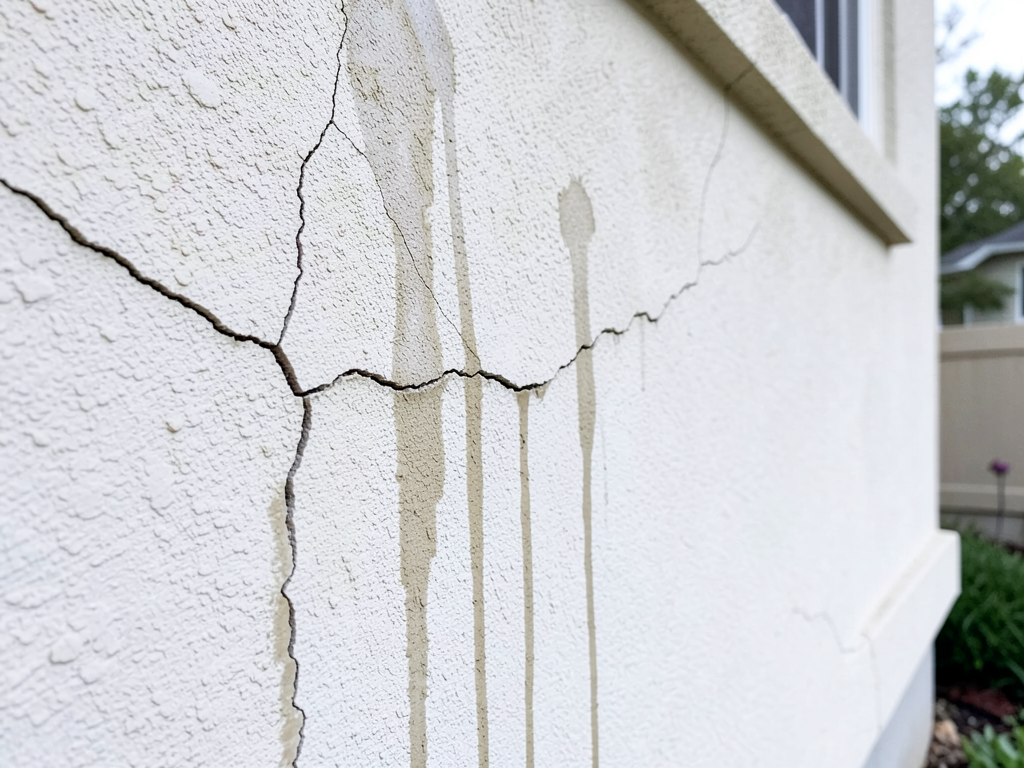
How Hairline Cracks in Your Stucco Exterior are Letting Water Into Your Preston Hollow Home Stucco cracks wider than a…

How the Dallas Heat Accelerates Mold Growth Within Just Hours of a Pipe Burst

How the Dallas Heat Accelerates Mold Growth Within Just Hours of a Pipe Burst The Dallas heat and humidity create…

Contact Us

Water damage requires immediate action and expert follow-through. Call Liberty Water Damage Restoration Riverside at (972) 886-5955 right now for emergency mitigation response. We handle both phases so you work with one team from crisis to completion.