


Grand Prairie sits in a flood-prone corridor between the Trinity River and Mountain Creek Lake, making properties vulnerable to flash flooding during North Texas storm season. The city's mix of clay and sandy loam soil creates drainage problems that funnel water toward foundations, particularly in older neighborhoods near downtown and areas south of Interstate 20. Spring thunderstorms drop 3 to 5 inches of rain in hours, overwhelming aging storm drains and causing backup flooding in areas like Dalworth Park and Lake Ridge.
The combination of high humidity and temperature swings creates perfect conditions for mold growth within 24 to 48 hours of water intrusion. Grand Prairie's housing stock includes thousands of homes built in the 1970s and 1980s with original plumbing that's reaching failure age. Slab foundation homes common throughout the city are especially vulnerable to hidden slab leaks that go undetected until serious damage appears. Properties near Joe Pool Lake face additional risks from rising water levels during wet seasons, while homes in newer developments like Westchester often experience construction-related drainage issues.
Peak Water Damage Restoration Dallas has served Grand Prairie and the surrounding DFW metroplex for years, building a reputation for rapid response when disaster strikes. We understand that water damage creates panic, so we answer calls 24/7 and dispatch crews immediately to contain damage before it spreads. Our technicians arrive with truck-mounted extraction equipment, industrial dehumidifiers, and thermal imaging cameras to identify hidden moisture that leads to mold and structural damage.
We've restored hundreds of Grand Prairie properties, from flooded apartments near the Parks Mall area to storm-damaged homes in Westchester and Lake Ridge. Our team knows how to navigate Grand Prairie's building codes and works directly with local insurance adjusters to streamline claims. We document everything with detailed moisture readings and photo evidence, removing the burden from property owners during an already stressful situation.
What sets us apart is our commitment to complete restoration, not just water removal. We don't disappear after extraction. Our crews stay until your property is dry, sanitized, and ready for repairs. We coordinate with qualified contractors for reconstruction when needed, managing the entire process so you deal with one company instead of juggling multiple vendors. Every job receives ongoing moisture monitoring to verify complete drying and prevent future mold growth. When you call Peak Water Damage Restoration Dallas, you get a dedicated project manager who stays with your job from emergency call to final walkthrough.

We dispatch crews to Grand Prairie locations within 60 minutes of your call, any time of day or night. Our rapid response stops water from spreading into walls, subflooring, and adjacent rooms, minimizing damage and reducing restoration costs. Fast action is the difference between minor cleanup and major reconstruction.

Our team works directly with your insurance company, providing detailed documentation and moisture readings that adjusters need to approve claims quickly. We handle the paperwork, communicate with adjusters, and advocate for full coverage of restoration costs so you can focus on getting back to normal instead of fighting with insurance.
Every technician on our crews holds IICRC certification in water damage restoration and applied structural drying. We follow strict industry protocols for extraction, drying, and antimicrobial treatment. Our training ensures proper moisture removal that prevents mold growth and structural issues that appear months after inadequate drying.
You get a dedicated project manager who oversees your entire restoration from initial assessment through final inspection. We coordinate with contractors for repairs, schedule all work, and provide daily updates on progress. One point of contact eliminates confusion and keeps your project moving forward without delays or miscommunication.
Peak Water Damage Restoration Dallas provides full-spectrum water damage remediation for residential and commercial properties throughout Grand Prairie. Water intrusion takes many forms, from catastrophic flooding to slow leaks that damage structures over time. Each situation requires different equipment, techniques, and timelines for proper restoration. Our services include emergency water extraction, structural drying, dehumidification, mold remediation, content restoration, and reconstruction coordination.
We handle damage from all sources including burst pipes, appliance failures, roof leaks, storm flooding, sewage backups, and foundation intrusion. Our truck-mounted extraction systems remove standing water in minutes, while commercial-grade air movers and dehumidifiers dry structures completely to prevent secondary damage. Thermal imaging cameras detect hidden moisture in walls and ceilings that standard meters miss. Every project receives continuous monitoring until moisture levels return to normal, ensuring complete drying that protects against mold and rot.
When water floods your property, immediate extraction prevents damage from spreading. Our emergency crews arrive with truck-mounted pumps capable of removing thousands of gallons per hour, along with portable extractors for hard-to-reach areas. We remove standing water, extract moisture from carpets and padding, and begin structural drying immediately. Fast water removal minimizes damage to flooring, drywall, and contents while reducing restoration time and costs. Available 24/7 for burst pipes, appliance failures, and storm flooding.
Removing standing water is just the first step. Moisture trapped in walls, subflooring, and framing leads to mold growth and structural rot within days. Our technicians use industrial dehumidifiers and high-velocity air movers to dry structures completely, following IICRC protocols for applied structural drying. We monitor moisture levels daily with calibrated meters and thermal imaging, adjusting equipment placement until readings confirm complete drying. This prevents hidden damage that appears months later as warped floors, crumbling drywall, and toxic mold growth.
Mold begins growing within 24 to 48 hours of water intrusion, releasing spores that spread throughout your property and create health hazards. Our mold remediation service includes containment to prevent spore spread, HEPA air filtration, removal of contaminated materials, antimicrobial treatment of affected surfaces, and post-remediation verification. We address the moisture source to prevent recurrence, whether it's a plumbing leak, condensation problem, or drainage issue. Proper remediation protects your property value and keeps your family safe from mold exposure.
Grand Prairie's location in the Trinity River floodplain, combined with aging infrastructure and North Texas weather patterns, creates multiple water damage scenarios for property owners. Flash flooding during spring and fall storm seasons overwhelms drainage systems, particularly in low-lying areas near creeks and lakes. The city's clay soil expands when wet and contracts during drought, creating foundation movement that cracks slab foundations and ruptures water lines. Many Grand Prairie homes were built between 1970 and 1990 with plumbing systems now reaching the end of their service life.
High humidity during summer months accelerates mold growth when water intrusion occurs, turning minor leaks into major remediation projects. Properties near Joe Pool Lake and Mountain Creek Lake face seasonal flooding risks, while homes in older neighborhoods deal with collapsing cast iron drain lines and corroded galvanized supply pipes. Understanding these common issues helps property owners recognize warning signs before minor problems become disasters.
Grand Prairie's expansive clay soil causes foundation movement that stresses water lines embedded in concrete slabs. Pinhole leaks develop in copper pipes, releasing water beneath floors where damage goes unnoticed until flooring warps or mold appears. Hot water lines fail more frequently due to thermal stress. Detecting and repairing slab leaks requires specialized equipment to avoid unnecessary concrete demolition.
Severe thunderstorms drop several inches of rain in hours, overwhelming storm drains and causing street flooding that enters homes and businesses. Properties in flood-prone areas near Mountain Creek and along drainage corridors experience repetitive flooding. Storm water carries contaminants requiring special cleaning protocols. Proper extraction and drying prevents permanent damage to flooring, drywall, and building materials.
Winter freezes, though rare in Grand Prairie, can burst exposed pipes in attics and exterior walls. More common are supply line failures in aging homes where corroded galvanized pipes or deteriorating flexible connectors fail without warning. A burst supply line releases gallons per minute, causing catastrophic damage within hours. Immediate shutoff and professional extraction prevents total loss of flooring, cabinets, and contents.
Water heaters, washing machines, dishwashers, and refrigerator ice makers develop leaks that flood homes. Failed supply hoses and corroded water heater tanks release hundreds of gallons before discovery. Toilet supply lines crack, and wax seals fail, allowing water to seep into subflooring. These failures often occur when residents are away, allowing extensive damage before detection and requiring complete restoration services.
Water damage creates stress and uncertainty. You need clear answers about what happens next, how long restoration takes, and what to expect from the process. Peak Water Damage Restoration Dallas provides transparent communication from your first call through final inspection. You'll speak with a live person when you call our emergency line, not an answering service. Our dispatch team asks key questions to prepare the right equipment and crew for your specific situation.
Your dedicated project manager arrives with the initial response crew to assess damage, answer questions, and explain the restoration plan. We provide written estimates, work directly with your insurance adjuster, and keep you informed with daily progress updates. Our goal is to remove uncertainty and stress by handling all coordination while keeping you in control of decisions affecting your property. You'll know what's happening, why it's necessary, and when each phase will complete.
When you call our emergency line, you reach a trained specialist who gathers essential information and dispatches a crew immediately. We provide an accurate arrival time and call when we're on the way. Your project manager introduces the crew, assesses damage, explains the restoration process, and answers all questions before work begins. We document everything with photos and moisture readings, providing copies for your records and insurance claim.
Your project manager checks moisture levels daily and provides progress reports on drying, equipment status, and estimated completion timeline. We adjust equipment placement based on readings and explain any changes to the restoration plan. You receive copies of daily moisture logs and can call your project manager anytime with questions or concerns. We maintain detailed records for insurance purposes and final verification of complete drying.
We don't remove equipment until moisture readings confirm complete structural drying. Final inspection includes verification with calibrated meters and thermal imaging to ensure no hidden moisture remains. We coordinate repairs with qualified contractors when reconstruction is needed, managing the entire project through completion. You receive final documentation showing moisture levels returned to normal, protecting you from future mold issues and providing proof for insurance closure.
Every water damage situation is different, but our systematic approach ensures thorough restoration regardless of the source or severity. Our three-phase process addresses immediate damage, completes structural drying, and verifies successful restoration.
Our crew arrives within 60 minutes to stop active water intrusion, perform emergency extraction, and assess damage extent. We document everything with photos and moisture readings, identify the water source, and create a restoration plan. Initial extraction removes standing water and prevents further spread into unaffected areas. We establish containment barriers when needed and begin structural drying immediately to minimize damage.
Industrial dehumidifiers and air movers run continuously to remove moisture from walls, floors, and framing. Our technicians monitor moisture levels daily with calibrated meters and thermal imaging cameras, adjusting equipment placement for maximum efficiency. This phase typically requires 3 to 5 days for standard water damage, longer for severe flooding or extensive saturation. We maintain detailed logs documenting moisture reduction until readings confirm complete drying.
Final inspection confirms all affected areas have returned to normal moisture levels. We perform antimicrobial treatment on affected surfaces to prevent mold growth. Equipment is removed only after verification shows complete drying. We coordinate with contractors for any needed repairs, providing documentation to your insurance company. You receive a complete report with before and after moisture readings proving successful restoration and protecting against future claims.
Professional water damage restoration follows strict industry standards established by the Institute of Inspection Cleaning and Restoration Certification. These protocols ensure complete moisture removal and prevent long-term problems that result from inadequate drying. Water damage is classified into three categories based on contamination level. Category 1 is clean water from supply lines or rain. Category 2 is gray water from appliances or toilet overflow containing contaminants. Category 3 is black water from sewage or flooding, requiring special handling and disposal of affected materials.
Restoration also considers four classes of water intrusion based on evaporation rate and affected materials. Class 1 affects minimal area with low absorption materials. Class 2 involves significant moisture absorption in walls and flooring. Class 3 includes overhead sources saturating walls and insulation. Class 4 requires specialty drying for materials like hardwood and concrete that absorb water slowly but release it even slower. Each class requires different equipment, techniques, and drying times.
Professional restoration uses psychrometry to measure temperature, humidity, and dew point, calculating vapor pressure and evaporation rates. Technicians create drying chambers with proper air movement and dehumidification tailored to specific conditions. Moisture meters measure water content in building materials, while thermal imaging cameras detect hidden moisture behind walls and ceilings. Equipment placement follows scientific principles to maximize evaporation and capture moisture efficiently. This systematic approach prevents common failures like surface drying that leaves moisture trapped in wall cavities, leading to mold growth and structural rot weeks after equipment removal.
The Institute of Inspection Cleaning and Restoration Certification establishes professional standards for water damage restoration. IICRC-certified technicians complete training in water damage restoration, applied structural drying, and health and safety protocols. Certification ensures technicians understand moisture science, proper equipment use, and documentation requirements. Hiring certified restorers protects property owners from inadequate work that leads to mold and structural problems.
Restoration costs depend on water category, affected square footage, materials involved, and drying time required. Category 3 black water costs more due to safety equipment and disposal requirements. Hardwood floors and plaster walls require longer drying than vinyl and drywall. Severe saturation affecting insulation and framing increases costs significantly. Most insurance policies cover sudden water damage, making professional documentation important for claim approval.
Standard water damage restoration takes 3 to 5 days for complete structural drying. Severe flooding or extensive saturation may require 7 to 10 days. Hardwood floors need 2 to 3 weeks for moisture content to stabilize. Reconstruction after demolition adds weeks depending on damage extent. Starting restoration immediately after water intrusion significantly reduces drying time and prevents secondary damage that extends timelines.
Most homeowner policies cover sudden and accidental water damage like burst pipes and appliance failures. Flood damage requires separate flood insurance. Proper documentation with photos, moisture readings, and detailed estimates ensures claim approval. Professional restorers provide documentation that meets insurance requirements, communicate directly with adjusters, and advocate for complete coverage of necessary work. Starting mitigation immediately satisfies policy requirements to prevent additional damage.
This video explains the professional water damage restoration process for Grand Prairie property owners, covering emergency response, water extraction, structural drying, and moisture monitoring. Learn how certified technicians assess damage, remove standing water, dry building materials completely, and verify successful restoration. The video discusses common water damage scenarios in Grand Prairie including flash flooding, slab foundation leaks, and plumbing failures, explaining why proper drying prevents mold growth and structural problems.
Peak Water Damage Restoration Dallas proudly serves all Grand Prairie neighborhoods and surrounding DFW communities. Our central location allows rapid response to emergencies throughout the city, from established neighborhoods near downtown Grand Prairie to newer developments in Westchester and Lake Ridge. We respond quickly to properties in Dalworth Park, where older homes face plumbing failures and drainage issues, and to the Parks Mall area where commercial properties require specialized restoration services.
Properties near Joe Pool Lake and Mountain Creek Lake face unique flooding risks during heavy rain, requiring immediate response to prevent extensive damage. We serve homes throughout the South Grand Prairie area along Polk Street and Jefferson Avenue, where foundation movement commonly causes slab leaks. The Great Southwest area near Highway 360 includes both residential and commercial properties we've restored after storm damage and plumbing failures. North Grand Prairie neighborhoods along Belt Line Road benefit from our quick response times and understanding of the area's mix of older and newer construction.
We also serve properties in Arlington, Irving, and Dallas that border Grand Prairie, providing the same rapid response and professional restoration throughout the region. Our knowledge of North Texas construction methods, local weather patterns, and regional insurance practices benefits property owners across all communities we serve. Whether your property sits near the Trinity River in east Grand Prairie, along Interstate 20 in the southern part of the city, or in the growing residential areas west of Highway 360, we respond quickly with the right equipment and expertise for your specific situation. Our technicians know Grand Prairie's streets, understand the area's flood-prone zones, and recognize common water damage scenarios affecting properties throughout the city and surrounding areas.
Water damage restoration costs in Grand Prairie vary based on the damage category, affected square footage, and materials involved. Clean water extraction from a broken supply line costs less than gray water from appliance leaks or black water from sewage backups. A small bathroom leak might run a few hundred dollars, while extensive flooding affecting multiple rooms can reach several thousand. Your insurance deductible and coverage limits directly affect your out-of-pocket expense. Get a detailed assessment before work begins. Most reputable companies offer free inspections and work directly with your insurance adjuster to document damage and justify the scope of work.
Yes. Water damage restoration prevents far more expensive problems down the road. Untreated water damage leads to mold growth within 24 to 48 hours, structural deterioration, and permanent material damage. Grand Prairie homes built on clay soil already face foundation movement issues, water intrusion accelerates foundation damage and creates safety hazards. Professional restoration salvages belongings, prevents mold colonization, and documents the loss for insurance purposes. The cost of ignoring water damage always exceeds the restoration cost. You protect your property value, your family's health, and your ability to file a valid insurance claim by acting immediately.
Water damage restoration includes emergency water extraction, structural drying, moisture mapping, antimicrobial treatment, dehumidification, content pack-out and storage, demolition of unsalvageable materials, odor removal, and final restoration or rebuild coordination. Technicians use moisture meters and thermal imaging cameras to identify hidden water pockets behind walls and under flooring. They place commercial air movers and dehumidifiers to dry the structure completely. Documentation includes photos, moisture readings, and equipment logs for your insurance claim. The process addresses both visible damage and hidden moisture that leads to mold growth and wood rot if left untreated.
Water damage restoration costs in Grand Prairie vary based on the damage category, affected square footage, and materials involved. Clean water extraction from a broken supply line costs less than gray water from appliance leaks or black water from sewage backups. A small bathroom leak might run a few hundred dollars, while extensive flooding affecting multiple rooms can reach several thousand. Your insurance deductible and coverage limits directly affect your out-of-pocket expense. Get a detailed assessment before work begins. Most reputable companies offer free inspections and work directly with your insurance adjuster to document damage and justify the scope of work.
Yes. Water damage restoration prevents far more expensive problems down the road. Untreated water damage leads to mold growth within 24 to 48 hours, structural deterioration, and permanent material damage. Grand Prairie homes built on clay soil already face foundation movement issues, water intrusion accelerates foundation damage and creates safety hazards. Professional restoration salvages belongings, prevents mold colonization, and documents the loss for insurance purposes. The cost of ignoring water damage always exceeds the restoration cost. You protect your property value, your family's health, and your ability to file a valid insurance claim by acting immediately.
Water damage restoration includes emergency water extraction, structural drying, moisture mapping, antimicrobial treatment, dehumidification, content pack-out and storage, demolition of unsalvageable materials, odor removal, and final restoration or rebuild coordination. Technicians use moisture meters and thermal imaging cameras to identify hidden water pockets behind walls and under flooring. They place commercial air movers and dehumidifiers to dry the structure completely. Documentation includes photos, moisture readings, and equipment logs for your insurance claim. The process addresses both visible damage and hidden moisture that leads to mold growth and wood rot if left untreated.
Stop the water source immediately if safe to do so. Shut off the main water valve for supply line breaks or turn off appliances causing leaks. Move valuables and furniture to dry areas. Remove standing water with towels or a wet vacuum if the volume is manageable. Open windows if weather permits to increase air circulation. Take photos and videos of all damage before moving anything for insurance documentation. Call a licensed water damage restoration company right away. Do not use household fans on Category 2 or 3 water, this spreads contaminants. Avoid entering flooded areas with electrical hazards present.
Most homeowners insurance policies cover sudden and accidental water damage, like burst pipes, appliance malfunctions, or roof leaks from storm damage. Insurance typically excludes gradual damage from neglected maintenance, groundwater seepage, or flooding requiring separate flood insurance. The key is documenting that the damage was sudden and unforeseen. Your restoration company should provide detailed documentation, moisture readings, and photos to support your claim. Review your policy's water damage exclusions and coverage limits. Filing promptly and working with a company experienced in insurance claims increases your payout likelihood and speeds the approval process.
Response times and project durations vary by company and job complexity. Most professional water damage companies in Grand Prairie respond within two to four hours for emergency calls. The actual restoration timeline depends on damage severity, affected square footage, and material types. A small leak might take three to five days for complete drying, while extensive flooding can require two to three weeks. Proper drying cannot be rushed without risking mold growth or structural damage. Technicians monitor moisture levels daily until readings reach acceptable standards. Ask for a projected timeline during the initial assessment and expect updates throughout the process.
The average water damage claim in Texas ranges from three thousand to ten thousand dollars, but this varies widely based on damage severity and affected areas. A toilet overflow affecting one bathroom sits on the lower end, while a water heater failure flooding multiple rooms pushes costs higher. Your actual claim payout depends on your coverage limits, deductible, policy exclusions, and how well you document the damage. Many Grand Prairie homeowners underestimate secondary damage like subfloor deterioration and wall cavity moisture. Get a complete professional assessment before accepting an insurance settlement to avoid covering additional damage yourself later.
Mold spores begin colonizing wet materials within 24 to 48 hours in Grand Prairie's humid climate. Porous materials like drywall, insulation, carpet padding, and wood absorb water quickly and provide ideal mold growth conditions. The timeline shortens when indoor temperatures exceed 75 degrees and humidity stays above 60 percent. This is why immediate water extraction and dehumidification are critical. Once mold establishes colonies, remediation costs increase significantly and materials often require removal rather than drying. You have a narrow window to prevent mold growth. Professional equipment accelerates drying and monitors moisture levels to stop mold before it starts.
Call a water restoration company immediately when you discover standing water, saturated materials, or active leaks you cannot stop yourself. Do not wait to see if materials dry on their own. Grand Prairie's humidity slows natural evaporation and encourages mold growth. Call for sewage backups, appliance floods, burst pipes, roof leaks after storms, or any Category 2 or 3 water containing contaminants. Also call when you notice musty odors, visible mold, warped flooring, water stains spreading on walls or ceilings, or moisture detected by your touch. Early professional intervention saves money and prevents health hazards.
Insurance pays for water damage that is sudden and accidental, not gradual or due to poor maintenance. Covered events include burst pipes, appliance failures, storm damage, and accidental overflows. Exclusions typically include flooding from external sources, which requires separate flood insurance, groundwater seepage, and damage from neglected repairs. Your policy's specific language determines coverage. The claims process requires documentation showing the damage was unexpected and immediate action was taken. Working with a restoration company experienced in insurance claims improves your chances of full coverage. Always report damage promptly and keep detailed records of all communication with your insurer.
Stop the water source immediately if safe to do so. Shut off the main water valve for supply line breaks or turn off appliances causing leaks. Move valuables and furniture to dry areas. Remove standing water with towels or a wet vacuum if the volume is manageable. Open windows if weather permits to increase air circulation. Take photos and videos of all damage before moving anything for insurance documentation. Call a licensed water damage restoration company right away. Do not use household fans on Category 2 or 3 water, this spreads contaminants. Avoid entering flooded areas with electrical hazards present.
Most homeowners insurance policies cover sudden and accidental water damage, like burst pipes, appliance malfunctions, or roof leaks from storm damage. Insurance typically excludes gradual damage from neglected maintenance, groundwater seepage, or flooding requiring separate flood insurance. The key is documenting that the damage was sudden and unforeseen. Your restoration company should provide detailed documentation, moisture readings, and photos to support your claim. Review your policy's water damage exclusions and coverage limits. Filing promptly and working with a company experienced in insurance claims increases your payout likelihood and speeds the approval process.
Response times and project durations vary by company and job complexity. Most professional water damage companies in Grand Prairie respond within two to four hours for emergency calls. The actual restoration timeline depends on damage severity, affected square footage, and material types. A small leak might take three to five days for complete drying, while extensive flooding can require two to three weeks. Proper drying cannot be rushed without risking mold growth or structural damage. Technicians monitor moisture levels daily until readings reach acceptable standards. Ask for a projected timeline during the initial assessment and expect updates throughout the process.
The average water damage claim in Texas ranges from three thousand to ten thousand dollars, but this varies widely based on damage severity and affected areas. A toilet overflow affecting one bathroom sits on the lower end, while a water heater failure flooding multiple rooms pushes costs higher. Your actual claim payout depends on your coverage limits, deductible, policy exclusions, and how well you document the damage. Many Grand Prairie homeowners underestimate secondary damage like subfloor deterioration and wall cavity moisture. Get a complete professional assessment before accepting an insurance settlement to avoid covering additional damage yourself later.
Mold spores begin colonizing wet materials within 24 to 48 hours in Grand Prairie's humid climate. Porous materials like drywall, insulation, carpet padding, and wood absorb water quickly and provide ideal mold growth conditions. The timeline shortens when indoor temperatures exceed 75 degrees and humidity stays above 60 percent. This is why immediate water extraction and dehumidification are critical. Once mold establishes colonies, remediation costs increase significantly and materials often require removal rather than drying. You have a narrow window to prevent mold growth. Professional equipment accelerates drying and monitors moisture levels to stop mold before it starts.
Call a water restoration company immediately when you discover standing water, saturated materials, or active leaks you cannot stop yourself. Do not wait to see if materials dry on their own. Grand Prairie's humidity slows natural evaporation and encourages mold growth. Call for sewage backups, appliance floods, burst pipes, roof leaks after storms, or any Category 2 or 3 water containing contaminants. Also call when you notice musty odors, visible mold, warped flooring, water stains spreading on walls or ceilings, or moisture detected by your touch. Early professional intervention saves money and prevents health hazards.
Insurance pays for water damage that is sudden and accidental, not gradual or due to poor maintenance. Covered events include burst pipes, appliance failures, storm damage, and accidental overflows. Exclusions typically include flooding from external sources, which requires separate flood insurance, groundwater seepage, and damage from neglected repairs. Your policy's specific language determines coverage. The claims process requires documentation showing the damage was unexpected and immediate action was taken. Working with a restoration company experienced in insurance claims improves your chances of full coverage. Always report damage promptly and keep detailed records of all communication with your insurer.
We are proud to serve the entire Dallas area and surrounding communities. Our strategically located office allows for quick and efficient dispatch of our teams to your location, ensuring a rapid response to your water damage emergency. View our service area on the map to see how we can assist you, and don't hesitate to contact us for immediate help no matter where you are.
Address:
Grand Prairie, TX, 75051
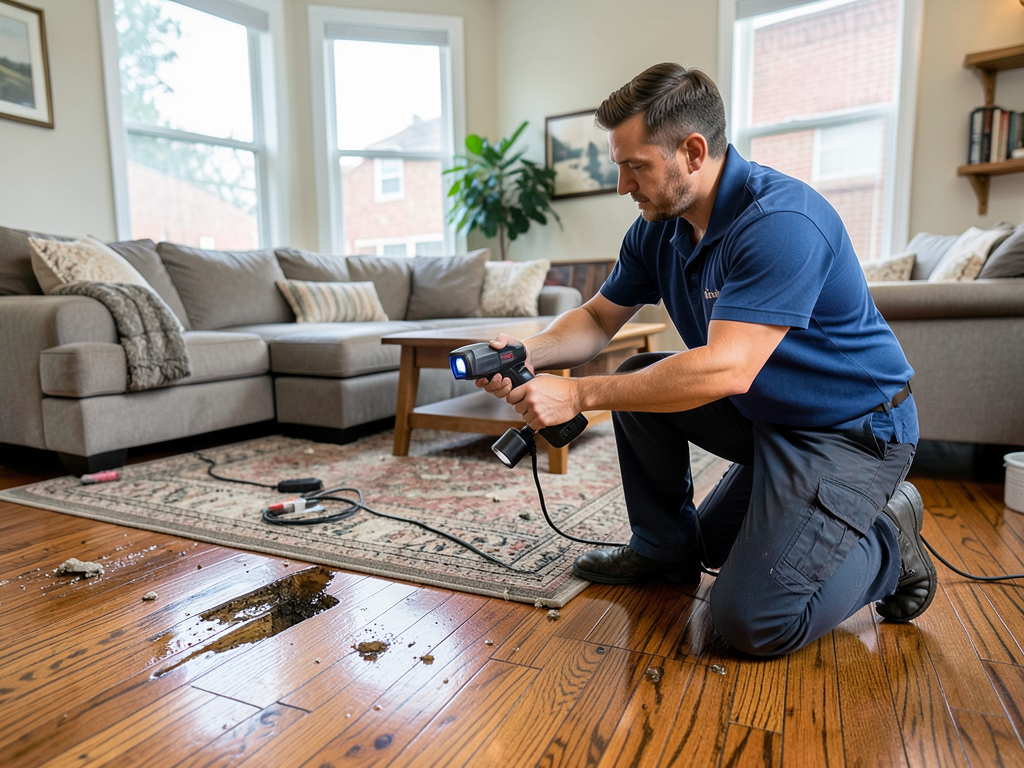
What to Do When Your Aquarium Seals Fail and Flood Your Living Room Floor When aquarium seals fail, Dallas homeowners face a unique water damage emergency. A standard 100-gallon glass tank holds over 800 pounds…
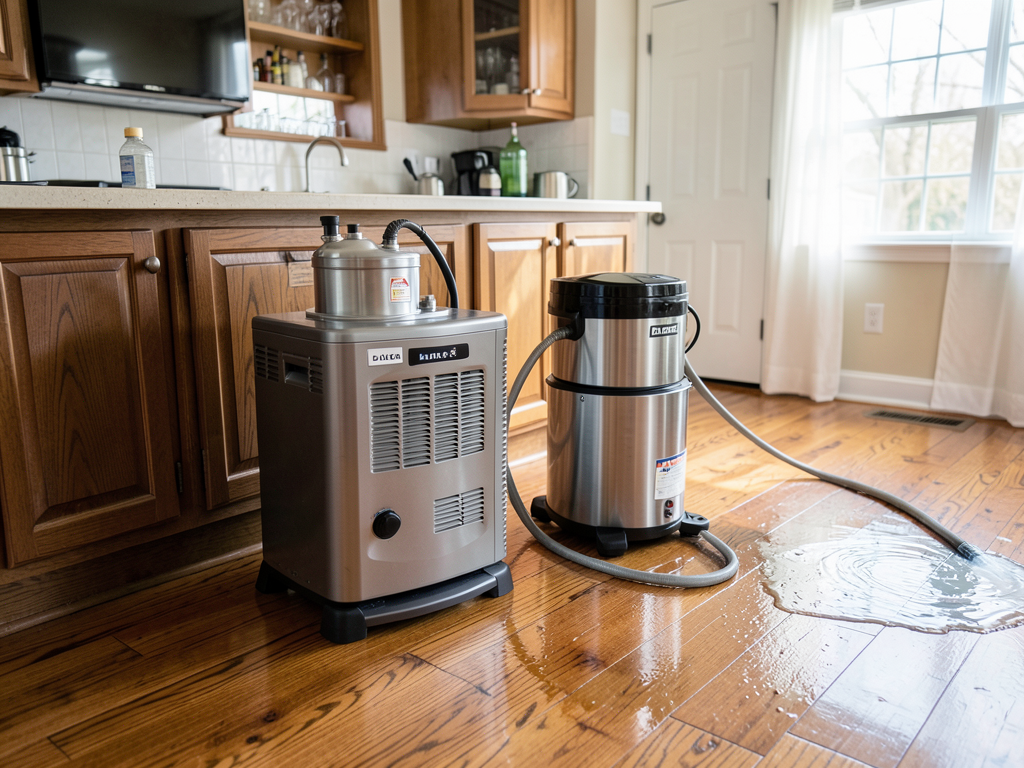
Fixing a Leaky Beer Tap or Kegerator Before it Destroys Your Dallas Man Cave A…
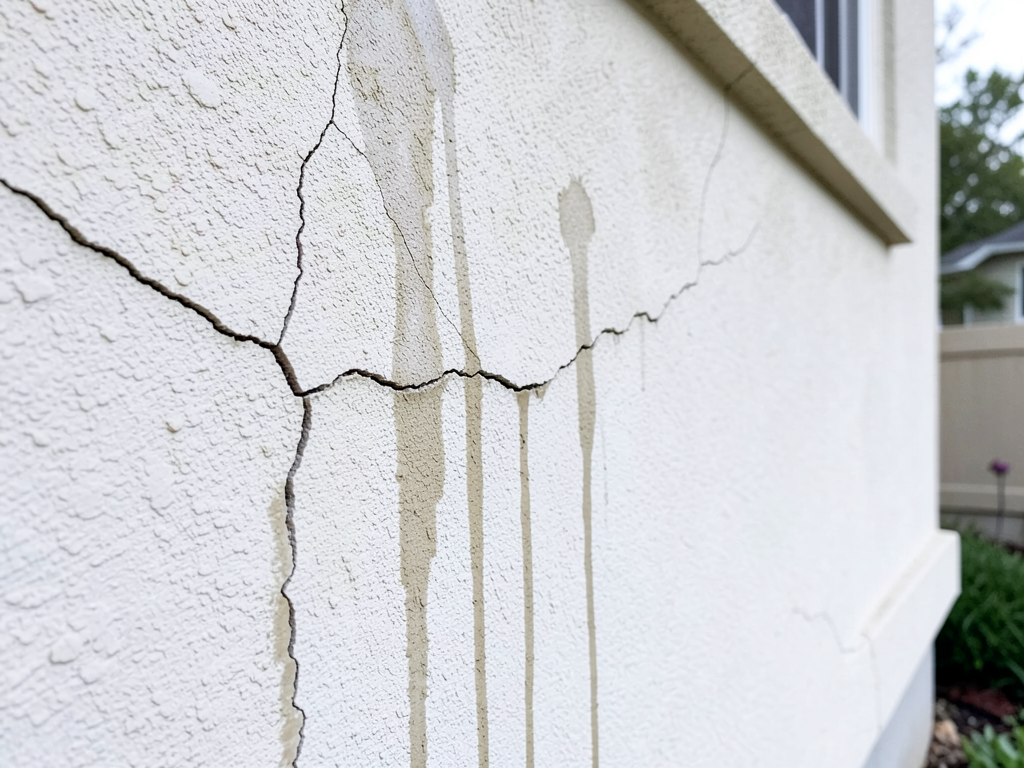
How Hairline Cracks in Your Stucco Exterior are Letting Water Into Your Preston Hollow Home…
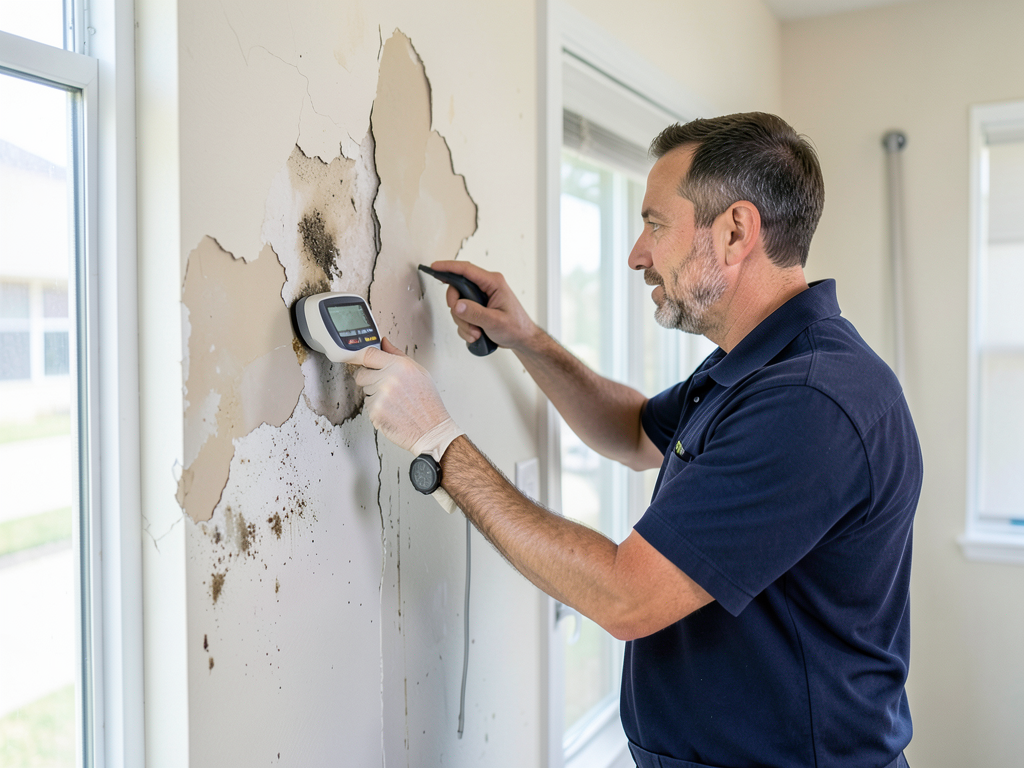
How the Dallas Heat Accelerates Mold Growth Within Just Hours of a Pipe Burst The…
Water damage gets worse every minute. Call Peak Water Damage Restoration Dallas now at (972) 886-5955 for immediate dispatch. Our crews respond 24/7 to Grand Prairie emergencies with professional extraction and drying services that stop damage and protect your property.