
The Difference Between Hiring a Public Adjuster and a Restoration Specialist in Dallas
When water floods your Dallas home from a burst pipe during a winter freeze or a ceiling collapses from a roof leak, the first decision you make can save or cost you thousands of dollars. Should you call a public adjuster who negotiates with your insurance company, or a restoration specialist who stops the damage immediately? The answer depends on timing, Texas law, and your immediate priorities. Texas Department of Insurance Public Adjuster Information.
Public adjusters work for you as advocates, reviewing policies and maximizing claim settlements. Restoration specialists work for you as emergency responders, extracting water and preventing mold growth within 24-48 hours. Both are licensed professionals in Texas, but they have different legal boundaries, fee structures, and objectives that become critical during a water damage crisis. Texas Department of Licensing and Regulation.
Defining the Roles: The Contractor vs. The Advocate
Restoration specialists are contractors licensed by the Texas Department of Licensing and Regulation. They arrive within hours to remove standing water, set up drying equipment, and document damage for insurance purposes. Their goal is to stop secondary damage like mold growth that can begin within 24-48 hours of water exposure. Emergency Water Removal Services for Dallas Homeowners Available Right Now.
Public adjusters are licensed by the Texas Department of Insurance and work exclusively on your behalf during the claims process. They review your insurance policy, document losses, prepare proof of loss statements, and negotiate settlements with insurance adjusters. They cannot perform restoration work or recommend specific contractors.
Think of it this way: restoration specialists are the firefighters who stop the immediate threat, while public adjusters are the lawyers who ensure you get fair compensation afterward. Both serve homeowners, but their timing and methods differ significantly.
Key Differences: Licensing, Compensation, and Objectives
The Texas Department of Insurance strictly regulates public adjusters under the Unauthorized Practice of Public Adjusting (UPPA) statute. Public adjusters must pass background checks, maintain errors and omissions insurance, and cannot have any financial interest in restoration companies they recommend.
Restoration companies operate under Texas contractor licensing laws and must follow IICRC S500 standards for water damage restoration. They can work directly with insurance companies through preferred vendor programs but cannot negotiate claim settlements or interpret policy language. Trustworthy Water Damage Restoration Services in Preston Hollow.
Fee structures differ dramatically. Public adjusters typically charge 10% of the final claim settlement, while restoration companies bill insurance companies directly through Xactimate estimating software. Restoration companies cannot charge you for emergency services if you file an insurance claim, as Texas law requires them to bill the carrier directly.
Objectives create the biggest distinction. Restoration specialists focus on property preservation and preventing further damage. Public adjusters focus on financial recovery and ensuring you receive every dollar your policy covers. These goals can align but often require different timing and expertise. Water Damage Restoration Addison.
When to Hire a Public Adjuster in Texas (The TDI Perspective)
Public adjusters become valuable when claim settlements seem too low, when you disagree with the insurance company’s damage assessment, or when your policy contains complex coverage limitations. They excel at interpreting policy language, documenting hidden damages, and negotiating with experienced insurance adjusters.
Common scenarios include disputes over whether damage qualifies as sudden and accidental versus gradual wear and tear, disagreements about matching building materials, or when insurance companies deny claims based on policy exclusions. Public adjusters understand Texas insurance case law and can cite precedents that support your position.
However, Texas law prohibits public adjusters from performing restoration work or having financial ties to restoration companies. This separation prevents conflicts of interest but also means you need both professionals at different stages of the recovery process.
The timing matters significantly. Public adjusters typically enter the process after initial damage assessment, while restoration specialists must begin work immediately to prevent secondary damage. Waiting for a public adjuster before starting mitigation can result in denied claims for failure to prevent further damage.
When a Restoration Company is the Immediate Priority
Water damage creates a ticking clock. Mold can begin growing within 24-48 hours of water exposure, and wood structures start warping within days. The IICRC S500 standard mandates immediate water extraction and drying to prevent secondary damage that insurance companies may later deny as preventable. Quick Water Damage Cleanup for Uptown Dallas Condos and Apartments.
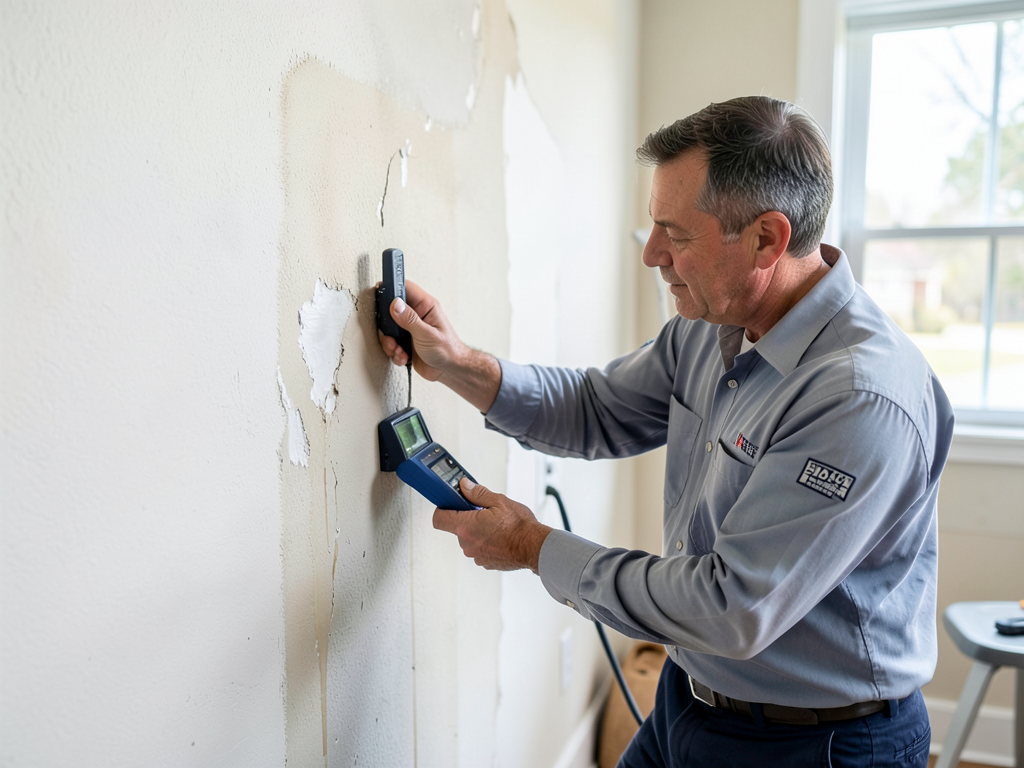
Restoration companies use specialized equipment including truck-mounted extractors, commercial dehumidifiers, and moisture meters that detect water behind walls. They document damage through photos and moisture readings that become crucial evidence for insurance claims, even if you later hire a public adjuster.
The emergency phase focuses on safety first. Restoration technicians shut off electrical power in affected areas, identify contaminated water sources, and establish containment zones to prevent cross-contamination. This work cannot wait for insurance negotiations or policy reviews.
Common Dallas scenarios requiring immediate restoration response include burst pipes during winter freezes, sewage backups, roof leaks during spring storms, and appliance failures. These situations demand 24/7 emergency service that public adjusters cannot provide.
The Conflict of Interest: Can one person do both in Texas?
Texas law explicitly prohibits public adjusters from performing restoration work or having financial relationships with restoration companies. This separation exists because restoration companies have a vested interest in finding more damage, while public adjusters need objective assessments for negotiations.
Some companies try to blur these lines by offering “free inspections” that lead to restoration contracts. This practice violates TDI regulations and can result in fines or license revocation. Legitimate public adjusters cannot recommend specific restoration companies or receive referral fees.
The separation protects homeowners from inflated damage assessments and ensures claim negotiations remain objective. When a company offers both services, they create inherent conflicts that Texas regulators specifically designed to prevent through licensing requirements.
Homeowners should verify licenses independently. Public adjusters register with the Texas Department of Insurance, while restoration companies register with the Texas Department of Licensing and Regulation. These are separate databases with different renewal requirements and disciplinary procedures.
The Timeline: How They Work Together During a Water Damage Claim
Day 1-2: Emergency Response. Restoration company arrives within hours to extract water, set up drying equipment, and document initial damage. They provide emergency services regardless of insurance coverage and bill the carrier directly.
Day 2-7: Initial Assessment. Insurance adjuster inspects damage, often while drying equipment runs. Restoration company provides detailed estimates through Xactimate software. Homeowner decides whether to accept settlement or seek second opinion.
Week 2-4: Public Adjuster Involvement. If settlement seems inadequate, homeowner hires public adjuster who reviews policy, damage documentation, and insurance company estimates. Public adjuster prepares independent damage assessment.
Week 4-12: Negotiation Phase. Public adjuster negotiates with insurance company, potentially increasing settlement through additional damage discovery, policy interpretation, or matching requirements. Restoration work continues during negotiations.
Month 2-6: Final Settlement and Repairs. Once settlement reached, restoration company completes repairs using agreed pricing. Public adjuster ensures all negotiated items get included in final payment.
This timeline shows why immediate restoration response prevents secondary damage, while public adjuster involvement often increases final settlements. Both serve important but different functions in the recovery process.
Decision Matrix: Which professional do you need right now?
Use this quick guide to determine your immediate priority after discovering water damage in your Dallas home.
Call a Restoration Company Immediately if:
- Water is actively spreading or standing
- More than 24 hours have passed since water exposure
- You smell musty odors indicating potential mold growth
- Electrical systems or appliances are affected
- You need emergency board-up or tarping services
- Water contains sewage or contaminants
Call a Public Adjuster if:
- Your insurance claim was denied or underpaid
- You received a low settlement offer that seems inadequate
- Your policy contains complex coverage limitations
- You need help interpreting policy language and exclusions
- You want an independent damage assessment before accepting settlement
- Your claim involves business interruption or additional living expenses
Call Both if:
- You have extensive damage requiring significant reconstruction
- Your insurance company is disputing coverage or damage extent
- You need emergency response plus claim negotiation expertise
- Your policy has high deductibles or complex replacement cost provisions
- You want maximum recovery while preventing secondary damage
Remember: Restoration companies can start emergency work immediately while you decide about public adjuster involvement. Delaying mitigation to consult a public adjuster first can result in denied claims for failure to prevent further damage.
Frequently Asked Questions
Can I use my insurance company’s preferred restoration vendor?
Yes, but you have the right to choose any licensed restoration company in Texas. Insurance companies cannot require you to use specific vendors, though they may offer incentives for using preferred providers. Always verify the company’s Texas contractor license and insurance coverage.
How much does a public adjuster cost in Dallas?
Public adjusters typically charge 10% of the final claim settlement amount. Some may charge hourly rates for policy reviews or flat fees for specific services. Texas law requires public adjusters to disclose all fees upfront and prohibits contingency fees exceeding 10% for claims under $100,000.
Will my insurance rates increase if I hire a public adjuster?
Hiring a public adjuster to negotiate your claim should not affect your insurance rates. Insurance companies cannot penalize policyholders for seeking professional representation during claims. However, the claim itself may impact future rates depending on your carrier’s policies and claim history.
How long do I have to file a water damage claim in Texas?
Most homeowners insurance policies require notification within 14-30 days of discovering damage. However, Texas law gives you up to two years from the date of loss to file a lawsuit if you cannot resolve disputes with your insurance company. Document damage immediately with photos and videos.
Can restoration companies guarantee insurance coverage?
No. Restoration companies cannot guarantee insurance coverage or interpret policy language. They can provide damage assessments and estimates, but only insurance companies and public adjusters can determine coverage. Be wary of companies that promise coverage before inspecting damage or reviewing your policy.
Protecting Your Dallas Home: The Right Professional at the Right Time
Water damage in Dallas requires immediate action to prevent secondary damage and protect your property value. Understanding the distinct roles of restoration specialists and public adjusters helps you make informed decisions during a stressful crisis.
Restoration specialists provide the emergency response needed to stop damage progression and prevent mold growth. They work within the insurance system but cannot negotiate settlements or interpret complex policy language. Public adjusters provide the advocacy needed to maximize claim settlements but cannot perform emergency mitigation work.
The most successful recoveries often involve both professionals working in sequence: restoration specialists handle the emergency phase while public adjusters handle the financial recovery phase. This combination provides comprehensive protection for your home and your financial interests.
Before making any decisions, verify professional licenses through Texas regulatory databases. Restoration companies must be licensed by the Texas Department of Licensing and Regulation, while public adjusters must be licensed by the Texas Department of Insurance. This verification ensures you’re working with legitimate professionals who understand Texas-specific requirements.
Water damage waits for no one. When disaster strikes your Dallas home, knowing who to call first can mean the difference between a quick recovery and a prolonged nightmare. Make the right call from the start.
Take Action Now: Protect Your Home and Your Rights
Water damage requires immediate professional response to prevent secondary damage and protect your insurance claim. Whether you need emergency water extraction or claim negotiation assistance, understanding your options helps you make the right decision for your situation.
For immediate water damage emergencies in Dallas, call (972) 886-5955 to speak with our licensed restoration specialists who can respond within hours. Our team understands Dallas-specific challenges from winter freeze pipe bursts to spring storm flooding. What to Do When a Pipe Bursts in Your North Dallas Kitchen.
If you’re dealing with insurance claim disputes or need help maximizing your settlement, we can refer you to trusted public adjusters who comply with Texas Department of Insurance regulations. Don’t let insurance companies minimize your recovery or leave you with unfinished repairs.
Pick up the phone and call (972) 886-5955 before the next storm hits. Every hour of delay can mean thousands in additional damage and potential claim denials. Your home deserves immediate professional attention from experts who understand Dallas water damage challenges.
Remember: Restoration companies cannot guarantee coverage, but they can guarantee immediate response to prevent further damage. Public adjusters cannot stop water from spreading, but they can help you recover every dollar your policy covers. Choose the right professional for your immediate needs.
Don’t wait until it’s too late. Call (972) 886-5955 now for Dallas water damage emergencies. Your home and your peace of mind are worth protecting.
{
“@context”: “https://schema.org”,
“@type”: “BlogPosting”,
“headline”: “The Difference Between Hiring a Public Adjuster and a Restoration Specialist in Dallas”,
“description”: “Confused about who to call first after water damage in Dallas? Learn the key differences between public adjusters and restoration specialists, plus Texas-specific legal requirements.”,
“wordCount”: 2125,
“datePublished”: “2026-05-21T14:36:00.000Z”,
“dateModified”: “2026-05-21T14:36:00.000Z”,
“inLanguage”: “en-US”,
“mainEntityOfPage”: {
“@type”: “WebPage”,
“@id”: “https://peakwaterdamagerestorationdallas.com”
},
“publisher”: {
“@type”: “LocalBusiness”,
“name”: “Peak Water Damage Restoration Dallas”,
“url”: “https://peakwaterdamagerestorationdallas.com”
},
“author”: {
“@type”: “Organization”,
“name”: “Peak Water Damage Restoration Dallas”,
“url”: “https://peakwaterdamagerestorationdallas.com”
},
“image”: {
“@type”: “ImageObject”,
“url”: “https://peakwaterdamagerestorationdallas.com/wp-content/uploads/2026/03/the-difference-between-hiring-a-public-adjuster-an-1.png”
}
}
{
“@context”: “https://schema.org”,
“@type”: “LocalBusiness”,
“name”: “Peak Water Damage Restoration Dallas”,
“url”: “https://peakwaterdamagerestorationdallas.com”,
“address”: {
“@type”: “PostalAddress”,
“addressLocality”: “Dallas”
},
“areaServed”: {
“@type”: “City”,
“name”: “Dallas”
}
}
{
“@context”: “https://schema.org”,
“@type”: “FAQPage”,
“mainEntity”: [
{
“@type”: “Question”,
“name”: “The Conflict of Interest: Can one person do both in Texas?”,
“acceptedAnswer”: {
“@type”: “Answer”,
“text”: “Texas law explicitly prohibits public adjusters from performing restoration work or having financial relationships with restoration companies. This separation exists because restoration companies have a vested interest in finding more damage, while public adjusters need objective assessments for negotiations.”
}
},
{
“@type”: “Question”,
“name”: “Decision Matrix: Which professional do you need right now?”,
“acceptedAnswer”: {
“@type”: “Answer”,
“text”: “Use this quick guide to determine your immediate priority after discovering water damage in your Dallas home.”
}
},
{
“@type”: “Question”,
“name”: “Can I use my insurance company’s preferred restoration vendor?”,
“acceptedAnswer”: {
“@type”: “Answer”,
“text”: “Yes, but you have the right to choose any licensed restoration company in Texas. Insurance companies cannot require you to use specific vendors, though they may offer incentives for using preferred providers. Always verify the company’s Texas contractor license and insurance coverage.”
}
},
{
“@type”: “Question”,
“name”: “How much does a public adjuster cost in Dallas?”,
“acceptedAnswer”: {
“@type”: “Answer”,
“text”: “Public adjusters typically charge 10% of the final claim settlement amount. Some may charge hourly rates for policy reviews or flat fees for specific services. Texas law requires public adjusters to disclose all fees upfront and prohibits contingency fees exceeding 10% for claims under $100,000.”
}
},
{
“@type”: “Question”,
“name”: “Will my insurance rates increase if I hire a public adjuster?”,
“acceptedAnswer”: {
“@type”: “Answer”,
“text”: “Hiring a public adjuster to negotiate your claim should not affect your insurance rates. Insurance companies cannot penalize policyholders for seeking professional representation during claims. However, the claim itself may impact future rates depending on your carrier’s policies and claim history.”
}
},
{
“@type”: “Question”,
“name”: “How long do I have to file a water damage claim in Texas?”,
“acceptedAnswer”: {
“@type”: “Answer”,
“text”: “Most homeowners insurance policies require notification within 14-30 days of discovering damage. However, Texas law gives you up to two years from the date of loss to file a lawsuit if you cannot resolve disputes with your insurance company. Document damage immediately with photos and videos.”
}
}
]
}
{
“@context”: “https://schema.org”,
“@type”: “BreadcrumbList”,
“itemListElement”: [
{
“@type”: “ListItem”,
“position”: 1,
“name”: “Home”,
“item”: “https://peakwaterdamagerestorationdallas.com”
},
{
“@type”: “ListItem”,
“position”: 2,
“name”: “Blog”,
“item”: “https://peakwaterdamagerestorationdallas.com/blog”
},
{
“@type”: “ListItem”,
“position”: 3,
“name”: “The Difference Between Hiring a Public Adjuster and a Restoration Specialist in Dallas”
}
]
}
{
“@context”: “https://schema.org”,
“@type”: “Service”,
“serviceType”: “Water Damage Restoration”,
“provider”: {
“@type”: “LocalBusiness”,
“name”: “Peak Water Damage Restoration Dallas”,
“url”: “https://peakwaterdamagerestorationdallas.com”
},
“areaServed”: {
“@type”: “City”,
“name”: “Dallas”
},
“description”: “Confused about who to call first after water damage in Dallas? Learn the key differences between public adjusters and restoration specialists, plus Texas-specific legal requirements.”
}