
How to Properly Dry Out Polished Concrete Floors After a Flood in The Cedars
Concrete floors in The Cedars lofts and warehouses absorb water like a sponge. When flooding strikes, surface drying with fans and mops leaves moisture trapped deep inside the slab. Dallas humidity levels between 65-85% slow evaporation dramatically. Professional LGR dehumidifiers can extract moisture from concrete pores where household fans cannot reach. This guide explains why polished concrete needs industrial drying methods and what Dallas property owners should expect during the restoration process. Emergency Water Removal Services for Dallas Homeowners Available Right Now.
Immediate Steps After a Dallas Flood
Flood water in The Cedars buildings often contains contaminants from nearby industrial areas. Safety comes first. Turn off electricity at the breaker before entering flooded spaces. Wear rubber boots and gloves. Document damage with photos for insurance before moving anything. Remove standing water with a wet vacuum or pump within 24-48 hours to prevent microbial growth. Do not attempt to dry polished concrete with household fans. The smooth surface prevents air circulation through the slab. Concrete porosity requires industrial equipment to extract moisture from deep within the material. Trustworthy Water Damage Restoration Services in Preston Hollow.
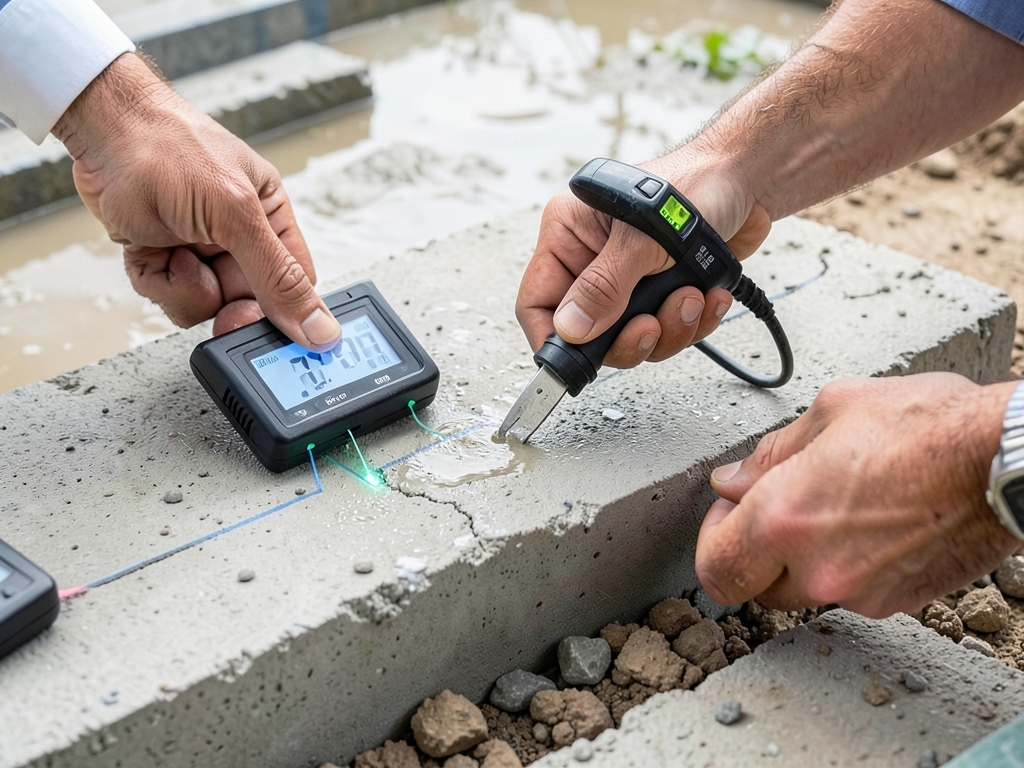
Professional water damage technicians use moisture meters to test concrete at multiple depths. Readings above 75% relative humidity indicate trapped moisture that needs extraction. The Trinity River floodplain location means The Cedars properties face unique drainage challenges during heavy rains. Clay soil around slab edges can hold water against foundation walls creating hydrostatic pressure. Quick Water Damage Cleanup for Uptown Dallas Condos and Apartments.
The Science of Concrete Porosity
Polished concrete contains microscopic pores that act like capillary tubes. When water contacts the surface, it travels through these channels by capillary action. A polished finish seals only the top layer leaving deeper pores open. Water moves through concrete at approximately 0.1 inches per hour depending on pressure and temperature. This means a one-inch flood can penetrate several inches deep within hours. Water Damage Restoration Addison.
Hydrostatic pressure from surrounding soil pushes water through foundation cracks. Dallas expansive clay soil swells when wet creating additional pressure on basement walls and slab edges. Moisture trapped under polished surfaces cannot evaporate through the sealed top layer. Without proper extraction, water migrates laterally through the slab seeking drier areas. This creates hidden moisture pockets that cause problems weeks later.
Temperature affects drying rates significantly. Concrete dries best between 70-90 degrees Fahrenheit with proper air circulation. Dallas summer heat can actually slow drying by creating temperature gradients that trap moisture. Professional drying targets 40-50% relative humidity at the concrete surface for optimal moisture removal.. Read more about Can You Actually Save Luxury Vinyl Plank Flooring After a Flood in Your Dallas Home?.
Professional Drying Technology
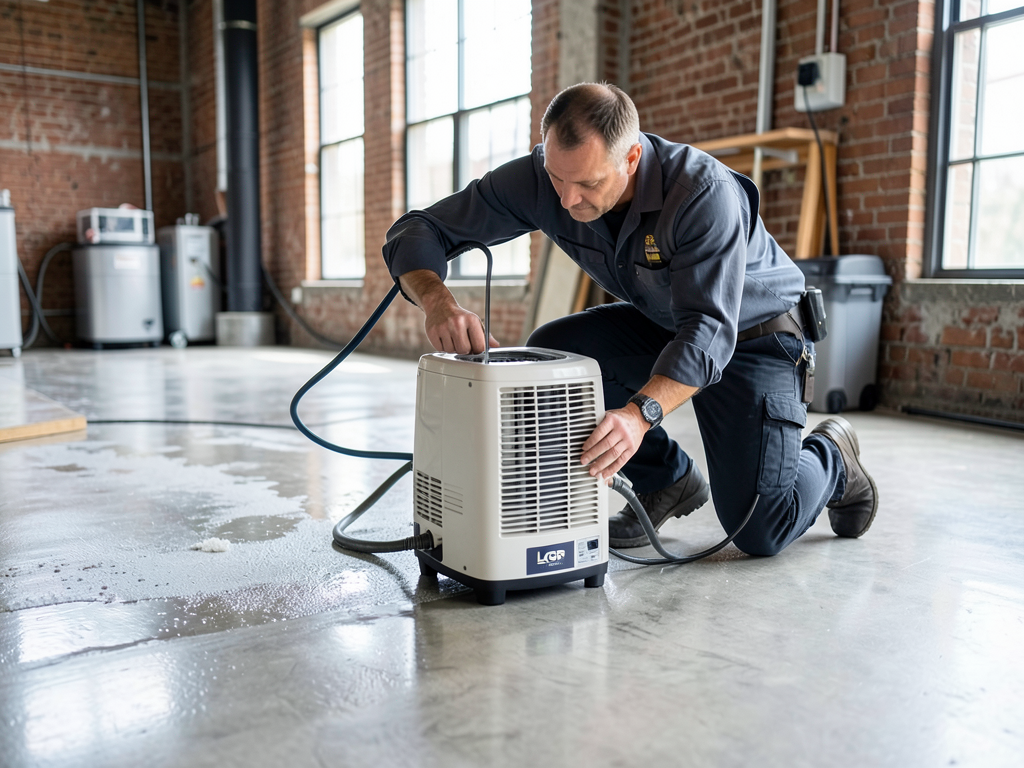
LGR (Low Grain Refrigerant) dehumidifiers remove moisture from air at 40-50% relative humidity levels. Standard residential dehumidifiers stop working effectively above 60% humidity. LGR units use cold coils to condense water vapor then reheat and recirculate dry air. This creates a vapor pressure differential that pulls moisture from concrete pores.. Read more about Why Desiccant Dehumidifiers are Better for Drying Out Modern Dallas Homes During High Humidity.
High-velocity air movers create laminar airflow across concrete surfaces. Professional technicians position these units to prevent dead air zones where moisture lingers. Air movement should be 10-15 feet per minute across all surfaces. Too much airflow creates turbulence that reduces drying efficiency.
Desiccant dehumidifiers work in extremely wet conditions or cold temperatures where LGR units struggle. These machines use silica gel to absorb moisture then regenerate the desiccant with heat. Desiccants achieve lower humidity levels than LGR units but require more energy.
Moisture mapping shows technicians where to place equipment. Infrared cameras detect temperature differences indicating moisture presence. Moisture meters take readings at 1/4 inch and 1 inch depths to track drying progress. Professional drying typically requires 3-5 days for concrete slabs depending on initial moisture content and ambient conditions.
The Dallas Climate Factor
Dallas humidity levels create unique challenges for concrete drying. Summer afternoon humidity often exceeds 80% making natural evaporation nearly impossible. The Cedars lofts located near the Trinity River experience higher humidity than areas further north. Concrete drying times in Dallas average 40% longer than in desert climates. What to Do When a Pipe Bursts in Your North Dallas Kitchen.
Winter freeze-thaw cycles cause concrete to expand and contract. This movement can open new pores or crack existing ones allowing more water infiltration. Dallas experiences 15-20 freeze days annually creating cumulative damage to concrete structures over time.
Spring thunderstorms bring rapid water accumulation. The Blackland Prairie clay soil cannot absorb heavy rainfall quickly. Water pools around foundations creating hydrostatic pressure. Concrete slabs in The Cedars often sit on grade without basements making them vulnerable to surface water infiltration.
Professional drying must account for these local factors. Equipment sizing depends on cubic footage, initial moisture levels, and ambient humidity. A 2,000 square foot loft in The Cedars might need 3-4 LGR units running continuously for optimal drying.
Step-by-Step Restoration Process
- Initial Assessment
Technicians test moisture levels with penetrating and non-penetrating meters. They map affected areas and identify water sources. Infrared cameras locate hidden moisture behind walls or under flooring.
- Water Extraction
Industrial pumps remove standing water. Wet vacuums extract moisture from carpet and padding. Technicians remove damaged materials that cannot be salvaged.
- Equipment Setup
LGR dehumidifiers and air movers get positioned based on moisture mapping. Equipment creates a closed drying chamber when possible. Plastic sheeting contains the drying environment.
- Daily Monitoring
Technicians record moisture readings twice daily. They adjust equipment placement based on progress. Temperature and humidity levels get logged continuously.
- Final Testing
Moisture levels must reach 12-14% for concrete before restoration begins. Technicians provide documentation showing drying completion. Insurance companies require this data for claims processing.
Professional drying prevents secondary damage. Wood flooring installed over wet concrete will cup and warp. Tile adhesives fail when moisture levels remain high. Mold grows in 24-48 hours on organic materials exposed to moisture.
Dallas building codes require moisture testing before new flooring installation. The City of Dallas enforces International Building Code Section 506 for concrete moisture emissions. Testing ensures adhesives and flooring materials will perform properly.
Moisture Testing Methods
Calcium chloride tests measure moisture vapor emissions from concrete. Technicians place a sealed dome with calcium chloride crystals on the slab for 60-72 hours. The crystals absorb moisture and weight gain indicates vapor emission rate.
In-situ relative humidity testing uses probes drilled into concrete. Sensors measure moisture at 40% depth of the slab. This method provides accurate readings without waiting 72 hours. ASTM F2170 standard governs this testing procedure.
Tramex moisture meters use electrical impedance to detect moisture without penetration. These meters work well for initial surveys but cannot verify final drying completion. Pin-type meters with insulated pins provide the most accurate readings at specific depths.
Professional testing identifies moisture problems before they cause expensive damage. New flooring installations over wet concrete fail within months. Adhesive breakdown, mold growth, and material warping create liability for contractors and property owners.
Preventing Future Flood Damage
French drains redirect water away from building foundations. These systems collect surface water and channel it to storm drains. Proper grading ensures water flows away from structures at 1-2% slope minimum.
Sump pumps remove water that accumulates in low areas. Battery backup systems keep pumps running during power outages. Dallas experiences frequent thunderstorms that overwhelm municipal drainage systems.
Concrete sealers create hydrophobic barriers that resist water penetration. Silane-based sealers penetrate deep into concrete pores. These treatments last 5-10 years depending on traffic and exposure conditions.
Roof and gutter maintenance prevents water from pooling near foundations. Clean gutters direct water to downspouts that extend at least 5 feet from building walls. Downspout extensions prevent erosion and foundation saturation.
Landscaping choices affect drainage patterns. Native Texas plants require less irrigation reducing water near foundations. Mulch should slope away from buildings to prevent water retention against walls.
Insurance and Documentation
Most Dallas homeowner policies cover sudden water damage but exclude flooding. Separate flood insurance through the National Flood Insurance Program covers Trinity River overflow. The Cedars properties near the floodplain need specific coverage review. EPA mold guidelines.
Professional restoration companies provide detailed documentation for insurance claims. Moisture maps, daily readings, and before/after photos support claim validity. Many policies require professional mitigation to prevent further damage.
Time limits affect coverage. Most policies require notification within 14 days of water damage discovery. Delayed reporting can result in claim denial. Professional companies offer 24/7 emergency response to meet these deadlines.
Replacement cost versus actual cash value affects settlement amounts. Newer properties receive full replacement coverage. Older buildings depreciate based on age and condition. Professional documentation supports maximum claim recovery.
Business interruption coverage helps commercial properties in The Cedars maintain operations during restoration. This coverage pays for lost income and temporary relocation expenses. Professional drying minimizes downtime and business disruption.
Common Mistakes to Avoid
Surface drying creates false confidence. Polished concrete appears dry while moisture remains trapped underneath. This hidden moisture causes problems when new flooring gets installed.
Household fans lack the power to create proper airflow across concrete surfaces. Professional air movers move 2,000-3,000 cubic feet per minute compared to household fans at 200-300 CFM.
DIY moisture testing often misses hidden problems. Non-penetrating meters only read surface conditions. Professional testing at multiple depths provides accurate assessment.
Skipping the drying verification step leads to expensive callbacks. Flooring failures cost more to repair than proper initial drying. Professional documentation proves drying completion to all parties.
Using incorrect equipment for local conditions reduces effectiveness. Dallas humidity requires industrial-grade dehumidifiers. Standard equipment cannot achieve required moisture levels in North Texas climate.
When to Call a Professional
Flood water depth exceeding one inch requires professional extraction. Water that has been present more than 24 hours needs industrial drying. Contaminated water from sewage or chemicals requires specialized handling.
Concrete moisture readings above 75% relative humidity indicate trapped moisture needing extraction. Polished surfaces with no visible damage can hide significant moisture problems.
Time sensitivity affects restoration success. Mold begins growing within 24-48 hours of water exposure. Professional response within 4-6 hours prevents secondary damage.
Insurance requirements often mandate professional mitigation. Many policies exclude coverage for damage caused by delayed or improper drying. Professional documentation satisfies insurance company requirements.
Commercial properties face additional requirements. Business interruption costs justify professional restoration. Health department regulations may require professional remediation for contaminated water.
Frequently Asked Questions
How long does it take to dry polished concrete after flooding?
Professional drying typically requires 3-5 days for concrete slabs. Factors include initial moisture content, ambient humidity, temperature, and concrete thickness. Dallas humidity levels often extend drying times beyond national averages.
Can I use a regular dehumidifier to dry my concrete floor?
Standard residential dehumidifiers cannot achieve the low humidity levels needed for concrete drying. LGR dehumidifiers remove moisture at 40-50% relative humidity where household units stop working effectively. Professional equipment also moves more air volume for better drying.
How do I know when my concrete floor is completely dry?
Professional moisture testing using ASTM F2170 standards verifies drying completion. Readings must show 12-14% moisture content or less. Visual inspection and surface moisture meters cannot accurately determine internal moisture levels in concrete.
Will polished concrete need to be refinished after flooding?
Polished concrete often requires re-polishing after flooding to restore the smooth finish. Water can etch the surface and leave mineral deposits. Professional assessment determines if refinishing is needed based on water exposure duration and contamination level.
Does insurance cover professional concrete drying services?
Most homeowner policies cover sudden water damage including professional drying services. Coverage depends on the water source and policy terms. Flood damage from external sources requires separate flood insurance. Professional companies assist with insurance documentation and claims processing.
[IMAGE_PLACEHOLDER_3>
Conclusion
Flooded polished concrete floors in The Cedars require professional drying methods that go beyond surface treatment. Dallas humidity and expansive clay soil create unique challenges that household equipment cannot overcome. Proper moisture extraction using LGR dehumidifiers and air movers prevents expensive secondary damage like flooring failures and mold growth. Professional testing verifies drying completion and satisfies insurance requirements. When flooding strikes, quick professional response makes the difference between successful restoration and costly replacement. Call (972) 886-5955 today to schedule your inspection before hidden moisture causes more damage to your property. For more information, visit IICRC S500 standards.
You may also find this helpful. Why Your Rubber Gym Mats in the Garage Are Trapping Moisture and Growing Mold.
{
“@context”: “https://schema.org”,
“@type”: “BlogPosting”,
“headline”: “How to Properly Dry Out Polished Concrete Floors After a Flood in The Cedars”,
“description”: “Learn the science behind drying polished concrete floors after flooding in The Cedars. Discover why surface drying fails and how Dallas humidity affects slab moisture levels.”,
“wordCount”: 2029,
“datePublished”: “2026-05-05T13:43:00.000Z”,
“dateModified”: “2026-05-05T13:43:00.000Z”,
“inLanguage”: “en-US”,
“mainEntityOfPage”: {
“@type”: “WebPage”,
“@id”: “https://peakwaterdamagerestorationdallas.com”
},
“publisher”: {
“@type”: “LocalBusiness”,
“name”: “Peak Water Damage Restoration Dallas”,
“url”: “https://peakwaterdamagerestorationdallas.com”
},
“author”: {
“@type”: “Organization”,
“name”: “Peak Water Damage Restoration Dallas”,
“url”: “https://peakwaterdamagerestorationdallas.com”
},
“image”: {
“@type”: “ImageObject”,
“url”: “https://peakwaterdamagerestorationdallas.com/wp-content/uploads/2026/03/how-to-properly-dry-out-polished-concrete-floors-a-1.png”
}
}
{
“@context”: “https://schema.org”,
“@type”: “LocalBusiness”,
“name”: “Peak Water Damage Restoration Dallas”,
“url”: “https://peakwaterdamagerestorationdallas.com”,
“address”: {
“@type”: “PostalAddress”,
“addressLocality”: “Dallas”
},
“areaServed”: {
“@type”: “City”,
“name”: “Dallas”
}
}
{
“@context”: “https://schema.org”,
“@type”: “FAQPage”,
“mainEntity”: [
{
“@type”: “Question”,
“name”: “How long does it take to dry polished concrete after flooding?”,
“acceptedAnswer”: {
“@type”: “Answer”,
“text”: “Professional drying typically requires 3-5 days for concrete slabs. Factors include initial moisture content, ambient humidity, temperature, and concrete thickness. Dallas humidity levels often extend drying times beyond national averages.”
}
},
{
“@type”: “Question”,
“name”: “Can I use a regular dehumidifier to dry my concrete floor?”,
“acceptedAnswer”: {
“@type”: “Answer”,
“text”: “Standard residential dehumidifiers cannot achieve the low humidity levels needed for concrete drying. LGR dehumidifiers remove moisture at 40-50% relative humidity where household units stop working effectively. Professional equipment also moves more air volume for better drying.”
}
},
{
“@type”: “Question”,
“name”: “How do I know when my concrete floor is completely dry?”,
“acceptedAnswer”: {
“@type”: “Answer”,
“text”: “Professional moisture testing using ASTM F2170 standards verifies drying completion. Readings must show 12-14% moisture content or less. Visual inspection and surface moisture meters cannot accurately determine internal moisture levels in concrete.”
}
},
{
“@type”: “Question”,
“name”: “Will polished concrete need to be refinished after flooding?”,
“acceptedAnswer”: {
“@type”: “Answer”,
“text”: “Polished concrete often requires re-polishing after flooding to restore the smooth finish. Water can etch the surface and leave mineral deposits. Professional assessment determines if refinishing is needed based on water exposure duration and contamination level.”
}
},
{
“@type”: “Question”,
“name”: “Does insurance cover professional concrete drying services?”,
“acceptedAnswer”: {
“@type”: “Answer”,
“text”: “Most homeowner policies cover sudden water damage including professional drying services. Coverage depends on the water source and policy terms. Flood damage from external sources requires separate flood insurance. Professional companies assist with insurance documentation and claims processing.”
}
}
]
}
{
“@context”: “https://schema.org”,
“@type”: “HowTo”,
“name”: “Concrete Floor Drying Process”,
“step”: [
{
“@type”: “HowToStep”,
“position”: 1,
“name”: “Initial Assessment”,
“text”: “Technicians test moisture levels with penetrating and non-penetrating meters. They map affected areas and identify water sources. Infrared cameras locate hidden moisture behind walls or under flooring.”
},
{
“@type”: “HowToStep”,
“position”: 2,
“name”: “Water Extraction”,
“text”: “Industrial pumps remove standing water. Wet vacuums extract moisture from carpet and padding. Technicians remove damaged materials that cannot be salvaged.”
},
{
“@type”: “HowToStep”,
“position”: 3,
“name”: “Equipment Setup”,
“text”: “LGR dehumidifiers and air movers get positioned based on moisture mapping. Equipment creates a closed drying chamber when possible. Plastic sheeting contains the drying environment.”
},
{
“@type”: “HowToStep”,
“position”: 4,
“name”: “Daily Monitoring”,
“text”: “Technicians record moisture readings twice daily. They adjust equipment placement based on progress. Temperature and humidity levels get logged continuously.”
},
{
“@type”: “HowToStep”,
“position”: 5,
“name”: “Final Testing”,
“text”: “Moisture levels must reach 12-14% for concrete before restoration begins. Technicians provide documentation showing drying completion. Insurance companies require this data for claims processing.”
}
],
“image”: “https://peakwaterdamagerestorationdallas.com/wp-content/uploads/2026/03/how-to-properly-dry-out-polished-concrete-floors-a-1.png”
}
{
“@context”: “https://schema.org”,
“@type”: “BreadcrumbList”,
“itemListElement”: [
{
“@type”: “ListItem”,
“position”: 1,
“name”: “Home”,
“item”: “https://peakwaterdamagerestorationdallas.com”
},
{
“@type”: “ListItem”,
“position”: 2,
“name”: “Blog”,
“item”: “https://peakwaterdamagerestorationdallas.com/blog”
},
{
“@type”: “ListItem”,
“position”: 3,
“name”: “How to Properly Dry Out Polished Concrete Floors After a Flood in The Cedars”
}
]
}
{
“@context”: “https://schema.org”,
“@type”: “Service”,
“serviceType”: “Water Damage Restoration”,
“provider”: {
“@type”: “LocalBusiness”,
“name”: “Peak Water Damage Restoration Dallas”,
“url”: “https://peakwaterdamagerestorationdallas.com”
},
“areaServed”: {
“@type”: “City”,
“name”: “Dallas”
},
“description”: “Learn the science behind drying polished concrete floors after flooding in The Cedars. Discover why surface drying fails and how Dallas humidity affects slab moisture levels.”
}