
Getting Rid of Mold in Your Highland Park Home the Right Way
Discovering mold in your Highland Park home triggers immediate concern about property damage and health risks. The humid North Texas climate combined with the architectural complexity of Highland Park’s luxury estates creates unique mold challenges that demand professional remediation. This guide walks you through the proven process for safely removing mold from your property while protecting your home’s value and your family’s health. Texas Department of State Health Services mold regulations.
Why Highland Park Homes Face Special Mold Risks
Highland Park’s distinctive mix of historic mansions and modern luxury builds creates specific vulnerabilities to mold growth. The area’s expansive clay soil causes foundation movement that can damage plumbing systems. When pipes shift or crack, moisture seeps into wall cavities and creates perfect conditions for mold colonization.
Many Highland Park homes feature complex HVAC systems with multiple zones. Improper humidity control in these systems allows moisture to accumulate in ductwork and ceiling spaces. The average summer humidity in Dallas exceeds 65%, accelerating mold growth when combined with indoor water leaks.
Older homes near Armstrong Elementary School often contain original plaster walls that trap moisture differently than modern drywall. This creates hidden mold problems that standard inspections miss. Professional thermal imaging can detect temperature variations behind these walls that indicate moisture presence.
Professional Mold Assessment: The Critical First Step
Before any remediation work begins, certified technicians conduct a comprehensive mold assessment following Texas Department of State Health Services (DSHS) guidelines. This assessment includes air quality testing using spore traps and surface sampling with tape lifts or swabs.
Technicians use moisture meters to measure water content in building materials. Readings above 16% in wood or 20% in drywall indicate active moisture problems. Thermal cameras reveal temperature patterns that expose hidden leaks behind walls or under flooring.
Air samples get sent to accredited laboratories where analysts count mold spore types and concentrations. This testing establishes baseline conditions and identifies whether toxic mold species like Stachybotrys chartarum are present. The lab provides documentation required for insurance claims and post-remediation verification.
Call (972) 886-5955 today to schedule your professional mold assessment before the problem spreads.
Containment: Preventing Cross-Contamination
Proper containment protects your home during remediation. Technicians establish negative air pressure zones using HEPA-filtered air scrubbers that create airflow from clean areas toward contaminated spaces. This prevents mold spores from migrating to unaffected rooms.
Heavy-duty polyethylene sheeting creates airtight barriers around work areas. All openings get sealed with painter’s tape and plastic. Entry points feature zipper doors that maintain containment while allowing worker access.
HEPA air scrubbers run continuously during remediation. These machines filter particles as small as 0.3 microns with 99.97% efficiency. The captured spores get trapped in replaceable filters that technicians dispose of as hazardous waste.
Highland Park homeowners often request minimal disruption to their daily routines. Professional teams work in phases, containing one area while leaving others accessible. This approach maintains livability during the remediation process.
Safe Mold Removal Following IICRC S520 Standards
The Institute of Inspection Cleaning and Restoration Certification (IICRC) S520 standard governs professional mold remediation. This standard requires removing contaminated materials rather than simply killing mold growth. Dead mold still contains allergens and can release spores when disturbed. IICRC S520 Standard for Professional Mold Remediation.
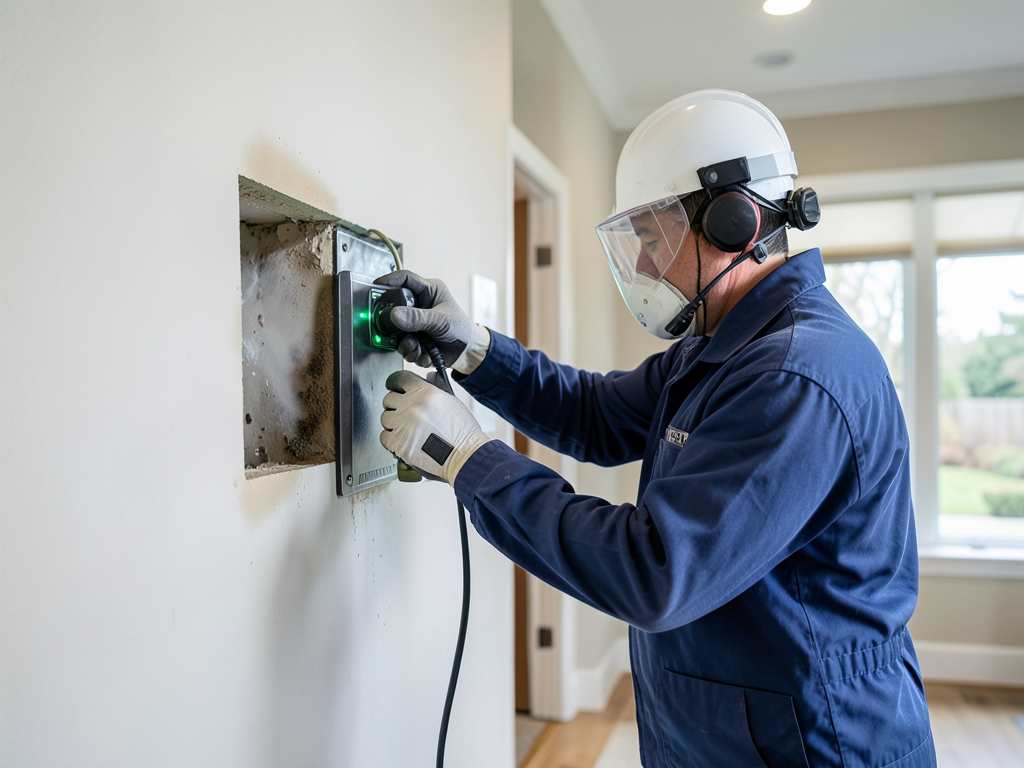
Technicians wear personal protective equipment including full-face respirators, Tyvek suits, and nitrile gloves. This protection prevents exposure to mold spores and cleaning chemicals. The containment area maintains negative pressure throughout the removal process.
Affected materials get removed carefully to minimize dust generation. Porous materials like drywall, insulation, and carpet padding require complete removal when mold penetrates beyond surface level. Non-porous surfaces get cleaned with antimicrobial solutions and HEPA vacuuming.
Wood framing and subflooring often retain moisture that supports mold growth. Technicians use moisture meters to verify drying before proceeding. Some situations require antimicrobial wood treatments to prevent future growth in areas that cannot be removed.
Advanced Drying and Dehumidification
Complete mold removal requires addressing the moisture source. Professional-grade dehumidifiers extract water vapor from the air, while air movers create circulation that speeds evaporation from building materials.
Industrial dehumidifiers remove 100-200 pints of water per day from the air. These units work continuously until moisture content in materials drops below thresholds that support mold growth. Technicians monitor progress using moisture meters at multiple depths.
Desiccant dehumidifiers work in cold conditions where refrigerant units lose efficiency. These machines use silica gel to absorb moisture and can achieve humidity levels below 30% relative humidity. This extreme drying prevents mold regrowth in previously affected areas.
Highland Park homes often feature finished basements or wine cellars that require specialized drying approaches. These spaces need careful humidity control to prevent both mold growth and damage to stored items.
Post-Remediation Verification and Documentation
Professional remediation concludes with third-party verification testing. Independent industrial hygienists conduct air and surface sampling to confirm that mold levels return to normal background conditions. This testing provides documentation for insurance claims and peace of mind.
Technicians compare post-remediation air samples to outdoor control samples. Acceptable results show indoor spore counts equal to or lower than outdoor levels. The specific types of mold present should match outdoor conditions, not indicate unusual indoor growth.
Detailed documentation includes before-and-after photos, laboratory reports, and chain-of-custody records. This paperwork proves the work met industry standards and satisfies insurance requirements. Many Highland Park homeowners need this documentation for future property sales.
Technicians provide maintenance recommendations to prevent recurrence. These typically include HVAC system improvements, plumbing repairs, and humidity control strategies specific to your home’s construction.
Highland Park-Specific Mold Challenges
Highland Park’s luxury homes often feature complex architectural details that complicate remediation. Decorative moldings, coffered ceilings, and custom millwork require careful handling to preserve aesthetics while addressing mold problems.
Many homes near Lakeside Park sit on elevated lots where water runoff creates moisture problems in crawl spaces and basements. French drains and sump pumps often fail during heavy rains, allowing groundwater to enter foundation walls.
Historic homes in the area may contain asbestos or lead paint that requires specialized handling during remediation. Professional teams coordinate with environmental testing companies to identify these hazards before beginning work.
Highland Park’s tree canopy creates shade patterns that affect moisture evaporation from exterior walls. Homes with dense tree coverage near Turtle Creek may experience slower drying times that contribute to mold growth on shaded surfaces.
Insurance Claims and Documentation
Most homeowner’s insurance policies cover mold remediation when caused by covered water damage events. However, policies often exclude mold resulting from maintenance issues or long-term moisture problems.
Professional remediation companies work directly with insurance adjusters. They provide detailed estimates using industry-standard software and document all work with photos and moisture readings. This documentation supports claims and prevents disputes over coverage.
Many Highland Park homes have high-value contents that require special consideration during remediation. Professional teams coordinate with contents specialists who clean and restore furniture, artwork, and other valuables affected by mold or remediation processes.
Insurance companies often require pre-approval for mold remediation work exceeding certain dollar amounts. Professional companies help navigate this process and provide the documentation needed for claim approval.
Preventing Future Mold Growth
Successful remediation includes addressing conditions that allowed mold growth initially. This typically involves plumbing repairs, HVAC improvements, or exterior drainage corrections.
Relative humidity inside your home should stay between 30-50% to prevent mold growth. Professional-grade hygrometers help monitor conditions, while whole-house dehumidifiers maintain optimal levels automatically.
Regular HVAC maintenance prevents condensation problems that lead to mold growth. This includes cleaning coils, checking drain pans, and ensuring proper airflow throughout the system. Many Highland Park homes benefit from upgraded filtration systems that capture mold spores before they circulate.
Exterior maintenance prevents moisture intrusion that causes mold problems. This includes checking roof flashing, maintaining gutters, and ensuring proper grading around your foundation. Professional inspections identify potential problems before they cause damage.
Choosing the Right Remediation Company
Professional mold remediation requires specific certifications and licenses. In Texas, companies must hold a Mold Remediation Contractor license from the Texas Department of Licensing and Regulation. Technicians should carry individual certifications from organizations like the IICRC.
Experience with Highland Park homes matters because of the area’s unique construction characteristics. Companies familiar with local building methods understand how to address problems without damaging historic features or custom finishes.
Professional companies carry appropriate insurance including pollution liability coverage. This protection covers both the company’s work and potential damages to your property during remediation.
References from other Highland Park homeowners provide valuable insight into a company’s quality and reliability. Look for companies with documented experience in your specific neighborhood and home type.
Health Considerations During Remediation
Mold exposure can cause respiratory problems, allergic reactions, and other health issues. Professional containment prevents exposure during remediation, but sensitive individuals may need temporary relocation during extensive work.
Common symptoms of mold exposure include coughing, wheezing, nasal congestion, and eye irritation. People with asthma, allergies, or compromised immune systems face greater risks from mold exposure.
Professional remediation eliminates these health risks by removing mold sources completely. The process also addresses underlying moisture problems that could cause future growth and exposure.
Air quality testing after remediation confirms that your home returns to safe conditions. This testing provides documentation that health concerns have been addressed completely.
Cost Factors for Highland Park Mold Remediation
Mold remediation costs vary based on several factors including the extent of contamination, types of materials affected, and accessibility of problem areas. Highland Park homes often have complex layouts that affect pricing.
Small, contained mold problems in accessible areas might cost $500-$1,500 to remediate. Extensive contamination requiring major demolition and reconstruction can exceed $10,000.
Insurance coverage significantly affects your out-of-pocket costs. Many policies cover remediation when caused by covered water damage events, though deductibles and coverage limits apply.
Professional companies provide detailed written estimates before beginning work. These estimates should break down costs for testing, containment, removal, cleaning, and verification testing.
Frequently Asked Questions
How long does professional mold remediation take?
Most residential mold remediation projects complete within 3-5 days. Small contained areas might finish in one day, while extensive contamination requiring major reconstruction takes longer. The timeline includes testing, containment setup, removal work, drying time, and post-remediation verification.
Can I stay in my home during mold remediation?
You can often remain in unaffected areas of your home during remediation. Professional containment creates isolated work zones that prevent exposure to mold and chemicals. However, extensive remediation or severe contamination might require temporary relocation for health and safety reasons.
Will mold come back after professional remediation?
Professional remediation addresses both mold growth and underlying moisture problems that caused it. When moisture sources get corrected and preventive measures implemented, mold recurrence becomes unlikely. However, new water leaks or humidity problems can cause fresh mold growth, which is why addressing the root cause matters.
How do I know if mold remediation worked?
Post-remediation verification testing confirms successful remediation. Independent testing compares indoor air quality to outdoor samples and checks that visible mold has been removed completely. Acceptable results show indoor spore counts equal to or lower than outdoor levels with no visible mold growth.
Taking Action Against Mold in Your Highland Park Home
Mold problems won’t resolve themselves and typically worsen over time. Professional remediation provides the only reliable solution for eliminating mold while protecting your home’s value and your family’s health.
The humid North Texas climate makes mold prevention an ongoing concern for Highland Park homeowners. Professional assessment identifies problems early when they’re easier and less expensive to address.
Don’t wait for mold problems to escalate. Professional remediation companies offer 24/7 emergency response for urgent situations and can begin assessment work quickly to prevent further damage.
Call (972) 886-5955 now to schedule your Highland Park mold assessment. Our licensed technicians understand the unique challenges of luxury homes in your area and provide the professional service your property deserves.
Protect your investment and your family’s health with professional mold remediation that follows Texas DSHS guidelines and IICRC S520 standards. Your Highland Park home deserves nothing less than expert care from certified professionals who understand local conditions and construction methods.
{
“@context”: “https://schema.org”,
“@type”: “BlogPosting”,
“headline”: “Getting Rid of Mold in Your Highland Park Home the Right Way”,
“description”: “Professional mold remediation in Highland Park requires licensed experts who follow Texas DSHS regulations. Learn the right way to remove mold safely from your luxury home.”,
“wordCount”: 2012,
“datePublished”: “2026-02-12T10:00:00.000Z”,
“dateModified”: “2026-02-12T10:00:00.000Z”,
“inLanguage”: “en-US”,
“mainEntityOfPage”: {
“@type”: “WebPage”,
“@id”: “https://peakwaterdamagerestorationdallas.com”
},
“publisher”: {
“@type”: “LocalBusiness”,
“name”: “Peak Water Damage Restoration Dallas”,
“url”: “https://peakwaterdamagerestorationdallas.com”
},
“author”: {
“@type”: “Organization”,
“name”: “Peak Water Damage Restoration Dallas”,
“url”: “https://peakwaterdamagerestorationdallas.com”
},
“image”: {
“@type”: “ImageObject”,
“url”: “https://peakwaterdamagerestorationdallas.com/wp-content/uploads/2026/03/getting-rid-of-mold-in-your-highland-park-home-the-1.png”
}
}
{
“@context”: “https://schema.org”,
“@type”: “LocalBusiness”,
“name”: “Peak Water Damage Restoration Dallas”,
“url”: “https://peakwaterdamagerestorationdallas.com”,
“address”: {
“@type”: “PostalAddress”,
“addressLocality”: “Dallas”
},
“areaServed”: {
“@type”: “City”,
“name”: “Dallas”
}
}
{
“@context”: “https://schema.org”,
“@type”: “FAQPage”,
“mainEntity”: [
{
“@type”: “Question”,
“name”: “How long does professional mold remediation take?”,
“acceptedAnswer”: {
“@type”: “Answer”,
“text”: “Most residential mold remediation projects complete within 3-5 days. Small contained areas might finish in one day, while extensive contamination requiring major reconstruction takes longer. The timeline includes testing, containment setup, removal work, drying time, and post-remediation verification.”
}
},
{
“@type”: “Question”,
“name”: “Can I stay in my home during mold remediation?”,
“acceptedAnswer”: {
“@type”: “Answer”,
“text”: “You can often remain in unaffected areas of your home during remediation. Professional containment creates isolated work zones that prevent exposure to mold and chemicals. However, extensive remediation or severe contamination might require temporary relocation for health and safety reasons.”
}
},
{
“@type”: “Question”,
“name”: “Will mold come back after professional remediation?”,
“acceptedAnswer”: {
“@type”: “Answer”,
“text”: “Professional remediation addresses both mold growth and underlying moisture problems that caused it. When moisture sources get corrected and preventive measures implemented, mold recurrence becomes unlikely. However, new water leaks or humidity problems can cause fresh mold growth, which is why addressing the root cause matters.”
}
},
{
“@type”: “Question”,
“name”: “How do I know if mold remediation worked?”,
“acceptedAnswer”: {
“@type”: “Answer”,
“text”: “Post-remediation verification testing confirms successful remediation. Independent testing compares indoor air quality to outdoor samples and checks that visible mold has been removed completely. Acceptable results show indoor spore counts equal to or lower than outdoor levels with no visible mold growth.”
}
}
]
}
{
“@context”: “https://schema.org”,
“@type”: “BreadcrumbList”,
“itemListElement”: [
{
“@type”: “ListItem”,
“position”: 1,
“name”: “Home”,
“item”: “https://peakwaterdamagerestorationdallas.com”
},
{
“@type”: “ListItem”,
“position”: 2,
“name”: “Blog”,
“item”: “https://peakwaterdamagerestorationdallas.com/blog”
},
{
“@type”: “ListItem”,
“position”: 3,
“name”: “Getting Rid of Mold in Your Highland Park Home the Right Way”
}
]
}
{
“@context”: “https://schema.org”,
“@type”: “Service”,
“serviceType”: “Water Damage Restoration”,
“provider”: {
“@type”: “LocalBusiness”,
“name”: “Peak Water Damage Restoration Dallas”,
“url”: “https://peakwaterdamagerestorationdallas.com”
},
“areaServed”: {
“@type”: “City”,
“name”: “Dallas”
},
“description”: “Professional mold remediation in Highland Park requires licensed experts who follow Texas DSHS regulations. Learn the right way to remove mold safely from your luxury home.”
}